Can AI Write a Personalized Workout Plan Based on My Goals
Can AI Write a Personalized Workout Plan Based on My Goals?

Yes, AI can help draft a personalized workout plan based on your goals, schedule, experience level, equipment, and preferences, but it should not replace medical or professional fitness advice when safety matters.
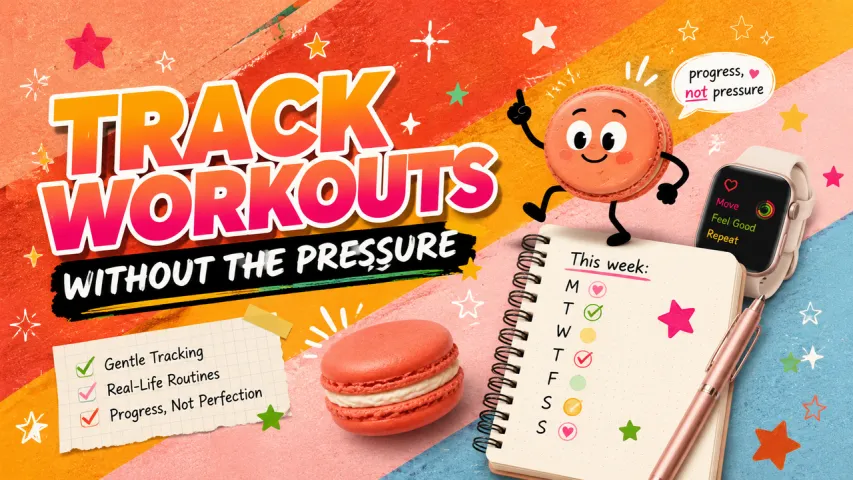
AI can organize a basic plan for strength, mobility, walking, stretching, or habit-building. It can also help track workouts, suggest rest days, and adapt a routine when you have limited time. The plan should be realistic and avoid extreme promises.
If you have injuries, medical conditions, pregnancy, pain, or complex health needs, consult a qualified professional before following AI-generated fitness guidance.
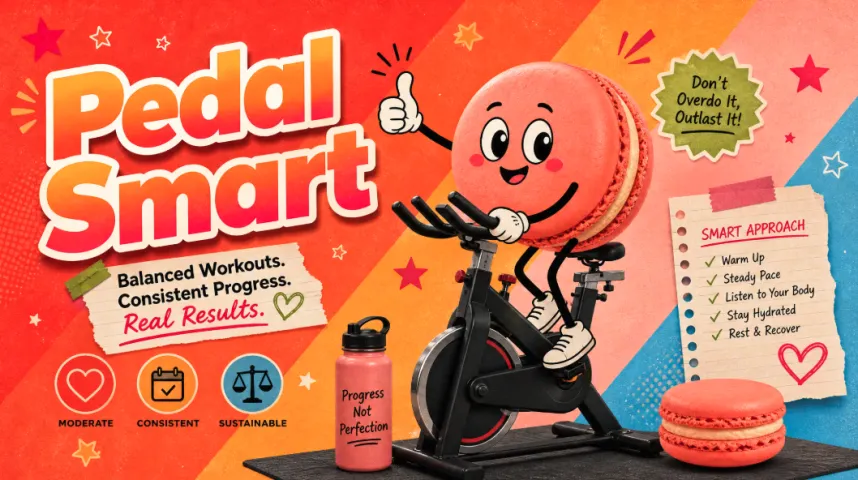
Use AI for planning and tracking, not for medical judgment. A safer plan starts with current activity level, available equipment, rest days, and what feels sustainable. Pain, injury, pregnancy, rehab, or complex health goals should be handled with a qualified professional.
Have the AI write the fallback workout into the plan itself. A fifteen-minute substitute session for overloaded days keeps the streak and the identity intact, which matters more for long-term progress than any single workout.
For fitness, the safest AI output is a flexible draft and tracking aid. Treat it as a planning helper, listen to your body, and get professional guidance when health or injury questions are involved.









Apply to become Macaron's first friends
Read & discover
Free calculators
Company


