ChatGPT Health Waitlist: How to Get Early Access (January 2026 Status)
ChatGPT Health Waitlist: How to Get Early Access (January 2026 Status)
Hey friends — I'm Hanks, and I got ChatGPT Health access last week after joining the waitlist on launch day. If you've been watching the AI health space like I have, you probably caught wind of OpenAI's ChatGPT Health launch on January 7, 2026. I'll be honest: the moment I saw the announcement, my first thought wasn't "cool feature." It was: "Can I actually get in, and what happens if I can't?"
Here's the reality check: ChatGPT Health is rolling out in phases, which means most of us are staring at a waitlist right now. I've been tracking the rollout since day one, monitoring what's working, who's getting in, and what the rest of us should do while we wait. Now that I'm inside, I can tell you exactly what the process looks like from both sides.
So if you're wondering where you stand in line, whether you can skip ahead, or what to do in the meantime — I've tested the process, read through the official docs, and compiled everything you need to know as of January 2026.
Let's break it down.
ChatGPT Health Current Status (January 2026)
Launched January 7, 2026
ChatGPT Health officially launched on January 7, 2026, marking OpenAI's first dedicated health feature. This isn't just a chatbot update — it's a secure space where you can connect medical records and wellness apps (think Apple Health, MyFitnessPal, Function, Peloton, Weight Watchers) to get personalized responses grounded in your actual health data.
Here's what caught my attention: OpenAI worked with over 260 physicians from 60 countries across multiple specialties to build this. That's not a small pilot — that's a global validation effort. The motivation? More than 230 million people globally already ask ChatGPT health-related questions weekly. The demand was already there; this feature just makes it safer and more useful.
Quick reality check here: on January 12, 2026, OpenAI acquired Torch, a healthcare startup specializing in unifying lab results, medications, and visit recordings. Translation? They're not just testing this — they're building infrastructure to make it stick long-term.
Rolling Out in Phases
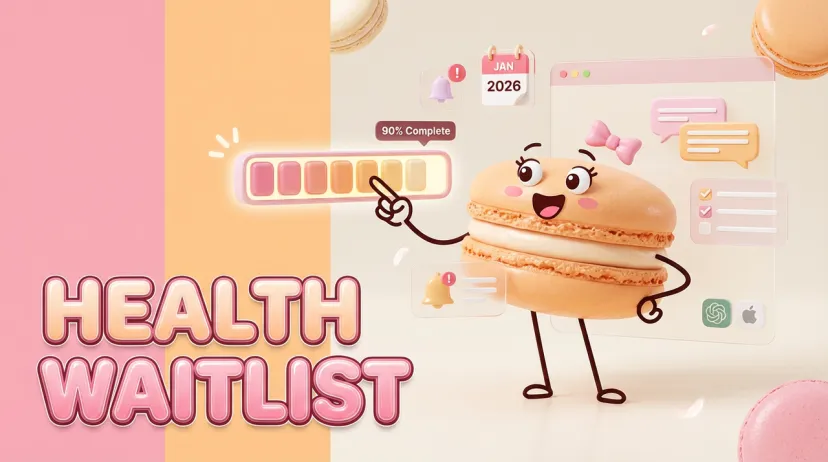
This is where things get tricky. The rollout is gradual, starting with a small beta group before expanding to all eligible users over the coming weeks. That means if you signed up on day one, you might still be waiting — and that's normal.
As of January 18, 2026, access is limited to a small beta group selected from the waitlist. Eligibility includes users on ChatGPT Free, Go, Plus, and Pro plans — but only outside the European Economic Area (EEA), Switzerland, and the United Kingdom.
Early institutional adopters already integrating it:
AdventHealth
Memorial Sloan Kettering Cancer Center
Cedars-Sinai Medical Center
Real-world feedback from early users varies. Some report getting access within days of joining the waitlist; others note it "vanished" after initial availability, likely due to phased testing. This isn't unusual for beta rollouts — it means OpenAI is actively stress-testing before going wide.
How to Join the Waitlist
Here's the step-by-step process I followed (and you should too):
Step 1: Go to OpenAI's Official Page
Visit https://chatgpt.com/health/waitlist. This is the only legitimate entry point — don't trust third-party links claiming to "skip the line."
Step 2: Sign Up with Your ChatGPT Account
Log in using your existing ChatGPT account. If you don't have one yet, create a free account first at chatgpt.com. The signup process is straightforward — no additional personal information required beyond your standard login credentials.
Step 3: Wait for Email Confirmation
After submitting, you'll receive an email confirmation from OpenAI. Access invitations are sent via email as spots open up in phases. Monitor your inbox (and spam folders — seriously, check spam).
Here's something I noticed: the waitlist grew fast. Reports from discussions on X (formerly Twitter) show over 12,000 signups shortly after launch. That number's only climbed since.
Who Gets Access First?
ChatGPT Plus and Pro Subscribers
All subscription tiers (Free, Go, Plus, Pro) are technically eligible, but OpenAI hasn't explicitly prioritized paid users in public statements. That said, early feedback suggests paid subscribers may see faster invitations — likely because they're already integrated with advanced features.
My take? If you're on a paid plan, your odds are slightly better, but it's not a guarantee.
Early access has also been reported in Australia, though with some criticism over lack of regulation. For now, the US is the primary testing ground.
Free Plan Users (Later Rollout)
Free users are included from the start, but broader rollout to all Free plan users is expected in later phases over the coming weeks. If you're on the free tier, patience is key — you're not excluded, just further down the queue.
Regions and Availability
Currently: United States
Full features, including medical record integrations, are primarily available in the US. Some early access has been spotted in Australia, but the core functionality is US-centric for now.
Not Yet Available: EU, UK, Switzerland
Explicitly excluded at launch due to regulatory considerations like GDPR. If you're in these regions, you cannot join the waitlist or access the feature yet. This isn't a bug — it's a compliance decision.
Expected Expansion Timeline
OpenAI plans to expand to all eligible users (web and iOS) in the "coming weeks" post-launch. Android support is forthcoming. International expansion beyond the US is anticipated but not detailed yet.
For context: Anthropic announced Claude for Healthcare on January 12, 2026, following a similar US-first pattern. This suggests the broader industry is moving cautiously, prioritizing compliance before scaling globally.
Once access is granted, you'll want to hit the ground running. Start gathering data from supported apps like Apple Health or MyFitnessPal now. Early users suggest testing connections as soon as access arrives for more personalized insights.
Prepare Your Health Goals
Outline personal health objectives before you get in. This could include:
Understanding patterns in recent lab results
Tracking wellness metrics over time
Prepping questions for your next doctor visit
Having a clear plan means you'll use the tool effectively from day one, not waste time figuring out what to ask.
How to Check Your Access Status
Look for "Health" in ChatGPT Sidebar
If granted access, a new "Health" section will appear in the ChatGPT sidebar on web or iOS. Health-related questions in regular chats may also prompt a switch to this dedicated space.
Check Settings → Apps
Navigate to Settings > Personalization in ChatGPT to view connected apps and health data status. This is where you'll manage integrations once you're in.
Contact OpenAI Support If Unsure
Reach out via help.openai.com for clarification on waitlist status or access issues. User reports suggest emailing support for updates, though response times vary during high-demand periods.
What I'm Doing Now
I signed up for the waitlist on January 7, 2026, and I'm still waiting as of this writing. While I wait, I've been stress-testing general ChatGPT for health-adjacent tasks — tracking habits, prepping for checkups, organizing wellness goals. It's not the same as having integrated medical records, but it's kept the momentum going.
Here's the bottom line: ChatGPT Health is real, it's rolling out, and it's worth the wait — but only if you're in an eligible region and willing to be patient.
If you can't wait, or if you're outside the US and want something now, I've been running similar workflows inside Macaron. It's not a direct replacement for ChatGPT Health's medical record integrations, but it's available today, lets you build custom AI assistants for wellness tracking, and doesn't require a waitlist. You can start free, test with real tasks, and decide if it fits your workflow.
Either way, the move toward AI-powered health navigation is happening. The question isn't if you'll use it — it's when you'll start, and which tool gets you there first.
Not a Doctor Replacement: OpenAI's official statement remains clear: ChatGPT Health is "designed to help you navigate medical care, not replace it." Privacy protections are in place, with health data separated from training models. Always consult a qualified healthcare provider for medical decisions.
FAQ
How Long Is the Waitlist?
Wait times vary. Some users report access within days; others are still waiting weeks later. OpenAI aims for expansion in the "coming weeks," but no exact timeline has been provided. If you're still waiting after a month, you're not alone.
Can I Pay to Skip the Waitlist?
No. Access is not tied to payment, and there's no "skip the line" option. All plans are eligible, but invitations are sent based on phased rollout priorities, not wallet size.
Will Medical Records Work Outside US?
Currently, EHR integrations are US-only. International users may connect wellness apps like Apple Health, but full medical record features await broader expansion.
Hey, I’m Hanks — a workflow tinkerer and AI tool obsessive with over a decade of hands-on experience in automation, SaaS, and content creation. I spend my days testing tools so you don’t have to, breaking down complex processes into simple, actionable steps, and digging into the numbers behind “what actually works.”