Healthy Meal Prep Ideas for the Week
Healthy Meal Prep Ideas for the Week

It's Sunday afternoon. You've got an hour, a reasonably stocked fridge, and the vague intention to "eat better this week." The problem isn't motivation. It's that you don't actually know what you're prepping toward.
Most meal prep advice skips that part. It hands you a rigid five-day plan with portioned containers lined up in a row, and somehow that makes the whole thing feel more exhausting than just cooking every night.
Here's what I've found actually works: start with ideas, not a schedule. Prep components, not meals. Let the week figure itself out from there.
What healthy actually means in weekly meal prep
Balanced, not restrictive: protein, fiber, vegetables, and real flavor
"Healthy" in meal prep doesn't mean low-calorie, diet-coded, or eating the same sad grain bowl four days in a row. That's the version that makes people quit by Wednesday.
What actually holds up across a week is a prep that covers a few key bases:
- Protein that you actually want to eat cold or reheated — not just plain chicken breast
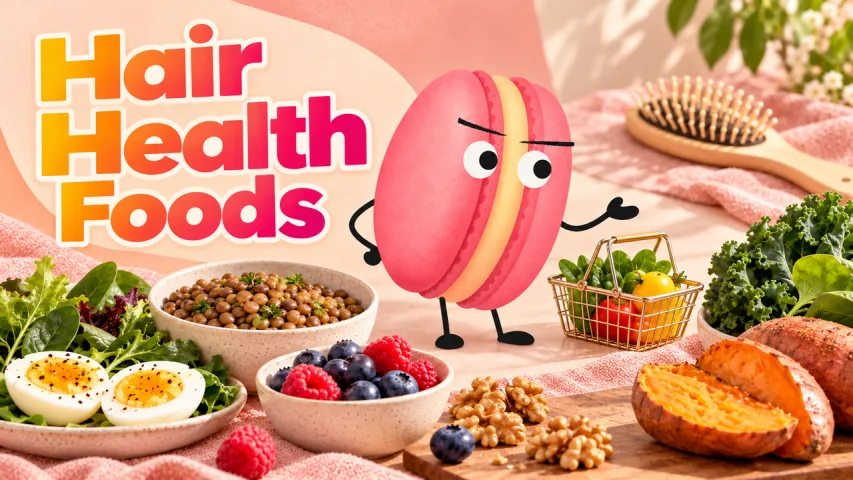
- Fiber-rich carbs that don't turn to mush overnight (think farro, roasted sweet potato, brown rice)
- Vegetables in more than one form — raw for crunch, roasted for depth, something pickled for brightness
- At least one sauce that can tie completely different combinations together
And real flavor. If the food doesn't taste good on day three, no amount of meal planning discipline is going to save you. The goal is prep you'd choose to eat, not prep you eat because you paid for the groceries.
A useful frame from nutrition researchers is the idea of dietary variety within a consistent eating pattern — Harvard's Healthy Eating Plate is a decent, non-dogmatic reference point for the proportions without tipping into calorie math.

Healthy meal prep ideas by component
Protein bases, grains, vegetables, sauces, snacks, and freezer backups
The shift that made meal prep actually work for me: stop thinking in meals, start thinking in components. Prep things that can travel across different combinations. A roasted sheet pan of chicken thighs doesn't commit you to chicken bowls all week — it can go into a wrap on Monday, over arugula on Wednesday, and into a quick fried rice on Friday.
Protein ideas worth prepping:
- Soft-boiled eggs (six at a time, last the week)
- Baked salmon or white fish (lemon, olive oil, herbs — keeps two days, freezes well)

- Roasted or pan-seared chicken thighs (more forgiving than breast, stays moist reheated)
- A pot of lentils or chickpeas if you prefer plant-based options — keeps four to five days and absorbs whatever sauce you add
Research tracking over 40,000 adults found a consistent link between meal planning and food variety — which is exactly what the component approach is built around.
Grain ideas:
- Farro or wheat berries — they stay chewy and separate even after a few days in the fridge
- Roasted or steamed sweet potato (cut into cubes, eat warm or cold)
- Brown rice or jasmine rice (just accept that day one > day three, and plan the rice dishes early in the week)
- Cooked quinoa if you want something protein-adjacent
Vegetable ideas:
- A sheet pan of whatever's in season, roasted with olive oil and salt — this is genuinely hard to mess up

- One raw element: shaved cabbage, sliced cucumber, halved cherry tomatoes — anything with crunch
- One pickled or acidic element: quick-pickled red onion (ten minutes, red wine vinegar, a pinch of sugar) or store-bought kimchi
Sauces — this is where the week gets saved:
- A tahini dressing (tahini, lemon, garlic, water to thin) that works on literally everything
- A spicy peanut sauce for grain bowls and wraps
- A simple vinaigrette (olive oil, Dijon, apple cider vinegar) for salads and roasted veg
- Jarred harissa, gochujang, or your preferred heat — not a sauce, but a finishing move
Snacks and breakfast backups:
- Overnight oats in small jars (set up two or three, not five — the last two always get questionable)
- Hard-boiled eggs
- Portioned nuts and dried fruit
- A batch of something baked if you're in the mood — banana bread, bliss balls, whatever you'll actually reach for
Freezer backups: Make a double portion of something that freezes well — a soup, a curry, a batch of cooked grains — and freeze half immediately. Future you, at 7pm on a Thursday when everything went sideways, will be grateful.
A week of mix-and-match meal prep ideas
3 protein options × 3 grains × 3 sauces = 27 combinations
This sounds more complicated than it is. The math is just pointing at something simple: if you prep three proteins, three grains, and three sauces, you technically have enough raw material for 27 different meals without repeating yourself.
You won't use all 27. But you also won't eat the same thing five times.
Here's a week's worth of starting combinations using the component approach:
Add a wrap or a piece of bread and any of these becomes a different thing entirely. That's the point.
The USDA's MyPlate framework — which I find more practical than macro tracking — suggests half your plate as fruits and vegetables, a quarter protein, a quarter grains. These combinations map to that pretty naturally without any counting.

How to avoid meal prep boredom mid-week
Sauce rotation, small batch planning, and one wild card rule
Wednesday is when most meal preps die. Not because the food went bad, but because you just can't face another version of the same bowl.
A few things that actually help:
Sauce rotation. Don't use the same sauce two days in a row, even if it's the easiest option. The tahini on Monday, the peanut sauce on Tuesday, the vinaigrette on Wednesday — it's a small change but it genuinely tricks your palate into feeling like variety.
Small batch planning. Don't prep more than four portions of any one thing. Five containers of the same grain bowl will absolutely still be there on Friday, judging you. Four portions forces you to either cook something small on Thursday or use a freezer backup. Both are better outcomes than eating sad leftovers.
One wild card rule. Keep one meal in the week intentionally unplanned. Maybe it's Friday dinner, maybe it's Thursday lunch. Having something to look forward to that isn't your prepped container — takeout, cooking something from scratch, finishing the cheese in your fridge — makes the planned meals feel like a choice rather than a constraint.
Research on perceived autonomy and consistent eating behavior backs this up — people who feel in control of their food choices tend to stick with patterns longer. Which in non-academic terms means: leaving yourself a little flexibility actually makes you more likely to stick with the plan.
Healthy meal prep ideas vs simple meal prep
Ideas-first weekly planning vs low-effort prep philosophy
These are related but different approaches, and it's worth knowing which one you actually want.
Simple meal prep is about reducing the number of decisions and cooking moments in a week. You might do full meals: Sunday you make four portions of pasta, three portions of stir fry, two breakfast burritos. You know exactly what you're eating every day. Very low cognitive load, but also very little flexibility if your plans change or your cravings shift.
Ideas-first meal prep (what this whole article is oriented toward) is about prepping raw material that can become multiple different things. It takes slightly more creativity in the moment but gives you much more room to respond to how the week actually goes — unexpected leftovers from a dinner out, a day when you just want soup, a Tuesday when you're craving something spicy.
Neither is wrong. But if you've tried the rigid container approach and abandoned it by mid-week, it might be worth trying the component method first and seeing if it holds better.

If you want to plan this out properly — figuring out what components to combine, what you already have, and what to put on your grocery list — Macaron can help you think through a week's worth of mix-and-match prep in one conversation. You describe what you have and what sounds good, and it builds out the combinations and the list for you. Worth trying if the planning part is usually what makes the whole thing fall apart.
FAQ
What does "healthy" actually mean for weekly meal prep?
For the purpose of meal prep, healthy means: food that covers your nutritional bases (protein, fiber, vegetables, some fat), that you'll actually eat rather than skip, and that doesn't leave you feeling worse by the end of the week. It's not a macros calculation. It's more like: did this week of eating support how you wanted to feel?
How do I create mix-and-match meals that don't get boring?
Prep three or more sauces, not just one. The sauce is almost always what makes a bowl feel like a different meal. Swap the grain base mid-week too — farro one day, sweet potato the next. And keep at least one element that adds crunch or acidity (pickled onion, raw cabbage, fresh herbs) which does a lot of work in changing the texture of the same core ingredients.
Can I still have flavor and cravings while prepping?
Yes, and this is a feature of the component approach, not a compromise. When you prep components rather than full meals, you can follow a craving mid-week without wasting your prep — add some feta and olives to your grain bowl on Wednesday, use the peanut sauce instead of the tahini, throw in some chili oil. The base is already done.
How many components should I prep for a full week?
A practical starting point: two or three proteins, two grains or starchy bases, two or three vegetable options (at least one roasted, one raw), and two to three sauces. That covers five to six lunches and dinners without full meal commitment. Add one breakfast option (overnight oats, hard-boiled eggs) if you want to extend the prep.
What's the best way to avoid mid-week meal boredom?
The wild card rule mentioned above is underrated. Beyond that: don't plate the same way twice. A grain bowl becomes something different when you eat it warm on Monday and cold with extra greens on Wednesday. The food is the same but the eating experience shifts enough to not feel like déjà vu.
How do I include snacks and breakfast in the prep?
Keep these simple. Snacks: portioned nuts, a piece of fruit, some cheese, maybe a batch of something baked if you feel like it. Breakfast: two or three overnight oats jars is usually enough — prepping five means you're eating week-old oats by Friday. Hard-boiled eggs work for both snacks and quick breakfasts if you want something with protein.
How is this different from simple low-effort meal prep?
Simple meal prep = full meals portioned and ready to eat. Faster at meal time, less flexible. Component-based prep = raw ingredients you combine in the moment. Slightly more work at mealtime, much more responsive to how your week actually goes. If your plans shift or your cravings change, you're not stuck eating something that no longer sounds good.
Can these ideas work with a tight budget?
The component approach is actually quite budget-friendly because you're building around inexpensive staples — grains, legumes, seasonal vegetables, eggs. Proteins like chicken thighs and canned or dried beans are significantly cheaper than salmon or premium cuts. A batch of lentils costs very little and provides protein across multiple meals. The flexibility also means less food waste, which compounds into savings over time.
You're probably not going to have a perfect prep week every week. Neither do I. There will be a Wednesday where you eat crackers and hummus because you just can't. That's fine. The point of having prepped components in the fridge isn't to remove all spontaneity — it's to make sure that when you do want a real meal, the hardest parts are already done.
That's really it.
Recommended Reads
Simple Meal Prep for People Who Hate Meal Prep
High Protein Breakfast Meal Prep That Stays Practical
Meal Plans for One Person Without Waste









Apply to become Macaron's first friends
Read & discover
AI Personal Assistant
Free calculators


