What Makes One AI Assistant More Personal Than Another
What Makes One AI Assistant More Personal Than Another?

One AI assistant feels more personal than another when its answers reflect what it has learned about you: your recurring needs, your preferred formats, and the way you phrase things. Personalization is more than friendly language; it is help shaped to your life.
Key signals include memory, user control, relevant follow-up questions, flexible formatting, and the ability to reuse past context. A personal assistant should know whether you need a checklist, a plan, a reflection prompt, or a quick draft.
It should also respect boundaries. If an assistant is too familiar, stores too much, or makes assumptions without explanation, it can feel uncomfortable. Good personalization feels helpful and controlled.
The more personal assistant is often simply the more correctable one. When users can see, edit, and override what the system believes about them, the resulting behavior fits better than any automatic inference.
Personal feel comes from personal input. The assistant that receives your real schedule, one hard limit, and your preferred reply length will always feel more tailored than one fed generic prompts.
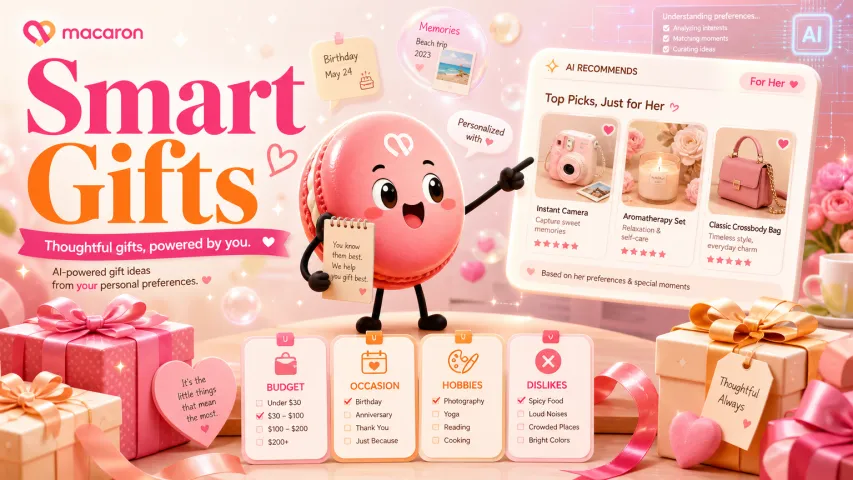
Macaron aims at exactly this differentiator: the personal feel comes from accumulated conversational context, your phrasing, routines, and goals, rather than from a personality skin over generic replies.





Apply to become Macaron's first friends
Read & discover
Free calculators
Company


