Mental Health Tracker: How to Monitor Your Wellbeing
Mental Health Tracker: How to Monitor Your Wellbeing

There's this moment when you realize you've felt off for two weeks straight — not dramatically bad, just off — and you can't explain why, because you weren't paying attention closely enough to notice it building.
That's the gap a mental health tracker fills. Not as a diagnostic tool. Not a replacement for a therapist. Just a way to start paying attention to yourself with a little more intention — and to have something to show for it when you try to figure out what's actually going on.
Quick version if you're short on time: A mental health tracker is a log of how you feel over time — mood, sleep, energy, what triggered a rough day. You can use an app or paper. The point isn't the data, it's the patterns. Useful when you're trying to understand yourself better or communicate more clearly with a professional.
What a Mental Health Tracker Is
It's not complicated. A mental health tracker is just a consistent record of how you're doing — emotionally, physically, mentally — over time.
The key word is consistent. A single check-in tells you almost nothing. Two months of check-ins start to tell a story.
Some people use them during a specific rough patch. Others make it a long-term habit, the same way some people log what they eat or track their workouts. Neither approach is wrong. The honest answer is that you probably won't know which kind of person you are until you try.
What a tracker isn't: a way to self-diagnose. If you're seeing patterns that concern you — persistent low mood, chronic sleep disruption, anxiety that doesn't lift — that's information worth bringing to a professional, not something to interpret on your own. If you're unsure whether what you're noticing crosses a threshold worth discussing, NIMH's guidance on when to seek professional help walks through specific symptoms to watch for.

What to Track
You don't need to track everything. Tracking too much is actually one of the reasons people stop doing it after a week. Pick a few things that feel relevant to you right now and start there.
Mood
The most obvious one. Rate how you're feeling on a simple scale — some people use 1–5, some just write a word or two. The goal isn't precision, it's consistency.
What matters more than the number is noting which way you're moving. Three days of "4" feels different if the week before was all "2."
Sleep
Sleep and mood are genuinely hard to separate. The Sleep Foundation describes how sleep and mood are deeply intertwined, each affecting the other in ways that aren't always obvious in the short term — which is exactly why tracking both together tends to surface patterns that neither alone would show.

I say this as someone who spent months being confused by my own bad days before I started noticing that almost all of them followed nights under six hours.
Track how long you slept and, if it's easy, how rested you felt when you woke up. Those two things don't always match.
Energy and Motivation
Distinct from mood. You can be in an okay mood and still feel completely flat — no drive, no interest in anything you normally like. That flatness is worth tracking separately because it shows up differently and often points to different things.
Even a simple "high / medium / low" at the end of the day is enough.
Triggers and Context
This is the part most trackers skip, and it's the part that actually makes the data useful. What happened today? A hard conversation, bad news, a social situation that left you feeling drained — noting context turns a number into something you can learn from.
It doesn't have to be long. One sentence is fine.
Tracking Methods
App-Based
Apps handle the habit-building side for you. Push notifications, streaks, visual charts — the infrastructure is there. A few worth knowing about:
Daylio is probably the most popular purely mood-focused option. You pick an emoji, select activities, add a note. Takes under a minute. The charts it generates after a few weeks are genuinely interesting to look at.

Bearable is more comprehensive — mood, symptoms, medications, sleep, activities. Better for people managing a specific condition or working with a healthcare provider. More setup required upfront.
Reflectly and similar journaling apps lean more toward guided reflection than raw data tracking. Useful if you want prompts to help you actually think, not just log.
The downside of apps: they can quietly add friction. If your phone is somewhere else when you want to check in, you skip it. If the interface starts to feel like another thing demanding your attention, you start resenting it.
Paper / Journal
Lower friction in some ways, higher in others. No reminders, no streaks, no charts — but also no app to configure, no account to create, no privacy policy to read.
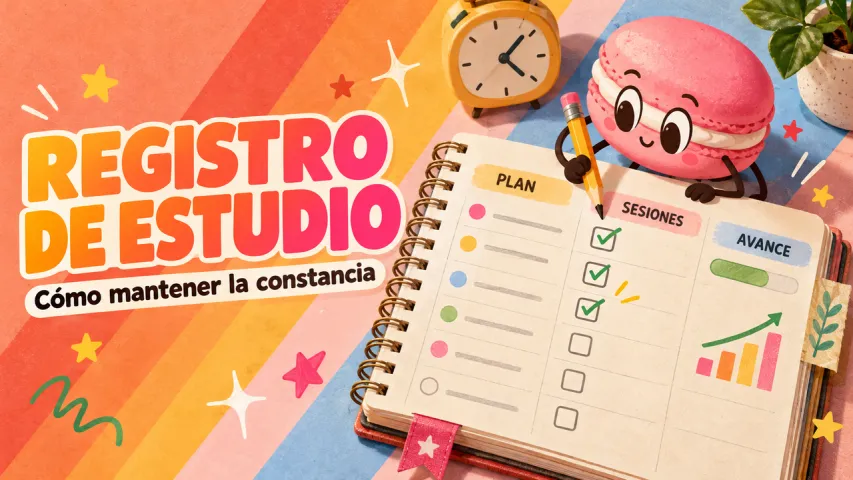
A simple format that works: date, mood rating, sleep hours, one-line context note. That's it. You can get a month of data in one notebook spread.
Some people do better with paper because it feels more like writing than logging. If you find yourself wanting to explain how you're feeling rather than just rate it, paper might suit you better.
The tradeoff is that spotting patterns requires more effort — you're flipping back through pages rather than reading a chart.
How to Use Your Tracking Data
Collecting data isn't the same as using it. Here's where people get stuck.
After two to four weeks, look for patterns — not conclusions. You're asking questions, not answering them.
A few useful ones to start with: Do bad days cluster around certain days of the week? Does your mood consistently drop the day after poor sleep? Are there certain social situations or work contexts that show up before a dip?
The point of noticing these things is to give you something to work with. Maybe you realize Tuesday afternoons are reliably rough and you can start protecting that time differently. Maybe you notice that three consecutive high-stress weeks always end in a crash, and that alone changes how you plan.
APA's Monitor on Psychology found that self-monitoring enhances a person's ability to quantify their own experience — and that this awareness alone can improve outcomes, even before any formal intervention begins. If you're working with a therapist or psychiatrist, your tracking data is genuinely useful to bring to sessions. It's easier to describe a month than to reconstruct it from memory.
When Tracking Helps — and When It Doesn't
Tracking tends to help when you're trying to understand patterns you can't see yet. When something feels off but you can't articulate it. When you want to communicate more clearly with a professional and don't know where to start.
It's less useful — and can become actively unhelpful — when it turns into rumination. If checking in makes you feel worse, or if you find yourself re-reading old entries looking for proof that things are getting worse, those are signs to step back.
Tracking is a tool for awareness. It's not supposed to become another source of anxiety.
Some days you'll skip it. That's fine. A tracker with gaps is still a tracker. NIMH notes that self-care practices work best when they're sustainable — meaning they fit into your actual life, not the version of it you wish you had.
FAQ
What's the Best Mental Health Tracker App?
Depends what you need it for. Daylio is the easiest to actually stick with — low friction, decent charts, free tier covers the basics. Bearable is better if you're tracking something specific or working alongside a provider. If you mostly want to write rather than log, a journaling app or even plain notes will serve you just as well.
I'd suggest trying one for two weeks before deciding if it's working. Not two days.
How Long Should I Track Before Seeing Patterns?
Realistically, four to six weeks. Two weeks gives you something, but not enough to be confident you're seeing a real pattern versus a coincidence. The longer you go, the more useful the data — but you don't need six months before it starts being informative.
What Do I Do If My Tracking Shows a Problem?
Take it to someone qualified to help you interpret it. A therapist, counselor, or doctor. Your tracking data is a starting point for a conversation — not a diagnosis.
If what you're seeing feels urgent — persistent hopelessness, thoughts of self-harm, feeling unable to function — please reach out to a mental health professional or a crisis line directly. The 988 Suicide and Crisis Lifeline is available by call or text, 24 hours a day, 7 days a week.

If you want something to help you think through what you're noticing and how to bring it up with a professional, an AI companion like Macaron can be a useful thinking partner — not to interpret your data, but to help you put words to what you're experiencing before you walk into a session. It's a different kind of support than professional care. Not a replacement.

You probably won't track every day. Most people don't. But even an inconsistent record of the past two months is more than most people have when they're trying to understand what's going on with themselves.
That's not nothing.
Recommended Reads
Mental Health Journal: How to Start and What to Write










Apply to become Macaron's first friends
Read & discover
AI Personal Assistant
Free calculators


