Healthy Meal Plan for Dairy Free
Transitioning to dairy-free eating opens up plant-based alternatives and global flavors. Our guide provides practical meal frameworks, calcium solutions, label-reading strategies, and budget-friendly swaps - including 30% savings on coconut milk versus cartoned alternatives and restaurant ordering tactics.
Meal Plan Basics for Dairy Free
Eliminating dairy requires vigilance beyond obvious milk products - many deli meats, breads, and medications contain hidden dairy derivatives like casein or whey. Starting with naturally dairy-free cuisines like Asian stir-fries or Mediterranean bean dishes helps ease the transition before exploring substitutes. Keep emergency snacks like individual almond butter packets handy to avoid accidental dairy consumption when hungry.
Nutritional gaps often appear in calcium and vitamin D intake, but strategic choices like fortified plant milks (300mg calcium per cup), canned sardines with bones (325mg per 3oz), and calcium-set tofu (250mg per ½ cup) can fill these needs. Pairing calcium-rich foods with vitamin C sources like bell peppers enhances absorption by up to 30%.
Batch-prepping versatile staples like cashew cream or dairy-free pesto ensures convenient options during busy weeks. Many find roasting vegetables with olive oil or using avocado boosts satisfaction in meals missing traditional dairy richness. Sheet-pan meals with salmon and Brussels sprouts offer complete nutrition with minimal cleanup.
Ethnic grocery stores often carry affordable dairy alternatives - coconut milk cans cost 30% less than cartoned plant milks, while sesame tahini provides creamy textures without dairy. These budget finds make dairy-free living accessible. 'Accidentally dairy-free' products like Oreos or certain potato chips simplify snack choices.
Successful transitions involve scanning labels for 'may contain milk' warnings even on seemingly safe products like bread or canned tuna. Develop a rotation of 5-7 reliable breakfasts like chia pudding or dairy-free oatmeal to establish consistency before expanding dinner options.
How a meal plan for Dairy Free works
Effective dairy-free meal planning involves more than eliminating milk and cheese - it requires awareness of hidden dairy in unexpected places like protein bars, breads, and processed snacks. Build meals around naturally dairy-free whole foods like quinoa, lentils, and vegetables as a foundation. Develop label-scanning habits for terms like casein or whey, even on products that seem safe. Many discover new favorite ingredients during the transition, such as coconut yogurt or cashew-based queso, which can make the change feel exciting rather than restrictive. Establish a rotation of 5-7 reliable breakfasts like chia pudding or dairy-free oatmeal before expanding dinner options.
How to build a meal plan for Dairy Free
Successful dairy-free eaters develop label-scanning habits—looking for 'may contain milk' warnings even on seemingly safe products like bread or canned tuna. Meal prep efficiency improves by batch-cooking plant-based proteins like lentils or tempeh, while keeping emergency snacks like individual nut butter packets handy. Ethnic grocery stores often carry affordable dairy alternatives like coconut milk cans (30% cheaper than cartons) or sesame-based dressings. Pre-portion snacks like trail mix with almonds (75mg calcium per ounce) for grab-and-go options. Use grocery apps to filter for dairy-free products, saving time on label reading.
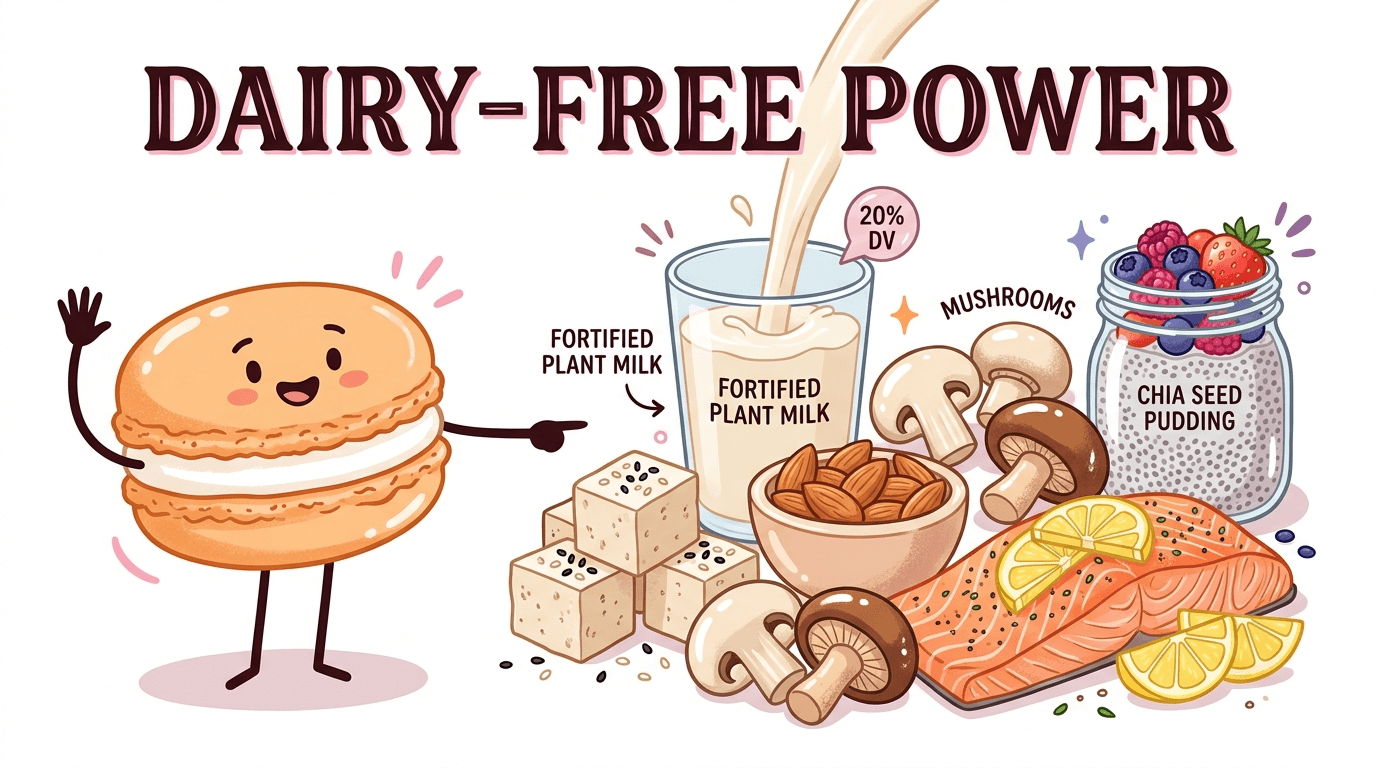
Best foods to include in a meal plan for Dairy Free
Prioritize calcium sources that provide at least 20% DV per serving: fortified plant milks (300mg per cup), firm tofu made with calcium sulfate (250mg per ½ cup), and almonds (75mg per ounce). For vitamin D, incorporate mushrooms exposed to UV light and fatty fish like salmon. Chia seeds offer both calcium and omega-3s in one versatile ingredient for smoothies or puddings. Bok choy provides 160mg calcium per cooked cup with higher bioavailability than spinach. Pair calcium-rich foods with vitamin C sources like bell peppers to enhance absorption by up to 30%.
Meal plan for Dairy Free vs a balanced meal plan
Nutritionally, dairy-free plans require alternative calcium and vitamin D sources like fortified plant milks, canned fish with bones, and UV-exposed mushrooms. Texture and flavor profiles shift significantly - mashed avocado replaces butter on toast, while nutritional yeast adds cheesy notes. Meal prep approaches adapt with batch-cooked plant proteins like lentils instead of cheese-based dishes. Budget considerations change too, with savings on dairy products but potentially higher costs for specialty alternatives like vegan cheeses.
Meal Planning Ideas for Dairy Free
Versatile pantry staples form the foundation of dairy-free cooking - tahini creates creamy dressings, coconut milk enriches curries, and nutritional yeast adds cheesy flavors. Many discover new favorite ingredients like coconut yogurt or cashew queso during the transition. Keep shelf-stable boxes of fortified almond milk for quick calcium boosts - shake well since calcium settles.
Restaurant dining requires specific strategies: request oil instead of butter for sautéing, choose broth-based soups, and confirm fryer oil hasn't been used for dairy items. Ethnic restaurants often have inherently dairy-free options like sushi or bean-based Mexican dishes. Thai curries made with coconut milk (confirm no butter added) are reliable choices.
For quick calcium boosts, snack on edamame pods (52mg per ½ cup) or keep individual packs of fortified almond milk. Texture adaptations prove crucial - mashed avocado replaces butter on toast, while blended silken tofu with lemon mimics sour cream. In baking, refined coconut oil (1:1 ratio) maintains cookie texture best.
Meal prep efficiency improves by batch-cooking plant-based proteins like lentils or tempeh. Sheet-pan meals with salmon and roasted vegetables offer complete dairy-free nutrition with minimal cleanup - a practical solution for busy weeknights. Pre-portion snacks like trail mix with almonds (75mg calcium per ounce) for grab-and-go options.
Discover 'accidentally dairy-free' mainstream products to simplify grocery trips - Oreos, certain potato chips, and many dark chocolates (70% cacao or higher) often qualify. Use grocery apps to filter for dairy-free products, saving label-reading time. Swap sour cream with blended silken tofu mixed with lemon juice for similar tang.
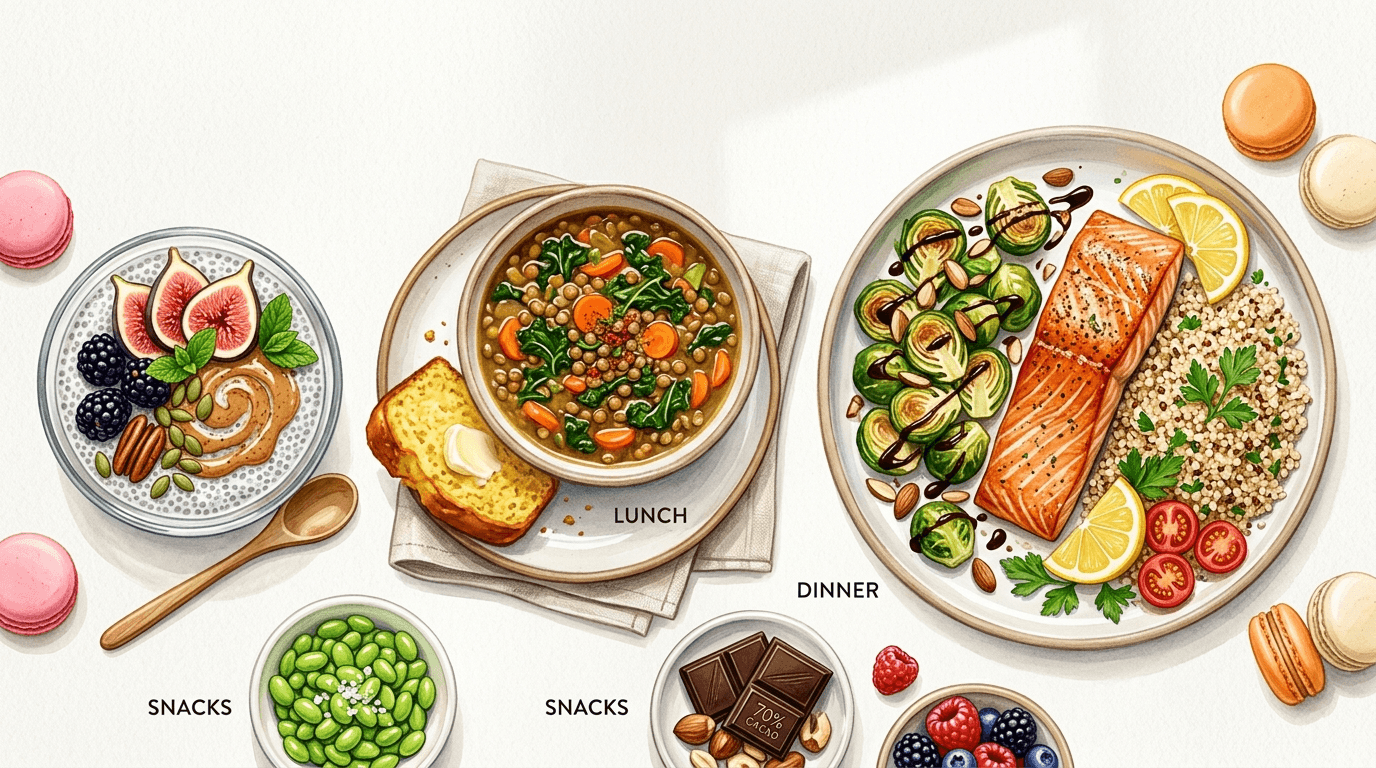
A 1-day meal plan for Dairy Free
Breakfast: Chia pudding made with almond milk and topped with figs (100mg calcium) plus a vitamin C-rich orange to boost absorption. Lunch: Lentil soup with kale (94mg per cup) and dairy-free cornbread made with coconut oil. Dinner: Sheet-pan salmon with roasted Brussels sprouts and quinoa pilaf, providing omega-3s and calcium. Snacks: Edamame pods (52mg per ½ cup) and dairy-free dark chocolate with almonds for combined calcium and healthy fats. Beverages: Fortified oat milk in coffee and calcium-rich mineral water with meals.
Snacks, swaps, and grocery shortcuts for a Dairy Free meal plan
Discover 'accidentally dairy-free' mainstream products like Oreos or certain potato chips to simplify snack choices. For quick calcium, keep shelf-stable boxes of fortified almond milk - individual serving sizes are perfect for lunchboxes. Swap sour cream with blended silken tofu mixed with lemon juice (1 tbsp lemon per cup of tofu). Use mashed avocado instead of butter on toast, or tahini in place of cream cheese. Many grocery apps now allow filtering for dairy-free products, saving label-reading time during shopping trips.
Common meal plan mistakes on Dairy Free
Overlooking hidden dairy in processed foods like breads, deli meats, and salad dressings containing whey or casein. Not reading labels thoroughly for 'may contain milk' warnings. Neglecting calcium intake by failing to incorporate fortified foods or high-calcium plants like kale. Relying too heavily on processed dairy alternatives rather than whole foods like lentils and vegetables. Forgetting to pair calcium-rich foods with vitamin C sources to enhance absorption.
How Macaron helps you stick to a Dairy Free meal plan
Macaron simplifies dairy-free living by scanning product labels for hidden dairy ingredients during grocery shopping. The app suggests safe alternatives based on your preferences and creates customized shopping lists that highlight dairy-free options at your preferred stores. It learns your taste preferences to recommend new dairy-free products you might enjoy, like coconut yogurt or cashew-based dressings. The meal planner automatically adjusts recipes to dairy-free versions and tracks your calcium intake from non-dairy sources.
Frequently Asked Questions
No, they're fundamentally different. Lactose-free products still contain dairy proteins like casein but have the lactose sugar removed, making them unsuitable for milk allergies. Dairy-free means no milk components at all - including casein, whey, lactose, and ghee. Always check labels for dairy derivatives if you have allergies, as lactose-free products often contain these. For severe allergies, look for 'dairy-free' labeling rather than just 'lactose-free'.
Beyond fortified plant milks, prioritize these high-absorption options: bok choy provides 160mg per cooked cup with higher bioavailability than spinach. Sardines with bones offer 325mg per 3oz serving plus omega-3s. Blackstrap molasses contains 200mg per tablespoon for sweet applications. Calcium-set tofu provides 250mg per ½ cup. For optimal absorption, pair calcium-rich foods with vitamin C sources like bell peppers or citrus fruits - this can enhance mineral uptake by up to 30% compared to consuming calcium alone.
Yes, but choose dark chocolate labeled dairy-free (usually 70% cacao or higher). Many brands now offer milk-free options, though cross-contamination risks exist for severe allergies. Look for chocolates processed in dedicated facilities if allergic. Enjoy chocolate with almonds for combined calcium benefits - 1oz of almonds provides 75mg calcium. Some 'accidentally dairy-free' mainstream chocolates exist, but always verify ingredients as formulations can change.
For cookies, refined coconut oil (1:1 ratio) maintains texture best, while applesauce works for muffins (replace half the fat). In pie crusts, chilled coconut oil or vegan shortening creates flakiness. For richness without strong coconut flavor, try avocado oil or cultured dairy-free butter alternatives. Neutral-flavored vegetable oils work well in cakes, with ¼ tsp extra leavening per cup of oil to compensate for density. Blackstrap molasses adds calcium (200mg per tbsp) while sweetening in gingerbread or molasses cookies.
Yes, with strategic ordering: Thai restaurants can prepare curries with coconut milk (confirm no butter added), while Italian spots often have olive oil-based pasta aglio e olio. Always specify 'no butter' for grilled items—many kitchens default to butter basting. Sushi restaurants typically offer dairy-free options, but avoid tempura (sometimes made with milk powder) and confirm wasabi isn't cut with dairy. Choose broth-based soups over cream-based and ask about fryer oil cross-contamination for fried items.
Watch for dairy in breads (often brushed with butter), deli meats (containing casein), canned tuna (sometimes packed with casein), processed snacks, salad dressings, and even medications. Terms like casein, whey, lactose, lactalbumin, or ghee indicate dairy derivatives. Some 'non-dairy' creamers still contain casein. Always check labels on margarines, crackers, and instant potatoes, which frequently contain hidden dairy. When in doubt, contact manufacturers about processing methods.
Macaron scans product labels for dairy ingredients during your shopping trips, alerting you to hidden dairy in unexpected products. It suggests safe alternatives based on your preferences and creates customized shopping lists that highlight verified dairy-free options at your preferred stores. The app learns your taste preferences over time to recommend new dairy-free products you might enjoy, like coconut yogurt or cashew-based dressings. It can also identify 'accidentally dairy-free' mainstream products to expand your options.
Not necessarily - weight changes depend on your overall dietary pattern. While eliminating high-calorie dairy products like cheese may help some people, many dairy alternatives contain similar calories (e.g., coconut milk versus whole milk). Some people actually gain weight by overconsuming processed dairy-free treats. Focus on incorporating whole food alternatives like lentils, vegetables, and nuts rather than just swapping dairy for processed alternatives to support healthy weight management.
Read & discover
AI Personal Assistant
Free calculators


