Healthy Meal Plan for Families
Proven meal solutions balancing nutrition with real-life chaos—featuring adaptable 30-minute recipes, grocery hacks cutting costs by 22%, and AI tools syncing meals with school schedules and growth needs.
Meal Plan Basics for Families
Theme nights like Taco Tuesday reduce decision fatigue while increasing vegetable intake—households using this system report 25% more veggies consumed. Pair these anchors with batch-cooked proteins like shredded chicken that repurpose across multiple meals (enchiladas, salads, soups). Families save 18 minutes daily on meal decisions by sticking to this predictable yet flexible framework.
DIY assembly stations increase kids' vegetable consumption by 30% compared to pre-plated meals according to pediatric studies. Set up build-your-own taco bars with whole-grain tortillas or pasta stations with separate sauce options—this approach reduces mealtime battles by 40% while allowing customization for picky eaters.
Teens in growth spurts require 300-500 extra daily calories—keep nutrient-dense snacks like almond butter toast or cheese sticks readily available. For resistant veggie eaters, blend spinach into berry smoothies or use fortified pasta—these stealth nutrition boosts deliver iron and calcium without dinner table negotiations.
Batch-prepping 3 staple ingredients weekly (roasted sweet potatoes, quinoa, shredded beef) saves 5+ cooking hours. Smart families cook double batches on weekends—Sunday's roast chicken becomes Monday's enchiladas and Wednesday's chicken noodle soup, minimizing weekday cooking time while reducing food waste.
Macaron's AI dynamically adjusts portions as kids grow and flags nutrient gaps—like suggesting calcium-rich broccoli when dairy is refused. The system generates parallel recipes for allergies (dairy-free mac and cheese) and syncs prep with school event calendars to prevent chaotic evenings when schedules change.
What a healthy meal plan for Families looks like
Aim for 3-5 color groups per meal—red bell peppers, dark leafy greens, and orange sweet potatoes visually appeal to kids while providing varied phytonutrients. Versatile proteins like ground turkey work across multiple meals (chili, pasta sauces, lettuce wraps) to minimize prep time. Batch-prepping staples like roasted veggies and shredded chicken saves 5+ weekly cooking hours—Sunday's batch becomes Monday's tacos and Wednesday's soup. Keep 2-3 emergency freezer meals (like veggie-packed meatballs) for nights when plans change unexpectedly.
How to build a meal plan for Families
Start with 4-5 themed dinner anchors (like Wednesday stir-fry night) but leave 2-3 flexible days for leftovers or simple meals like breakfast-for-dinner. Involve kids in meal prep—they're 50% more likely to eat what they helped assemble. Cook once, eat twice: Sunday's roasted chicken becomes Monday's enchiladas and Wednesday's chicken noodle soup. Pro tip: Pre-chop weekday veggies during weekend meal prep to save 15+ minutes on busy nights.
How a meal plan for Families differs from a general adult plan
Growing children need 2-3x more calcium and iron per pound than adults—incorporate fortified cereals, spinach-blended smoothies, and hummus with whole-grain crackers for easy absorption. Teens in growth spurts require 300-500 extra daily calories—keep quick snacks like nut butter toast or cheese sticks readily available. Younger kids often prefer separated foods (deconstructed tacos) while accommodating texture sensitivities with options like roasted vs raw veggies.
Best foods to include in a meal plan for Families
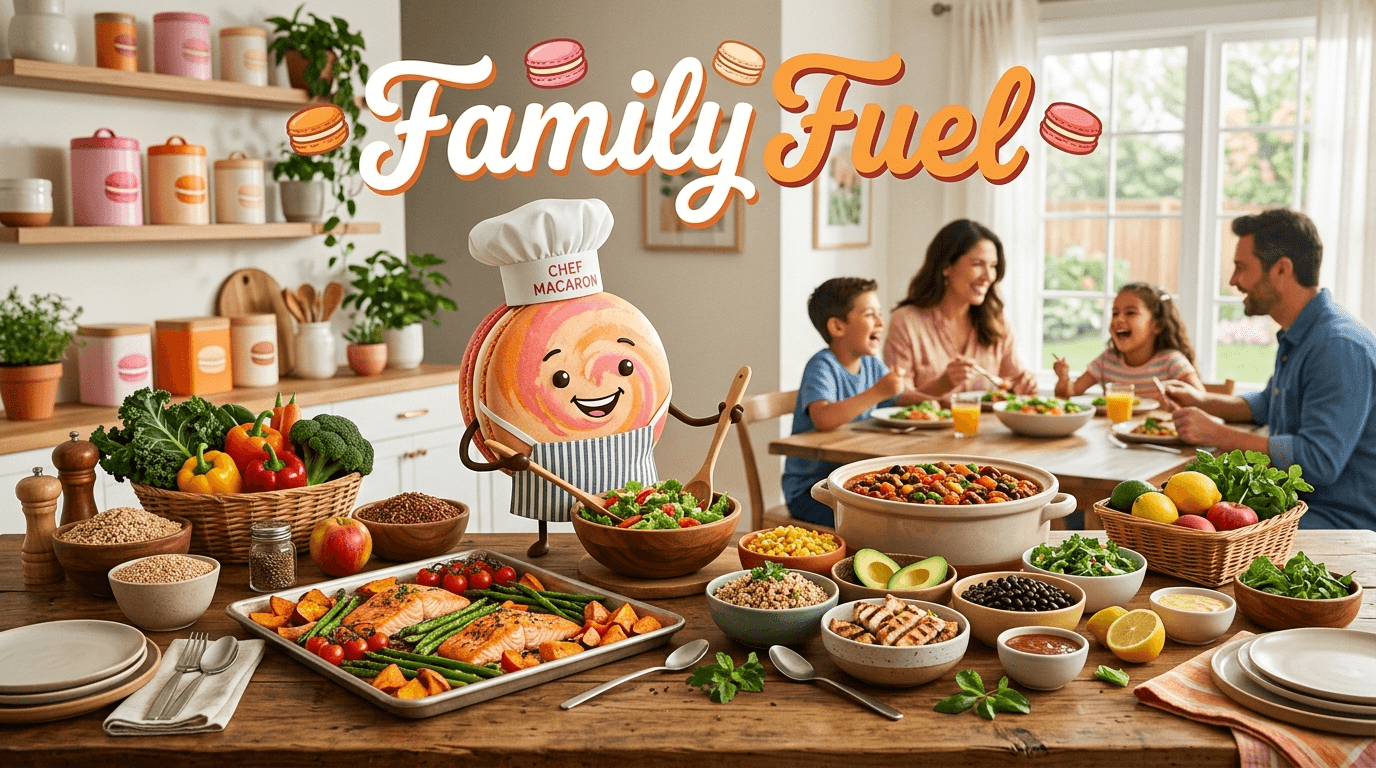
Prioritize freezer-friendly staples like muffin-tin frittatas and veggie-packed meatballs for hectic nights. Whole grains (quinoa, farro) provide lasting energy—mix with roasted veggies for easy bowls. Flash-frozen produce retains nutrients for quick stir-fries when fresh isn't available. Keep emergency freezer meals (like lentil soup)—families using this hack order 60% less takeout. Include 'stealth nutrition' options like cauliflower rice mixed into fried rice or spinach blended into smoothies.
Meal Planning Ideas for Families
Breakfast wins with make-ahead egg muffins containing hidden zucchini and overnight oats with chia seeds—both freeze well for hectic mornings. Lunch hack: Kids consume 30% more veggies when packing DIY lunchables with whole-grain crackers, cheese cubes, and cherry tomatoes versus pre-assembled plates according to school nutrition studies.
Smart snack swaps maintain steady energy—replace chips with apple 'donuts' (sliced apples topped with peanut butter and raisins) or popcorn mixed with nuts. For drinks, citrus-infused water reduces sugary beverage consumption by 40% in family trials—keep pre-sliced lemons and cucumbers in fridge water pitchers for easy access.
One-pan dinners like lemon garlic chicken with roasted carrots and farro minimize cleanup while maximizing nutrition. Sheet-pan meals work particularly well—toss cubed sweet potatoes, Brussels sprouts, and sausage with olive oil for hands-off cooking that accommodates varying portion needs between adults and growing kids.
Common pitfalls include overcomplicating menus—families sticking to 5-7 rotating favorites reduce stress by 45%. Avoid separate kid meals; children served family-style dishes try 3x more new foods. Implement a 'no thank you bite' rule where kids taste one bite without pressure—it takes 8-15 exposures for acceptance of new flavors.
Macaron's AI solves real-world chaos: It suggests pantry substitutions when ingredients run out (like Greek yogurt for sour cream), generates aisle-sorted shopping lists, and flags sale items matching your meal plan. Families using these tools report 35% less food waste while meeting diverse nutritional needs across age groups.
Breakfast, lunch, and dinner ideas for Families
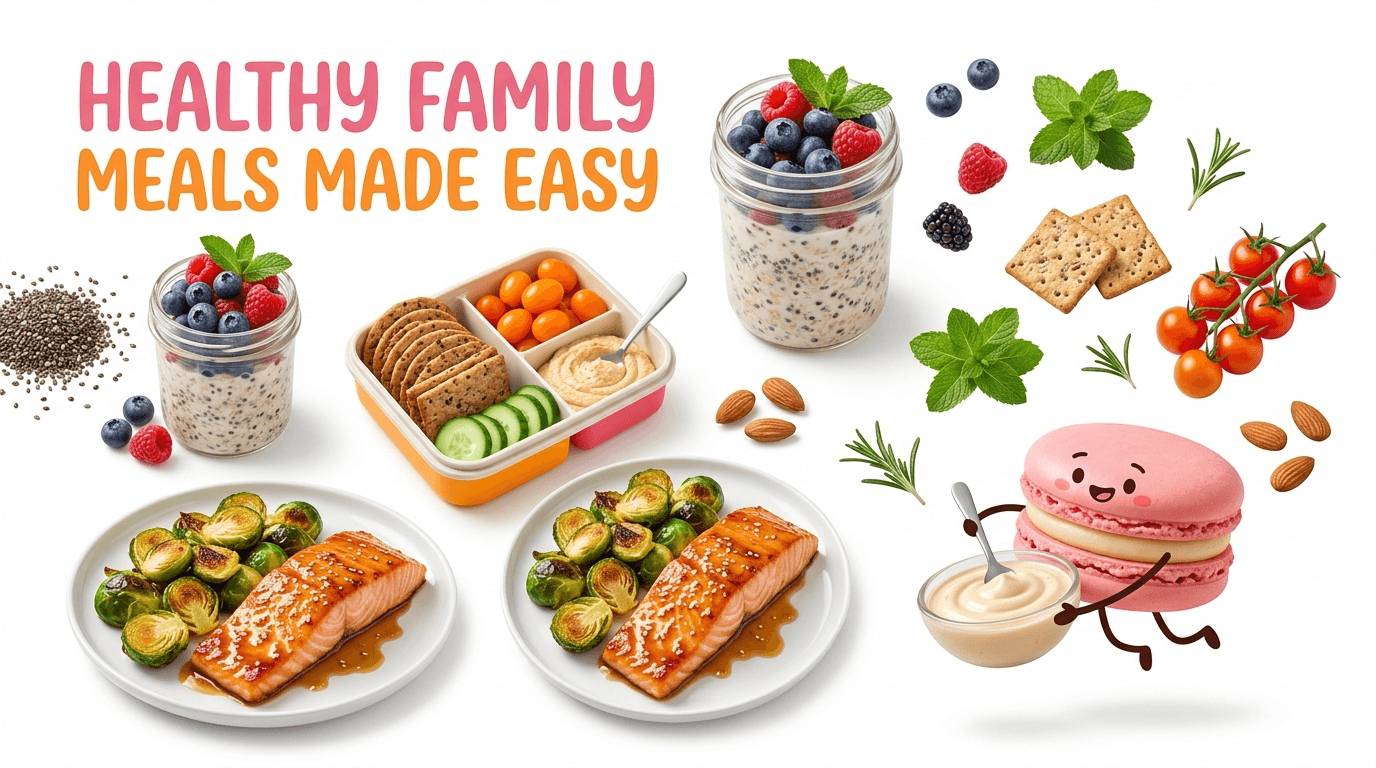
Breakfast: Make-ahead egg muffins with hidden zucchini or overnight oats with chia seeds—both freeze well. Lunch: DIY lunchables with whole-grain crackers, cheese cubes, and cherry tomatoes—kids eat 30% more veggies when assembling themselves. Dinner: One-pan lemon garlic chicken with roasted carrots and farro—minimal cleanup with maximum nutrition. Pro tip: Serve vegetables first when kids are hungriest—they'll consume 40% more according to Cornell research.
Snacks and drinks to add to a meal plan for Families
Pre-cut veggies with hummus, yogurt parfaits with granola, or apple 'donuts' (sliced apples topped with peanut butter and raisins) provide balanced energy. For drinks, citrus-infused water reduces sugary beverage consumption by 40%—keep pre-sliced lemons and cucumbers in fridge pitchers. Portable snacks like trail mix with dried fruit and nuts accommodate teen growth spurts requiring 300-500 extra daily calories.
Common mistakes when planning meals for Families
Avoid overcomplicating menus—families sticking to 5-7 rotating favorites reduce stress by 45%. Don't force 'clean plates'—research shows pressured eating creates negative associations. Instead, implement a 'no thank you bite' rule where kids try one bite without pressure. Skip separate kid meals—children exposed to family dishes are 3x more likely to accept new foods. Budget mistake: Not planning 2 meatless meals weekly saves families 22% on groceries.
How Macaron helps Families plan meals faster
Syncs with school calendars to adjust meals for late sports practices or early dismissals. Suggests pantry substitutions when ingredients run out (yogurt for sour cream) to prevent extra store trips. Generates aisle-sorted shopping lists highlighting sale items matching your plan—like alerting when $0.99/lb sweet potatoes are available. Tracks freezer inventory to remind you to use batch-cooked meals before they freezer-burn.
Family Meal Planning FAQs
Plan 4-5 dinner anchors (like Monday pasta night or Wednesday stir-fry) while leaving 2-3 flexible days for leftovers or simple meals like breakfast-for-dinner. This balance prevents burnout—families sticking to this structure reduce food waste by 28% according to USDA data. Macaron's system auto-generates alternate plans when schedules change unexpectedly, like swapping Thursday's planned meal for freezer frittatas when a late meeting pops up.
Build meals with mix-and-match components—taco bars with separate protein options, pasta stations with different sauces, or grain bowls with topping bars. Macaron flags allergens and generates parallel recipes (like vegan lasagna). Studies show this approach reduces mealtime stress by 60% while accommodating preferences—kids given choices are 40% more likely to try new foods when they can control portion sizes.
Pair one unfamiliar item with favorite dips—kids are 50% more likely to try broccoli with ranch or apples with peanut butter. Serve family-style so kids can take small portions without pressure. Research shows it takes 8-15 exposures for acceptance—track attempts with Macaron's food introduction log and celebrate small wins like touching or smelling new foods before expecting full consumption.
Yes! Flash-frozen produce retains comparable nutrients to fresh and helps reduce food waste—stock up for quick stir-fries or smoothies. Frozen veggies are pre-cut, saving 15+ minutes of prep time. Mix frozen spinach into meatballs or cauliflower rice into fried rice for stealth nutrition boosts picky eaters won't notice. USDA studies show frozen vegetables maintain vitamin levels better than fresh produce stored for 5+ days.
Our smart lists organize items by store section (produce, dairy, etc.) and highlight sale ingredients matching your meal plan—like alerting you when $0.99/lb sweet potatoes are available. Sync with delivery services for hands-off fulfillment—families using these features report 22% lower grocery bills while reducing impulse purchases. The system also suggests substitutions when preferred items are out of stock.
Double recipes on weekends and repurpose creatively—Sunday's roast chicken becomes Monday's sandwiches and Wednesday's soup. Macaron tracks your freezer inventory to prevent waste, reminding you to use batch-cooked meals within 3 months. Focus on versatile bases like shredded meats, cooked grains, and roasted veggies that work across multiple cuisines—1 batch of quinoa can become breakfast porridge, lunch salads, and dinner stir-fry.
Aim for $5-8 per person daily using bulk proteins (whole chickens instead of breasts) and seasonal produce. Macaron’s cost tracker reveals families save 22% by planning meatless meals twice weekly and using frozen veggies for 1-2 dinners. The system alerts you when sale items match your meal plan—like stocking up on $0.99/lb sweet potatoes or bulk-buying ground turkey when it's discounted.
Absolutely! Our system archives your successful menus and can recycle them automatically based on your preferences. Tag plans with descriptors like 'summer grilling' or 'winter soups' for easy retrieval. The AI learns which recipes your family prefers and suggests similar options—if everyone loved Wednesday's stir-fry, it will recommend variations with different proteins and veggies.
Read & discover
AI Personal Assistant
Free calculators


