Healthy Meal Plan for Gluten Free
Research-backed gluten-free eating guide covering safe whole foods, kitchen contamination prevention, and simple meal frameworks that prevent nutrient gaps while avoiding wheat, barley, and rye.
Meal Plan Basics for Gluten Free
Transitioning to gluten-free eating requires rewiring grocery habits beyond eliminating bread, with gluten hiding in soy sauce, spice blends, and medications. Ethnic cuisines like Thai (rice noodles), Mexican (corn tortillas), and Indian (lentil dosas) offer naturally gluten-free templates, while Mediterranean diets provide olive oil-rich vegetable dishes that avoid cross-contamination risks of shared fryers.
Nutritional gaps emerge when replacing fortified wheat products with processed gluten-free alternatives lacking iron and B vitamins. Prioritizing whole foods like quinoa (complete protein), buckwheat (rich in rutin), and amaranth (high calcium) addresses deficiencies, while batch cooking these grains with roasted vegetables creates versatile meal bases.
Cross-contamination risks extend beyond obvious sources—wooden cutting boards, scratched nonstick pans, and bulk bin scoops harbor gluten particles. Practical solutions include dedicated gluten-free zones with color-coded tools (red handles) and replacing porous kitchenware that traps flour particles even after washing.
Restaurant strategies go beyond asking about gluten-free menus: inquire whether fries share fryers with breaded items, if sauces contain hidden malt vinegar, and whether staff changes gloves. Some chains now provide digital allergen menus, while dedicated gluten-free kitchens use separate ventilation to prevent airborne flour contamination.
Social adaptation involves proactive planning—bringing gluten-free crackers to cheese boards, eating beforehand at potlucks, or suggesting sushi restaurants where tamari substitutes soy sauce. Over time, these strategies become habitual, with many finding gluten-free eating expands their culinary repertoire rather than restricting it.
How a meal plan for Gluten Free works
Gluten-free eating eliminates wheat, barley, rye, and derivatives like malt and brewer's yeast, requiring vigilance about cross-contamination in processing facilities. Beyond obvious grains, prioritize inherently safe options like black rice (higher antioxidants than white), quinoa (complete protein), and teff (iron-rich). Fresh meats, fish, and legumes provide substance, while fermented foods like kimchi support gut healing for those with celiac disease. Always verify processing methods—even naturally gluten-free oats and corn can contain traces from shared harvesting equipment.
How to build a meal plan for Gluten Free
Adopt a 'whole foods first' framework: build meals around colorful vegetables (aim for 3 hues per meal), lean proteins grilled on foil-lined pans, and certified gluten-free grains like sorghum. When reading labels, watch for hidden gluten in caramel coloring, hydrolyzed vegetable protein, and dextrin. Dining out requires specific questions—ask if taco seasoning contains wheat flour or if risotto uses barley-based broth. At home, dedicate a toaster oven exclusively for gluten-free use and replace scratched plastic containers that trap particles.

Best foods to include in a meal plan for Gluten Free
Focus on nutrient-dense whole foods: purple sweet potatoes (higher antioxidants than orange), cruciferous vegetables for fiber, and Brazil nuts for selenium. Rotate carbohydrate sources between buckwheat (despite the name, it's gluten-free), certified gluten-free steel-cut oats, and starchy vegetables like plantains. Include gut-supportive foods like coconut kefir or miso made with rice koji, particularly important for those rebuilding intestinal lining after gluten damage.
Meal plan for Gluten Free vs a balanced meal plan
While macronutrient needs remain similar, gluten-free eating requires proactive iron and B vitamin sourcing from foods like lentils, dark leafy greens, and nutritional yeast. Social dynamics shift—potlucks may require bringing your own serving utensils to prevent cross-contact, while work lunches need advance communication about gluten-free options. With careful planning using whole food bases, gluten-free diets can exceed conventional diets in antioxidant diversity from varied alternative grains and colorful produce.
Meal Planning Ideas for Gluten Free
Modular meal prep maximizes efficiency: roast trays of root vegetables (sweet potatoes, beets), cook batches of alternative grains (millet, teff), and grill proteins separately for mix-and-match bowls. This approach prevents flavor fatigue—today's quinoa becomes tomorrow's stir-fry base, while roasted chickpeas add crunch to salads or soups.
Texture substitutions maintain satisfaction: chickpea pasta holds shape better in cold salads than rice varieties, while almond flour creates superior dredging for chicken cutlets compared to all-purpose gluten-free blends. Ethnic markets often carry affordable tamarind paste (sour alternative to malt vinegar) and coconut aminos (soy sauce substitute).
Emergency kits prevent accidental exposure: single-serve nut butter packets with rice cakes, shelf-stable olives or pickles, and individually wrapped cheeses provide safe options when traveling. Many protein bars use oat fiber from shared facilities—opt for those with third-party gluten-free certification like NSF or GFCO.
Condiment contamination is frequently overlooked—shared jars of peanut butter accumulate gluten from double-dipped knives, while deli meat slicers spread particles. Solutions include squeeze bottles for condiments, personal spice jars labeled 'GF', and requesting unopened packages when ordering takeout sandwiches without bread.
Budget strategies include buying alternative flours in bulk (25lb tapioca starch), using potatoes as affordable bases for shepherd's pie or gnocchi, and repurposing leftovers—yesterday's roast chicken becomes today's arepa filling. Frozen vegetables often cost less than fresh while retaining nutrients, and dried legumes provide cheap protein when soaked overnight.
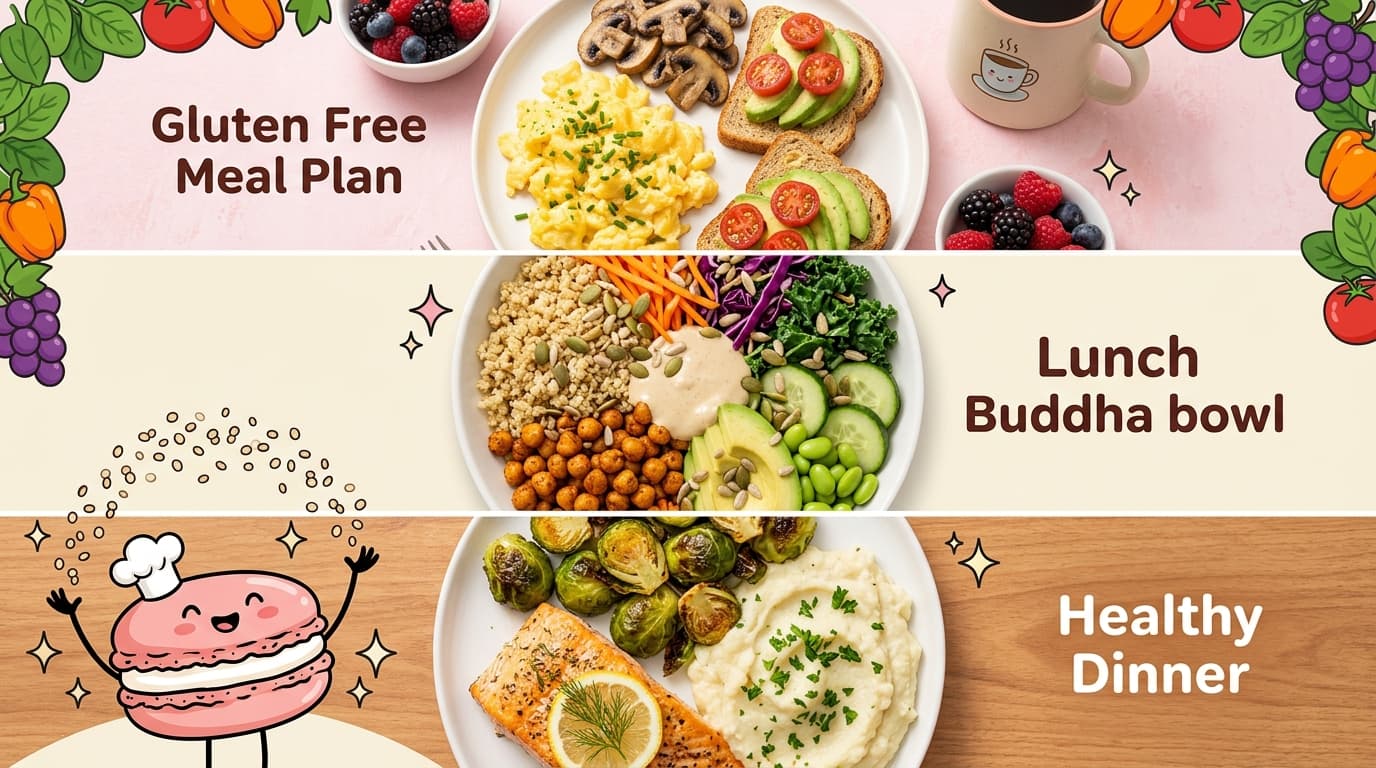
A 1-day meal plan for Gluten Free
Morning: Scrambled eggs with sautéed kale and gluten-free toast made from sorghum flour. Lunch: Nourish bowl with black rice, roasted turmeric cauliflower, avocado, and tahini-lemon dressing. Dinner: Miso-glazed cod with stir-fried bok choy and shirataki noodles. Snacks: Chia pudding with coconut milk and blueberries, or roasted seaweed snacks with macadamia nuts. This lineup provides balanced macronutrients while incorporating anti-inflammatory ingredients common in gluten-free whole food diets.
Snacks, swaps, and grocery shortcuts for a Gluten Free meal plan
Stock portable whole food snacks: individual guacamole cups with rice crackers, roasted edamame, or banana with sunflower seed butter. For quick swaps, try cassava flour tortillas for wraps, almond meal for breadcrumbs, or coconut flour in muffin recipes (requires extra eggs). Shop perimeter first for fresh foods, then seek certified gluten-free labels in center aisles—many stores now mark gluten-free items with shelf tags for easier identification.
Common meal plan mistakes on Gluten Free
Critical errors include assuming 'wheat-free' equals gluten-free (barley and rye contain gluten), overlooking cross-contamination in shared condiments like butter or jam, and relying too heavily on processed gluten-free products low in nutrients. Other pitfalls involve not checking medications for gluten binders, forgetting about malt flavoring in cereals or chocolate, and misreading labels that change formulations—always verify purchased items, as manufacturers occasionally alter recipes.
How Macaron helps you stick to a Gluten Free meal plan
Macaron streamlines gluten-free living with curated recipes using whole food ingredients, customizable shopping lists that flag potential gluten sources, and nutrition tracking to ensure you're meeting needs for iron, fiber, and B vitamins. The app's meal planner suggests balanced combinations while accounting for prep time—crucial for busy households managing dietary restrictions.
Frequently Asked Questions
Pure oats are naturally gluten-free, but most commercial varieties get cross-contaminated during growing and processing with wheat. Certified gluten-free oats test below 20ppm gluten, making them safer for most. However, about 5% of celiac patients react to avenin, an oat protein structurally similar to gluten. Introduce certified gluten-free oats cautiously after intestinal healing, starting with small portions and monitoring symptoms.
All rice varieties—white, brown, black, red, and wild—are naturally gluten-free and make excellent staples. For maximum nutrition, choose whole grain varieties like black rice (highest in anthocyanins) or red rice (rich in manganese). Exercise caution with flavored rice mixes containing hydrolyzed wheat protein or pre-seasoned products using malt flavoring. Rice flour blends work well for baking when combined with binders like xanthan gum.
Plain potatoes in all forms—white, sweet, purple—are naturally gluten-free and versatile bases for meals. Watch for additives in processed potato products: some frozen fries contain wheat-based coatings for crispness, while instant mashed potatoes may include gluten-containing preservatives. When dining out, confirm potato dishes aren't dusted with flour before roasting or fried in shared oil with breaded items.
Optimal blends combine rice flour (neutral flavor), tapioca starch (improves chew), and sorghum flour (adds protein). For every cup of gluten-free flour, add 1 teaspoon xanthan gum to mimic gluten's binding properties. Almond flour excels in moist baked goods like banana bread but requires extra eggs, while coconut flour absorbs significant liquid—use just 1/4 cup per recipe with additional binding agents. For crispy coatings, try crushed gluten-free cornflakes or potato starch.
Look for third-party certifications like GFCO (tests to 10ppm) or NSF Gluten-Free. Carefully read ingredient lists for wheat, barley, rye, malt, and their derivatives—some sneaky sources include modified food starch (unless specified as corn) and natural flavors. When uncertain, contact manufacturers directly—many now provide detailed allergen statements online. Apps like Fig scan barcodes for gluten-containing ingredients.
Yes, with precautions: Choose restaurants with dedicated gluten-free prep areas and staff trained in celiac protocols. Ask specific questions like 'Do you use separate water for boiling gluten-free pasta?' and 'Are grill surfaces cleaned before preparing my order?' Ethnic restaurants like Vietnamese (rice noodle pho) or Ethiopian (teff injera) often have naturally gluten-free bases, but confirm ingredients—some spice blends contain wheat.
Most distilled spirits (vodka, gin, whiskey) are safe since distillation removes gluten proteins, though flavored varieties may contain wheat. Wine and hard cider are naturally gluten-free, while traditional beer is off-limits unless brewed to remove gluten (look for 'gluten-reduced' testing certification). Some celiac organizations caution against oat-based gluten-free beers due to potential avenin sensitivity—stick to sorghum or rice-based options.
Symptom improvement typically begins within weeks, but complete intestinal healing takes 6-24 months for most adults with celiac disease. Strict adherence accelerates recovery—even minor exposures can restart the inflammatory process. Track non-GI symptoms like fatigue or joint pain, as these often resolve later than digestive issues. Regular follow-up with a gastroenterologist ensures proper healing through blood tests and potential repeat biopsies.
Read & discover
AI Personal Assistant
Free calculators


