Healthy Meal Plan for IBS Diet
An IBS diet reduces digestive discomfort by systematically identifying personal trigger foods while maintaining balanced nutrition. This guide combines evidence-based low-FODMAP strategies with practical meal planning techniques and symptom tracking methods.
Meal Plan Basics for IBS Diet
The low-FODMAP elimination phase improves symptoms for 75% of IBS sufferers within 2-6 weeks by reducing fermentable carbs that feed gut bacteria. Surprisingly, portion control often matters more than complete avoidance—even approved foods like sweet potatoes can trigger symptoms in large amounts. Many find keeping a detailed food-mood journal reveals subtle patterns like reactions to specific cheese types or food combinations.
Cooking methods dramatically impact digestibility—steaming carrots reduces FODMAPs by 50% compared to raw, while peeling and deseeding vegetables like zucchini removes problematic fibers. Time-saving prep includes batch roasting low-FODMAP vegetables (carrots, green beans) and freezing individual portions for quick meals. Reddit users report success with pre-cut frozen vegetables maintaining nutritional value while saving prep time.
Meal timing proves as crucial as food choices—eating smaller portions every 3-4 hours prevents system overload, while chewing 20-30 times per bite reduces digestive workload. Many IBS sufferers report better results drinking fluids between meals rather than during, as liquids can dilute digestive enzymes. The Monash University FODMAP app helps track these timing nuances with portion-controlled recommendations.
Unexpected safe foods include dark chocolate (70%+ cacao in 30g portions), sourdough spelt bread, and garlic-infused oil—these provide flavor alternatives while avoiding common triggers. Grocery shortcuts include choosing maple syrup over honey, chive greens instead of onions, and lactose-free dairy alternatives. Cleveland Clinic notes aged cheeses like cheddar often digest better than soft varieties.
The diet progresses through three phases: strict elimination (2-6 weeks), systematic reintroduction testing one food every 3 days, and personalized maintenance. Temple Health researchers emphasize the elimination phase shouldn't exceed 8 weeks to prevent nutritional gaps. Successful reintroductions often start with processed forms (onion powder vs raw onions) in quarter-servings.
How a meal plan for IBS Diet works
Focuses on reducing fermentable carbs (FODMAPs) that cause gas and bloating through three phases: elimination, reintroduction, and maintenance. During elimination, staples include white rice, lean poultry, and low-FODMAP berries—but portion control is crucial, as even safe foods can trigger symptoms in large amounts. The reintroduction phase systematically tests one food every 3 days in small amounts, often starting with processed forms like onion powder before trying raw onions.
How to build a meal plan for IBS Diet
Chew each bite 20-30 times to ease digestion and space meals 3-4 hours apart to prevent system overload. Cooking methods matter—steamed zucchini digests easier than raw, while roasted carrots have 50% fewer FODMAPs than boiled. Hydration timing helps too: sip fluids between meals rather than during to avoid diluting digestive enzymes. Prepping low-FODMAP freezer meals like carrot-ginger soup ensures safe options during busy weeks.
Best foods to include in a meal plan for IBS Diet
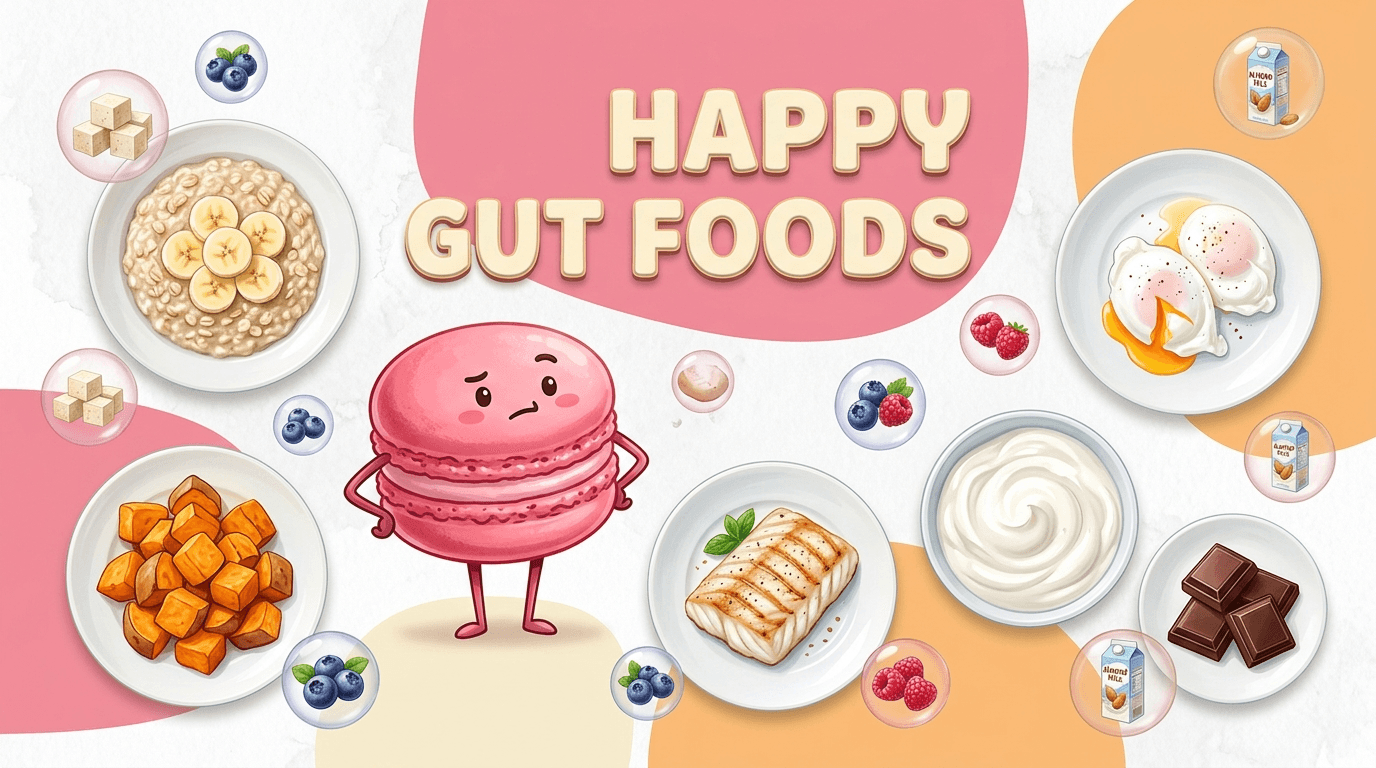
Prioritize soluble fiber sources like oatmeal and peeled sweet potatoes that regulate digestion without irritation. Gentle proteins include eggs, firm tofu, and white fish, while lactose-free dairy alternatives often work better than regular milk. Flavor boosters like small portions of dark chocolate (70%+ cacao) and sourdough spelt bread are usually well-tolerated. Monash University research highlights unexpected safe foods like canned tomatoes and artichoke hearts in controlled portions.
Meal plan for IBS Diet vs a balanced meal plan
More restrictive initially (elimination phase), then gradually reintroduces foods. Emphasizes cooking methods that improve digestibility over raw foods.
Meal Planning Ideas for IBS Diet
Batch cooking gut-friendly staples like white rice, roasted carrots, and marinated proteins saves weekday meal stress. Pre-portioned snacks (rice cakes with almond butter, pumpkin seeds) prevent reaching for problematic convenience foods. The Virginia Health System recommends cooking extra servings of low-FODMAP soups/stews for freezer meals during flare-ups.
Smart ingredient swaps maintain flavor without triggering symptoms—use maple syrup instead of honey, chive greens for onion flavor, and peeled/deseeded cucumbers. Many restaurants now accommodate low-FODMAP requests when asked, such as substituting garlic/onions with herbs or offering plain grilled proteins with white rice. Fody Foods' grocery list highlights unexpected safe items like canned tomatoes and artichoke hearts.
Common pitfalls include over-restricting calories, skipping reintroduction phases, and assuming all 'healthy' foods are safe. Even approved foods like avocado can cause issues in large portions—Monash University's app provides precise serving sizes. Franciscan Health warns against eliminating entire food groups long-term without professional guidance.
Dining out strategies include requesting modifications like plain proteins, steamed vegetables instead of salads, and avoiding creamy sauces. Clear spirits (vodka/gin with soda) typically cause fewer issues than beer or sugary cocktails. Reddit users suggest calling ahead to confirm kitchen flexibility and reviewing menus online beforehand.
Tracking tools reveal invisible patterns—some discover reactions only occur with specific food combinations or at certain times. Macaron's symptom logging can identify correlations like afternoon bloating after morning dairy. The NIDDK recommends tracking bowel movements, gas levels, and pain on a 1-10 scale to detect subtle improvements during reintroduction.
A 1-day meal plan for IBS Diet
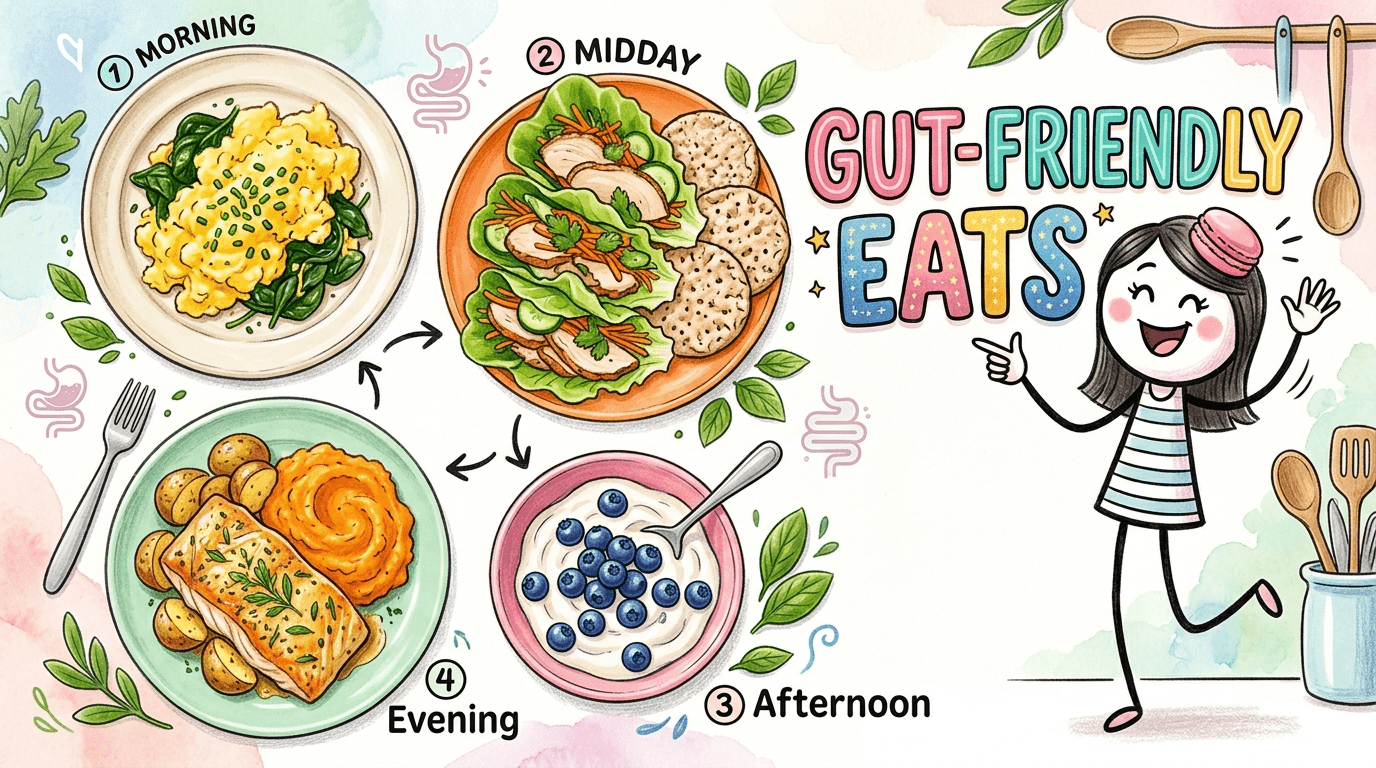
Morning: Scrambled eggs with well-cooked spinach on sourdough spelt toast. Midday: Turkey lettuce wraps with rice crackers and peeled cucumber slices. Afternoon: Lactose-free yogurt with 10 blueberries and pumpkin seeds. Evening: Ginger-marinated cod with mashed carrots and quinoa. This rotation emphasizes gentle cooking methods and avoids common triggers while providing balanced nutrition—note the strategic spacing of meals 3-4 hours apart.
Snacks, swaps, and grocery shortcuts for a IBS Diet meal plan
Stock rice cakes, pre-cooked quinoa, and canned tuna for quick low-FODMAP meals. Swap onions for chive greens, honey for maple syrup, and regular yogurt for lactose-free versions. Pre-cut frozen vegetables like green beans save prep time while maintaining low-FODMAP status. Fody Foods' grocery list recommends shelf-stable items like canned tomatoes and artichoke hearts for pantry backups during flare-ups.
Common meal plan mistakes on IBS Diet
A common mistake is staying in the elimination phase for too long and turning a short diagnostic tool into a permanent diet. Another is cutting too many foods at once, which can lower fiber, reduce calorie intake, and make symptoms harder to interpret because you lose the ability to test one variable at a time. Many people also forget that portion size matters on low-FODMAP plans, so a food that works in a small serving can still cause bloating in a larger bowl. The safer pattern is to reintroduce foods methodically, keep hydration steady, and track both meals and stress rather than blaming every flare on one ingredient.
How Macaron helps you stick to a IBS Diet meal plan
Macaron turns symptom tracking into something you can actually use day to day instead of a pile of disconnected notes. You can log meals, bowel changes, stress, and timing in the same place, which makes it easier to spot patterns such as onion-heavy lunches causing evening bloating or dairy working in small servings but not large ones. The planner also suggests low-FODMAP swaps for common meals, so you can replace a trigger food without rebuilding the whole week from scratch. That is especially helpful during reintroduction, when consistency matters more than trying random fixes every few days.
Frequently Asked Questions
After 4-8 weeks of elimination, most people successfully reintroduce some triggers in controlled amounts—start with 1/4 servings of one food every 3 days while tracking symptoms. Processed forms often tolerate better than raw; onion powder may work when raw onions don't. The goal isn't permanent avoidance but building a personalized 'yellow light' list of foods you can enjoy in moderation, like small portions of avocado or specific cheeses.
Most notice changes within 2-3 weeks, but full symptom relief can take 6 weeks as gut bacteria adjust. Track daily using a 1-10 scale for bowel movements, gas, and pain—some experience temporary bloating during this transition. The Virginia Health System notes improvements often appear faster when combining dietary changes with stress management techniques like deep breathing exercises.
Only celiac sufferers need strict gluten avoidance—for most IBS cases, wheat's fructans (a FODMAP) are the real issue. Authentic sourdough bread's long fermentation breaks down some problematic compounds, making it a better option than quick-rise versions. Monash University research shows spelt sourdough often digests better than wheat varieties, especially when toasted.
Clear spirits like vodka or gin with soda water are lowest-risk options—avoid beer (high in fermentable sugars) and sugary mixers. Have alcohol with food to slow absorption, limiting to 1 drink with 2 alcohol-free days weekly. Some discover specific alcohols trigger symptoms while others don't; tracking reactions helps identify personal thresholds. Reddit users report better tolerance when avoiding carbonated mixers.
Specific strains like Bifidobacterium may help, but effects vary—start with small doses and monitor symptoms for 2-3 weeks. Fermented foods aren't automatically IBS-friendly; Temple Health researchers note sauerkraut often causes issues despite probiotic content. The NIDDK recommends choosing refrigerated probiotics with studied strains rather than shelf-stable varieties for maximum potency.
Stress changes gut motility, pain sensitivity, and even how strongly you notice normal digestion, so symptoms can flare even when the food itself is reasonable. That is why some people tolerate the same lunch on a calm Saturday but react to it during a deadline-heavy workday. A better IBS plan combines food structure with routines that lower stress load, such as slower meals, short walks, breathing exercises, or a calmer eating environment. Tracking stress beside meals helps you tell the difference between a true trigger food and a stressful context.
Yes. Macaron works best when you use it to log what you ate, how much you ate, when symptoms appeared, and what else was happening that day. That kind of timeline can reveal patterns that are easy to miss, such as symptoms after large portions of avocado, repeated bloating after rushed lunches, or better tolerance when meals are smaller and spaced out. Instead of guessing, you get a cleaner shortlist of foods and habits worth testing during reintroduction. That makes the plan more personal and usually more sustainable than following a generic IBS food list forever.
The full elimination phase is not meant to be permanent. Most clinicians use it for a limited stretch, then move into reintroduction so you can build a broader maintenance plan and avoid unnecessary restriction. Long-term success usually comes from identifying your personal tolerance level for categories like lactose, onion, garlic, or certain fruits rather than avoiding every possible trigger forever. If the diet starts shrinking your food variety, calorie intake, or social eating options, that is a sign to widen the plan with professional guidance.
Read & discover
AI Personal Assistant
Free calculators


