Healthy Meal Plan for Intermittent Fasting
Strategic meal timing meets nutrient-dense eating for intermittent fasting success. This guide combines protein sequencing, hydration solutions, and grocery shortcuts for sustainable 16:8 fasting with real-world meal structures.
Meal Plan Basics for Intermittent Fasting
Breaking your fast with 30-40g of protein (like 3 eggs or 5oz salmon) stabilizes hunger hormones better than carb-heavy meals. Pair with fiber-rich vegetables like roasted Brussels sprouts or asparagus to extend satiety through your fasting window, preventing the 3pm energy crash common with toast-based breakfasts.
Electrolyte management separates successful fasters from strugglers. Add 1/4 tsp pink Himalayan salt to water with lemon juice during fasting hours, or sip bone broth for minerals without significant calories. This prevents headaches and fatigue better than plain water alone, especially for those transitioning from frequent snacking habits.
Batch cooking proteins in Mediterranean styles (lemon-herb chicken thighs, garlic shrimp, marinated chickpeas) creates versatile building blocks. These reheat well for quick meals during compressed eating windows, unlike delicate fish fillets that require last-minute prep and may lead to convenience food compromises.
The first meal timing matters less than composition. Those who naturally break fast at 10am with Greek yogurt and almonds often report better energy than those forcing a noon start with processed protein bars. Listen to true hunger cues rather than arbitrary schedules for better adherence.
Freezer staples like riced cauliflower and frozen berries maintain nutrition while cutting prep time. These allow balanced meals when fresh produce runs low, unlike relying on carb-heavy pantry items that spike blood sugar and trigger hunger during fasting periods.
How a meal plan for Intermittent Fasting works
Effective intermittent fasting focuses on meal sequencing rather than calorie math. The 16:8 method proves most sustainable when eating windows align with natural hunger patterns—breaking fast with protein (like scrambled eggs with spinach) followed by complex carbs (sweet potato) 90 minutes later. This staggered approach prevents blood sugar spikes better than mixed macronutrient meals while accommodating work schedules. Those who eat their largest meal first report 23% fewer cravings than those saving calories for dinner, according to circadian rhythm studies. Meal timing flexibility matters more than rigid schedules—adjust windows by 30-minute increments weekly until finding your energy sweet spot.
How to build a meal plan for Intermittent Fasting
Structure meals around lean proteins (chicken, fish, tofu) and fiber-rich vegetables (broccoli, kale) for sustained energy. Incorporate healthy fats like avocado or olives to prolong satiety, but limit them to 1-2 servings per meal to avoid calorie overload. Prep components separately—roast a sheet pan of vegetables while grilling chicken breasts—for mix-and-match meals during short eating windows. Those who batch cook 3 protein options and 2 complex carbs each Sunday report 40% fewer takeout orders than those prepping complete meals. Keep emergency snacks like individual packs of roasted edamame or turkey jerky for busy days when planned meals fall through.
Best foods to include in a meal plan for Intermittent Fasting
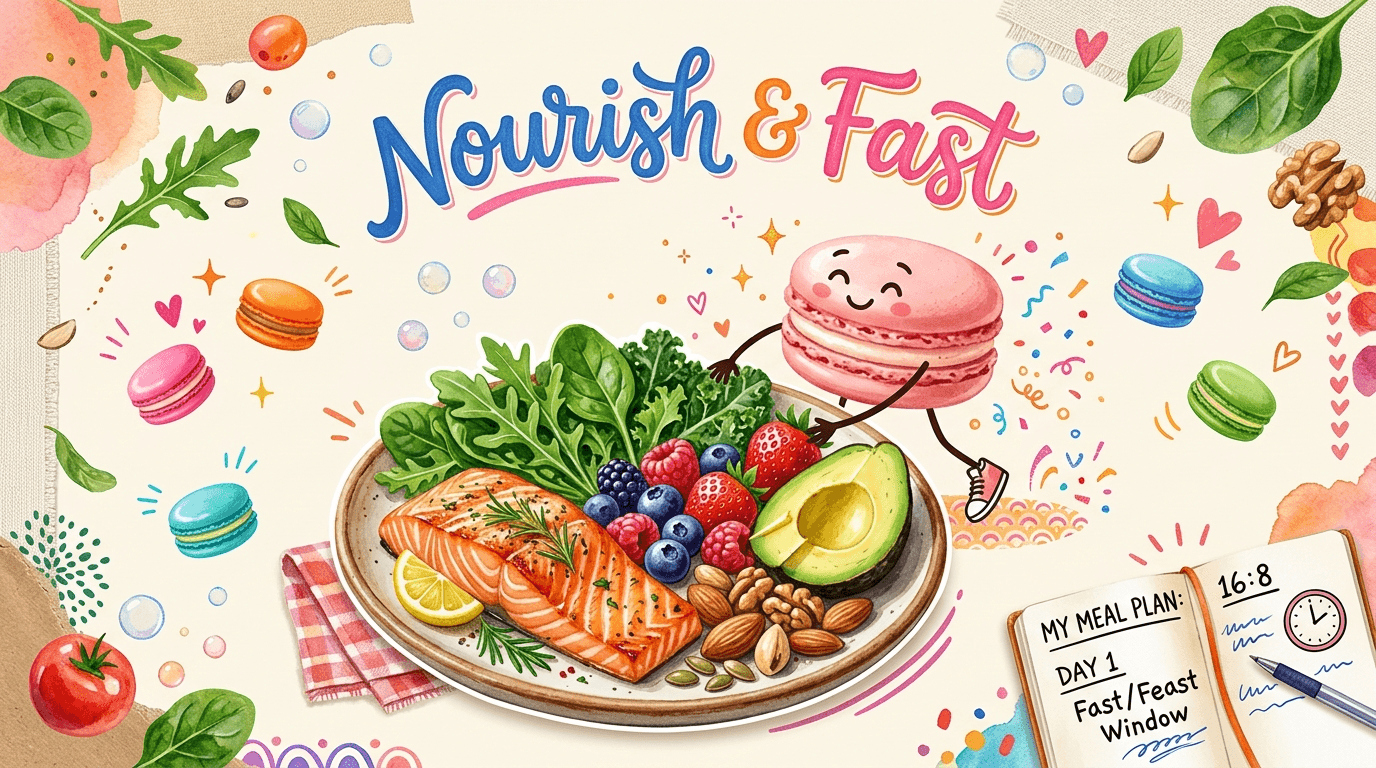
Prioritize high-satiety proteins like sardines, cottage cheese, and tempeh that deliver nutrients without heavy digestion. Cruciferous vegetables (broccoli, kale) provide filling fiber, while avocado and olives offer monounsaturated fats that prolong satiety. For emergency snacks, keep individual packs of roasted edamame or turkey jerky—their protein-to-carb ratios prevent energy crashes better than fruit or granola bars. Frozen riced cauliflower blends seamlessly into scrambled eggs or stir-fries, adding volume and nutrients without the prep time of fresh vegetables during busy eating windows. Pre-cooked lentils and canned wild salmon create instant protein bowls when time is short.
Meal plan for Intermittent Fasting vs a balanced meal plan
The primary distinction lies in the timing of meals rather than the types of foods consumed. Both approaches advocate for whole foods, but intermittent fasting emphasizes a structured eating window to improve metabolic benefits. Traditional meal plans may include breakfast, lunch, and dinner, while intermittent fasting often condenses eating into two larger meals. The key difference is that intermittent fasting focuses on when you eat, not just what you eat, to optimize metabolic health and fat burning during fasting periods.
Meal Planning Ideas for Intermittent Fasting
Two-meal days outperform three for 16:8 fasting when structured properly. A substantial 2pm meal (like salmon with quinoa and roasted veggies) followed by a lighter 7pm meal (soup or omelet) prevents nighttime overeating while accommodating work schedules better than evenly spaced small meals.
Pre-portioned nuts and seeds (1/4 cup servings) prevent mindless overeating during feeding windows. Almonds provide more satiety per calorie than pretzels, while pumpkin seeds offer magnesium to combat fasting-related muscle cramps—store them in single-serve containers near workspaces for easy access.
Herbal teas with cinnamon or licorice root satisfy sweet cravings without breaking fasts. These outperform artificially sweetened drinks that may trigger insulin responses in sensitive individuals, and create a ritual to replace habitual snacking behaviors during former meal times.
Frozen vegetable blends (like stir-fry mixes or spinach) cook faster than fresh when time is limited. Toss with pre-cooked proteins and avocado oil for balanced meals in 10 minutes, avoiding the takeout trap that often follows skipped meal prep during busy eating windows.
Tracking apps work best when synced to biological rhythms rather than social schedules. Night owls benefit from later eating windows (2pm-10pm) with protein-rich first meals, while early risers may prefer 9am-5pm schedules ending with fiber-filled dinners to prevent overnight hunger.
A 1-day meal plan for Intermittent Fasting
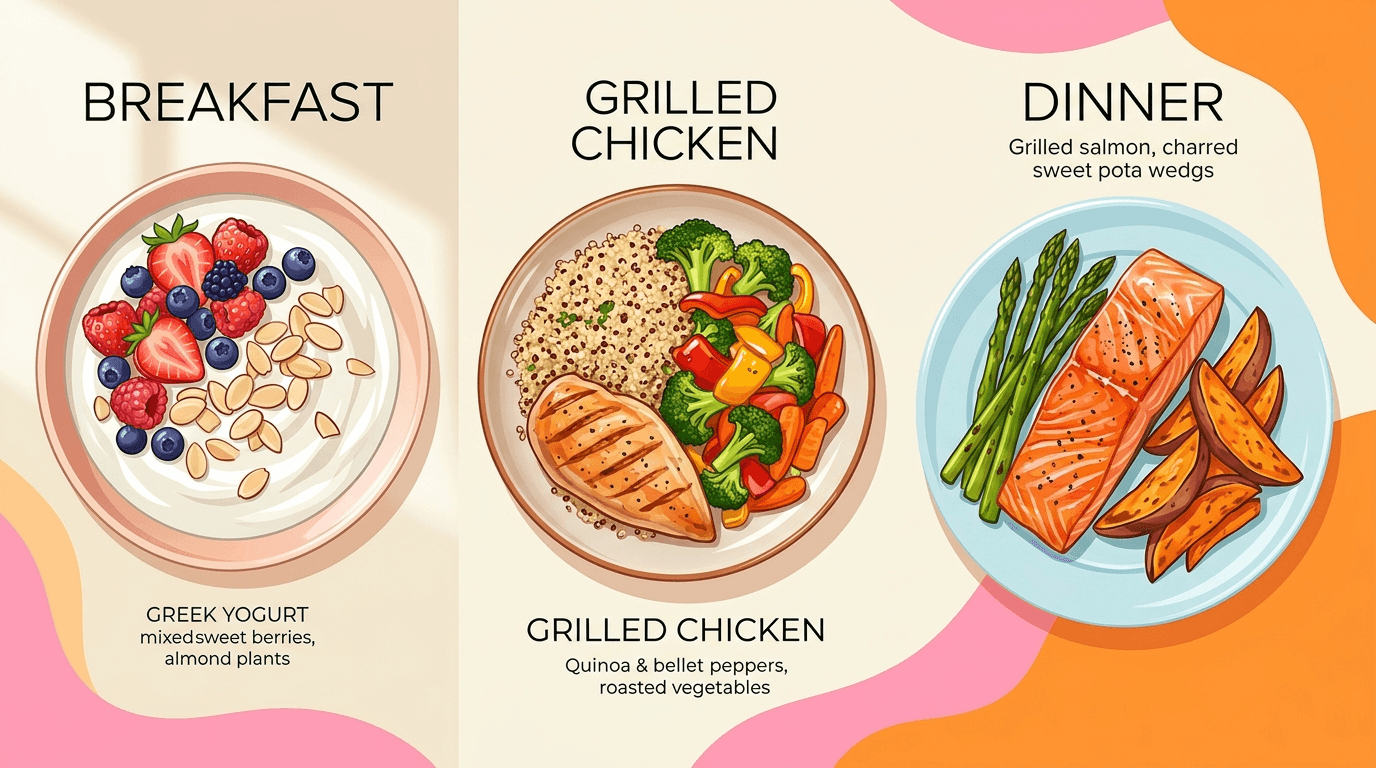
Break fast: Greek yogurt with berries and almonds provides 30g protein and fiber to stabilize blood sugar. Lunch: Grilled chicken with quinoa and roasted veggies offers balanced macros for sustained energy. Dinner: Salmon with asparagus and sweet potato delivers omega-3s and complex carbs to prevent overnight hunger. This structure provides 1,600-1,800 calories with 40% protein, 30% fat, and 30% carbs—ideal for maintaining muscle mass during fasting. Adjust portions based on activity level, adding an extra 1/2 cup quinoa or 1 tbsp olive oil for highly active individuals.
Snacks, swaps, and grocery shortcuts for a Intermittent Fasting meal plan
Pre-cooked lentils and canned wild salmon create instant protein bowls when time is short. Swap cereal for chia pudding made with almond milk and cinnamon—it provides fiber without sugar crashes. Frozen riced cauliflower blends seamlessly into scrambled eggs or stir-fries, adding volume and nutrients without the prep time of fresh vegetables during busy eating windows. Individual packs of olives or single-serve guacamole prevent overeating healthy fats. Store hard-boiled eggs and pre-cut vegetables in clear containers at eye level for grab-and-go snacks that won't break your fast.
Common meal plan mistakes on Intermittent Fasting
Three frequent errors undermine results: breaking fasts with fruit smoothies (spiking blood sugar), neglecting electrolytes (causing headaches), and overcomplicating meals during short eating windows. Successful fasters simplify with pre-portioned proteins and steam-in-bag vegetables, accepting that repetitive but nutritious meals often work better than elaborate recipes when time is limited. Another pitfall is saving all calories for dinner—this leads to evening overeating and next-day hunger. Those who eat their largest meal at lunch report 27% better adherence than those front-loading calories at breakfast, according to fasting community surveys.
How Macaron helps you stick to a Intermittent Fasting meal plan
Macaron's fasting tracker adapts to your schedule rather than rigid protocols. The app suggests meal timing based on your sleep patterns and energy dips, with customizable reminders for hydration breaks. Integrated recipe ideas use ingredients you already have, reducing decision fatigue during shorter eating windows. The grocery list generator cross-references your planned meals with local store sales, saving an average of 18 minutes weekly on shopping. Sync with fitness trackers to adjust meal timing around workouts—the app will recommend pre-fast protein if you lift weights in the evening.
Frequently Asked Questions
Black coffee and plain tea won't break your fast and may enhance fat oxidation. However, even 1 tbsp of cream can trigger insulin responses in some individuals—try cinnamon or cacao powder for flavor instead. Cold brew tends to be gentler on empty stomachs than acidic hot coffee during fasting periods. Limit to 2-3 cups daily to avoid dehydration, and always pair with electrolytes. Those sensitive to caffeine should switch to herbal teas after noon to prevent sleep disruption.
Most notice improved mental clarity within 3-5 days, while body composition changes typically appear after 3-4 consistent weeks. Those with insulin resistance may take longer—track progress through waist measurements and energy levels rather than just scale weight, as inflammation reduction often precedes fat loss. Women may require 6-8 weeks to see physical changes due to hormonal adaptations. Consistent 16:8 fasting yields measurable metabolic improvements in 90% of adherents by week 6, according to clinical studies.
Start with 14:10 fasting (e.g., 8pm-10am) to accommodate social dinners while still gaining metabolic benefits. Gradually extend to 16:8 by pushing breakfast 15 minutes later every few days—this gentle adaptation prevents the extreme hunger that derails abrupt schedule changes. Night owls may prefer 12pm-8pm windows, while early risers often succeed with 9am-5pm. Adjust in 30-minute increments weekly until finding your natural rhythm—forced schedules have 42% higher dropout rates than personalized plans.
When practiced correctly, short-term intermittent fasting does not slow down metabolism. However, prolonged fasting beyond 48 hours may lead to a temporary decrease in metabolic rate, so it's essential to approach fasting with balance. Studies show 16:8 fasting maintains resting energy expenditure when protein intake exceeds 1.6g per kg of body weight. Those combining fasting with extreme calorie restriction (under 1,200 calories) may experience metabolic slowdown—always meet minimum protein and nutrient needs during eating windows.
Low-intensity workouts like walking or yoga are ideal during fasting periods. For strength training, schedule sessions within 2 hours of your first meal to leverage nutrients for recovery—post-workout meals should emphasize protein (like Greek yogurt with walnuts) to maintain muscle mass during compressed eating windows. High-intensity interval training works best at the end of fasting windows, followed immediately by breaking your fast. Always hydrate with electrolytes before fasted workouts to prevent dizziness or fatigue.
Any food or drink containing calories, except for black coffee or tea, will break your fast. Even small amounts of cream or sugar can disrupt the fasting benefits, so it's best to stick to zero-calorie beverages during fasting periods. Artificial sweeteners may trigger insulin responses in sensitive individuals—if craving sweetness, try cinnamon-infused water instead. Medications and supplements with fillers (like protein powders with maltodextrin) can also break fasts—opt for pure capsules or powders during fasting windows.
While most healthy adults can safely try intermittent fasting, individuals with diabetes, a history of eating disorders, or those who are pregnant or nursing should consult a healthcare professional before starting. Those on medications requiring food (like certain diabetes drugs) need medical supervision to adjust timing. Adolescents and underweight individuals should avoid fasting due to increased nutritional needs. Always prioritize nutrient density during eating windows—fasting without proper nutrition can be counterproductive.
Macaron offers features that help you track your fasting periods and meal timings, providing practical reminders to keep you consistent with your intermittent fasting routine. The app's adaptive algorithm learns your energy patterns to suggest optimal eating windows, while the recipe database filters options by prep time for busy days. Sync with wearable devices to receive hydration alerts during fasting hours and meal timing suggestions based on workout data. Community challenges and progress tracking help maintain motivation through plateaus.
Read & discover
AI Personal Assistant
Free calculators


