Healthy Meal Plan for Older Adults
Practical meal solutions balancing senior nutrition needs with preparation ease—featuring soft food adaptations, appetite-boosting plating techniques, nutrient-dense one-pot recipes, and automated portion adjustments for changing metabolisms.
Meal Plan Basics for Older Adults
Metabolic changes after 60 require strategic nutrition balancing—while calorie needs drop 15-20%, protein requirements increase by 50% to prevent sarcopenia. Studies show seniors consuming 25-30g protein at breakfast (like microwaved egg bites with cheese or Greek yogurt oatmeal) maintain better muscle mass than those skipping morning meals. Practical protein boosts include adding collagen peptides to coffee or blending silken tofu into smoothies for effortless nutrition.
Texture adaptation benefits from combining safety with sensory appeal—roast vegetables in broth until fork-tender but retain shape, while chia pudding with almond butter offers varied mouthfeel. For crunch cravings, try puffed rice cereal softened in milk or steam-then-roast carrot coins until slightly firm. Reddit caregivers report success with 'texture stations'—separate bowls of mashed, soft-chew, and liquid options at each meal.
Smaller, frequent meals better accommodate reduced stomach capacity—try 'meal component prep' with pre-portioned proteins (shredded chicken, salmon patties), cooked grains, and soft vegetables for easy mixing. A grazing day might include mini frittatas at 8am, tuna salad on rye crackers at 11am, and lentil soup at 2pm, totaling 5-6 small meals. Batch cooking 3-4 protein bases on Sundays reduces daily effort while maintaining variety.
Hydration strategies must overcome diminished thirst signals—herbal iced teas with citrus slices provide flavor without caffeine, while watermelon cubes offer fluid content with natural sweetness. For medication interactions, coconut water popsicles or frozen grapes boost electrolytes discreetly. Avoid plain water with meals—broth-based soups or yogurt sauces simultaneously address fluid intake and dry mouth issues.
Mobility-friendly kitchen hacks include pre-chopped frozen mirepoix (onion/carrot/celery) for quick soups, canned wild salmon (softer and higher in omega-3s than tuna), and microwaveable grain packets. Caregivers on Reddit recommend 'sauce cycling'—batch cooking versatile bases like marinara or curry sauce to repurpose with different proteins throughout the week.
What a healthy meal plan for Older Adults looks like
Prioritize tender proteins like slow-cooked pot roast or flaky baked cod that require minimal chewing effort—aim for palm-sized portions (3-4oz) at each meal. Incorporate healthy fats through olive oil-roasted zucchini or avocado mash on whole grain toast, providing calorie density without bulk. Cooked fruits like poached pears retain nutrients while being gentler than raw alternatives. Always include moisture-rich components: broth-based soups combat dry mouth, while yogurt-based sauces add protein. Reddit caregivers note success with 'saucy bowls' combining these elements—think shredded chicken over quinoa with roasted vegetables and tahini dressing.
How to build a meal plan for Older Adults
Anchor each meal with 25-30g protein through combinations like 2 eggs + 1/4 cup ricotta or 3oz salmon + 1/2 cup Greek yogurt. Build around these with soft starches (mashed cauliflower with cheese, oatmeal with ground flaxseed) and well-cooked vegetables—roast trays of chicken thighs and vegetables on Sunday for easy repurposing. The NIA recommends 'component cooking': prepare bases like shredded meats, cooked grains, and roasted veggies separately for flexible mixing. For those with small appetites, add calorie boosts by drizzling olive oil on vegetables or blending nut butter into smoothies.
How a meal plan for Older Adults differs from a general adult plan
Senior nutrition requires 1-1.2g protein per kg of body weight to combat sarcopenia, plus increased calcium/vitamin D for bone health—think salmon patties with dill sauce or fortified dairy. Portion sizes decrease 20-30% while nutrient density must increase: swap white rice for quinoa to add protein and fiber. Meal timing shifts toward 5-6 smaller feedings to accommodate reduced stomach capacity—studies show seniors eating protein-rich breakfasts within 30 minutes of waking maintain better muscle mass. Texture modifications become crucial, with successful plans incorporating varying mouthfeels within safe parameters.
Best foods to include in a meal plan for Older Adults
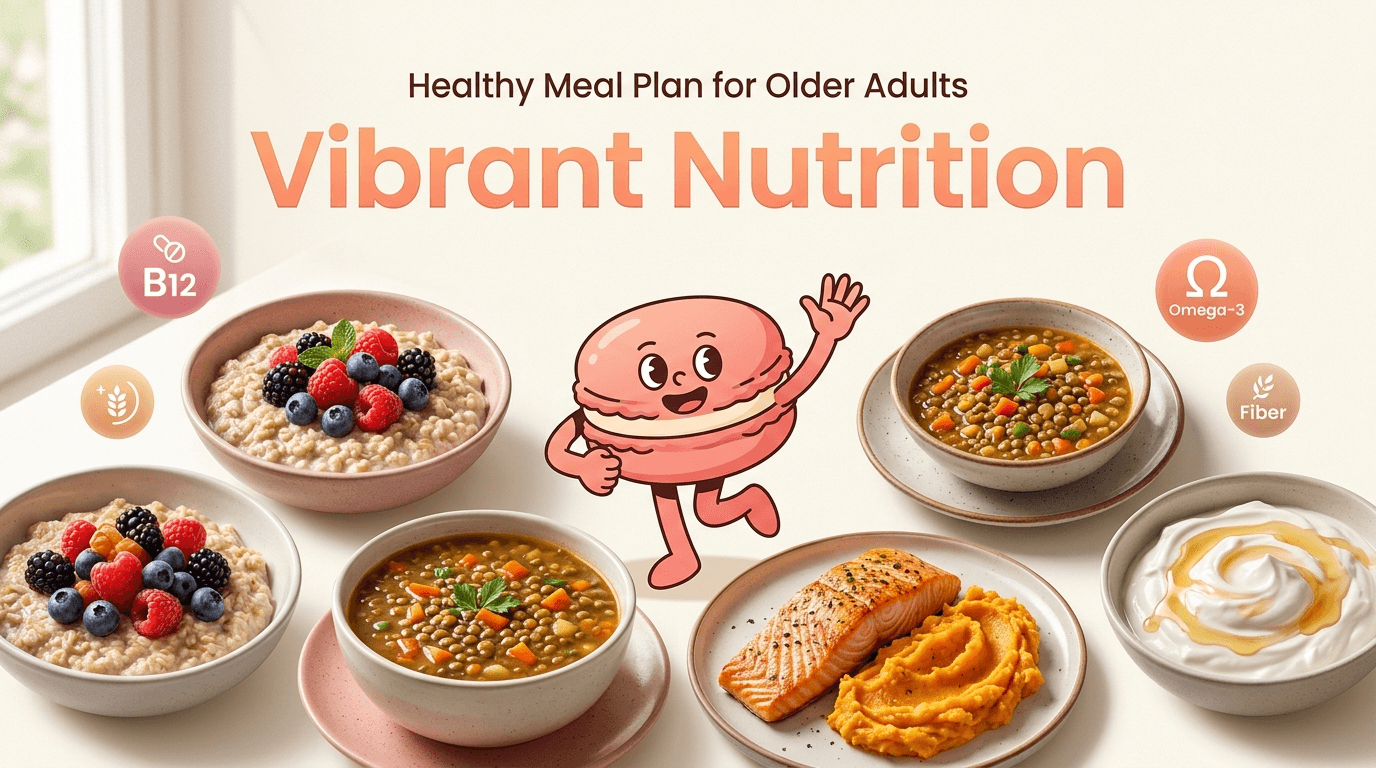
Top choices include salmon patties with dill sauce (omega-3s + protein), roasted vegetable lasagna with ricotta (calcium + lycopene), and oatmeal with ground flaxseed (fiber + healthy fats). For snacks, cottage cheese with pineapple chunks (bromelain aids digestion) or hummus with steamed carrot coins provide maximum nutrition with minimal chewing. The NCOA recommends 'superfoods' like eggs (choline for brain health), berries (antioxidants), and leafy greens (vitamin K)—steam or sauté greens with garlic for easier chewing. Always have ready-to-eat options like hard-boiled eggs or individual yogurt cups for low-energy days.
Meal Planning Ideas for Older Adults
Breakfast efficiency combines nutrition with minimal effort—blender pancakes with cottage cheese and banana freeze well for reheating, while overnight oats with chia seeds and almond butter deliver 15g protein without cooking. Pre-portioned smoothie bags (spinach, frozen berries, whey protein) allow grab-and-go nutrition, especially useful when medications cause morning nausea.
Lunch solutions balance convenience with nutrient density—swap mayo in tuna salad for mashed avocado enriched with olive oil, served on whole grain pita for easy handling. Jarcar meals (dry lentils, spices, freeze-dried veggies) just need hot water added, solving both preparation fatigue and portion control issues common among older adults. Add pre-steamed vegetable coins for color and crunch.
Dinner adaptations focus on one-pot meals that improve with reheating—braised chicken thighs become more tender overnight, while sheet pan salmon with asparagus cooks in 15 minutes. Slow cooker beef stew with parsnips allows morning prep for evening tenderness, with leftovers easily repurposed into shepherd's pie or pasta sauce. Always include a sauce component to combat dry mouth.
Strategic snacks address specific nutrient gaps—ricotta with honey and walnuts provides calcium, protein, and omega-3s, while almond-stuffed dates deliver magnesium for bone health. Pre-portioned snack boxes (cheese cubes, steamed carrot coins, whole grain crackers) prevent overeating while ensuring consistent intake. For sweet cravings, try dark chocolate-dipped banana slices frozen for portion control.
Medication-aware meal planning flags interactions like grapefruit with statins, while auto-adjusting recipes for single servings or batch cooking. The system identifies common deficiencies (B12, potassium) suggesting swaps like mashed sweet potatoes for white potatoes or adding nutritional yeast to soups. Caregiver mode includes chew-time estimates and flags tough textures like raw apples.
Breakfast, lunch, and dinner ideas for Older Adults
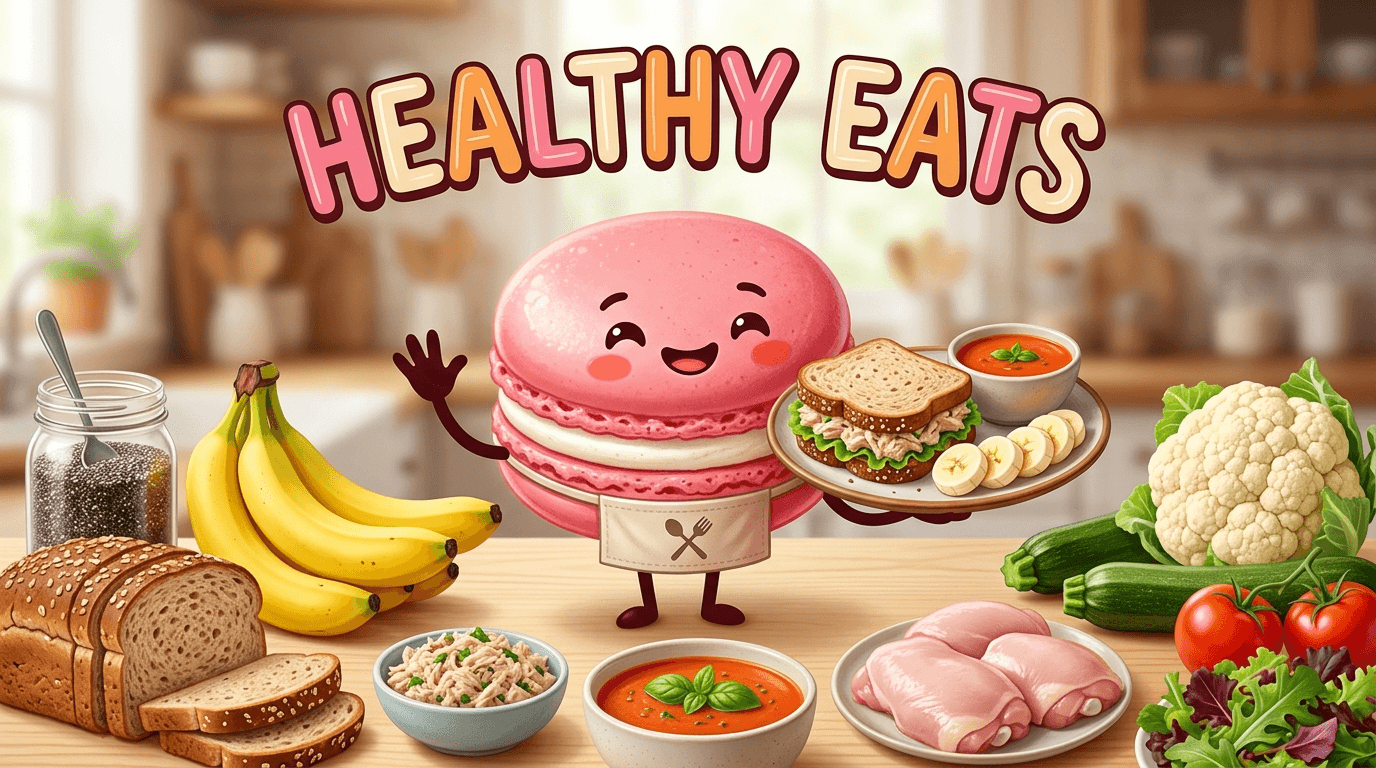
Morning: Spinach-feta omelet with roasted tomatoes (cook in muffin tins for grab-and-go portions). Noon: Tuna niçoise salad with soft-boiled eggs and steamed green beans (pre-mix dressing separately to prevent sogginess). Evening: Beef stew with mashed parsnips (slow cooker for tenderness). Repurpose leftovers creatively—stew becomes shepherd's pie topping or pasta sauce. Reddit users recommend 'theme nights' like Meatball Monday (variations with turkey, beef, or lentil bases) to simplify planning while maintaining variety through sauces and sides.
Snacks and drinks to add to a meal plan for Older Adults
Nutrient-packed nibbles include almond butter on banana slices (potassium + healthy fats), chia pudding with mango (fiber + vitamin C), and deviled eggs with paprika (protein + selenium). For hydration, cucumber-mint infused water or warm bone broth with lemon aid absorption. The CDC recommends avoiding unpasteurized juices—opt for homemade popsicles with coconut water and berries instead. Pre-portion snacks in 100-150 calorie packs (like 10 almonds + cheese cube) to prevent overeating while ensuring consistent intake between meals.
Common mistakes when planning meals for Older Adults
Avoid overly restrictive diets—studies show seniors on very low-fat plans often miss protein targets. Skipping protein at breakfast accelerates muscle loss—even a Greek yogurt with granola helps. Monotonous meals reduce intake—rotate through 3-4 sauce bases (marinara, curry, pesto) with different proteins. The NIA warns against assuming soft foods must be bland—roast vegetables until tender but flavorful, or add herbs to mashed potatoes. Caregivers report texture variety keeps meals appealing—include some soft-crisp items like well-steamed green beans alongside purees.
How Macaron helps Older Adults plan meals faster
Automatically adjusts portion sizes down 20-30% while increasing nutrient density—like swapping white rice for quinoa in suggested recipes. Flags medication interactions (grapefruit with statins) and textures requiring long chew times. Generates shopping lists organized by grocery sections, highlighting sales on staples like canned salmon or frozen veggies. Caregiver mode includes batch-cooking alerts ('triple this stew recipe for 3 meals') and repurposing suggestions (turn leftover chicken into sandwiches or salad topping). Nutrition reports track weekly averages for key senior nutrients like protein, calcium, and fiber.
Frequently Asked Questions
Sedentary seniors typically require 1,600-1,800 calories, while active individuals may need up to 2,200. The key is maximizing nutrients within these limits—a 300-calorie meal of salmon with quinoa and roasted zucchini delivers more value than a pastry. Studies show seniors consuming protein-rich breakfasts within 30 minutes of waking maintain better muscle mass. Macaron automatically scales recipes to individual targets while ensuring 25-30g protein per meal and 25-30g daily fiber—critical for aging metabolisms.
Vitamin D (for calcium absorption), B12 (for nerve function), and potassium (for blood pressure) show significant age-related absorption declines. Fatty fish like salmon provides all three, while fortified dairy offers calcium and D. Many seniors benefit from targeted supplementation—but consult a doctor first, as vitamin K (in leafy greens) interacts with blood thinners, and excess calcium may cause kidney stones. The NIA recommends testing levels annually—deficiencies often develop subtly.
Use colorful plates (red/yellow stimulate appetite best) and aromatic herbs like rosemary. Serve smaller portions in ramekins—a 4oz chicken pot pie in a small dish appears more manageable than on a dinner plate. Warm foods to 140°F before serving to enhance aromas. Social dining boosts intake—studies show seniors eat 28% more when sharing meals. The NCOA recommends 'appetite triggers' like serving a favorite food first to stimulate hunger signals.
When properly balanced, smoothies can serve as complete meals—blend 1 cup kefir (probiotics + protein), 1 tbsp almond butter (healthy fats), 1/2 cup blueberries (antioxidants), and spinach (iron) for a 350-calorie nutrient bomb. Add collagen peptides for joint support without altering texture. For swallowing difficulties, thicken with avocado or banana to achieve nectar-thick consistency recommended by speech therapists. Avoid fruit-only blends—always include protein and healthy fats for sustained energy.
Prioritize soft, high-quality proteins: eggs (soft-scrambled or poached), flaky fish like cod, slow-cooked meats, and dairy (Greek yogurt, ricotta). For plant-based options, try silken tofu blended into soups or lentil patties with egg binders. The Academy of Nutrition and Dietetics recommends spreading intake across meals—aim for 25-30g per meal through combinations like 2 eggs + yogurt or 3oz chicken + beans. Softer preparation methods (braising, poaching) improve digestibility.
Generates shopping lists organized by grocery sections and flags sale items on senior staples like canned salmon or frozen veggies. Recipe suggestions account for time constraints—15-minute sheet pan dinners or slow cooker meals with repurposing instructions. Nutrition reports show weekly averages for key nutrients like protein and fiber, with alerts for potential deficiencies. Caregiver mode includes medication interaction checks and texture flags for chewing difficulties.
Limit processed meats and sugary snacks which offer poor nutrient density. The CDC advises seniors avoid unpasteurized dairy/cheeses, raw sprouts, and undercooked eggs due to infection risks. Very hard (raw carrots) or sticky foods (peanut butter alone) may pose choking hazards—steam hard veggies until fork-tender and spread nut butters on toast. Alcohol interacts with many medications—opt for herbal teas or flavored sparkling waters instead.
Aim for 2-3 servings weekly of fatty fish like salmon or mackerel for omega-3s that support heart and brain health. Baking or grilling yields tender textures—avoid fried preparations which are harder to digest. For those who dislike fish, try salmon patties with dill sauce or blend canned sardines into pasta sauces. The NIA notes even one weekly serving shows cognitive benefits compared to none.
Read & discover
AI Personal Assistant
Free calculators


