Healthy Meal Plan for People With Diabetes
Practical meal planning strategies that help balance blood sugar with satisfying foods - featuring carb-smart swaps, budget-friendly staples, and timing tricks that work in real life.
Meal Plan Basics for People With Diabetes
Carb distribution proves more effective than elimination for diabetes management, with most nutritionists recommending 45-60g per meal spaced evenly. Testing reveals surprising individual variations - some tolerate sweet potatoes better than brown rice, or handle berries better than bananas. Reddit users report success with 'template meals' like Greek yogurt with nuts for breakfast to reduce decision fatigue while maintaining consistency.
The diabetes plate method simplifies portion control visually: half non-starchy vegetables (like broccoli or zucchini), one quarter lean protein (chicken, tofu), and one quarter quality carbs (quinoa, beans). Budget shoppers find frozen vegetables and canned tuna deliver steady energy without spikes, proving specialty 'diabetic' foods aren't necessary. Meal prep shortcuts like pre-chopped veggies or hard-boiled eggs save time without compromising nutrition.
Strategic meal timing matters as much as content - eating every 4-5 hours (three meals plus 1-2 snacks) helps maintain stable levels. Pairing 15g carb snacks with protein/fat (apple + almond butter) prevents crashes better than carbs alone. Many discover their carb tolerance changes throughout the day, often higher at breakfast when insulin sensitivity is better.
Contrary to popular belief, some starchy foods like potatoes and whole grain pasta can fit when portioned properly and paired with protein/fat. Testing shows these often outperform processed 'diabetic' snacks that may still spike glucose. The key is individual experimentation - keeping a food journal helps identify personal tolerances.
Frozen and canned staples often outperform fresh for diabetes management - frozen berries retain nutrients while being more affordable, and canned beans provide quick fiber. Smart shoppers stock up on versatile bases like roasted veggies, cooked lentils, and grilled chicken for easy mixing. This solves the 'what's for dinner' dilemma that often leads to unhealthy choices.
What a healthy meal plan for People With Diabetes looks like
Optimal diabetes meals combine colorful non-starchy vegetables (spinach, peppers), lean proteins (fish, turkey), and high-fiber carbs (quinoa, beans) in balanced proportions. The plate method visually simplifies portions - half vegetables, one quarter protein, one quarter carbs. Including healthy fats like olive oil or avocado slows digestion and improves satisfaction. Practical examples include roasted chicken with Brussels sprouts and wild rice, or tofu stir-fry with cauliflower rice. Many find starchy vegetables like carrots or winter squash work well in controlled portions when balanced with protein and fat.
How to build a meal plan for People With Diabetes
Start by testing your personal carb tolerance (typically 45-60g per meal) through glucose monitoring. Build meals around protein and fiber first - like grilled salmon with asparagus - then add controlled carb portions. Prep versatile bases like roasted veggies and cooked lentils for easy mixing. Many successful planners use 'template meals' such as Greek yogurt with berries for breakfast to reduce decision fatigue while maintaining nutrition. Budget shoppers rely on affordable staples like eggs, canned tuna, and frozen vegetables for consistent meals without spikes.
How a meal plan for People With Diabetes differs from a general adult plan
While general nutrition focuses on overall healthy eating, diabetes management requires specific attention to carbohydrate counting, glycemic response, and meal timing. A diabetes plan emphasizes consistent carb distribution throughout the day rather than just healthy choices. It also considers how food combinations (like pairing carbs with protein) affect glucose levels. Practical differences include measuring portions more carefully, planning snacks to prevent lows, and testing individual food tolerances rather than relying on general guidelines.
Best foods to include in a meal plan for People With Diabetes
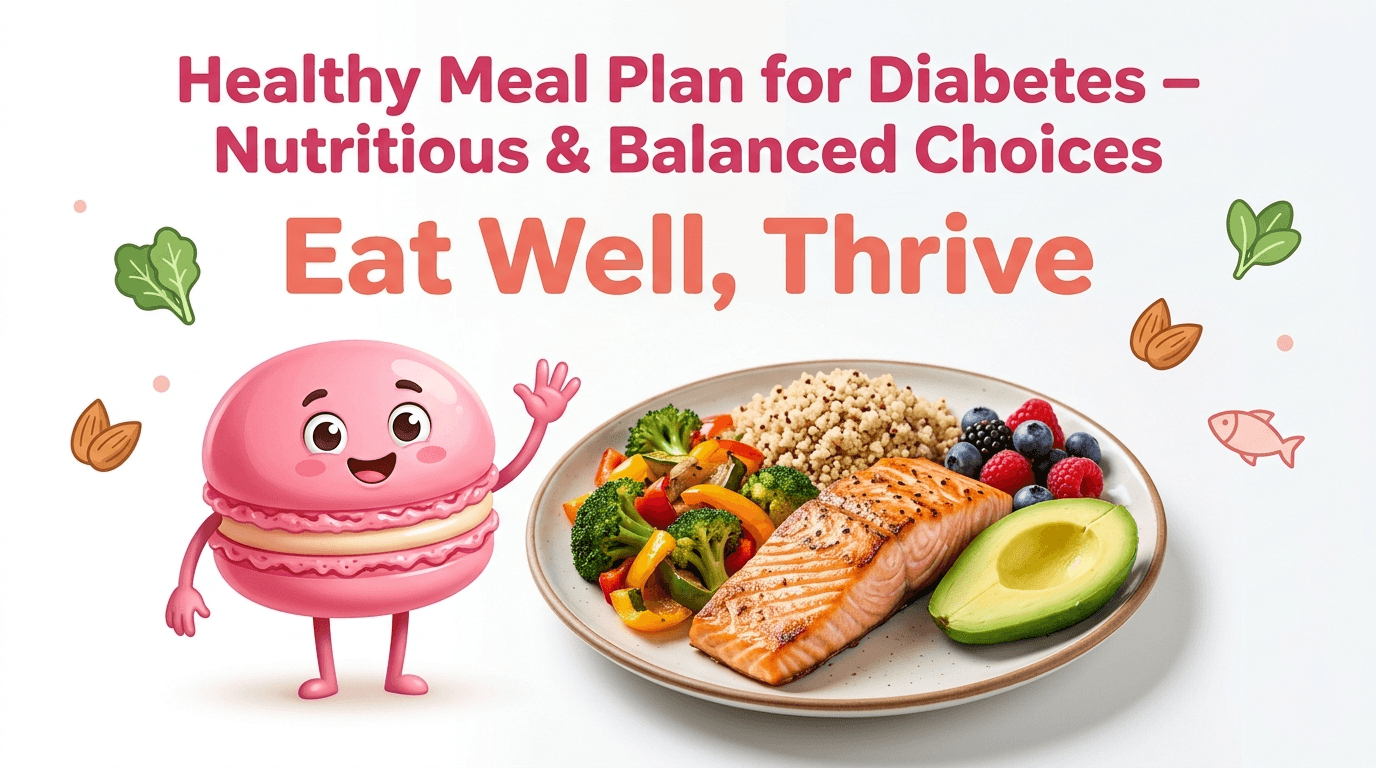
Prioritize non-starchy vegetables (broccoli, spinach), lean proteins (chicken, fish, tofu), whole grains (quinoa, oats), and healthy fats (avocado, nuts). High-fiber foods like beans and berries help slow carbohydrate absorption. Budget-friendly options include eggs, frozen vegetables, and canned fish. Surprisingly, some starchy foods like sweet potatoes and whole wheat pasta can fit when portioned properly. The key is balancing these with protein and fat to minimize blood sugar spikes while maintaining meal satisfaction.
Meal Planning Ideas for People With Diabetes
Batch cooking components like roasted vegetables, grilled proteins, and cooked grains allows endless combinations while maintaining carb consistency. Many users report success with 'theme nights' (Meatless Monday, Taco Tuesday) to simplify planning. Pre-portioning snacks into individual containers (like 1/4 cup nuts or cheese sticks) prevents overeating while providing steady energy.
Strategic swaps satisfy cravings while reducing carb impact - zucchini noodles with meatballs or cauliflower rice in stir-fries work best when seasoned well. Adding flavorful sauces (like peanut sauce or pesto) avoids the blandness that causes rebound cravings. Surprisingly, some find whole wheat pasta more tolerable than brown rice when paired with protein and veggies.
Perimeter-first grocery shopping naturally improves choices - loading up on produce, lean proteins and dairy before considering center aisles. Diabetes educators recommend keeping a 'safe foods' list in your phone for quick reference. Budget-friendly staples like eggs, canned fish, and frozen vegetables deliver steady energy without specialty products.
Digital tools help identify personal carb tolerance patterns over time. Many discover unexpected variations - some handle oats better at breakfast than lunch, or tolerate lentils better than other beans. Tracking these patterns helps customize meal timing and portion sizes for optimal glucose control.
Reddit users share practical shortcuts: bagged salads doctored up with tuna or chickpeas for quick meals, popcorn or nuts for crunchy snacks, and sugar-free gelatin for sweet treats. The most successful planners focus on adding satisfying foods (like avocado or nuts) rather than just restricting carbs, making the diet more sustainable long-term.
Breakfast, lunch, and dinner ideas for People With Diabetes
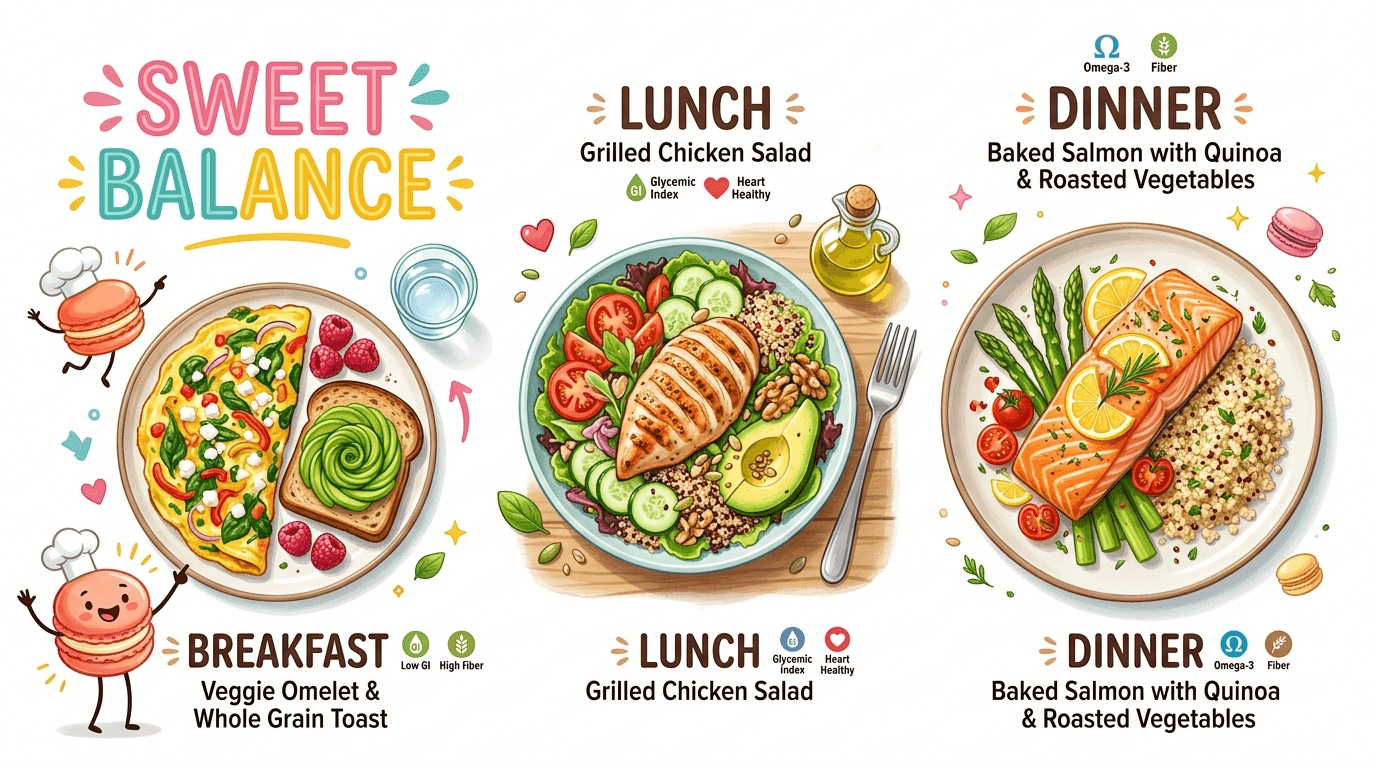
Morning options include veggie omelets with avocado or chia pudding with nuts - meals that combine protein, fat, and fiber. Lunch could be turkey lettuce wraps with side salads, or lentil soup with whole grain crackers. Dinner ideas feature baked cod with roasted Brussels sprouts or chicken stir-fry with cauliflower rice. These combinations balance macros while allowing flavor variety - key for long-term adherence. Many find success with 'theme nights' (like fish Fridays) to simplify planning without sacrificing nutrition.
Snacks and drinks to add to a meal plan for People With Diabetes
Portion-controlled snacks like cheese sticks, individual nut packs (about 1/4 cup), or celery with almond butter prevent between-meal crashes. For drinks, infused waters, unsweetened teas, or sparkling water with lime satisfy without spiking sugar. When craving juice, dilute 2oz of 100% juice with water and pair with nuts - this cuts carbs while maintaining flavor. Reddit users recommend popcorn (3 cups air-popped = 15g carbs) or sugar-free gelatin for crunchy/sweet cravings. Always pair carb-containing snacks with protein or fat for slower absorption.
Common mistakes when planning meals for People With Diabetes
Avoid skipping meals (which can cause rebound overeating), underestimating portion sizes (especially with carbs), and forgetting to count all carbohydrates (including sauces and dressings). Many over-rely on processed 'diabetic' foods that may still affect blood sugar. Another pitfall is not testing individual tolerances - some handle certain foods better than general guidelines suggest. Successful planners track their responses to identify personal patterns and adjust portions accordingly.
How Macaron helps People With Diabetes plan meals faster
Macaron simplifies diabetes meal planning with customizable templates that automatically calculate carbs and balance macros. The app suggests recipes based on your tested food tolerances and preferences, saving research time. Features like grocery list generation and meal pattern analysis help identify what combinations work best for your glucose control. Many users report the portion tracking and reminder functions help maintain consistency in their eating schedule.
Frequently Asked Questions
Yes, fruits can fit when chosen wisely and portioned carefully. Berries, apples, and citrus have lower glycemic impact in 15g portions (about 1 cup berries or 1 small apple). Always pair with protein/fat like cheese or nuts to slow absorption. Surprisingly, some tropical fruits like mango work in small amounts (1/4 cup) when tested individually. Tolerance varies more by person than general glycemic index charts suggest, so testing your response is key.
Most adults start with 45-60g carbs per meal, but individual needs vary significantly. Active individuals may tolerate more, while others need stricter limits (30-45g). Testing different carb amounts with glucose monitoring reveals personal thresholds. Many find their tolerance changes throughout the day - often higher at breakfast when insulin sensitivity is better. Work with your healthcare team to determine your ideal range based on medications, activity level, and glucose responses.
FDA-approved sweeteners are generally safe in moderation, but individual responses vary. Some people experience blood sugar changes with certain sweeteners despite zero calories. Nutritionists recommend testing each sweetener separately - many find monk fruit or stevia work best, while sugar alcohols may cause digestive issues. Limit products with maltodextrin (common in powder sweeteners) as it can spike blood sugar. Whole foods like berries often satisfy sweet cravings more effectively long-term.
Use measuring cups initially, then transition to visual cues (meat = deck of cards, pasta = tennis ball). Smaller plates (9-inch instead of 12-inch) help psychologically. For snacks, pre-portion into containers rather than eating from bags - try 1/4 cup nuts or individual guacamole cups. Many successful planners use kitchen scales for carb-heavy foods like grains. Restaurant tricks include boxing half the meal immediately or sharing entrees to automatically control portions.
Most individuals benefit from eating every 4-5 hours - typically three balanced meals plus 1-2 small snacks. This schedule helps maintain stable blood sugar levels, especially when aligned with medication timing. Morning snacks often work well if breakfast is early, while afternoon snacks prevent evening overeating. Adjust based on your hunger cues and glucose patterns - some do better with slightly larger meals and no snacks. Consistency in timing matters more than rigid rules.
Yes, when choosing whole grain versions and controlling portions (typically 1/2 cup cooked pasta or 1 slice bread per meal). Always pair these carbs with protein and fiber to slow digestion - like whole wheat pasta with chicken and broccoli. Many find they tolerate these better when eaten earlier in the day. Testing your personal response is key, as tolerance varies widely. Some prefer alternative noodles (zucchini or edamame) for larger portions with fewer carbs.
Macaron offers specialized features like personalized carb tracking based on your tested tolerances, meal pattern analysis to identify what combinations work best for you, and adaptive suggestions that learn from your glucose responses. The app simplifies logging with barcode scanning for packaged foods and portion estimation tools. Many users find the medication reminders and grocery list generator save significant planning time while maintaining nutritional balance.
Healthy fats from sources like nuts, seeds, avocados, and olive oil are beneficial for diabetes management. They help with satiety and nutrient absorption while having minimal impact on blood sugar. Focus on unsaturated fats and balance portions (like 1/4 avocado or 2 tbsp nuts per meal). Limit saturated fats from fried foods and fatty meats. Many find adding healthy fats to meals helps prevent rapid carb absorption and subsequent crashes.
Read & discover
AI Personal Assistant
Free calculators


