Healthy Meal Plan for Seniors
Senior-focused nutrition strategies featuring soft-textured protein sources, hydration boosters, and time-saving meal prep systems—with grocery lists optimized for small households and recipes adaptable for dental concerns.
Meal Plan Basics for Seniors
Aging bodies absorb nutrients less efficiently—seniors need 30% more protein than younger adults but 25% fewer calories, creating a 'nutrition puzzle'. Focus on compact nutrient sources like eggs (6g protein each), Greek yogurt (17g per cup), and flaky fish that require minimal chewing. Pre-cut frozen vegetables retain 90% of nutrients while reducing prep strain, and microwave-steam bags cut cooking time by half compared to stovetop methods.
Texture adaptation matters—35% of seniors over 70 report chewing difficulties. Successful meal plans incorporate soft-cooked proteins (shredded chicken in broth), roasted root vegetables (sweet potatoes become spreadable when baked), and blended soups with added nut butter for calorie density. Avoid common pitfalls like skipping protein at breakfast or relying too heavily on processed meal replacements that lack fiber.
Hydration needs increase while thirst signals weaken—caregivers report seniors drink 50% more fluids when offered variety like herbal iced tea popsicles or cucumber-mint infused water. Keep liquids visible in spill-proof containers near seating areas. Soups and water-rich fruits (melon, oranges) contribute 20% of daily fluid needs while providing vitamins.
Budget-friendly staples deliver maximum nutrition—canned sardines (rich in omega-3s and calcium), store-brand frozen berries (equal nutrition to fresh at half the cost), and dried beans (soaked overnight for easier digestion) form affordable meal bases. Buying small quantities of perishables prevents waste—many grocery stores now offer half-loaves of bread or single-serving dairy options.
Social dining boosts intake—meals eaten with others contain 30% more calories on average. Simple solutions like weekly lunch video calls or community 'dinner clubs' combat isolation-related appetite loss. Pre-portioned shared meal kits (like taco bars with soft tortillas) make group eating easier for those with mobility challenges.
What a healthy meal plan for Seniors looks like
Prioritize 'nutrient compaction'—each meal should deliver maximum nutrition in minimal volume. A salad plate works well: half tender-cooked vegetables (like microwaved zucchini), one quarter soft protein (flaked salmon or scrambled eggs), and one quarter easy-to-chew carbs (mashed sweet potatoes or couscous). Keep sauces separate to control sodium—many seniors report better digestion when dressings are served on the side. Include one high-calorie item per meal like olive oil drizzled veggies or avocado slices to maintain energy.
How to build a meal plan for Seniors
Build around protein anchors—start each meal with 25-30g protein (3 eggs or 1 cup cottage cheese), then add fiber and healthy fats. Batch-cook versatile bases on high-energy days: roast a tray of root vegetables or simmer a big pot of lentil soup. Portion into single-serve containers while still warm for easier handling. Keep grab-and-go snacks like hard-boiled eggs or individual nut butter packets visible to prevent skipped meals.
How a meal plan for Seniors differs from a general adult plan
Seniors typically need more protein (to preserve muscle), calcium/vitamin D (for bones), B12 (absorption decreases), and fiber (digestion slows), but fewer calories overall.
Best foods to include in a meal plan for Seniors
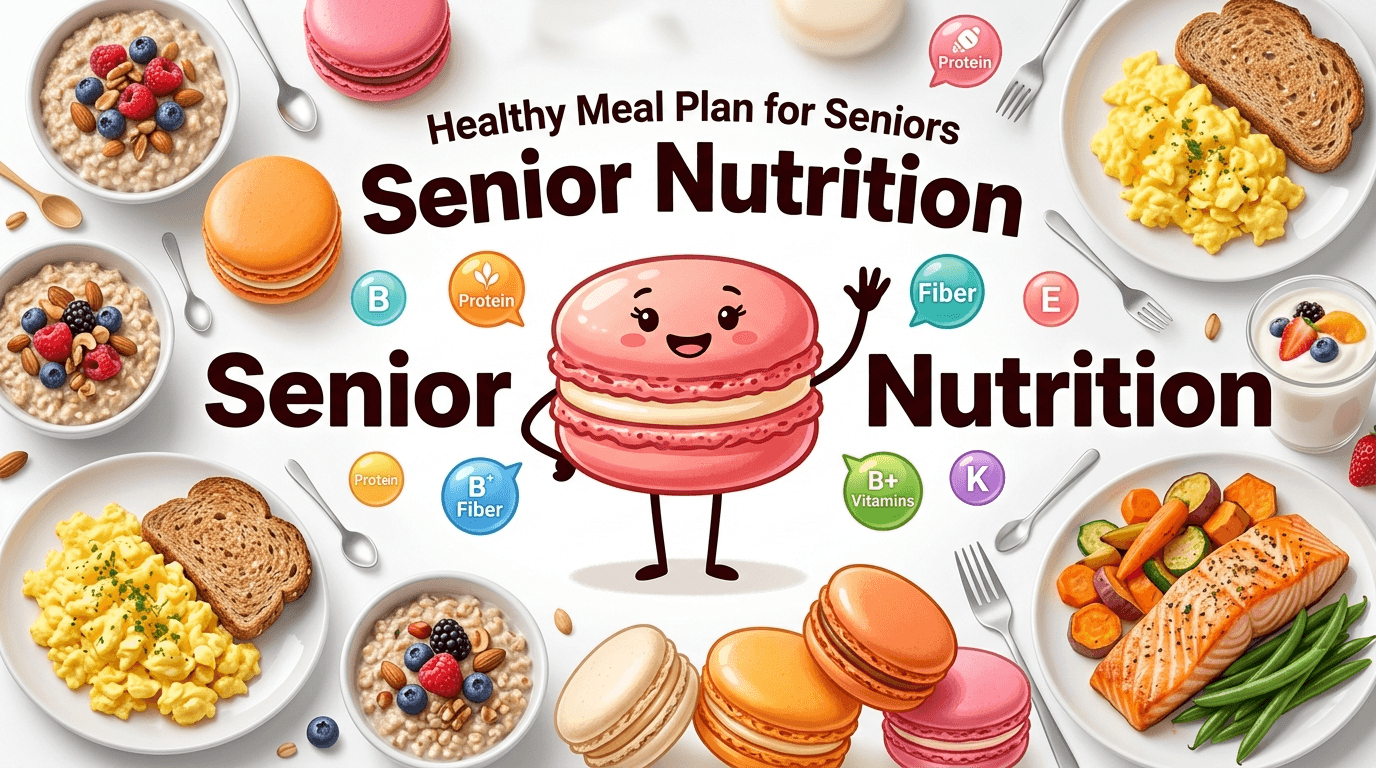
Focus on soft, nutrient-dense options: canned wild salmon (bones provide calcium), steamed egg custard, roasted red peppers (peel skins for easier chewing), and oatmeal made with milk instead of water. Frozen fruit blends smoothly into protein shakes—try mango and spinach with vanilla protein powder. Pre-sliced cheese and whole grain crackers make balanced snacks requiring minimal prep.
Meal Planning Ideas for Seniors
'Micro-batching' saves energy—prep 2-3 versatile bases like quinoa cooked in bone broth (adds 5g protein per serving) or slow-cooker shredded chicken. These can transform into different meals: mix with eggs for breakfast scrambles, add to soups at lunch, or fold into soft tacos for dinner. This approach cuts daily cooking time by 40% while preventing flavor fatigue.
Grocery hacks for limited mobility—choose frozen individually packaged fish fillets (no thawing needed), pre-washed greens (reduces cleanup), and microwave-ready grains. Many stores now offer 'senior shopping hours' with seating areas for rest breaks. Online ordering with store pickup eliminates heavy lifting—select 'ripe now' produce options to avoid waste.
Texture-modified meals can still excite the palate—blend roasted vegetables into creamy soups topped with crunchy pepitas, or make avocado chocolate mousse with whey protein for dessert. Nut butter stirred into oatmeal boosts protein without changing texture. Caregivers report 75% better compliance when soft foods have contrasting flavors and temperatures.
Budget stretches further with strategic staples—a dozen eggs provides 84g protein for under $3, while dried lentils offer 18g protein per dollar. Frozen vegetables retain nutrients longer than fresh—store-brand mixed veggies work well in soups and scrambles. Buying whole chickens to roast and repurpose (meat for meals, bones for broth) maximizes value.
Meal timing impacts digestion—smaller portions every 2-3 hours prevent bloating common in seniors. Try protein-forward mini-meals: cottage cheese with canned peaches at 10am, turkey roll-ups with avocado at 2pm. Using 7-inch plates makes portions appear larger while controlling calories—a visual trick that reduces post-meal discomfort.
Breakfast, lunch, and dinner ideas for Seniors
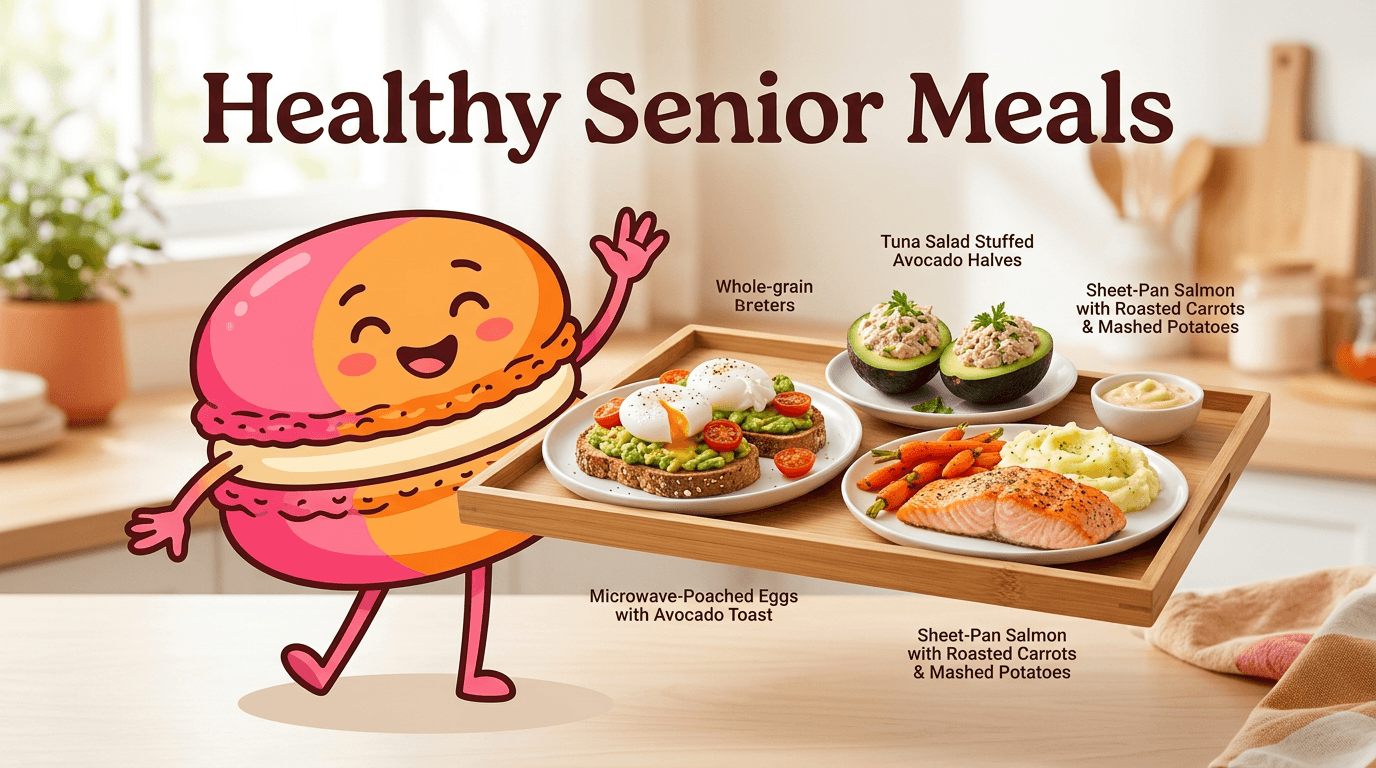
Morning: Microwave poached eggs over pre-cooked polenta with pesto. Lunch: Tuna salad mashed with avocado on whole wheat bread (toast lightly for easier chewing). Dinner: Slow-cooker beef stew with extra carrots (cut into coins for faster cooking). Pro tip: Cook grains in low-sodium vegetable juice instead of water—it adds flavor and nutrients without extra salt. For dessert, blend ricotta cheese with cocoa powder for a high-protein mousse.
Snacks and drinks to add to a meal plan for Seniors
Choose nutrient-dense finger foods: steamed edamame pods (squeeze beans out for those with dentures), cottage cheese with canned pineapple chunks, or apple slices dipped in almond butter. For hydration, try herbal tea popsicles in summer or warm bone broth sipped from mugs in winter. Adding lemon slices or mint sprigs to water increases intake by 40% compared to plain water.
Common mistakes when planning meals for Seniors
One of the biggest mistakes is assuming smaller appetites mean protein matters less, when the opposite is often true. Seniors may eat less overall, so each meal has to work harder by including protein, fluid, and nutrients in a smaller volume. Another common problem is serving food that is technically healthy but too dry, chewy, bland, or tiring to finish, which leads to skipped bites and lower intake over time. Portion size, texture, flavor, and hydration all need to be adjusted together if the plan is going to be realistic.
How Macaron helps Seniors plan meals faster
Macaron helps seniors and caregivers save time by narrowing the plan to meals that are realistic to shop for, prepare, chew, and repeat. It can surface softer recipes, shorter ingredient lists, and smaller household portions so you are not constantly adapting family-size recipes on the fly. The shopping lists are useful because they can center around staples that hold well, like yogurt, eggs, soups, canned fish, frozen vegetables, and single-serve items that reduce waste. That kind of structure makes it easier to keep meals steady even on low-energy days.
Frequently Asked Questions
Calorie needs vary by mobility—sedentary seniors typically require 1,600-1,800 calories (about 20% less than younger adults), while active individuals may need up to 2,200. Focus on protein density at every meal: 3oz chicken (28g protein), 1 cup Greek yogurt (17g), or 2 eggs (12g). Nutrient-rich small plates like avocado toast with smoked salmon deliver balanced nutrition without overwhelming portions.
Vitamin D, B12, calcium, and often magnesium or potassium deserve extra attention in older adults because absorption, appetite, medication use, and sunlight exposure can all shift with age. Protein matters just as much as vitamins here, since muscle maintenance and recovery depend on it. In food terms, that usually means more eggs, dairy or fortified alternatives, fish, beans, cooked greens, and easy-to-eat fruits rather than relying on one multivitamin to solve the whole problem. If appetite is poor or medications are involved, regular check-ins with a clinician become more useful than generic supplement advice.
Yes, when properly balanced. Blend 1 cup kefir (for probiotics), 1/2 banana, 1 tbsp almond butter, 1/4 cup cooked cauliflower (adds creaminess without flavor), and spinach. The cauliflower provides vitamin K while thickening the texture—important for those with swallowing concerns. Serve in 6-8oz portions to prevent overwhelm and pair with a soft protein like scrambled eggs for complete nutrition.
Incorporate protein at every eating occasion—hard-boiled eggs with breakfast, tuna salad at lunch, Greek yogurt snacks, and tender meats at dinner. For plant-based options, try silken tofu blended into soups or mashed white beans on toast. Even small amounts add up—1/4 cup cottage cheese provides 7g protein and requires no chewing.
The easiest route is to lower the prep barrier and the chewing barrier at the same time. Stir spinach into eggs, add frozen peas to soups, mash roasted carrots into potatoes, or microwave pre-cut vegetables that soften quickly without extra chopping. Sauces also help: olive oil, yogurt-based dressings, pesto, or broth can make vegetables easier to swallow and more appealing. For many seniors, the winning strategy is not a giant salad but several smaller vegetable servings folded into foods they already enjoy.
Yes, many seniors need to be more intentional about hydration because thirst signals often become less reliable with age. Water still matters, but broth, herbal tea, milk, soup, yogurt, melon, citrus, and cucumber all contribute to the daily total in ways that may feel easier than drinking large glasses at once. It also helps to keep fluids visible and tie drinking to routines such as medications, meals, or afternoon snacks. If someone is avoiding fluids because of bathroom concerns, the answer is usually timing and planning, not simply drinking less all day.
Macaron tailors lists to senior needs by: 1) Identifying pre-cut produce to reduce prep time 2) Calculating exact quantities for single households (like 6-egg cartons) 3) Flagging softer alternatives (pears vs apples) 4) Organizing lists by store section to minimize walking 5) Suggesting shelf-stable backups when fresh isn't available. Users report completing shopping 25% faster with these optimizations.
They can be excellent options—look for services offering senior-friendly portions, soft-textured meals if needed, and nutritionally balanced menus. Many accept Medicare benefits.
Read & discover
AI Personal Assistant
Free calculators


