Healthy Meal Plan for Students
Practical eating strategies for students juggling tight budgets, shared kitchens, and packed schedules. Learn how to maximize nutrition with minimal equipment using campus-tested meal patterns and grocery hacks.
Meal Plan Basics for Students
Successful student meal plans follow the '3-3-3 pantry rule': 3 proteins (eggs, canned fish, Greek yogurt), 3 grains (oats, rice, whole wheat tortillas), and 3 frozen vegetables (spinach, mixed veggies, edamame) that work across multiple meals. Campus dietitians find students who master these staples reduce grocery trips by 40% while maintaining balanced nutrition. Frozen vegetables outperform fresh for dorm living, offering equal nutrients at half the cost with no prep waste.
Timing matters as much as ingredients - students eating within 90 minutes of waking show 28% better focus through morning classes according to university studies. Pre-portioned snacks like divided nut packs or cheese sticks prevent both overeating and last-minute vending machine runs. Bulk bins offer the best prices on oats and nuts, but split large purchases with roommates to avoid spoilage.
The most overlooked student kitchen tool is a microwave steamer basket ($8), transforming frozen veggies and dumplings into balanced meals in minutes. Reddit threads reveal successful dorm cooks use this more than any other gadget. Rotisserie chicken provides 3-4 meals when shredded for wraps, salads, or stir-fries, with the carcass making quick broth for ramen upgrades.
Budget tracking shows students overspend on single-serve snacks but underspend on proteins. Reallocating just $7 weekly toward eggs, canned tuna, or bulk beans improves satiety and reduces afternoon energy crashes. Food pantries often provide surplus milk, bread, and seasonal produce that can anchor multiple meals when paired with pantry staples.
Coffee shop surveys show students with reusable mugs save $22 monthly - enough to upgrade groceries significantly. These funds better purchase frozen berries for smoothies, bulk nuts for snacks, or quality olive oil for dorm cooking. The 'plate method' simplifies balancing: fill half with veggies, one quarter with protein, and one quarter with whole grains for steady energy.
What a healthy meal plan for Students looks like
Effective student plans center on modular ingredients that serve multiple purposes: canned tuna works equally well in salads, wraps, or mixed into pasta dishes. Frozen stir-fry vegetables save prep time while costing 40% less than fresh equivalents - they maintain nutrients for months. Campus dietitians recommend the '5-5 rule': 5 protein-rich snacks weekly (like hard-boiled eggs or single-serve cottage cheese cups) and 5 prepped breakfasts (overnight oats, yogurt parfaits) to prevent reliance on expensive convenience foods between classes.
How to build a meal plan for Students
Start with 3 microwave-friendly meal anchors: scrambled eggs (90 seconds), baked potatoes (5 minutes), and steam-in-bag vegetables that require zero prep. Batch cook 2 versatile proteins weekly like shredded chicken or marinated tofu to mix into different meals - this creates variety without daily cooking. Reddit threads show students who prep just breakfasts and lunches save 3+ weekly hours versus daily cooking. Use dining hall takeout containers (often free) for meal storage instead of buying expensive containers.
How a meal plan for Students differs from a general adult plan
Students need more brain-supporting nutrients: omega-3s from walnuts or canned salmon enhance focus, while B vitamins in eggs and spinach support memory retention. Growth phases require 20-30% more protein than sedentary adults - incorporate cottage cheese, Greek yogurt, or edamame at snacks. Limited kitchens favor shelf-stable items like canned beans and whole grain crackers over perishable ingredients. Budget constraints make unit pricing crucial - bulk oats cost 70% less per serving than individual packets.
Best foods to include in a meal plan for Students
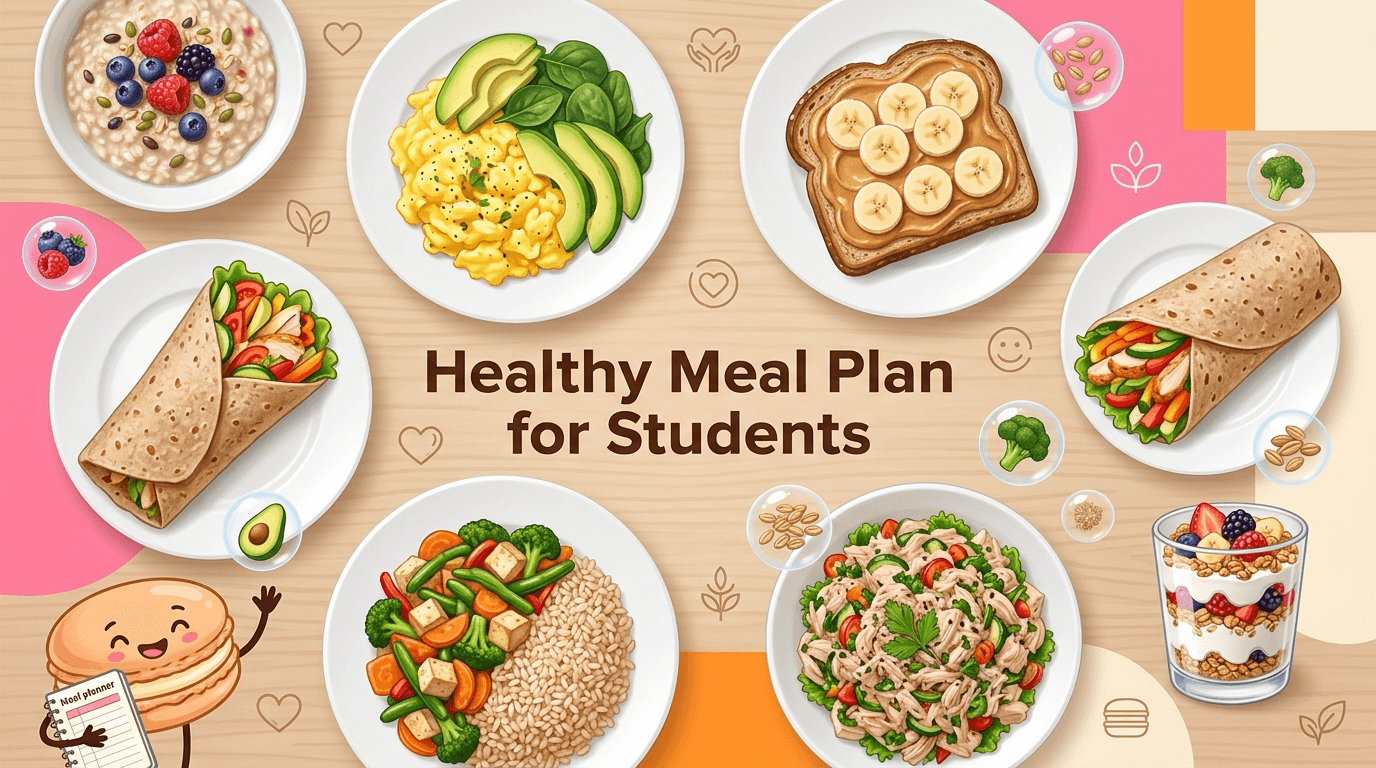
Prioritize multitasking ingredients: peanut butter works for sandwiches, oatmeal mix-ins, or apple slices; frozen spinach boosts eggs or smoothies; rotisserie chicken yields 3-4 meals when shredded. Shelf-stable staples like canned beans, tuna, and whole grain crackers form a reliable pantry foundation. Sweet potatoes microwave in minutes and provide more nutrients than white potatoes - top with canned chili or cottage cheese. Cabbage lasts weeks refrigerated and works raw in salads or cooked in stir-fries.
Meal Planning Ideas for Students
Breakfast burritos freeze exceptionally well for students - scramble eggs with canned black beans and cheese, wrap in tortillas, then microwave straight from frozen. Reddit users report making 12-15 at a time for under $0.75 each. Overnight oats in mason jars with peanut butter and banana slices require no morning prep and cost 60% less than campus coffee shop alternatives.
Sheet pan dinners maximize limited cooking space: toss chicken thighs with cubed sweet potatoes and Brussels sprouts, roast once, then repurpose into wraps or grain bowls. Students cooking 2-3 versatile proteins weekly (like shredded chicken, hard-boiled eggs, or marinated tofu) save 25 minutes daily on meal prep according to campus nutrition surveys.
Dorm kitchens favor modular ingredients - canned chickpeas become salad toppers, sandwich fillings, or curry bases when paired with different spices. Keep a 'flavor toolkit' of hot sauce, garlic powder, and soy sauce to transform basic ingredients. Bulk popcorn kernels microwave in paper bags for a $0.10 snack that outperforms chips in both cost and nutrition.
Mason jar salads stay fresh for days when layered properly: dressing goes on bottom, then chickpeas or tuna, followed by grains, and finally greens. Students report these travel better than containers and prevent soggy lunches. Campus food pantries often have surplus bread and peanut butter - turn these into 'french toast roll-ups' with banana slices for portable breakfasts.
The most common student mistake is skipping protein at breakfast - those who eat eggs, Greek yogurt, or nut butter with morning meals report better focus until lunch. Simple swaps like sweet potato toast instead of bread or cottage cheese instead of cream cheese add nutrients without extra prep time. Herbal tea makes an excellent late-night study alternative to caffeine crashes.
Breakfast, lunch, and dinner ideas for Students
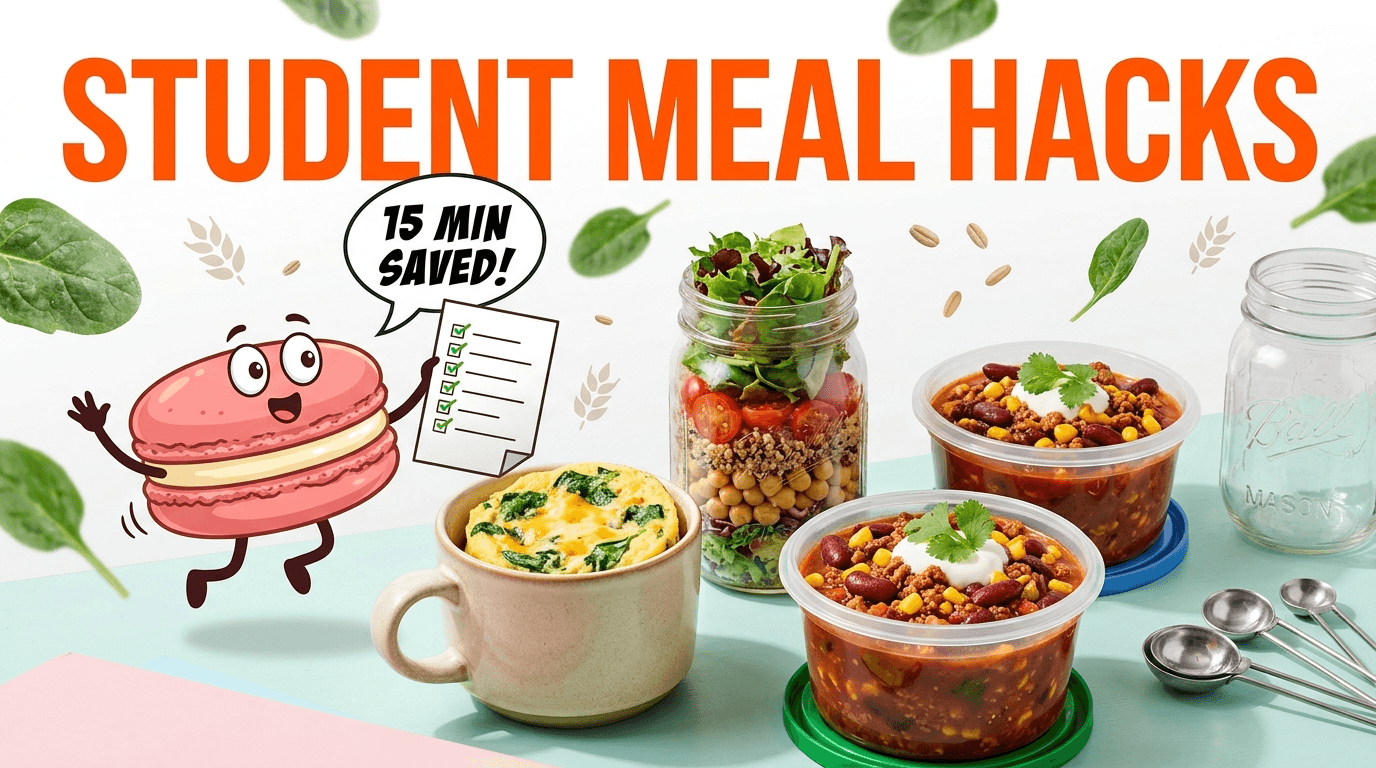
Microwave mug omelets with frozen spinach take 90 seconds and cost under $1 per serving. Layer mason jar salads with chickpeas, quinoa, and sturdy greens like kale - they last 3 days when dressed properly (dressing at bottom). Batch-cooked chili freezes well in individual portions using repurposed takeout containers. Always cook extra rice to repurpose into next-day stir fries or breakfast porridge with cinnamon and nuts. Breakfast pizza on whole wheat tortillas with eggs and veggies cooks in 5 minutes.
Snacks and drinks to add to a meal plan for Students
Pre-portion bulk nuts into snack bags - almonds cost 60% less than pre-packaged versions. Infuse water with frozen fruit instead of buying flavored waters. Coffee shop regulars save $22 monthly with reusable mugs - those funds buy 5lbs of frozen berries for smoothies. Herbal tea with honey makes a soothing late-night study drink without caffeine crashes. Microwave popcorn from kernels costs $0.10 per serving versus $3 for packaged alternatives.
Common mistakes when planning meals for Students
Skipping breakfast leads to 11am energy crashes and vending machine reliance - even a banana with peanut butter helps. Overbuying perishables wastes $15-20 weekly - frozen vegetables last months with equal nutrition. Not hydrating properly between classes causes fatigue mistaken for hunger - carry a reusable water bottle. Inconsistent meal times disrupt digestion and focus - set phone reminders for 3 balanced meals and 2 protein-rich snacks. Buying single-serve items costs 3x more than bulk equivalents.
How Macaron helps Students plan meals faster
Macaron suggests budget-friendly recipes based on ingredients you already have, reducing food waste and shopping time. The app identifies overlapping uses for ingredients - like using one rotisserie chicken for wraps, salads, and soup across 3 meals. Smart filters highlight dorm-friendly recipes requiring minimal equipment and under 20 minutes active prep. Inventory tracking prevents duplicate purchases and suggests meals when items near expiration. Shared shopping lists with roommates split bulk purchases fairly.
Frequently Asked Questions
Dried lentils ($0.12/serving) and cabbage (lasts weeks refrigerated) are budget champions - combine for hearty soups. Eggs ($0.15 each by the dozen) and frozen spinach offer more nutrients per dollar than fresh produce. Campus food pantries provide surplus milk and bread - pair with peanut butter for complete meals. Bulk oats and rice cost 70% less than packaged alternatives when split with roommates. Sweet potatoes provide more nutrients than white potatoes at similar prices.
Master microwave cooking: scrambled eggs (90 seconds), baked potatoes (5 minutes), and steam-in-bag vegetables require no stove. Keep a mini-fridge stocked with Greek yogurt, pre-cut veggies, and hard-boiled eggs for grab-and-go meals. A $20 blender transforms frozen fruit and spinach into nutrient-packed smoothies. Shelf-stable items like whole grain crackers and canned tuna prevent unhealthy takeout when tired. Repurpose dining hall takeout containers for free meal storage.
Walnuts and flaxseeds provide omega-3s shown to improve cognitive function during exams. Blueberries contain antioxidants that enhance memory recall - buy frozen for year-round affordability. Canned salmon offers DHA for brain health at half the cost of fresh. Dark chocolate (70%+) provides caffeine without sugar crashes. Campus studies show protein-rich snacks like cottage cheese sustain focus better than sugary alternatives between classes.
Most students spend $50-75 weekly, with meal preppers averaging 30% less. Allocate 40% to proteins (eggs, canned fish), 30% to produce (frozen veggies, bananas), and 30% to staples (oats, rice). Food pantries supplement 10-15% of weekly needs. Track spending for 2 weeks - most overspend on single-serve snacks but underspend on meal foundations. Reallocating $7 weekly from snacks to proteins improves satiety significantly.
Some services offer student discounts, but cooking simple meals costs 40-60% less. Focus first on mastering 5-6 dorm-friendly meals like sheet pan dinners and microwave scrambles. Consider delivery only after establishing basic cooking skills - the convenience premium often outweighs budget constraints. Apps like Macaron provide similar planning help without markup by suggesting recipes based on pantry items you already own.
A chef's knife ($25), microwave steamer basket ($8), and blender handle 90% of dorm cooking needs. Sheet pans enable batch roasting when shared kitchen access is limited. Check dorm policies - many prohibit hot plates but allow rice cookers. Collapsible silicone containers save space compared to bulky plastic. A pizza cutter doubles as a kitchen shears for opening packages and portioning foods.
2 hours on Sundays can prepare breakfasts and lunches for the week. Cook larger dinner portions to have leftovers for busy nights - most meals keep 3-4 days refrigerated. Start small - prepping just 3 meals weekly still saves 90 minutes versus daily cooking. Use dining hall takeout containers for free meal storage instead of buying containers. Freeze individual portions of soups or burritos for emergencies.
Choose protein-rich options like cottage cheese with berries or turkey roll-ups instead of sugary snacks that cause crashes. Peanut butter on whole grain toast provides steady energy without preparation. Herbal tea with honey avoids caffeine crashes that disrupt sleep. Microwave popcorn (from kernels) costs $0.10 per serving versus $3 for packaged alternatives. Hard-boiled eggs with everything bagel seasoning offer portable protein.
Read & discover
AI Personal Assistant
Free calculators


