Healthy Meal Plan for Vegan
Master plant-based nutrition with science-backed meal strategies, essential nutrient pairings, and time-saving prep systems for thriving on a vegan diet.
Meal Plan Basics for Vegan
Strategic food combinations unlock vegan nutrition - pairing iron-rich lentils with vitamin C-packed bell peppers increases absorption by 300%, while blending flaxseed into morning smoothies provides essential omega-3s. Meal planners report keeping pre-cooked quinoa and roasted vegetables ready for 10-minute assemblies during busy weeks, proving convenience doesn't require processed foods.
Budget analysis shows vegans save 25-40% by focusing on bulk beans, seasonal produce, and homemade staples versus processed alternatives. A $3/day plan might include oatmeal with peanut butter, chickpea salad wraps, and bean chili with rice - demonstrating how rotating affordable protein sources creates balanced nutrition without premium prices.
Nutrition tracking reveals common gaps: only 38% of new vegans meet B12 needs without fortified foods. Smart planners incorporate nutritional yeast into popcorn seasoning, fortified plant milks in coffee, or algae-based supplements to prevent deficiencies that could take years to manifest but are easily avoided.
Global cuisine exploration prevents dietary boredom while expanding nutrient sources. Ethiopian injera with lentil stew provides iron, Thai coconut curry offers healthy fats from coconut milk, and Mexican bean bowls deliver zinc - showing how cultural diversity solves multiple nutritional needs simultaneously.
Reddit communities emphasize batch cooking fundamentals - roasting a sheet pan of mixed vegetables, cooking a pot of quinoa, and soaking beans in advance reduces weekday cooking time by 70%. Most plant-based components keep well for 4-5 days, making this system practical for busy schedules while minimizing food waste.
How a meal plan for Vegan works
Effective vegan nutrition requires understanding both exclusion (all animal products) and strategic inclusion of complementary nutrients. Beyond basic produce, successful plans rotate proteins across legumes (lentils, chickpeas), whole grains (quinoa, brown rice), nuts/seeds (hemp, chia), plus fermented foods like tempeh for gut health. Many incorporate fortified plant milks or nutritional yeast for B12, sprinkling the latter on popcorn for easy intake. Practical planners batch-cook staples like lentils and quinoa while keeping frozen versions for busy days, ensuring protein sources are always accessible.
How to build a meal plan for Vegan
Constructing balanced vegan meals involves strategic combinations: pair iron-rich spinach with vitamin C-packed bell peppers in salads, blend flaxseeds into smoothies for omega-3s, and include calcium-set tofu or fortified plant milks daily. Many long-term vegans recommend preparing versatile bases like roasted sweet potatoes and cooked lentils to streamline meal assembly. A typical day might feature oatmeal with almond butter (breakfast), chickpea salad wrap (lunch), and lentil curry with rice (dinner), ensuring protein distribution across meals.
Best foods to include in a meal plan for Vegan
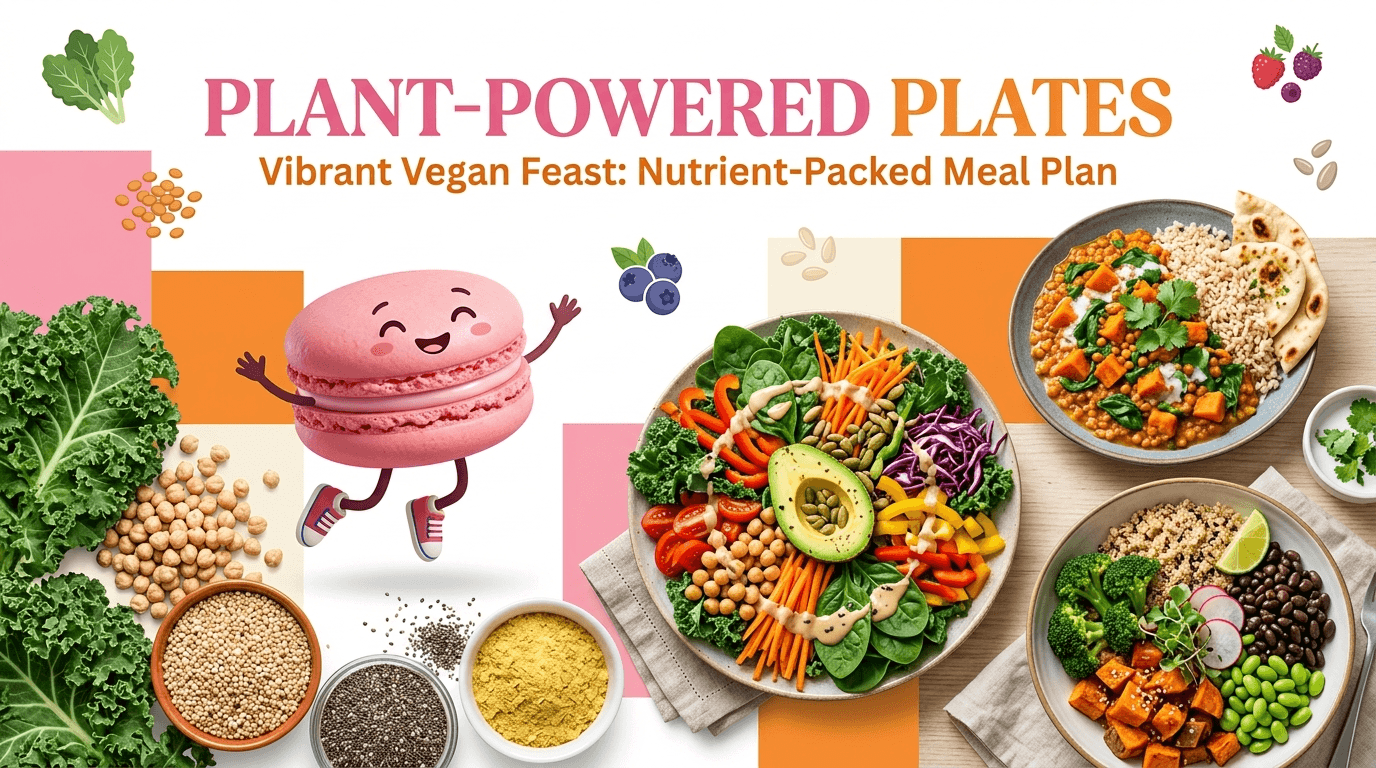
Nutritional powerhouses form the foundation: dark leafy greens (kale for iron/calcium), lentils/chickpeas (18g protein per cup), quinoa/brown rice (complex carbs), and hemp/chia seeds (omega-3s). Meal planners batch-cook these while keeping frozen versions for convenience. Long-term vegans typically consume 3+ daily servings from this core group, combining them strategically - like iron-rich spinach with vitamin C peppers in stir-fries. Fermented foods like tempeh and miso add gut-health benefits rarely found in omnivorous diets.
Meal plan for Vegan vs a balanced meal plan
While nutritionally complete, vegan diets require more attention to specific nutrients than omnivorous eating. Protein needs careful sourcing from varied plants (beans + grains create complete proteins), vitamin B12 requires fortified foods or supplements, and iron absorption improves with vitamin C pairings. The tradeoff comes with benefits: vegans typically consume more fiber, antioxidants, and phytochemicals from increased fruit/vegetable intake. Successful planners use tracking apps initially to ensure all bases get covered.
Meal Planning Ideas for Vegan
Batch cooking separates thriving vegans from those who struggle. Sunday prep sessions with roasted vegetables, cooked quinoa, and soaked beans reduce weekday cooking by 70%. This works because most plant-based components keep well for 4-5 days, and frozen vegetables maintain nutrition while cutting prep time.
Smart snack strategies prevent energy crashes between meals. Portable options like roasted edamame (12g protein per cup), almond butter packets with apple slices, or homemade energy balls with oats and chia seeds provide sustained energy without processed ingredients. Many planners keep these stocked in desk drawers and gym bags.
Grocery efficiency improves with the 'perimeter principle' - focusing first on fresh produce, then hitting bulk bins for affordable staples like rice and lentils. Seasoned shoppers save 20 minutes per trip by organizing lists into store sections: leafy greens, bulk items, refrigerated alternatives. Frozen fruits and vegetables offer comparable nutrition at lower cost.
Meal templates simplify decision fatigue while ensuring balance. A winning formula: grain base + plant protein + cooked greens + healthy fat + flavor booster. Example: brown rice with black beans, sautéed kale, avocado, and lime-tahini dressing allows endless variations. This structure ensures all nutritional bases get covered with minimal daily planning.
Community wisdom reveals unexpected time-savers: frozen chopped onions eliminate prep steps, aquafaba (chickpea liquid) works as an egg substitute in baking, and repurposing roasted vegetables into wraps reduces food waste by 30%. These small efficiencies compound over time, making plant-based eating more sustainable long-term.
A 1-day meal plan for Vegan
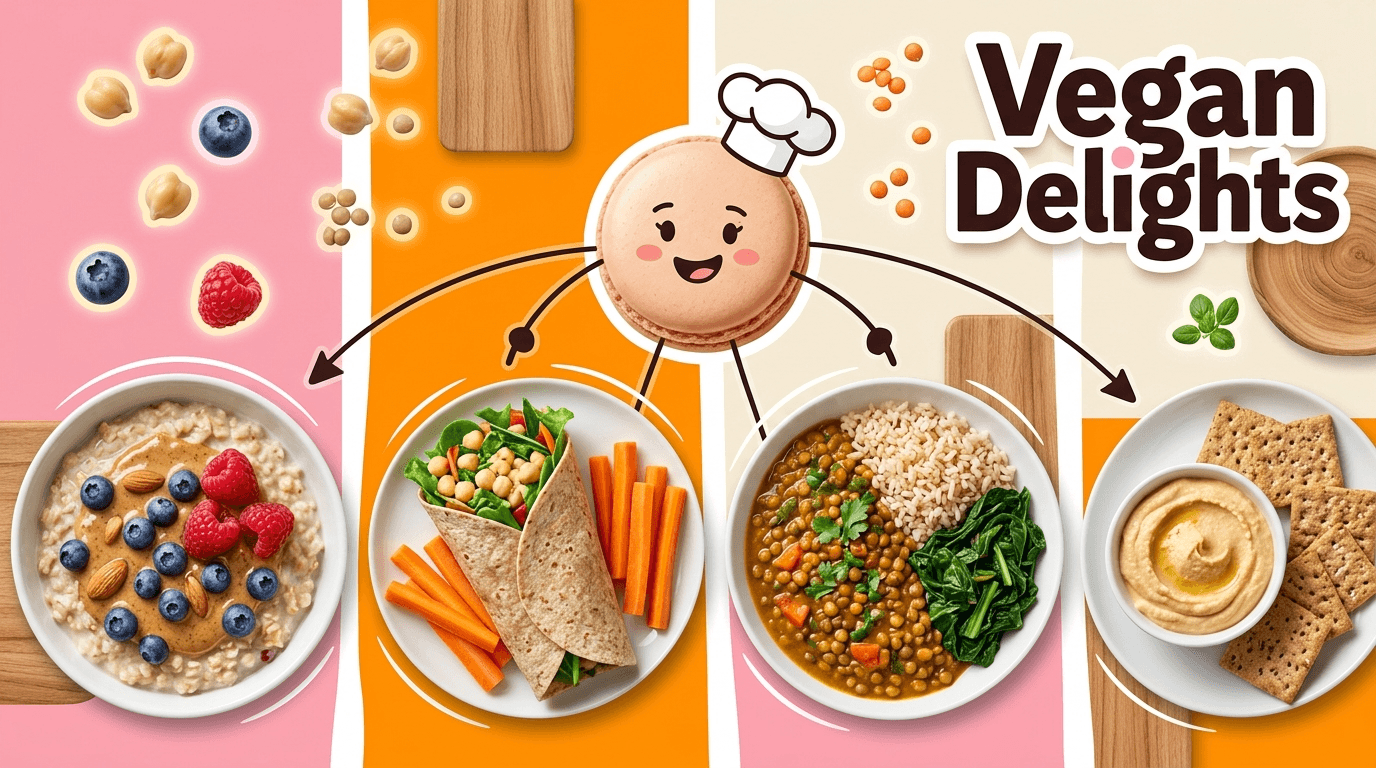
A nutritionally complete day might start with oatmeal topped with almond butter and berries (fiber + healthy fats), followed by a chickpea salad wrap with carrot sticks for lunch (protein + crunch). Dinner could feature lentil curry with brown rice and steamed greens (iron + vitamin C combo), with hummus and whole grain crackers as an afternoon snack. This rotation ensures protein distribution across meals while incorporating all essential food groups through whole food sources.
Snacks, swaps, and grocery shortcuts for a Vegan meal plan
Master three key swaps: silken tofu blends into creamy pasta sauces, flax eggs (1 tbsp ground flax + 3 tbsp water) work in baking, and mashed avocado replaces butter on toast. Organize grocery runs by priority: fresh produce first (seasonal for savings), bulk bins for staples (lentils, rice), refrigerated for tofu and tempeh. Keep roasted chickpeas (15g protein per cup) and single-serve nut butter packets stocked to avoid unhealthy convenience purchases when hunger strikes unexpectedly.
Common meal plan mistakes on Vegan
Tracking reveals four frequent errors: relying too heavily on processed meat substitutes (often high in sodium), not varying protein sources (leading to amino acid gaps), skipping fortified foods for B12 (risking deficiency), and underestimating calorie needs (causing energy crashes). Successful planners address these by focusing on whole food proteins (beans, lentils), taking a daily B12 supplement, and including calorie-dense foods like nuts and avocados. Meal prep helps avoid last-minute processed choices.
How Macaron helps you stick to a Vegan meal plan
Macaron's tools suggest balanced vegan recipes based on your pantry items, track nutrient intake to prevent deficiencies, and help discover new plant-based ingredients through personalized recommendations. The meal planner automatically generates shopping lists organized by grocery store sections, saving 15-20 minutes per trip. Users report the nutrient tracking feature helps them maintain optimal iron and B12 levels without guesswork.
Frequently Asked Questions
Well-planned vegan diets can support all life stages when attention is given to key nutrients. Research shows vegans typically have lower risks for heart disease and type 2 diabetes due to higher fiber and antioxidant intake. Long-term success comes from varied whole foods, strategic combinations (iron + vitamin C), and supplementing nutrients like B12 that are challenging to obtain from plants alone. Periodic blood tests help monitor levels of iron, B12, and vitamin D.
Plant proteins easily meet needs when varied throughout the day - lentils provide lysine, quinoa offers complete amino acids, and hemp seeds supply all nine essentials. A day's intake might include chickpea scramble (breakfast), edamame snack (midday), and tempeh stir-fry (dinner). Most vegans exceed the RDA of 0.8g/kg simply by including protein sources at each meal, with athletes combining complementary proteins like beans and rice post-workout.
Top calcium sources include fortified plant milks (300mg per cup), calcium-set tofu (200mg per ½ cup), kale (100mg per cup raw), and tahini (130mg per 2 tbsp). Many vegans also use fortified orange juice or cereals. Combining these throughout the day - like a smoothie with fortified almond milk and kale - helps meet the 1000-1200mg daily requirement without dairy. Cooking greens in soups improves calcium absorption versus raw consumption.
Absolutely. Vegan athletes successfully build muscle by consuming adequate calories and 1.6-2.2g of protein per kg of body weight from varied sources. Post-workout meals might combine quinoa (complete protein) with black beans, while snacks could include protein-packed edamame or peanut butter on whole grain toast. Many vegan bodybuilders emphasize timing protein intake evenly across 4-5 meals and using soy products for their complete amino acid profile.
Whole food veganism averages 30% less than omnivorous diets when focusing on bulk beans, seasonal produce, and homemade staples. A $50 weekly budget could include oats, peanut butter, bananas, rice, lentils, frozen vegetables, and tofu. The expense comes with processed alternatives; mock meats cost 2-3x more than their whole food protein equivalents. Shopping the bulk bins and freezing seasonal produce maximizes savings.
Different recipes call for specific substitutes: flax eggs (1 tbsp ground flax + 3 tbsp water) work best in breads and muffins, mashed banana adds moisture to pancakes, and silken tofu blends smoothly into custards. Aquafaba (chickpea liquid) whips like egg whites for meringues, while commercial egg replacers suit complex baked goods. For savory dishes, crumbled tofu with turmeric mimics scrambled eggs texture without cholesterol.
Pair iron-rich plant foods (lentils, spinach) with vitamin C sources (bell peppers, citrus) to boost absorption - think lentil soup with lemon juice. Cooking in cast iron pans adds trace iron to foods. Avoid drinking tea/coffee with meals as tannins can inhibit iron uptake by 50-60%. Soaking beans and grains reduces phytates that block mineral absorption, making their iron more bioavailable.
Yes, Macaron's nutrition tracking monitors key vegan nutrients like protein, iron, calcium, and B12 across your meals. The app flags potential deficiencies based on your intake patterns and suggests food adjustments - like adding more lentils when iron appears low. Users report the weekly nutrient summary helps them maintain balanced nutrition without constant micromanagement, especially useful during dietary transitions.
Read & discover
AI Personal Assistant
Free calculators


