Healthy Meal Plan for Vegetarian
A vegetarian diet offers abundant plant-based options while excluding meat, with proper planning ensuring you get all essential nutrients through delicious, satisfying meals. Our guide provides protein-rich food swaps, budget-friendly meal prep strategies, and nutrient optimization tips.
Meal Plan Basics for Vegetarian
Vegetarian eating emphasizes fruits, vegetables, whole grains, legumes, nuts, and dairy/eggs (for lacto-ovo vegetarians), offering diverse global flavors and complete nutrition when properly balanced. Rotating protein sources like lentils, tofu, and quinoa throughout the day provides all essential amino acids, while batch cooking grains and legumes on Sundays can save 4-6 hours of weekly prep time.
Transitioning successfully involves strategic meal prep - batch cooking grains and legumes saves time, while keeping versatile ingredients like canned beans and frozen veggies on hand simplifies weeknight cooking. Many find their grocery bills decrease by 20-30% when focusing on pantry staples rather than specialty meat substitutes, especially when buying dried beans and whole grains in bulk.
Nutritional surveys show vegetarians typically consume 50% more fiber and antioxidants than meat-eaters, but may need to consciously pair iron-rich foods with vitamin C sources for optimal absorption. Practical combinations include spinach salads with lemon dressing (boosts iron absorption 3x) or lentil soups with tomato base (enhances iron bioavailability by 2.5x).
Budget-conscious vegetarians save significantly by buying dried beans and grains in bulk, using seasonal produce at peak affordability, and repurposing leftovers creatively. A $10 bag of lentils provides 25+ protein servings compared to 5-6 servings from equivalent meat purchases, while frozen vegetables retain 90% of nutrients at half the cost of fresh off-season produce.
Successful long-term vegetarians emphasize variety - rotating through different global cuisines prevents meal fatigue while ensuring diverse nutrient intake. Weekly themes like Mediterranean Mondays (hummus bowls with roasted veggies) or Asian-inspired Thursdays (tofu stir-fries with edamame) keep meals exciting while covering nutritional bases.
How a meal plan for Vegetarian works
Vegetarians avoid meat but may include dairy, eggs, and other animal byproducts. Focus on whole grains, legumes, vegetables, fruits, nuts, seeds, and plant-based proteins. Combining complementary proteins like rice and beans or hummus with whole wheat pita ensures complete amino acid profiles throughout the day. Fermented foods like yogurt and tempeh provide probiotics plus 5-15g protein per serving, while nutritional yeast adds cheesy flavor plus B vitamins often lacking in plant-based diets.
How to build a meal plan for Vegetarian
Build meals around protein anchors like beans (15g/cup), lentils (18g/cup), tofu (10g/½ cup), or eggs (6g each), then add vegetables and whole grains. Include healthy fats from avocados, nuts, or olive oil for satiety. Meal prep surveys show vegetarians who prep components like roasted vegetables, cooked quinoa, and marinated tempeh in advance report 68% better adherence. Themed nights like Meatless Monday stir-fries (using frozen veggies) or Taco Tuesday with lentil-walnut filling (20g protein/serving) maintain variety effortlessly.
Best foods to include in a meal plan for Vegetarian
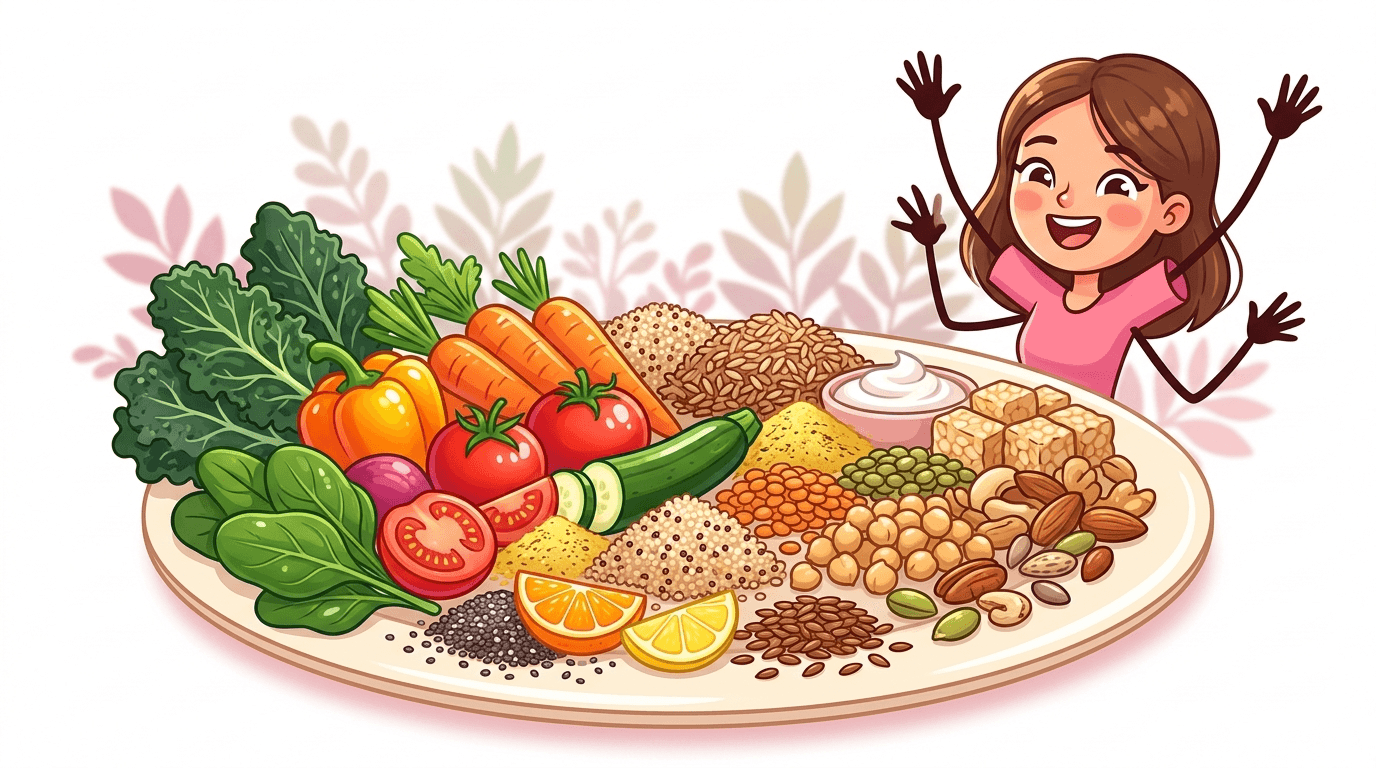
Prioritize leafy greens, colorful vegetables, whole grains, legumes, nuts, seeds, and fermented foods. Dark leafy greens provide iron when paired with vitamin C-rich foods (try kale with orange segments), while chia and flax seeds offer plant-based omega-3s (2 tbsp meets daily needs). Nutritional yeast adds cheesy flavor plus B vitamins, and Greek yogurt provides 17g protein per serving with probiotics. Keep versatile staples like canned beans, frozen edamame, and whole grain pasta stocked for quick meals.
Meal plan for Vegetarian vs a balanced meal plan
The main difference is replacing meat protein with plant alternatives like lentils, tofu, and eggs. Vegetarians typically consume 30% more fiber but need to consciously include zinc-rich foods (pumpkin seeds, cashews) and iron-absorption enhancers (citrus with meals). While omnivores get B12 naturally, vegetarians should include fortified foods or supplements. Practical swaps include mushrooms for burgers (4g protein/cup), lentils for taco meat (18g protein/cup), and chickpea flour for eggs in baking (6g protein/¼ cup).
Meal Planning Ideas for Vegetarian
Effective vegetarian meal planning combines protein-forward thinking with flavor variety - try marinated tempeh bowls (20g protein/serving), chickpea curries (15g protein/cup), or black bean tacos (12g protein/taco) for satisfying meals. Prep surveys show those who roast vegetables and cook grains in advance maintain consistency 73% longer than those who don't.
Budget-conscious vegetarians save by buying dried beans in bulk (up to 75% cheaper than canned), using seasonal produce (summer squash costs 40% less in season), and repurposing leftovers into new dishes (turn leftover chili into stuffed peppers). The most successful plans incorporate 3-4 different protein sources weekly to prevent nutrient gaps.
Time-saving strategies include batch cooking grains and legumes on weekends (2 hours prep yields 10 meals), keeping frozen veggie blends for quick stir-fries (ready in 15 minutes), and preparing versatile bases like roasted sweet potatoes or marinated tofu that work in multiple dishes. These approaches reduce daily cooking time by 40-60 minutes.
Nutrition optimization involves pairing plant iron sources with vitamin C (spinach with lemon juice boosts absorption), including omega-3 rich seeds like chia or flax (2 tbsp provides daily needs), and using fermented foods like yogurt or tempeh for gut health. These combinations mimic the nutrient density of omnivorous diets when planned thoughtfully.
Social flexibility comes from mastering portable vegetarian options - energy balls with nut butter and oats (5g protein each), hummus veggie wraps (10g protein), or trail mix with roasted chickpeas (7g protein/¼ cup) ensure you're never caught without suitable food options at events or travel situations.
A 1-day meal plan for Vegetarian
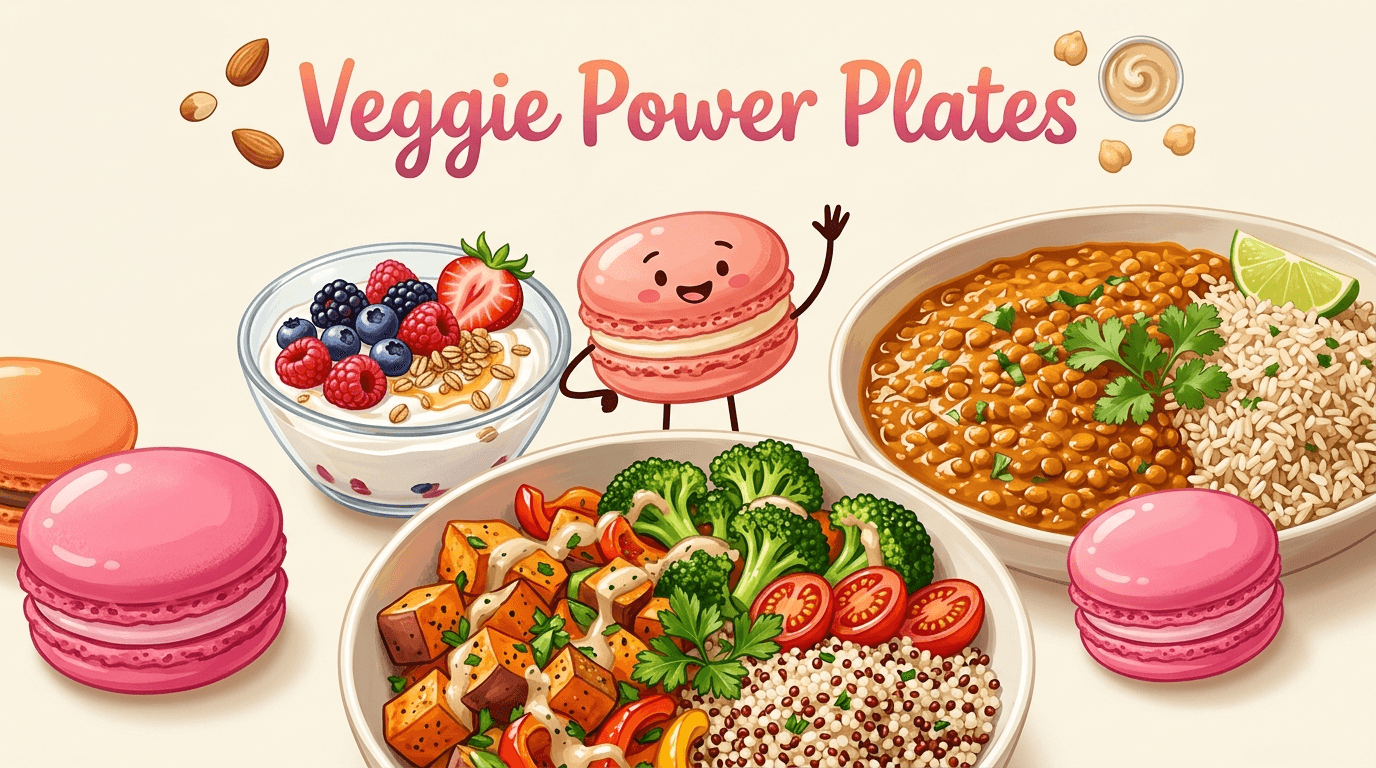
Breakfast: Greek yogurt with berries and almonds (20g protein) provides probiotics and healthy fats. Lunch: Quinoa bowl with chickpeas, roasted veggies, and tahini (22g protein) offers complete plant protein. Dinner: Lentil curry with brown rice (18g protein) delivers iron and fiber. Snacks: Hummus with veggies (5g protein) or apple with peanut butter (8g protein) maintain energy between meals. This 70g protein day meets needs for most adults while providing variety in textures and global flavors.
Snacks, swaps, and grocery shortcuts for a Vegetarian meal plan
Keep canned beans, frozen stir-fry blends, and whole grain pasta stocked for 15-minute meals. Swap meat for mushrooms in burgers (sauté with Worcestershire for umami), lentils in tacos (cook with taco seasoning), or tofu in stir-fries (press and marinate first). Bulk bins offer affordable nuts and grains - almonds cost 40% less than packaged. Pre-cut veggies save 15 minutes prep time, while roasted chickpea snacks (15g protein/cup) prevent convenience food reliance.
Common meal plan mistakes on Vegetarian
Eating too many processed meat substitutes (often high in sodium), not varying protein sources (risking amino acid gaps), or skipping iron-rich foods (leading to fatigue). Balance is key - include whole foods like lentils (iron), pumpkin seeds (zinc), and citrus (vitamin C) daily. Another pitfall is insufficient calories - add avocado, nuts, and olive oil to meals. Those new to vegetarianism often underestimate protein needs by 20-30%.
How Macaron helps you stick to a Vegetarian meal plan
Macaron's meal planning tools suggest balanced vegetarian recipes based on your protein preferences (soy-free, egg-inclusive etc.), track nutrient intake to flag potential deficiencies, and help discover new meatless favorites through personalized recommendations. The grocery list generator organizes staples by aisle, while the prep scheduler suggests optimal batch cooking sequences to save time. Users report discovering 3-5 new go-to recipes monthly through the system.
Frequently Asked Questions
Absolutely. Beans (15g/cup), lentils (18g/cup), tofu (10g/½ cup), tempeh (15g/½ cup), eggs (6g each), Greek yogurt (17g/cup), quinoa (8g/cup), and nuts/seeds provide ample protein. Combining different plant proteins throughout the day ensures complete amino acids - pairing rice with beans or whole wheat with hummus creates complete proteins. Athletes can meet needs by including protein-rich foods at each meal and snack, like a post-workout smoothie with Greek yogurt and peanut butter (25g protein).
Vitamin B12 (found only in animal products), iron (less absorbable from plants), zinc (lower in plant foods), omega-3s (except from flax/chia), and sometimes calcium. Boost absorption by eating iron-rich foods with vitamin C (spinach with lemon), and consider fortified foods or supplements for B12. Nutritional yeast (fortified with B12), fortified plant milks (calcium), and algae supplements (omega-3s) can help fill gaps. Annual blood tests help identify individual needs.
It can be budget-friendly when focusing on whole foods. Dried beans cost 75% less than canned per serving, and bulk grains like rice or oats are inexpensive staples. Meat alternatives cost 2-3x more than basic ingredients - a pound of lentils ($1.50) provides more protein than a pound of ground beef ($5). Seasonal produce frozen at peak freshness retains nutrients at lower cost. Smart shopping can make vegetarian eating 20-30% cheaper than meat-based diets.
Offer to bring a shareable dish like hummus with veggies or lentil salad (ensures you have options). Research restaurant menus ahead - Italian (pasta primavera), Mexican (bean burritos), and Indian (chana masala) often have good choices. For dinner parties, politely inform hosts in advance - most appreciate knowing dietary needs to accommodate gracefully. Keep portable snacks like trail mix or protein bars in your bag for unexpected situations.
Yes, with careful planning. Children need adequate calories (add nut butters, avocados), protein (include eggs, dairy if allowed), iron (fortified cereals with vitamin C-rich fruit), calcium (fortified plant milks or dairy), and B12 (supplements if vegan). Growth should be monitored - consult a pediatric dietitian to ensure proper development. Many vegetarian children actually eat more vegetables and whole foods than their peers, getting 30% more fiber on average.
Top options include lentils (18g/cup), chickpeas (15g/cup), black beans (15g/cup), quinoa (8g/cup), Greek yogurt (17g/cup), eggs (6g each), tofu (10g/½ cup), tempeh (15g/½ cup), edamame (17g/cup), nuts (6g/oz), seeds (5g/tbsp), and protein-rich grains like farro or spelt (6g/cup). Combining these throughout the day easily meets protein needs - for example, a breakfast of Greek yogurt with nuts (23g), lunch of quinoa salad with chickpeas (23g), and dinner of lentil curry with rice (18g) provides 64g protein.
Macaron suggests balanced vegetarian meals based on your preferences (soy-free, quick-prep etc.), tracks nutrient intake to prevent deficiencies (flagging low iron or B12), and offers creative recipe ideas to keep your diet varied. The grocery list organizes staples by store section, while the prep scheduler suggests efficient batch cooking sequences. Users report discovering 3-5 new go-to recipes monthly and saving 2-3 hours weekly on meal planning tasks.
Yes, with proper protein timing and intake. Focus on high-protein plant foods like tempeh (15g/½ cup), seitan (25g/3oz), legumes (15-18g/cup), and dairy/eggs if included. Athletes should aim for 1.6-2.2g protein per kg of body weight, spread across 4-5 meals. Post-workout, combine proteins like a smoothie with Greek yogurt and peanut butter (25g protein) or tofu scramble with whole wheat toast (20g protein). Many vegetarian athletes match or exceed their meat-eating counterparts' performance.
Read & discover
AI Personal Assistant
Free calculators


