Healthy Meal Plan for Vegetarians
Smart vegetarian nutrition combines global flavors with science-backed food pairings. Get complete protein combinations, iron absorption boosters, batch-cooking strategies, and budget hacks for effortless plant-based eating.
Meal Plan Basics for Vegetarians
Well-planned vegetarian diets typically provide 20-30% more fiber and antioxidants than standard diets while naturally reducing saturated fat intake. The key is rotating protein sources like lentils, chickpeas, quinoa, and Greek yogurt to cover all essential amino acids across meals. Reddit communities recommend keeping 3-4 protein anchors prepped weekly (marinated tofu, boiled eggs, cooked lentils) to streamline meal assembly.
Iron absorption from plants improves dramatically when paired with vitamin C - think bell peppers with black beans or strawberries with spinach salads. Cooking in cast iron pots can increase iron content by up to 16%. Budget-conscious vegetarians save 18-22% on groceries by prioritizing bulk legumes, seasonal produce, and eggs over pricey meat substitutes. Asian markets often sell fermented foods like tempeh at half mainstream grocery prices.
Weekly meal prep becomes efficient when focusing on components rather than complete meals. Batch-roast mixed vegetables (sweet potatoes, Brussels sprouts, bell peppers), cook 3-4 cups of varied grains (quinoa, farro, brown rice), and marinate tofu creates mix-and-match flexibility for bowls, wraps, and stir-fries. The Kitchn's component system shows how pre-chopping veggies and pre-cooking grains enables endless combinations with minimal daily effort.
Fermented foods like tempeh and miso offer dual benefits: they provide complete proteins while supporting gut health through natural probiotics. For quick global flavors, keep harissa paste, coconut milk, and nutritional yeast stocked - these transform basic ingredients into Moroccan stews, Thai curries, or cheesy sauces. Many vegetarians report freezing portions of bean chili and lentil soup for emergency meals.
Optimal vegetarian plates follow the 'power thirds' principle: one third colorful vegetables (especially dark leafy greens), one third whole grains like farro or quinoa, and one third plant proteins such as tempeh or lentils. Include 1-2 tablespoons of healthy fats like walnuts or avocado at each meal, and rotate calcium sources between tahini, bok choy, and fortified plant milks throughout the week.
What a healthy meal plan for Vegetarians looks like
Optimal vegetarian plates follow the 'power thirds' principle: one third colorful vegetables (especially dark leafy greens), one third whole grains like farro or quinoa, and one third plant proteins such as tempeh or lentils. Include 1-2 tablespoons of healthy fats like walnuts or avocado at each meal, and rotate calcium sources between tahini, bok choy, and fortified plant milks throughout the week. Practical tip: Keep roasted nuts and seeds in small jars for easy topping additions.
How to build a meal plan for Vegetarians
Start by identifying 3-4 protein anchors for the week (e.g., chickpeas, tofu, eggs, Greek yogurt), then build meals around them. Incorporate iron-boosting combinations like spinach with lemon juice, and include at least one fermented food daily for gut health. Budget-focused planners recommend dedicating 30% of grocery funds to versatile staples like dried beans, frozen vegetables, and bulk nuts. Time-saver: Cook grains in large batches and freeze in portioned bags.
How a meal plan for Vegetarians differs from a general adult plan
Vegetarians need more strategic planning for iron, zinc, and B12 from plant sources, requiring attention to food combinations for complete proteins. Unlike omnivores who get these nutrients easily from meat, vegetarians benefit from pairing vitamin C with iron-rich plants and soaking nuts to reduce phytates. Practical difference: Vegetarian meal plans often include more legumes and fortified foods while requiring less refrigeration space for proteins.
Best foods to include in a meal plan for Vegetarians
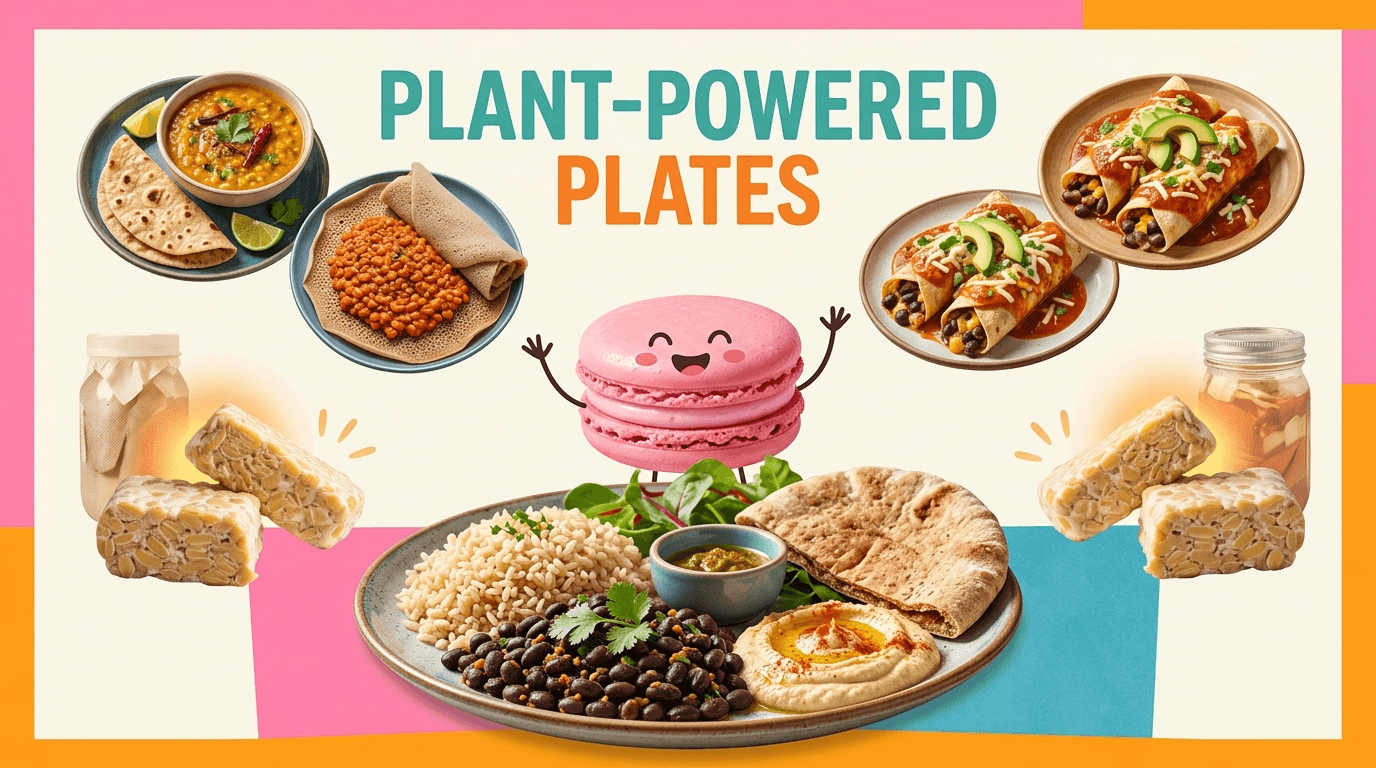
High-performance vegetarian meals combine complementary proteins - think rice with black beans, or whole wheat pita with hummus. Global cuisines offer inspiration: Indian dal with roti provides complete nutrition while keeping meals exciting. Fermented options like tempeh offer added digestive benefits. Shopping tip: Buy nuts and seeds in bulk during sales, and opt for frozen vegetables when fresh varieties are out of season.
Meal Planning Ideas for Vegetarians
Morning meal solutions combine convenience with nutrition: overnight oats with chia seeds deliver 12g protein, while tofu scrambles with turmeric and black salt mimic eggs' texture. Meal prep communities swear by freezing breakfast burritos with black beans and sweet potatoes for grab-and-go mornings. Budget tip: Rolled oats cost 1/3 the price of cereal per serving when bought in bulk.
Lunchbox strategies from nutritionists emphasize layering textures and flavors: start with a quinoa base, add roasted chickpeas for crunch, include marinated artichokes for tang, and finish with tahini dressing. Mason jar salads stay crisp for 4 days when layered with dressing at the bottom. Reddit users recommend prepping 3-4 salad variations weekly to prevent taste fatigue.
Dinner rotation prevents monotony: alternate between global cuisines like Indian chana masala (complete protein when paired with rice), Mexican bean-and-cheese enchiladas, and Mediterranean lentil soups. Each provides different nutrient profiles while keeping meals exciting. Time-saver: Cook double batches of sauces like tikka masala or marinara to repurpose across multiple meals.
Smart snacking bridges nutritional gaps: roasted edamame with sea salt offers 11g protein per 1/2 cup, while apple slices with almond butter combine fiber and healthy fats. Many vegetarians keep a batch of no-bake energy balls with oats, nut butter, and flaxseed for quick energy boosts. Tradeoff: Store-bought veggie chips often lack protein compared to homemade kale chips with nutritional yeast coating.
Time-saving kitchen hacks include cooking grains in vegetable broth for added flavor, using frozen riced cauliflower as a nutrient-dense base, and keeping pre-cut vegetables like bell peppers and cucumbers for instant crudité platters. Instant Pot users report cooking dried beans in 45 minutes versus overnight soaking. Common mistake: Over-relying on cheese instead of diversifying protein sources.
Breakfast, lunch, and dinner ideas for Vegetarians
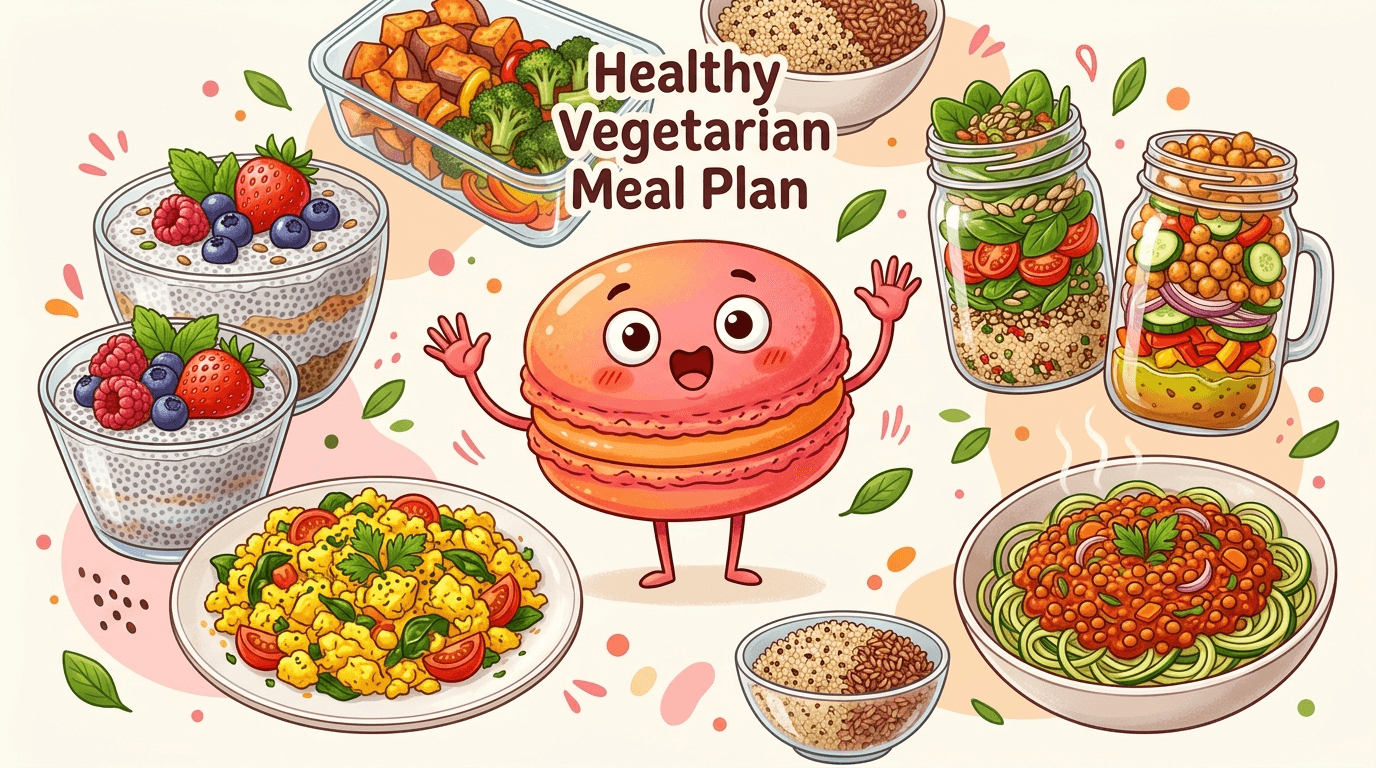
Morning options include high-protein chia pudding with almond milk or savory oatmeal with nutritional yeast. Lunch could feature mason jar salads with quinoa and roasted chickpeas, while dinner might showcase mushroom-walnut tacos or eggplant parmesan. The Kitchn's component-based prep approach shows how pre-chopping vegetables and pre-cooking grains enables endless combinations. Budget hack: Use dried beans instead of canned to cut costs by 60%.
Snacks and drinks to add to a meal plan for Vegetarians
Nutrient-dense snacks combine protein and fiber: try roasted chickpeas with smoked paprika, celery sticks with almond butter, or cottage cheese with pineapple. For drinks, golden milk with turmeric and black pepper offers anti-inflammatory benefits. Many vegetarians prep snack boxes with hummus, whole grain crackers, and cucumber slices for easy access. Time-saver: Make large batches of spiced nuts on weekends for grab-and-go portions.
Common mistakes when planning meals for Vegetarians
Avoid relying too heavily on processed meat substitutes or cheese, which can lead to nutritional gaps. Many beginners forget to include protein sources in every meal, leading to energy crashes. Another pitfall is not pairing iron-rich foods with vitamin C for absorption. Practical solution: Keep citrus fruits or bell peppers prepped to add to iron-rich meals like lentil soups or spinach salads.
How Macaron helps Vegetarians plan meals faster
Macaron's smart meal planner generates balanced vegetarian menus based on your preferences and nutritional needs. It automatically calculates protein combinations and nutrient pairings, suggests budget-friendly seasonal ingredients, and generates shopping lists. Users report saving 3+ hours weekly on meal planning while ensuring nutritional adequacy.
Frequently Asked Questions
Plant-based eaters easily meet protein needs through strategic combinations. While most plant proteins are incomplete alone, eating varied sources throughout the day provides all essential amino acids. For example, breakfast might include Greek yogurt (complete protein), lunch could feature quinoa with black beans (combined complete), and dinner might be tempeh stir-fry with brown rice. Athletes often supplement with pea protein when needs exceed 1.6g per kg of body weight.
Three nutrients require attention: Plant-based iron (non-heme) absorbs best when paired with vitamin C - try lentil soup with tomato base or spinach salad with orange slices. Zinc from nuts and seeds benefits from soaking or sprouting to reduce phytates. B12 requires reliable fortified sources like nutritional yeast (2 tablespoons daily) or supplements. Annual blood tests help identify individual needs before deficiencies develop.
Well-planned vegetarian diets often contain more fiber, antioxidants, and less saturated fat, potentially reducing risks of heart disease and other conditions. However, they require more attention to certain nutrients like iron and B12. The healthiest approach combines diverse plant foods with strategic pairings for complete nutrition, rather than simply removing meat without substitution.
Traditional food combinations naturally provide complete proteins: beans with corn (tacos), peanut butter on whole wheat bread, or rice with dal. Modern nutrition science shows these don't need to be eaten simultaneously - consuming varied plant proteins within 24 hours achieves the same effect. Soy products like tofu and tempeh are unique as they contain all essential amino acids alone.
Efficient prep starts with batch-cooking grains and legumes - cook a big pot of quinoa and black beans to use in bowls, wraps, and soups all week. Roast mixed vegetables with olive oil for easy additions to pastas and salads. Pre-make freezer-friendly items like veggie burgers or lentil soup portions. The Kitchn recommends dedicating 2 hours weekly to prep components rather than full meals.
Absolutely. Focus on protein-rich plant foods like lentils, tofu, and Greek yogurt, while ensuring sufficient overall calories and strength training. Many vegetarian athletes combine whole food proteins with supplements like pea protein powder post-workout. Key strategies include eating protein every 3-4 hours and including leucine-rich foods like chickpeas and pumpkin seeds to support muscle synthesis.
Macaron analyzes your dietary preferences and creates customized vegetarian meal plans with balanced nutrition and varied recipes. It automatically calculates protein combinations and nutrient pairings, suggests budget-friendly seasonal ingredients, and generates shopping lists. Users report saving 3+ hours weekly on meal planning while ensuring nutritional adequacy.
Not necessarily. Staples like beans, rice, and seasonal vegetables are affordable. Costs depend on whether you choose specialty meat substitutes or stick to whole foods. Smart shopping strategies like buying grains in bulk, using frozen produce, and making your own meat alternatives can make vegetarian eating 15-20% cheaper than omnivorous diets.
Read & discover
AI Personal Assistant
Free calculators


