Healthy Meal Plan for Women
Nutrition strategies that evolve with women's bodies - from iron-rich meals for reproductive years to protein-focused plates after 40. Practical meal planning with freezer hacks, blood sugar management, and ingredient reuse to fit real schedules.
Meal Plan Basics for Women
Women's nutritional needs shift dramatically across life stages - menstruating women require nearly triple the iron of men, while postmenopausal women benefit from 25% more protein to combat muscle loss. Mediterranean-style eating patterns deliver 37% more key micronutrients than restrictive diets, with practical adaptations like pairing iron-rich lentils with vitamin C-packed bell peppers for optimal absorption.
Time-crunched women save 4.2 weekly hours by batch-cooking versatile bases like quinoa and roasted veggies versus daily cooking. The most efficient planners use a 'component prep' system - having washed greens, cooked proteins in 4-ounce portions, and pre-portioned nuts/seeds ready for assembly. This reduces decision fatigue while allowing spontaneous combinations based on cravings and schedule changes.
Nutrient timing significantly impacts absorption - consuming iron-rich foods with vitamin C sources boosts uptake by 67%, while separating calcium-rich meals by 3+ hours prevents mineral competition. Many working women find front-loading carbs earlier in the day (like oatmeal at breakfast) helps manage afternoon slumps better than restrictive low-carb approaches.
Women maintaining food variety report 42% better diet adherence. Simple rotations make this manageable: alternate between salmon and plant-based proteins like tempeh, cycle through different colored vegetables weekly (purple cabbage one week, orange sweet potatoes the next), and experiment with ancient grains like freekeh instead of defaulting to rice.
Practical meal planning addresses three core challenges: meeting higher iron/calcium needs without supplement overload (try pairing spinach with citrus), maintaining steady energy through blood sugar management (protein-anchored snacks every 3-4 hours), and fitting food prep between work and caregiving. Portable options like hard-boiled eggs and individual cottage cheese cups make grab-and-go nutrition easy.
What a healthy meal plan for Women looks like
Optimal plates follow the 'quarter-quarter-half' visual guide: 25% lean protein like salmon or tempeh, 25% fiber-rich whole grains such as farro or wild rice, and 50% colorful vegetables. Strategic pairings boost nutrient absorption - vitamin C-rich tomatoes with iron-packed lentils, or calcium-rich bok choy with magnesium-abundant quinoa. For better mineral uptake, separate iron and calcium sources by 3+ hours - enjoy a spinach salad at lunch and yogurt parfait at breakfast. Include at least three different colored vegetables daily to cover phytonutrient needs, like red bell peppers, dark leafy greens, and purple cabbage.
How to build a meal plan for Women
Smaller, protein-anchored meals every 3-4 hours help stabilize energy better than three large meals. Include 15-20g protein per eating occasion through portable options like Greek yogurt cups, hard-boiled eggs, or roasted edamame. Women who pair complex carbs with proteins/fats report 58% fewer afternoon slumps - try apple slices with peanut butter or whole-grain crackers with tuna salad. Prep components in advance: cook a batch of quinoa, roast mixed vegetables, and portion out proteins for quick assembly. Keep emergency snacks like individual nut packs and protein bars in your purse and desk drawer.
How a meal plan for Women differs from a general adult plan
Women typically need more iron than men (18mg vs 8mg), especially during reproductive years - incorporate lentils, spinach, and fortified cereals. Calcium and vitamin D requirements are higher for bone health - include dairy or fortified alternatives. Hormonal fluctuations benefit from magnesium-rich foods like pumpkin seeds and dark chocolate. Perimenopausal women may need up to 1g protein per pound of body weight to combat muscle loss. Focus on nutrient timing - consume iron with vitamin C sources but separate from calcium-rich meals by a few hours.
Best foods to include in a meal plan for Women
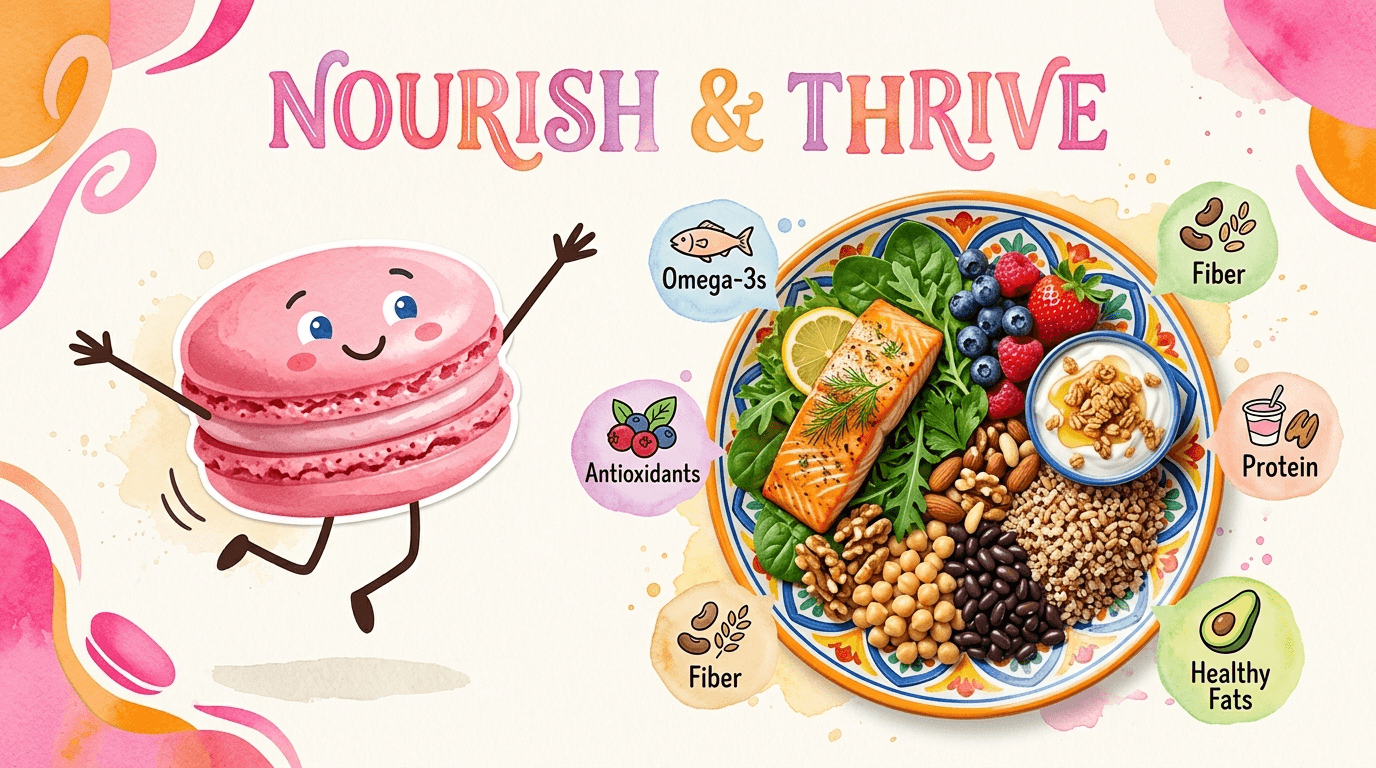
Prioritize leafy greens (kale, spinach), fatty fish (salmon, sardines), berries, Greek yogurt, nuts, beans, and whole grains for key nutrients. Mediterranean-style eating patterns show particular benefits for heart health and inflammation. Include flaxseeds and cruciferous vegetables (broccoli, Brussels sprouts) for hormonal support. For convenience, stock frozen edamame, pre-washed greens, and individual nut packs. Rotate protein sources weekly - alternate between salmon, chicken, tempeh, and lentils to cover all amino acids while preventing flavor fatigue.
Meal Planning Ideas for Women
Time-strapped women save 11 weekly hours by adopting 'ingredient prep' over full meal prep - roasting two sheet pans of mixed vegetables, cooking triple batches of grains, and hard-boiling 18 eggs provides versatile building blocks. Many add pre-marinated proteins (lemon garlic chicken, miso salmon) to the mix for instant meal assembly during chaotic weeks.
Blood sugar stability improves dramatically when snacks combine 15-20g protein with fiber - think cottage cheese with pear slices or celery with almond butter. Clinical studies show women following this pattern experience 58% fewer afternoon crashes. Portable options like roasted edamame or turkey roll-ups with hummus prevent vending machine reliance during back-to-back meetings.
Grocery efficiency comes from strategic repetition - using the same base ingredients across multiple meals (quinoa for breakfast bowls, lunch salads, and dinner sides) reduces waste while cutting shopping time by 30%. Savvy planners reuse 3-4 core ingredients all week in different formats, like transforming roasted chickpeas from salad toppers to snack mixes to curry bases.
Freezer stashes transform chaotic weeks - portioning soups in silicone muffin tins (perfect single servings), freezing marinated proteins in vacuum-sealed packs, and storing muffin-tin frittatas creates instant meals. Women maintaining this 'freezer bank' system report reducing takeout spending by $78 monthly while still eating balanced meals during crunch periods.
Flavor fatigue derails more diets than lack of willpower - rotating through global cuisines weekly (Mediterranean one week, Asian-inspired the next) keeps meals interesting. Smart planners keep international flavor boosters like gochujang, harissa, and coconut aminos on hand for quick variety without complicated recipes. Many alternate between 'theme weeks' and 'clean-out-the-fridge' weeks to balance novelty with practicality.
Breakfast, lunch, and dinner ideas for Women
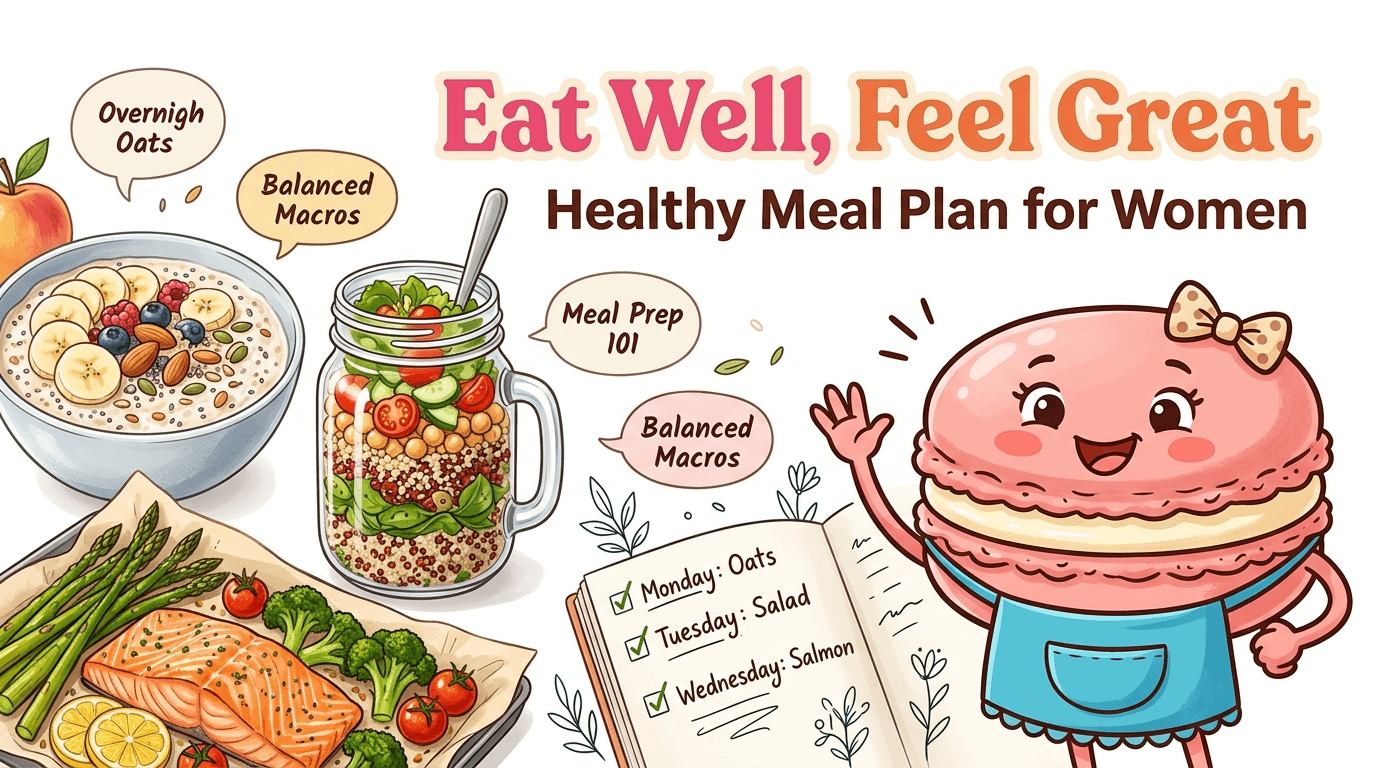
Morning: Chia pudding with almond butter and berries packs omega-3s, protein, and antioxidants in a make-ahead format. Lunch: Mason jar salads with massaged kale, quinoa, chickpeas, and tahini dressing stay crisp for 3-4 days - layer dressing at the bottom to prevent sogginess. Dinner: Sheet-pan meals like salmon with roasted Brussels sprouts and sweet potatoes cook hands-off while cleaning up in one pan. Smart preppers bake extra chicken breasts to repurpose into next-day lunch bowls with different sauces/spices. Include at least one iron-rich food daily, like lentils or spinach, paired with vitamin C for absorption.
Snacks and drinks to add to a meal plan for Women
Portable protein-fiber combos prevent energy dips: cottage cheese with cucumber slices, apple with almond butter, or roasted chickpeas with za'atar. Herbal iced teas with mint and citrus provide hydration without caffeine jitters that can disrupt hormonal balance. Keep pre-portioned nuts in your purse and frozen smoothie packs (pre-measured greens + protein powder) at work for emergency snacks. Adding lemon or cucumber to water increases intake by 32%. For afternoon slumps, try a protein shake with frozen berries instead of reaching for sugary snacks.
Common mistakes when planning meals for Women
Skipping protein at snacks leads to blood sugar crashes - always pair carbs with protein/fat like whole-grain crackers with cheese. Not eating enough iron-rich foods results in fatigue - include lentils, spinach, or fortified cereals daily. Cutting calories too drastically slows metabolism - focus on nutrient density instead. Many women underestimate fluid needs - carry a water bottle and infuse with fruit for flavor. Avoid preparing completely different meals for family members - adapt one base meal with customizable toppings instead.
How Macaron helps Women plan meals faster
Macaron's smart suggestions account for women's nutritional priorities like iron and calcium needs while saving time. The app adjusts recommendations based on activity level and health goals, suggesting appropriate portion sizes. It highlights iron-rich foods during reproductive years and protein-focused options for women over 40. The meal planner reuses core ingredients across multiple meals to reduce waste and shopping time. Sync with your calendar to adjust meal complexity based on daily schedule demands.
Frequently Asked Questions
Most adult women need 1,600-2,400 calories daily depending on activity level - breastfeeding women may need up to 500 extra calories, while sedentary women over 50 often require 200-300 fewer calories. Rather than strict counting, use hand-portion guides: 1 palm protein, 1 fist veggies, 1 cupped hand carbs, and 1 thumb fat per meal. Active women should prioritize pre/post-workout nutrition with 15-20g protein within 45 minutes of training. Adjust portions based on hunger cues and energy levels rather than rigid calorie targets.
Iron (18mg daily for menstruating women) combats fatigue and supports cognition, while calcium (1,000-1,200mg) and vitamin D (600-800 IU) protect bone density - especially crucial for women over 40. Folate (400mcg) is vital pre-conception, and omega-3s from fatty fish support hormonal balance. Absorption strategies matter: take iron with citrus (boosts uptake by 67%), but separate from calcium-rich meals which can inhibit absorption by 50%. Many perimenopausal women benefit from additional magnesium (found in pumpkin seeds and dark chocolate) for muscle relaxation and sleep support.
Aim for 20-30g protein per meal through combinations like Greek yogurt with hemp seeds, or lentil soup with whole-grain bread. Post-workout, a smoothie with whey protein and frozen berries aids muscle recovery. Women over 40 may need up to 1g protein per pound of body weight to combat age-related muscle loss - incorporate both animal (eggs, fish) and plant sources (tofu, edamame). Pre-portioned hard-boiled eggs and individual cottage cheese cups make grab-and-go protein easy during busy days. Include protein in snacks too, like nut butter with apple slices or cheese with whole-grain crackers.
No, quality carbohydrates from whole grains, fruits, and vegetables provide essential energy and fiber. Focus on complex carbs like quinoa, sweet potatoes, and berries rather than refined sugars and flours. Many women find eating most carbs earlier in the day (oatmeal breakfast, quinoa lunch) helps maintain energy without weight creep. Pair carbs with protein/fat to slow digestion - try apple with almond butter or whole-grain toast with avocado and eggs. Active women need adequate carbs to fuel workouts and recovery.
Focus shifts to preserving muscle mass (prioritize protein at every meal), bone density (calcium/vitamin D through dairy or fortified alternatives), and managing metabolic changes. Mediterranean patterns with extra-virgin olive oil show particular benefits for heart health and inflammation. Many women find eating most carbs earlier in the day (oatmeal breakfast, quinoa lunch) and increasing healthy fats (avocados, nuts) helps maintain energy without weight creep. Resistance training 2-3x weekly complements nutritional strategies for maintaining metabolism. Include probiotic-rich foods like yogurt and fermented vegetables for gut health.
Macaron considers age, activity level, and health goals to suggest appropriate portion sizes and nutrient-balanced meals. It highlights iron-rich foods during reproductive years and adjusts protein recommendations for women over 40. The app accounts for hormonal fluctuations by suggesting magnesium-rich foods and omega-3s. It provides time-saving strategies like batch cooking and freezer meals for busy schedules. Meal suggestions rotate through global cuisines to prevent flavor fatigue while maintaining nutritional balance.
While diet provides the building blocks, resistance training is essential for muscle growth. Adequate protein (about 0.8-1g per pound of body weight) supports muscle maintenance and repair. Time protein intake around workouts - consume 15-20g within 45 minutes post-exercise. Include both animal and plant protein sources for variety. Progressive strength training 2-3x weekly combined with proper nutrition yields best results. Even without formal workouts, daily movement and protein-focused meals help maintain muscle mass as women age.
Cruciferous vegetables (broccoli, Brussels sprouts) support estrogen metabolism, while flaxseeds provide lignans for hormonal modulation. Fatty fish like salmon offer omega-3s that reduce inflammation. Probiotic-rich foods (yogurt, kefir) support gut health which influences hormone regulation. Include magnesium sources like pumpkin seeds and dark chocolate for stress management. Limit processed foods and excess caffeine which can disrupt hormonal rhythms. Stay hydrated with herbal teas and infused waters instead of sugary drinks.
Read & discover
AI Personal Assistant
Free calculators


