Healthy Meal Plan for Working Women
Hybrid meal solutions combining Sunday prep with fresh daily assembly—designed for conference room lunches, back-to-back meeting days, and those nights when takeout would derail your goals.
Meal Plan Basics for Working Women
Successful working women's meal plans follow a 70/30 rule—70% prepped components (roasted sweet potatoes, shredded chicken, cooked quinoa) combined with 30% fresh additions (avocado slices, baby spinach, quick-pickled onions). This maintains variety while minimizing daily cooking. Office workers who master this hybrid approach report spending just 12 minutes assembling meals versus 45+ minutes cooking from scratch each night.
Nutritional gaps emerge predictably during high-stress periods—iron stores deplete faster under pressure while cortisol spikes increase magnesium needs. Smart planners keep spinach (for iron) and pumpkin seeds (for magnesium) as pantry staples. These blend into smoothies, top salads, or mix into overnight oats without extra prep time during busy weeks.
The most sustainable office eating patterns follow 'cognitive fueling'—lighter meals before high-focus tasks (like a Greek yogurt parfait before morning presentations) and more substantial nutrition after mentally draining work (a turkey-avocado wrap with roasted veggies post-client meetings). This prevents the 3pm energy crash common among desk workers while optimizing performance.
Effective meal systems account for unpredictable schedules with 'tiered readiness' foods: shelf-stable options (individual almond butter packets), fridge staples (pre-boiled eggs), and freezer backups (single-serve lentil soups). Workplace studies show this approach reduces takeout reliance by 65% compared to rigid meal plans that crumble when late meetings hit.
Hydration impacts cognitive performance more than most professionals realize—even mild dehydration reduces focus by 12%. Keep a 32oz water bottle with time markers and add flavor with frozen berries or citrus slices. Herbal teas like peppermint or chamomile provide variety without caffeine crashes during afternoon slumps.
What a healthy meal plan for Working Women looks like
Aim for color diversity—deep greens (kale), bright reds (bell peppers), and oranges (sweet potatoes) ensure varied phytonutrients. Include iron-rich foods like lentils or lean beef 3-4x weekly, and omega-3 sources (salmon, walnuts) 2-3x weekly. Flexible meal timing matters more than rigidity—a substantial snack with protein (cottage cheese) and fat (avocado) can replace dinner when late meetings run long. Keep emergency desk snacks like individual guacamole cups and whole grain crackers—they stay fresh for days and provide satiating fats.
How to build a meal plan for Working Women
Start with batch-friendly bases: quinoa, roasted root vegetables, and grilled chicken thighs that mix into various dishes. Office workers succeed most with 'assembly meals'—prepped components combined fresh each day. When dining out, order vegetable sides first to fill half your plate before choosing mains—this prevents the blood sugar rollercoaster from carb-heavy restaurant portions. Always keep freezer-friendly cooked grains and proteins for last-minute meals.
How a meal plan for Working Women differs from a general adult plan
Working women have higher requirements for iron (combat fatigue), calcium (office workers often lack sunlight for vitamin D synthesis), and B vitamins (support energy metabolism). Increased need for stress-supporting nutrients like magnesium (found in pumpkin seeds) and vitamin C (bell peppers) during demanding work periods. Meal timing flexibility is crucial—unpredictable schedules require adaptable snack-meals.
Best foods to include in a meal plan for Working Women
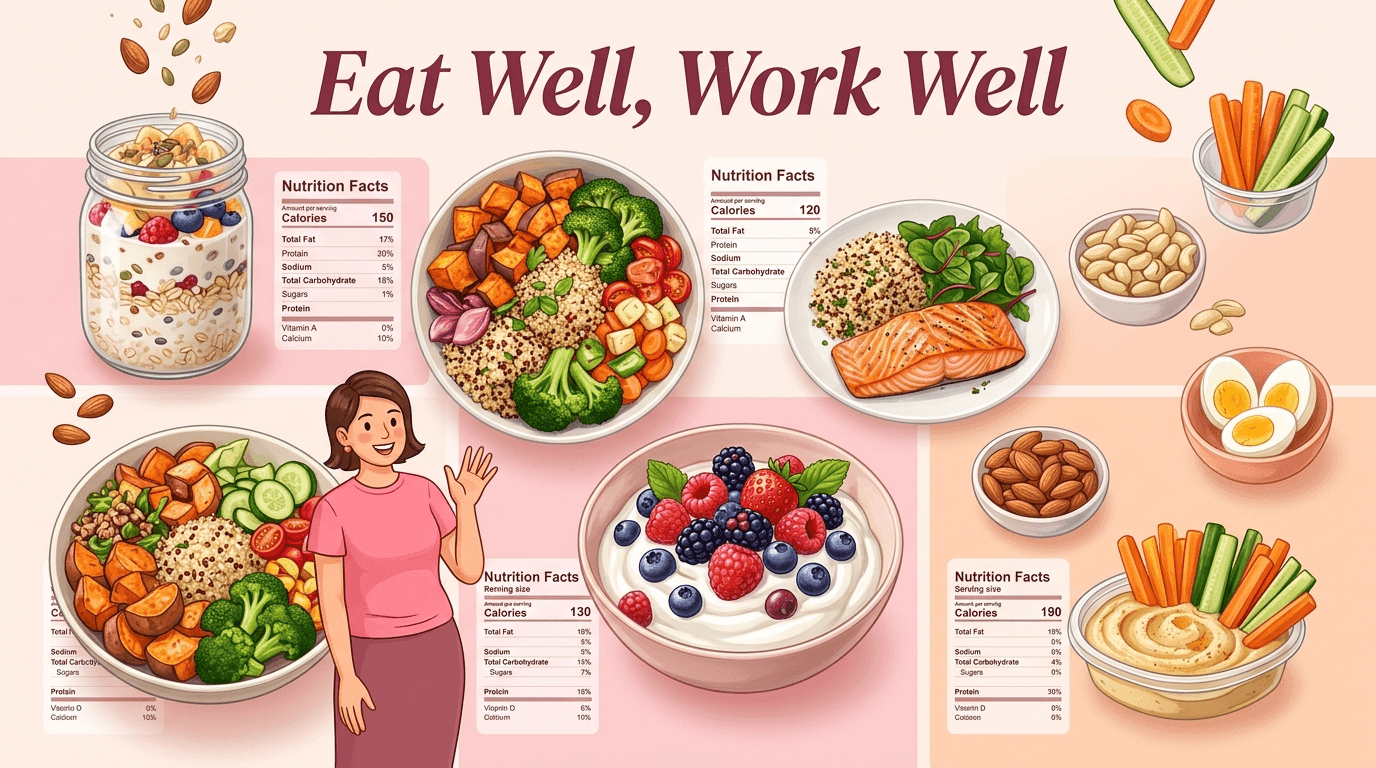
Prioritize multitasking ingredients: chia seeds (fiber + omega-3s), rotisserie chicken (protein + time-saver), and frozen riced cauliflower (veggies + quick prep). Dark leafy greens should appear daily—blend into smoothies or toss with olive oil as a 2-minute side. Keep emergency desk snacks like individual nut butter packets and whole grain crackers—they provide satiating fats without refrigeration. Pre-cut veggies like baby carrots save time during busy weeks.
Meal Planning Ideas for Working Women
Breakfast efficiency comes from 'dual-path prep'—overnight oats with chia seeds for early mornings, and microwave egg muffins with spinach on rushed days. Office workers who eat within an hour of waking report 27% better decision-making before lunch compared to those who skip breakfast or just grab coffee.
Desk lunches should pass the 'no microwave needed' test—try mason jar salads (dressing at bottom), bento boxes with hummus and veggie sticks, or wrap sandwiches with hearty fillings like turkey and avocado. These options maintain freshness for 4+ hours and prevent the post-lunch drowsiness caused by heavy takeout meals.
Evening meal success hinges on strategic leftovers—cooking double portions of proteins like salmon or chicken thighs on Tuesday means Wednesday's dinner assembles in 10 minutes. Sheet pan meals with Brussels sprouts and sweet potatoes roast while you unwind, providing two meals worth of veggies with minimal cleanup.
Smart snacking bridges energy gaps between meetings without sugar crashes. Individual packs of olives, roasted chickpeas, or string cheese provide protein and healthy fats. For sweet cravings, keep dark chocolate-covered almonds—they satisfy cravings while providing magnesium to combat work stress.
Grocery efficiency improves dramatically with categorized lists—perimeter first (produce, dairy), then pantry staples. Those who shop with digital lists organized by store section save 22 minutes weekly and reduce impulse buys by 35%. Apps can auto-generate lists based on planned meals while flagging overlapping ingredients.
Breakfast, lunch, and dinner ideas for Working Women
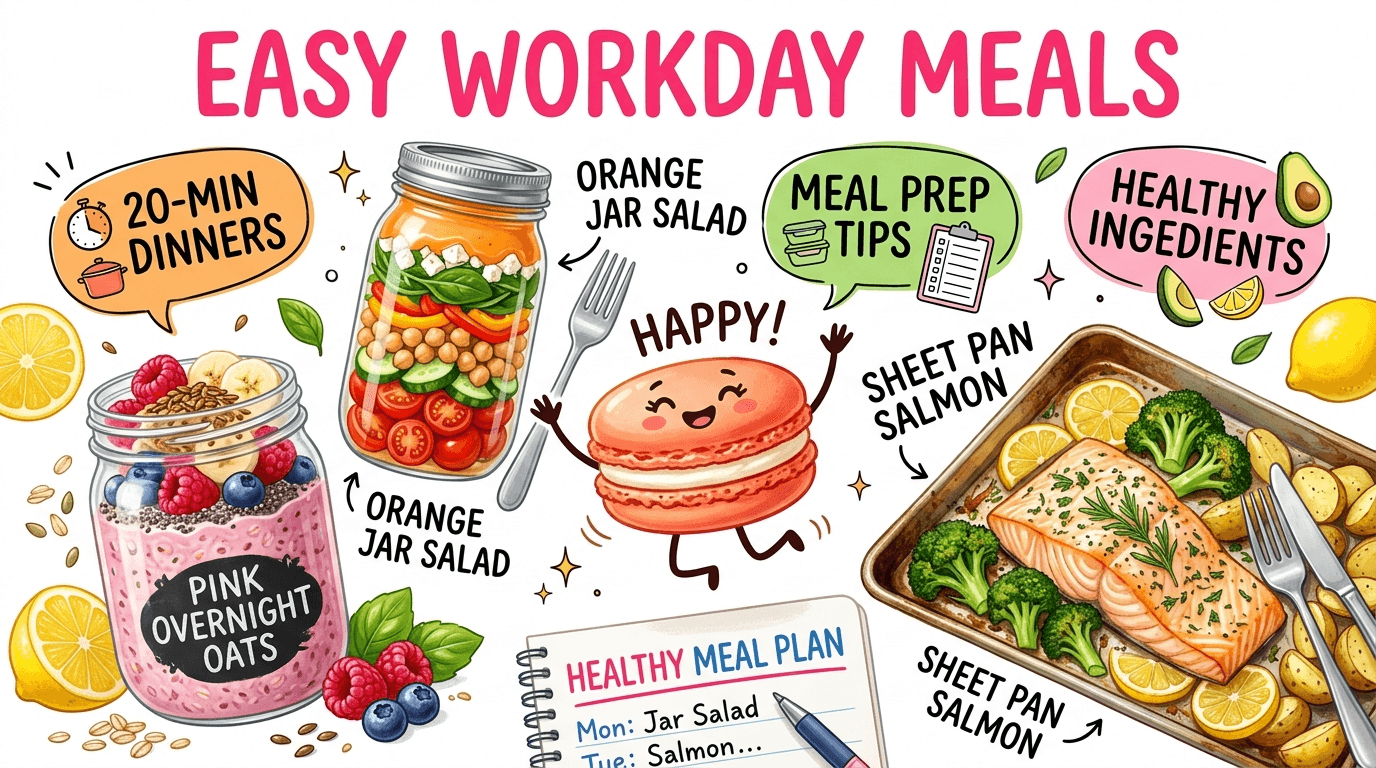
Morning: Microwave egg muffins with spinach or overnight oats with chia seeds. Noon: Mason jar salads with dressing at bottom or Mediterranean chickpea salads with feta. Evening: 20-minute stir-fries with frozen veggies or sheet pan meals roasting while you unwind. Pro tip: Cook double batches of grains on Sunday—quinoa stays fresh for 5 days when stored with a paper towel to absorb moisture.
Snacks and drinks to add to a meal plan for Working Women
Choose shelf-stable options that balance macros: roasted edamame (protein + fiber), individual almond butter packets (healthy fats), and turkey jerky (lean protein). For hydration, alternate plain water with coconut water (natural electrolytes) and herbal teas like ginger (digestive aid). Limit caffeine after 2pm—switch to roasted dandelion root tea which mimics coffee's richness without sleep disruption.
Common mistakes when planning meals for Working Women
Skipping protein at breakfast leads to mid-morning crashes—even adding cottage cheese to toast helps. Over-prepping perishable ingredients wastes food—freeze half your batch-cooked grains immediately. Neglecting freezer meals for emergencies increases takeout reliance—keep individual portions of chili or soup for last-minute dinners. Always carry a reusable water bottle—dehydration mimics hunger cues.
How Macaron helps Working Women plan meals faster
The app automates grocery lists based on your meal plan, suggesting quick recipes matching your calendar (like 15-minute meals on late meeting days). It tracks nutrition goals by scanning barcodes of store-bought items, and flags overlapping ingredients across planned meals to reduce waste. The 'emergency meal' feature suggests pantry-based options when schedules change unexpectedly.
Frequently Asked Questions
Calorie needs vary by activity: sedentary office workers typically require 1,800-2,000 calories, while active professionals or gym-goers may need 2,200-2,400. Instead of counting calories, focus on the 'plate quartering' method—half vegetables, a quarter protein (chicken, tofu), and a quarter complex carbs (quinoa, sweet potato). This naturally balances intake while ensuring adequate fiber and micronutrients for sustained energy through long workdays.
Rotisserie chicken, canned tuna, and hard-boiled eggs require zero prep time. Greek yogurt and cottage cheese offer quick morning options—pair with fruit for balance. For desk snacks, individual nut butter packets or turkey jerky provide portable protein. Pre-cooked lentils (sold refrigerated) make easy salad toppers—just rinse and add.
Prepare 'emergency kits' with freezer-friendly components: cooked grains in 1-cup portions, roasted vegetables, and individually wrapped proteins. When ordering takeout, apply the '50% rule'—ensure half your meal is vegetables (stir-fries, salads). Keep microwaveable quinoa packets and frozen veggie blends at the office—they cook in 3 minutes with hot water from the coffee maker.
Iron (combat fatigue from long hours), vitamin D (office workers often lack sunlight exposure), magnesium (helps manage work stress), and B vitamins (support energy metabolism). While supplements help, food sources like spinach (iron), salmon (vitamin D), pumpkin seeds (magnesium), and eggs (B vitamins) provide better absorption alongside other nutrients.
Most successful planners dedicate 2 hours weekly—1 hour for grocery shopping and 1 hour for batch cooking staples. Focus on components rather than complete meals: roast two sheet pans of vegetables, cook a big batch of grains, and portion out proteins. Store in clear glass containers for easy identification—this allows mix-and-match flexibility throughout unpredictable work weeks.
Helpful for particularly busy weeks but often expensive long-term. Better to master 5-10 quick recipes (like sheet pan meals or 15-minute stir-fries) and supplement with grocery store prepared foods when needed. Many stores now offer pre-chopped veggies and pre-marinated proteins that cut prep time in half.
Complex carbs (oatmeal, sweet potatoes) stabilize mood by supporting serotonin production. Omega-3s (salmon, walnuts) support brain function during mentally taxing days. Dark chocolate (70%+) provides quick stress relief—keep individually wrapped squares at your desk. Herbal teas like chamomile or lemon balm help relax after stressful meetings.
Set phone reminders for every 90 minutes, keep a visible 32oz water bottle with time markers, and choose hydrating foods (soups, watermelon). Alternate coffee with herbal tea—peppermint or ginger varieties provide flavor without caffeine crashes. Apps can track your intake and sync reminders to your calendar's meeting gaps.
Read & discover
AI Personal Assistant
Free calculators


