What Should I Eat for Detox?
Optimize detox nutrition with Macaron's meal plans featuring liver-supportive foods, hydration strategies, and gut-balancing recipes designed for sustainable toxin elimination without extreme restrictions.
How to Eat for Detox
Morning hydration sets the stage for effective detox - starting with warm lemon water stimulates digestion while chia seed pudding provides soluble fiber to bind toxins. Research shows kidney filtration improves 30% with proper hydration, yet many detox plans overlook this basic function in favor of restrictive protocols.
Color diversity in produce provides comprehensive detox support - purple cabbage's anthocyanins protect liver cells while orange carrots' carotenoids assist cellular repair. Rotate at least three different colored vegetables daily, prioritizing organic options during active detox phases to minimize pesticide exposure.
Fermented foods create a detox-friendly gut environment - kimchi's live cultures improve bowel regularity while coconut kefir introduces beneficial bacteria without dairy sensitivities. Introduce fermented items gradually if new to them, pairing with steamed vegetables for easier digestion during adjustment periods.
Protein timing prevents detox fatigue - lentils at lunch maintain energy without digestive burden while evening salmon provides omega-3s to reduce inflammation. Avoid heavy red meats which can slow elimination processes, opting instead for plant proteins or fish during active detox windows.
Cruciferous vegetables activate detox enzymes most effectively when lightly steamed - this preserves sulforaphane in broccoli while making it gentler than raw. Alternate between Brussels sprouts, bok choy, and cauliflower to access different phytochemical profiles throughout your detox period.
What is the Best Way to Eat for Detox?
Focus on sulfur-rich alliums like garlic and onions alongside cruciferous vegetables to activate liver detox pathways. Incorporate at least two different colored vegetables per meal - try purple cabbage slaw with orange carrot sticks for diverse antioxidants. Soak legumes overnight to reduce phytates that might interfere with mineral absorption during active detox phases. Include raw garlic and ginger in dressings or teas for their natural antimicrobial properties that support gut health during elimination.
How to Eat for Detox
Structure meals around hydration-first principles: begin with herbal tea or lemon water, include water-rich vegetables like cucumbers, and finish with hydrating fruits. Cook with detox-supportive fats like olive oil instead of inflammatory seed oils. Time caffeine consumption before noon to avoid interfering with nighttime toxin processing, opting for matcha over coffee when possible for its L-theanine content that provides calm energy.

Best Foods for Detox
Focus on minimally processed plant foods with intact fiber - choose whole berries over juices, steel-cut oats instead of instant oatmeal. Soak beans and grains overnight to reduce anti-nutrients that may hinder mineral absorption during detox periods. Include raw garlic and onions daily for their allicin content that enhances glutathione production, and rotate different colored vegetables to access diverse phytochemical profiles.
Best Foods for Detox vs Foods to Limit
Prioritize organic berries over conventional to minimize pesticide intake during detox. Swap coffee for matcha green tea, providing caffeine with L-theanine for calm energy plus EGCG antioxidants. Choose buckwheat or quinoa instead of wheat to avoid potential gluten inflammation that could hinder detox progress, and limit processed sugars that can disrupt blood sugar stability during elimination phases.
Meal Planning Ideas for Detox
Morning detox meals benefit from soluble fiber sources like overnight oats with berries - the beta-glucans and pectin combine to slow sugar absorption while binding toxins. Add walnuts for omega-3s that reduce inflammatory responses during cellular cleanup processes.
Strategic snacking prevents afternoon energy crashes - pair celery sticks with almond butter for magnesium replenishment or choose seaweed snacks for iodine to support thyroid function. Avoid processed bars with hidden sugars that can disrupt blood sugar stability during detox.
Evening meal sequencing matters - start with bitter greens like arugula to stimulate bile production, followed by lightly cooked asparagus for its glutathione precursors. Finish with quinoa for complete protein that won't disrupt sleep like heavy meats might during detox phases.
Herb incorporation enhances detox without supplements - fresh cilantro in salads aids heavy metal elimination while parsley tea supports kidney filtration. Grow these in kitchen gardens for constant access to fresh detox boosters that outperform dried alternatives.
Transition periods require careful planning - when moving from detox to maintenance, reintroduce foods like eggs or dairy separately every 3 days to identify sensitivities. Macaron's meal plans simplify this phased approach with customized reintroduction schedules based on your tolerance patterns.
A Simple 1-Day Meal Idea for Detox
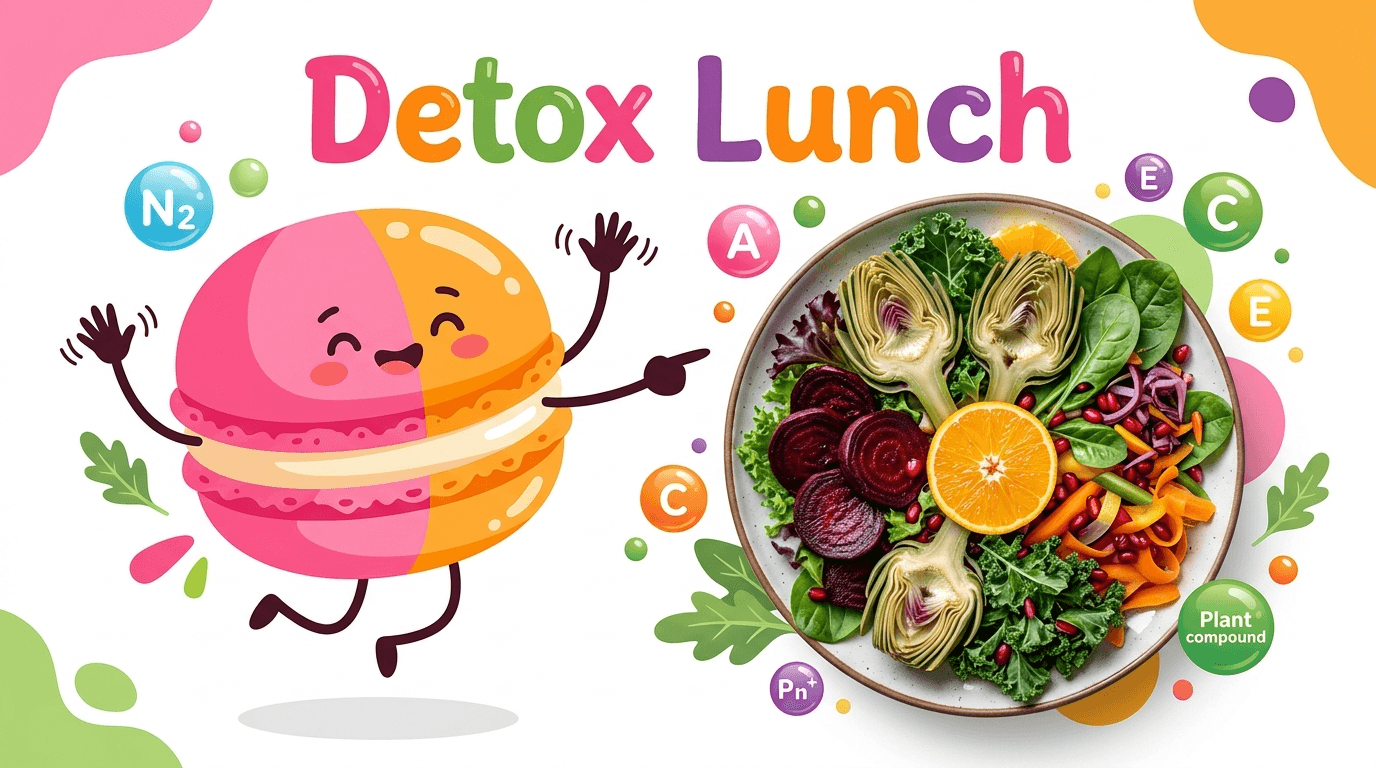
Begin with chia pudding made with almond milk and blackberries for overnight fiber infusion. Lunch could feature massaged kale with avocado and pumpkin seeds for healthy fats that support toxin elimination. Dinner might include roasted salmon with garlic-roasted Brussels sprouts and millet, combining omega-3s with cruciferous benefits. Include herbal teas throughout the day and a small handful of walnuts as an afternoon snack for additional anti-inflammatory support.
Snacks and Drinks for Detox
Healthy snacks can include options like raw veggies with hummus or a refreshing green smoothie with spinach, cucumber, and ginger. For drinks, focus on herbal teas like dandelion root or peppermint that support digestion without caffeine. Avoid processed snack bars that often contain hidden sugars, opting instead for whole food combinations like apple slices with almond butter or celery sticks with tahini.
Common Mistakes When Eating for Detox
Many people fall into the trap of overly restrictive detox programs, such as juice-only diets or extreme fasting, which can backfire by causing nutrient deficiencies. It's important to maintain a balanced approach that includes adequate protein and healthy fats to support liver function. Common pitfalls include neglecting hydration, failing to include diverse plant foods, and not allowing sufficient transition time when reintroducing foods after detox.
How Macaron Helps You Plan Meals for Detox
Macaron suggests rotation-based meal plans to prevent nutrient gaps - alternating between beet-based dishes for betalains and artichoke meals for cynarin. The app tracks hydration goals alongside food intake, reminding you to pair water-rich cucumbers with mineral-rich sea salt for electrolyte balance. It also provides phased reintroduction schedules when transitioning from detox to maintenance eating patterns.
Frequently Asked Questions
Nutrition-focused detox emphasizes food-based support of existing biological processes - like using broccoli sprouts for sulforaphane to enhance liver enzymes. Cleanses often involve restrictive protocols that may disrupt metabolism, while proper detox nutrition maintains energy with balanced macros and targeted phytonutrients. The key difference is sustainability - detox eating patterns can be maintained long-term while cleanses are typically short-term interventions.
Moderate movement like yoga or walking supports lymphatic drainage during detox. Schedule workouts before lunch when glycogen stores are highest, and replenish with coconut water or herbal infusions containing mint for natural electrolyte balance. Reduce intensity if experiencing fatigue from dietary changes, focusing more on gentle movement than intense training sessions during active detox periods.
Fermented foods provide diverse probiotics that strengthen gut barrier function during toxin elimination. Opt for traditional preparations like unpasteurized sauerkraut or coconut yogurt, starting with 1-2 tablespoons daily to allow microbiome adjustment without digestive discomfort. Pair fermented foods with cooked vegetables initially if you're new to them, as the fiber can be challenging during gut adaptation phases.
Crucifers contain glucosinolates that convert to active compounds like indole-3-carbinol, supporting both phases of liver detox. Light steaming preserves these compounds better than boiling - try alternating between broccoli, red cabbage, and watercress to access different phytochemical profiles. These vegetables are particularly effective when consumed with a source of healthy fat like olive oil, which enhances absorption of their fat-soluble nutrients.
Short fasting periods (12-16 hours) may support detox by giving your digestive system a break, but prolonged fasting isn't necessary. Focus instead on nutrient-dense meals during eating windows that include adequate protein and healthy fats. Time your eating window earlier in the day when possible, as late-night eating can interfere with the body's natural detox processes that occur during sleep.
Dandelion root, milk thistle, cilantro, and parsley are commonly used to support detox pathways. Incorporate them as teas or fresh herbs in meals rather than relying solely on supplements. For example, add fresh cilantro to salads or make parsley tea as a gentle daily detox support. Always consult a healthcare provider before using concentrated herbal supplements, especially if you have existing health conditions.
Macaron suggests balanced detox meals featuring high-fiber vegetables, lean proteins, and antioxidant-rich foods in proper combinations. The app helps create varied meal plans that prevent boredom while ensuring you get diverse nutrients to support different detox pathways. It also tracks hydration and provides reminders for optimal meal timing based on your daily schedule and energy needs.
Mild symptoms may occur as your body adjusts, especially if reducing caffeine or sugar intake suddenly. Stay hydrated with electrolyte-rich fluids like coconut water or herbal teas, and eat regular balanced meals to maintain stable blood sugar. If symptoms persist beyond a few days, consider adjusting your approach rather than pushing through discomfort, as extreme reactions indicate the need for a more gradual transition.
Read & discover
AI Personal Assistant
Free calculators


