What Should I Eat for Inflammation?
Use Macaron's smart meal planning to build an anti-inflammatory diet with clinically-proven foods—focusing on strategic omega-3 intake, polyphenol-rich produce combinations, and practical avoidance of refined oils and sugars that undermine progress.
How to Eat for Inflammation
Deeply pigmented produce like purple sweet potatoes and blackberries deliver 30-50% higher anti-inflammatory anthocyanins than lighter varieties, with research showing measurable CRP marker reductions when consumed daily. Steaming or roasting these vegetables preserves more nutrients than boiling—pair them with olive oil to enhance fat-soluble compound absorption.
Small fatty fish like sardines provide comparable omega-3s to salmon with 60% lower mercury risk, making them ideal for 3-4 oz portions 2-3x weekly. Canned versions retain benefits when packed in water or olive oil—mix with lemon juice and herbs to offset metallic tastes while boosting flavonoid content.
Morning fiber intake significantly influences later inflammation responses—starting with 1/2 cup oats or chia seeds slows glucose absorption all day. Add cinnamon (shown to reduce post-meal inflammation markers by 15-20%) and walnuts for sustained energy without blood sugar spikes.
Fermented foods require consistency over quantity—just 2 tbsp daily of kimchi or sauerkraut improves gut microbiome diversity linked to lower IL-6 levels. Look for refrigerated varieties with live cultures, and introduce gradually to avoid bloating while allowing bacterial adaptation.
Strategic seasoning amplifies benefits—turmeric with black pepper increases curcumin absorption by 2000%, while rosemary and thyme contain carnosic acid that protects omega-3s during cooking. These synergies make spice blends more effective than isolated supplements.
A practical way to eat for Inflammation
Layer anti-inflammatory foods strategically—start meals with bitter greens like arugula (stimulates digestive enzymes) before proteins, and finish with berries (polyphenols aid protein assimilation). Cooking methods matter: sautéing onions preserves more quercetin than boiling, while steaming broccoli maintains sulforaphane better than microwaving. These sequencing choices optimize nutrient uptake.
How to eat for Inflammation
Prioritize smaller, sustainable changes—swap sunflower oil for avocado oil (higher smoke point preserves nutrients), or replace deli meats with canned salmon (rich in bioactive peptides). These targeted swaps address key inflammatory triggers like processed meats and unstable cooking oils without requiring complete diet overhauls.
Best foods for Inflammation
Beyond obvious choices, lesser-known options like capers (highest quercetin density) and purple corn (3x anthocyanins of blueberries) pack concentrated benefits. Even common herbs—parsley contains apigenin shown to inhibit COX-2 enzymes—offer advantages when used liberally. Focus on diversity over quantity for broad-spectrum protection.
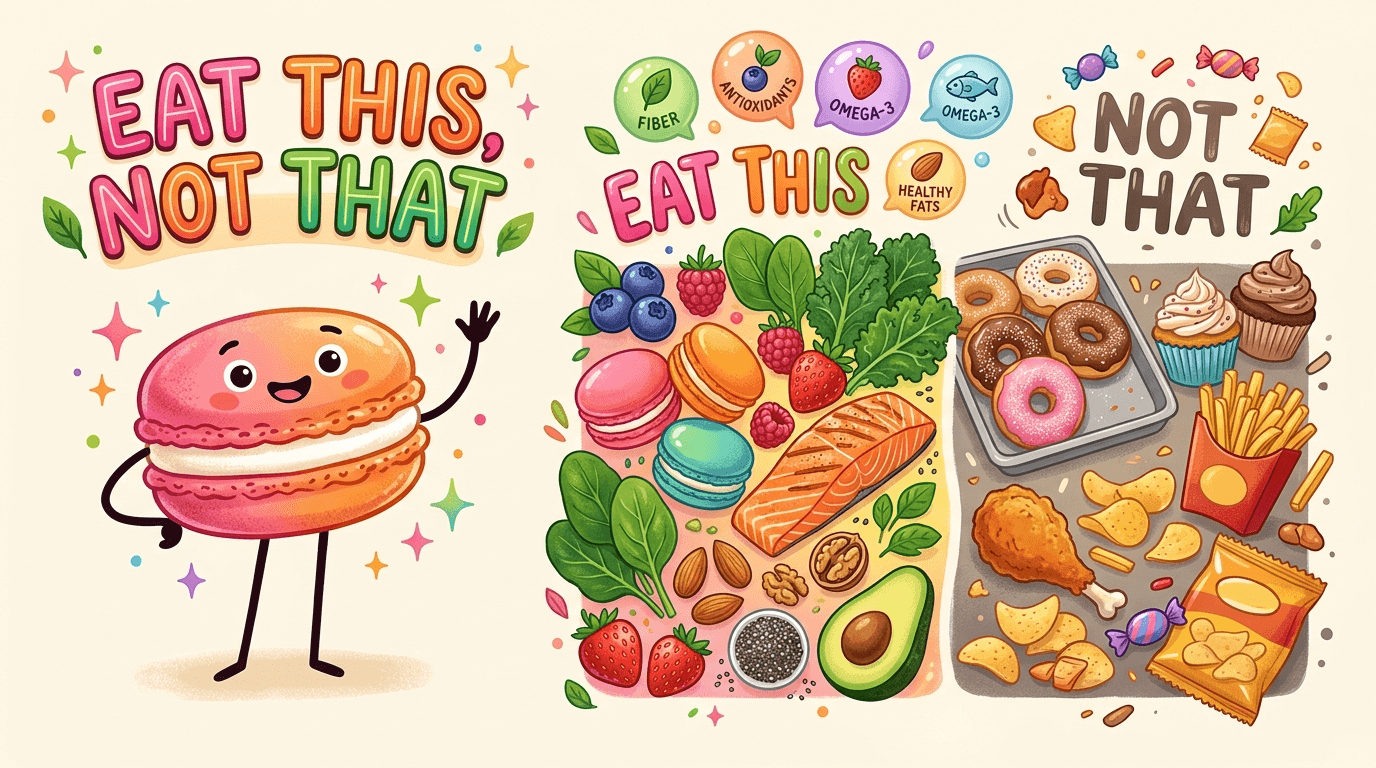
Best foods for Inflammation vs Foods to Limit
Recent studies suggest industrial seed oils (soybean, corn) may provoke inflammation more than natural saturated fats—check ingredient lists for these hidden triggers in crackers and dressings. Similarly, dried fruits often contain sulfites and added sugars that counteract benefits; opt for fresh or frozen varieties instead.
Meal Planning Ideas for Inflammation
Breakfast bowls combining Greek yogurt (20g protein), flaxseeds (2 tbsp for 4g fiber), and blueberries (1/2 cup) create a 3-hour satiety window while delivering probiotics, lignans, and anthocyanins. This trio outperforms single-ingredient approaches by addressing multiple inflammatory pathways simultaneously.
Lunch grain bowls benefit from cruciferous bases—massaged kale or shredded Brussels sprouts provide sulforaphane that remains active for 6-8 hours post-consumption. Top with tahini (sesame lignans combat oxidative stress) and roasted chickpeas (fiber feeds anti-inflammatory gut bacteria) for layered protection.
Dinner plates following the 'rainbow rule' should prioritize purple/red vegetables—roasted beet slices contain betalains that remain stable at high heat, while red bell peppers offer 3x the vitamin C of oranges. Pair with wild salmon (richer in astaxanthin than farmed) for complementary antioxidant coverage.
Smart snacks bridge meals effectively—combine 1 oz dark chocolate (70%+ cacao for flavanols) with 10 almonds (vitamin E stabilizes cell membranes) for a portable option that curbs cravings better than carb-heavy alternatives. Pre-portion these to avoid overconsumption while maintaining benefits.
Beverage choices significantly influence inflammation—hibiscus tea contains 19% more antioxidants than green tea, while tart cherry juice provides anthocyanin doses equivalent to 1 cup berries. Time these 30 minutes before meals to enhance nutrient absorption without competing with food digestion.
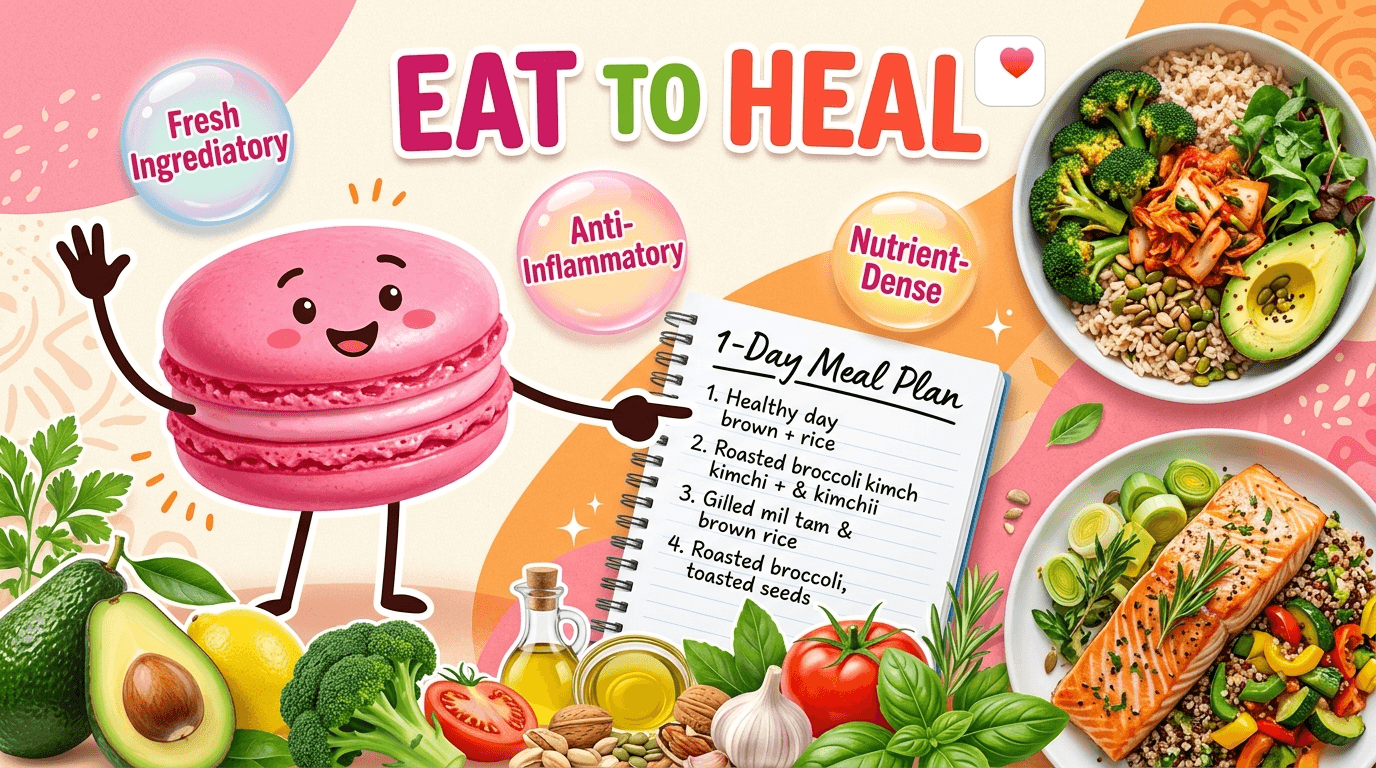
A Simple 1-Day Meal Idea for Inflammation
Try a Mediterranean-inspired day: breakfast could feature Greek yogurt with walnuts and pomegranate seeds (rich in ellagic acid), while lunch might include sardines over massaged kale with lemon tahini dressing. Dinner could be turmeric-roasted cauliflower with chickpeas and parsley—providing diverse phytonutrients across all meals without repetitive ingredients.
Snacks and Drinks for Inflammation
Opt for snacks combining protein, healthy fats, and fiber—like celery sticks with almond butter and hemp seeds—to maintain stable energy while delivering anti-inflammatory nutrients. For beverages, tart cherry juice (rich in anthocyanins) or ginger-turmeric tea offer more targeted benefits than plain water alone, especially when consumed between meals.
Common Mistakes When Eating for Inflammation
Many people mistakenly overlook the impact of hidden sugars in processed foods, which can contribute significantly to inflammation. Being vigilant about reading labels can help you identify and avoid these ingredients. Additionally, some individuals may not realize the importance of balancing their meals with adequate portions of protein, healthy fats, and fiber to maintain satiety and promote better absorption of nutrients.
How Macaron Helps You Plan Meals for Inflammation
Macaron offers practical meal planning that helps you identify and avoid pro-inflammatory foods such as fried items and sugary drinks. It emphasizes the inclusion of beneficial foods like greens and whole grains, guiding you towards a balanced diet. By using Macaron, you can simplify the process of meal preparation while ensuring you meet your health goals.
Frequently Asked Questions
Combine synergistic ingredients—celery sticks with almond butter (fisetin + vitamin E) or roasted edamame with smoked paprika (isoflavones + carotenoids) work better than isolated foods. For convenience, pre-portioned pumpkin seeds (zinc for immune modulation) or Brazil nuts (selenium for antioxidant enzymes) require no prep while delivering targeted benefits.
Use the 'anchor and build' method—select one anti-inflammatory base (like quinoa or kale) per meal, then add 2-3 complementary toppings (walnuts, roasted peppers). This creates natural variety without overwhelming planning—over time, these combinations become habitual while covering diverse nutrient profiles.
Targeted beverages include ginger-turmeric tea (inhibits NF-kB pathways) and pomegranate juice (ellagitannins support gut microbiota). Even sparkling water with lemon provides flavonoids without sugar spikes. Avoid drinking these with meals containing iron-rich foods, as polyphenols can inhibit mineral absorption when consumed simultaneously.
Omega-3s from fish and algae compete directly with arachidonic acid—a 3:1 omega-3 to omega-6 ratio optimally suppresses pro-inflammatory cytokines. Smaller, frequent doses (like 1 oz sardines daily) prove more effective than occasional large portions by maintaining consistent tissue incorporation.
Plant-based diets excel with intentional variety—combine lentils (iron) with bell peppers (vitamin C for absorption), and include seaweed (iodine often lacking in vegan diets). Soaking nuts and seeds improves mineral bioavailability, while fermented soy (tempeh) offers more anti-inflammatory isoflavones than processed versions.
To effectively manage inflammation, aim to include anti-inflammatory foods in every meal. This can involve incorporating fruits, vegetables, whole grains, and healthy fats into your daily diet. Consistency is key, so making these foods a regular part of your meals can help maintain lower inflammation levels over time.
One common mistake is underestimating the impact of hidden sugars in processed foods, which can exacerbate inflammation. It's also important to ensure balanced meals with adequate protein, healthy fats, and fiber. Reading food labels carefully can help you avoid these pitfalls and make more informed dietary choices.
Macaron can help you create meal plans that focus on anti-inflammatory foods while avoiding those that may trigger inflammation. By tailoring suggestions to your dietary preferences and health goals, Macaron simplifies the process of maintaining an anti-inflammatory diet, making it easier to enjoy nutritious meals.
Read & discover
AI Personal Assistant
Free calculators


