Healthy Meal Plan for Alkaline Diet
The alkaline diet focuses on pH-balancing whole foods like leafy greens, soaked nuts, and citrus fruits while reducing acid-forming options. Our guide simplifies meal planning with research-backed food lists, prep techniques to enhance mineral absorption, and realistic strategies for maintaining this eating pattern.
Meal Plan Basics for Alkaline Diet
Leafy greens like kale and Swiss chard form the foundation of alkaline eating, providing magnesium and potassium that help balance pH. Unlike typical plant-based diets, this approach excludes most animal proteins and processed grains entirely, focusing instead on mineral-dense plants. Meal prep shortcuts include pre-washing greens with damp paper towels to maintain crispness and batch-cooking quinoa for versatile bases.
While citrus fruits taste acidic, their high citrate content creates alkaline byproducts during digestion. This explains why lemons rank higher than neutral-tasting grains on pH charts. Reddit discussions reveal common confusion around this paradox, with many beginners mistakenly avoiding tart fruits that actually support alkalinity.
Soaking nuts overnight boosts their alkalizing potential—almonds gain 30% more bioavailable magnesium after 12 hours in water. Sprouting grains like millet similarly increases mineral absorption. These prep methods matter more than raw versus cooked debates, as preparation significantly impacts final pH effect.
Transition challenges include finding satisfying protein swaps—creamy tahini replaces dairy in dressings, while portobello mushrooms provide meaty texture without acid-forming properties. Many beginners report fatigue from hydration gaps, as water transports alkalizing minerals throughout the body.
Dining out requires specific adjustments: request olive oil instead of vinegar-based dressings, choose steamed over sautéed vegetables, and opt for lentil bowls instead of pasta. Ethnic cuisines like Ethiopian (teff) and Indian (dal) naturally incorporate alkaline staples.
How a meal plan for Alkaline Diet works
This eating pattern focuses on foods that metabolize into alkaline byproducts, prioritizing magnesium-rich leafy greens and potassium-packed fruits. While urine pH may shift quickly, blood pH remains tightly regulated—the real benefits come from increased intake of anti-inflammatory plant compounds. Key markers include consuming 60-70% alkaline vegetables daily, with strategic soaking of nuts and sprouting of grains to enhance mineral bioavailability.
How to build a meal plan for Alkaline Diet
Structure meals with 60-70% alkaline vegetables (kale, spinach, broccoli), 20-30% plant proteins (tofu, lentils, chickpeas), and 10% alkaline grains like quinoa. Snack on mineral-rich options: almonds activate alkaline enzymes when soaked overnight, while watermelon provides hydrating electrolytes.
Best foods to include in a meal plan for Alkaline Diet
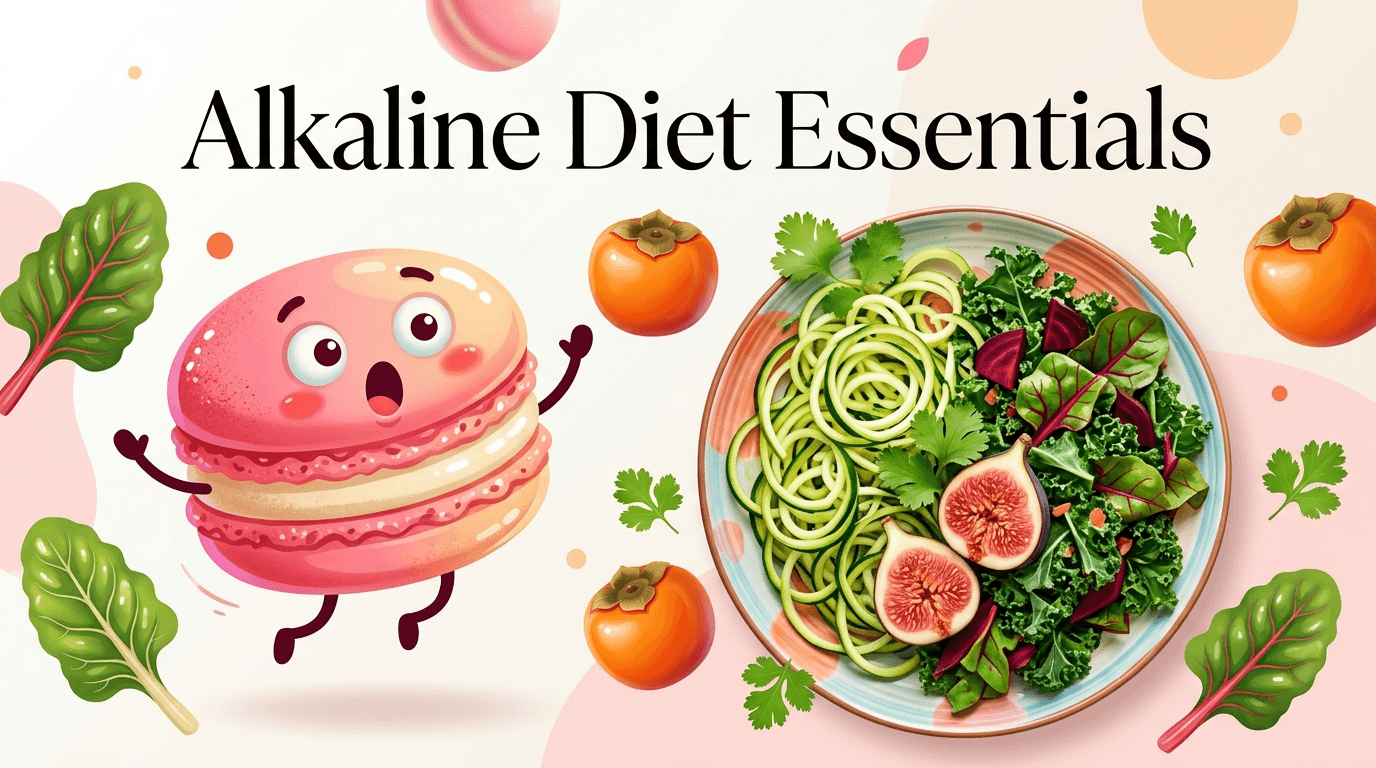
Prioritize vegetables with exceptional mineral density like beet greens (potassium) and cruciferous varieties (magnesium). Citrus fruits and persimmons offer alkalizing citrate despite initial acidity. Preparation matters—spiralized zucchini retains more magnesium than cooked, while overnight-soaked almonds provide enzymes missing in roasted versions. Fresh herbs like cilantro contain unique pH-regulating compounds, making them potent flavor boosters.
Meal plan for Alkaline Diet vs a balanced meal plan
While both emphasize plants, alkaline eating restricts more food groups (like animal proteins) and focuses specifically on pH impact rather than general nutrition.
Meal Planning Ideas for Alkaline Diet
Batch cooking cruciferous vegetables with quinoa creates versatile alkaline meal bases that save time. Store pre-chopped vegetables like jicama and bell peppers in airtight containers with damp towels to maintain crunch for quick salads. These weekly prep habits prevent reliance on acid-forming convenience foods.
Strategic soaking transforms pantry staples—chia seeds develop gelatinous textures ideal for alkaline puddings, while raw almonds become creamier for homemade milk. These preparations maximize mineral absorption compared to dry-roasted versions, with Reddit users reporting better digestion from activated nuts.
Tomatoes demonstrate key preparation tradeoffs—light steaming increases lycopene absorption despite reducing alkalinity slightly. Similarly, cooked spinach offers more bioavailable iron while raw retains more magnesium. These nuances show why varied prep methods work better than strict raw-only approaches.
Portable alkaline snacks prevent diet derailment—celery sticks with almond butter travel well, while coconut water packets provide emergency electrolytes. Smart swaps include using dates to sweeten homemade almond milk instead of sugar, and choosing baked kale chips over acidic potato chips.
Hydration supports alkalinity beyond just water—hibiscus tea offers flavorful antioxidants without coffee's acidity, while cucumber-infused water enhances hydration. Many overlook that herbal teas like peppermint count toward daily fluid intake while maintaining pH balance.
A 1-day meal plan for Alkaline Diet
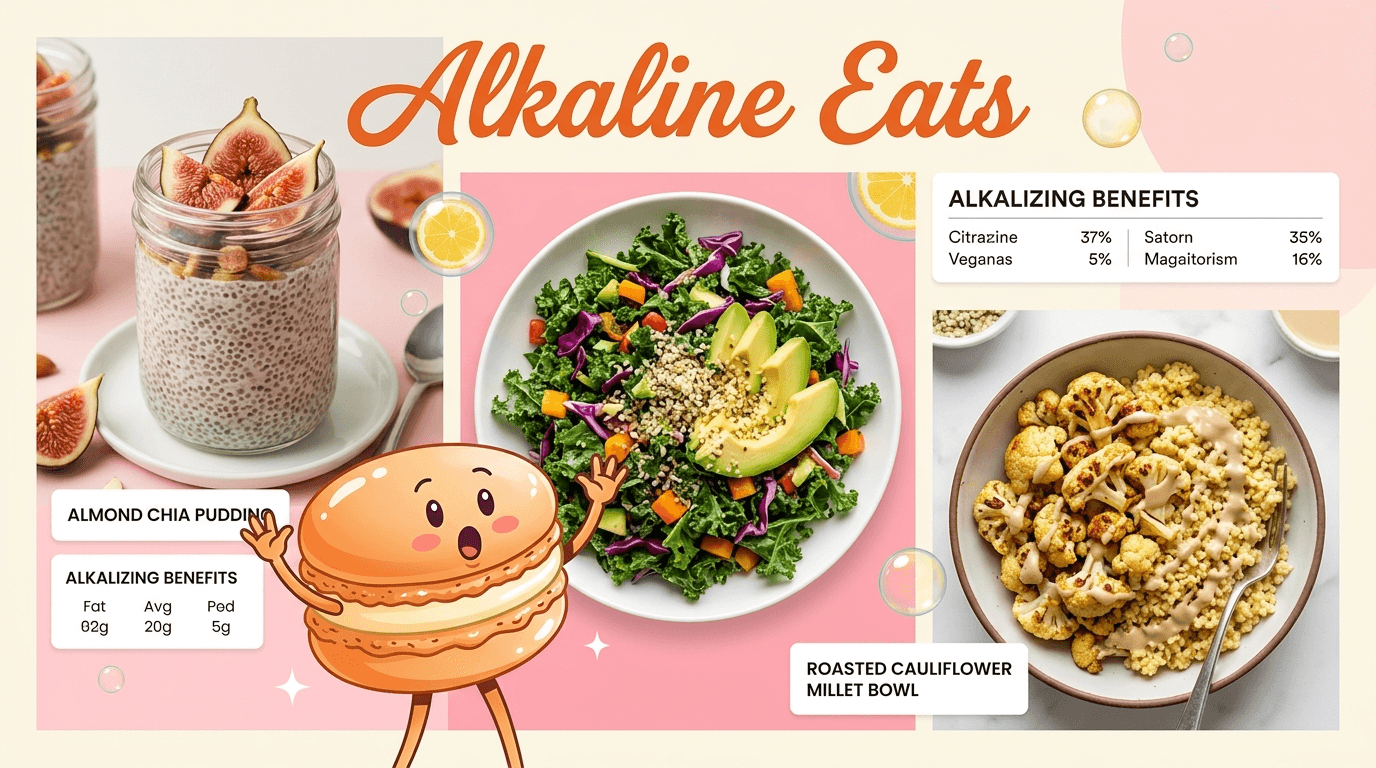
Breakfast: Soaked almond chia pudding with figs leverages overnight activation for maximum mineral absorption. Lunch: Massaged kale salad with avocado and hemp seeds uses citrus dressing—the lemon's paradoxical alkalizing effect enhances greens' nutrient uptake. Dinner: Roasted cauliflower-millet bowl with tahini sauce provides sustained energy without acid-forming proteins, while tahini's calcium balances the meal's pH impact.
Snacks, swaps, and grocery shortcuts for a Alkaline Diet meal plan
Keep portable alkaline snacks like celery sticks with almond butter or coconut water packets for emergencies. Swap dairy milk for homemade almond milk blended with dates, replace white rice with magnesium-rich quinoa, and choose baked kale chips over potato chips. Pre-cut vegetables like jicama and bell peppers streamline salad prep while maintaining crunch.
Common meal plan mistakes on Alkaline Diet
Over-restriction backfires—some acidic foods like apple cider vinegar support digestion despite initial pH. Hydration gaps cause fatigue by impairing mineral transport. Many beginners overlook preparation methods—soaking nuts unlocks nutrients while overcooking greens depletes magnesium. Reddit threads reveal excessive focus on urine pH strips rather than overall nutrient density as another common pitfall.
How Macaron helps you stick to a Alkaline Diet meal plan
Macaron makes alkaline eating easier by translating a vague food philosophy into repeatable grocery choices and simple meals. You can build around greens, legumes, fruit, herbs, nuts, and grain options that fit your version of the plan, then reuse those meals without rechecking every ingredient list from scratch. The planner is especially helpful when you want to batch prep salads, bowls, soups, and snacks that feel alkaline-leaning without becoming repetitive. That turns the diet from a list of rules into a workable weekly routine.
Frequently Asked Questions
Regular coffee's high acidity makes it challenging, but cold brew methods reduce acid content by nearly 70%. Some practitioners allow small amounts paired with alkalizing almond milk and cinnamon—the milk's calcium helps neutralize coffee's pH impact. Herbal alternatives like roasted dandelion root mimic coffee's flavor without acidity, while matcha provides caffeine with higher antioxidant levels that support alkalinity.
Yes, bananas are alkaline-forming despite their initial acidity due to their high potassium content. They make convenient snacks alongside other alkaline fruits like melons and berries. For optimal benefits, pair bananas with magnesium-rich foods like almond butter—this combination supports better mineral absorption than eating either food alone.
While urine pH may shift within days, blood pH remains tightly regulated regardless of diet. Most reported benefits—like improved energy—stem from the diet's high nutrient density rather than pH changes. A 2021 Journal of Environmental and Public Health study found alkaline diet followers consumed more magnesium and more potassium than standard diets.
It can support weight loss for some people, but usually because the plan pushes meals toward vegetables, fruit, legumes, and less processed food rather than because pH itself is driving fat loss. If the diet helps you cook more at home, reduce snack foods, and build bigger meals around plants, calories often come down naturally. On the other hand, some people replace old foods with large amounts of nuts, smoothies, or energy-dense dressings and do not lose weight at all. So the outcome depends more on the overall pattern and portion balance than on the alkaline label.
Most alkaline diet versions treat eggs as more acid-forming than vegetables, fruit, and legumes, so they are usually limited rather than emphasized. That does not automatically make them unhealthy, but if you are following the plan closely, tofu, tempeh, lentils, white beans, and soaked nuts fit the framework more easily. In practice, many people do better by deciding how strict they want to be up front instead of constantly second-guessing every ingredient. A flexible plan is usually easier to maintain than a perfect one you abandon after a week.
Opt for lemon water (alkalizing after metabolism), herbal teas like peppermint or chamomile, and homemade nut milks without additives. Coconut water provides natural electrolytes, while alkaline water with added minerals offers hydration support. Avoid sodas, alcohol, and conventional coffee—their phosphoric acid and caffeine content counteract pH-balancing efforts.
Preparation methods create tradeoffs—steaming preserves more alkalizing minerals than boiling, which leaches nutrients into water. Raw spinach contains higher magnesium levels, but lightly cooked tomatoes show increased lycopene bioavailability. Fermentation creates beneficial probiotics while slightly increasing acidity, demonstrating the need for balanced preparation techniques across different food groups.
Macaron supports alkaline diet tracking by helping you see whether your week actually reflects the pattern you are aiming for, not just whether one meal looked healthy in isolation. You can save meals that lean heavily on greens, vegetables, legumes, fruit, and mineral-rich staples, then reuse them when you need a fast plan. The tracking is also helpful for spotting where processed foods, low-fluid days, or repetitive meals start crowding out the foods you wanted to prioritize. That kind of feedback is more practical than trying to memorize long alkaline-versus-acid food lists.
Read & discover
AI Personal Assistant
Free calculators


