Healthy Meal Plan for Athletes
Precision nutrition for peak performance: athlete-specific meal timing, macro balancing for your sport, and recovery foods backed by sports dietitians. Includes hydration hacks and batch-prep strategies that save 10+ weekly hours.
Meal Plan Basics for Athletes
Athletes' caloric needs vary dramatically by sport - swimmers may need 20% more healthy fats than runners for thermal insulation, while gymnasts often reduce carbs slightly to maintain lean muscle. The 50/25/25 macro split (carbs/protein/fats) serves as a flexible baseline, with endurance athletes adjusting to 60% carbs during heavy training phases.
Pre-cut frozen stir-fry veggies and canned beans offer the same micronutrients as fresh produce but cut prep time in half. Pair iron-rich spinach with citrus segments in meals to boost absorption by 40%, crucial for athletes prone to deficiencies. Batch-cook 3 protein sources (chicken, tofu, hard-boiled eggs) and 2 complex carbs (quinoa, sweet potatoes) weekly for grab-and-go assembly.
Post-workout nutrition timing matters most: consuming 20-40g protein with quick carbs (chocolate milk or turkey wrap) within 30 minutes accelerates muscle repair by 40% compared to delayed intake. Pre-training meals should prioritize fast-digesting carbs like bananas or white rice 60 minutes before activity.
Hydration needs spike during intense training - athletes often underestimate by 20-30%. Weigh yourself pre/post workout and drink 16-24oz fluid per pound lost. Electrolyte tablets or coconut water work better than plain water for sessions exceeding 60 minutes.
Common pitfalls include skipping post-workout meals (costing 40% recovery efficiency) and over-relying on protein shakes instead of whole foods. Tart cherry juice reduces inflammation better than NSAIDs for some athletes, while roasted almonds provide magnesium to prevent cramps during competitions.
What a healthy meal plan for Athletes looks like
The athlete plate method balances half colorful vegetables (pre-cut frozen saves time), one-quarter lean proteins like grilled chicken thighs (cheaper and juicier than breasts), and one-quarter complex carbs like wild rice. Endurance athletes add 1-2 extra carb servings during heavy training. Always include vitamin C sources with iron-rich foods - bell peppers with spinach boosts absorption better than supplements.
How to build a meal plan for Athletes
Space 5-6 smaller meals every 2-3 hours. Pre-workout: banana with almond butter (easily digestible). Post-workout: chocolate milk or turkey-cheese wrap within 30 minutes maximizes recovery. Meal prep 3 proteins (hard-boiled eggs, shredded chicken, marinated tofu) and 2 carbs (quinoa, roasted sweet potatoes) weekly. Use divided containers for grab-and-go assembly with pre-washed greens.
How a meal plan for Athletes differs from a general adult plan
Athletes require 20-50% more calories, with precise timing around workouts. While office workers might skip snacks, athletes need 200-300 calorie boosts every 2-3 hours. Hydration needs are 50% higher, and micronutrients like magnesium (almonds) and vitamin C (citrus) become critical to prevent cramps and aid recovery.
Best foods to include in a meal plan for Athletes
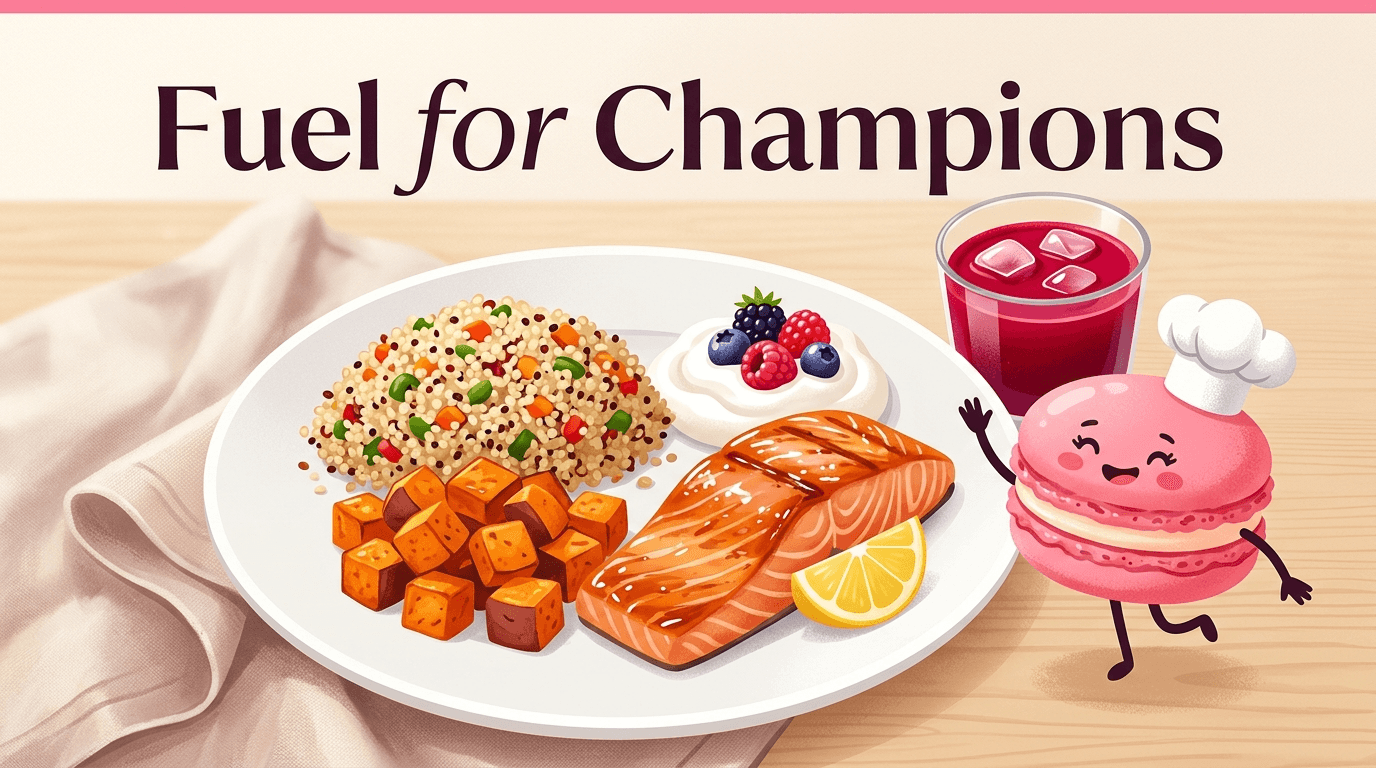
Prioritize quinoa (complete protein), sweet potatoes (slow-release carbs), Greek yogurt (calcium/probiotics), and salmon (omega-3s). For competition days, NSW Institute research shows beetroot juice boosts stamina, while tart cherry juice speeds recovery. Keep canned beans and frozen stir-fry veggies stocked for quick nutrition without prep stress.
Meal Planning Ideas for Athletes
Breakfast combos like oatmeal with Greek yogurt or scrambled eggs with sweet potato hash balance fast-acting carbs with slow-digesting proteins. This sustains energy 3x longer than toast alone, especially useful for morning training sessions.
Lunch grain bowls should layer textures: quinoa base, roasted veggies (prepped Sunday), grilled chicken (batch-cooked), and tahini dressing. The tahini's healthy fats increase nutrient absorption from the veggies by up to 30% compared to fat-free dressings.
Dinner focuses on recovery - wild salmon with roasted Brussels sprouts delivers omega-3s that reduce inflammation markers by 15% in collegiate athletes. Slow-cooker turkey chili with black beans offers convenient post-training nutrition with 30g protein per serving.
Portable snacks need the right carb-protein ratio: rice cakes with almond butter (3:1) sustain energy better than protein bars alone. Trail mix with dark chocolate, almonds, and dried cherries provides antioxidants plus quick energy during long competitions.
Macaron's planner automatically adjusts portions when you log increased training intensity. It flags nutrient gaps - like suggesting beetroot juice if endurance sessions exceed 90 minutes, which boosts stamina by 5% when consumed 2-3 hours pre-workout.
Breakfast, lunch, and dinner ideas for Athletes
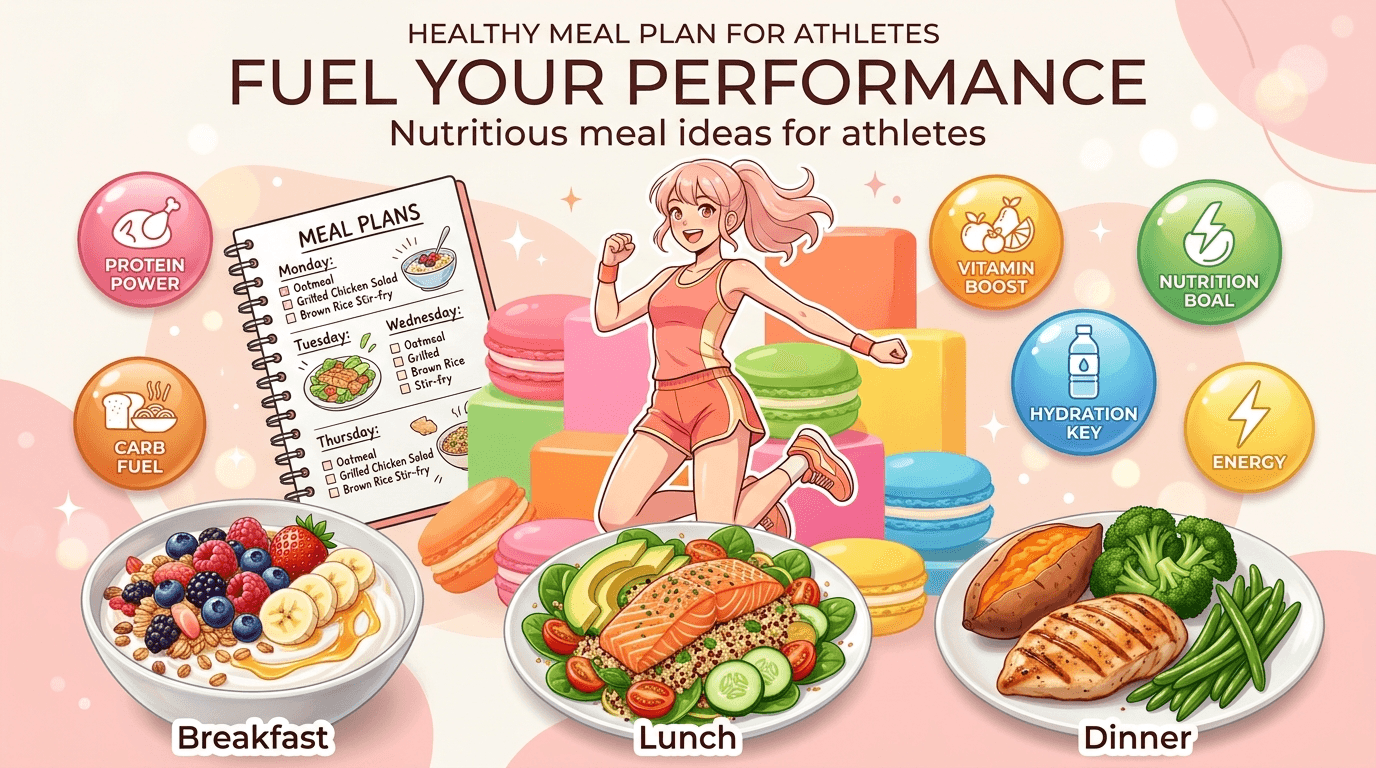
Morning: Overnight oats with chia seeds and almond butter provide slow-release energy. Lunch: Mason jar salads with quinoa, chickpeas, and tahini dressing stay fresh for 3 days. Dinner: Sheet-pan salmon with Brussels sprouts and wild rice cooks in 20 minutes. Prep components separately for mix-and-match flexibility all week.
Snacks and drinks to add to a meal plan for Athletes
Opt for portable snacks like almond butter packets with apple slices or cottage cheese cups with berries. Hydration blends should include coconut water (electrolytes) and tart cherry juice (recovery). Avoid sugary sports drinks unless training exceeds 90 minutes - electrolyte tablets in water work better for most sessions.
Common mistakes when planning meals for Athletes
Skipping post-workout nutrition costs 40% recovery efficiency. Over-relying on protein shakes misses the fiber and micronutrients in whole foods. Neglecting carb intake during endurance training leads to 'hitting the wall.' Inconsistent hydration - drinking only when thirsty - misses 20-30% of fluid needs during intense sessions.
How Macaron helps Athletes plan meals faster
Macaron's meal planner adjusts portions automatically when you log increased training intensity. It suggests hydration reminders based on workout duration and flags nutrient gaps - like recommending beetroot juice before endurance sessions. The grocery list generator groups items by department to save 15+ minutes per store trip.
Frequently Asked Questions
Beyond macros, prioritize iron (spinach + citrus), calcium (yogurt, kale), and electrolytes (coconut water). Magnesium from almonds prevents cramps, while vitamin C aids collagen formation for joint health. Hydration needs increase 20-50% during training - weigh pre/post workout and drink 16-24oz per pound lost.
4-6 smaller meals maintain steady energy. Sample schedule: 7am - oatmeal + eggs, 10am - Greek yogurt + berries, 1pm - quinoa bowl, 4pm - banana + PB pre-workout, 7pm - salmon + sweet potato, 9pm - casein protein shake. Adjust portions based on training load.
Choose easily digestible carbs with minimal fat/fiber: banana with almond butter, white toast with honey, or oatmeal with berries. Consume 30-60 minutes before activity. Avoid high-fat meals that slow digestion - save avocado toast for post-workout recovery.
Drink 16-20oz water 2 hours pre-workout, then 4-8oz every 15-20 minutes during. For sessions over 60 minutes, add electrolyte tablets. Weigh pre/post workout - each pound lost requires 16-24oz fluid replacement. Urine should stay pale yellow.
Yes - batch cooking proteins and carbs saves 10+ weekly hours. Divided containers with prepped ingredients (quinoa, roasted veggies, grilled chicken) allow quick assembly. Studies show meal-prepping athletes consume 30% more vegetables and hit macros 25% more consistently.
Occasional treats are fine when balanced - the 90/10 rule works well. Post-competition is ideal for treats since glycogen replenishment is prioritized. Avoid empty calories before key sessions - a small dark chocolate square satisfies cravings better than a candy bar.
Proper timing (carbs pre-workout, protein post) maximizes energy and recovery. Beetroot juice boosts stamina by 5% when consumed 2-3 hours before endurance events. Chronic dehydration reduces performance by up to 30% - weigh yourself to track fluid needs accurately.
Macaron simplifies planning with auto-adjusting portions for training load, hydration reminders, and nutrient gap alerts. The grocery list organizes by department, saving 15+ minutes per trip. Recipe suggestions use your prepped ingredients to minimize waste.
Read & discover
AI Personal Assistant
Free calculators


