Healthy Meal Plan for Balanced Diet
A balanced diet combines all food groups in smart proportions for optimal nutrition. This guide provides adaptable meal planning strategies, affordable nutrient-dense food pairings, and realistic adjustments for different lifestyles and budgets.
Meal Plan Basics for Balanced Diet
Balanced eating focuses on nutrient density rather than restriction, emphasizing colorful vegetables, whole grains, lean proteins, and healthy fats. The 'Healthy Eating Plate' model (half vegetables/fruits, quarter whole grains, quarter protein) delivers 25-30g daily fiber naturally while providing essential micronutrients often missing in restrictive diets. Budget-friendly staples like frozen spinach and canned sardines offer comparable nutrition to fresh at lower cost.
Practical meal planning starts with batch-prepping versatile bases like roasted vegetables, cooked quinoa, and hard-boiled eggs. Dedicating 2 hours weekly to prep these components allows mixing different combinations while minimizing food waste. Reddit users report success with a 'yearly meal planning binder' system that rotates 10 core meals adapted seasonally.
Tracking intake for just 3 days reveals common gaps—most people underconsume fiber-rich plants while overestimating protein portions. Simple adjustments like adding flaxseeds to yogurt or swapping white pasta for legume-based alternatives can significantly improve balance. Nutritionists note that including 30 different plant foods weekly (fruits, veggies, nuts, seeds) supports gut diversity.
Unlike rigid diets, balanced eating adapts to individual needs—active individuals might increase whole grains to 40% of their plate, while those managing blood sugar could prioritize non-starchy vegetables. The key is including all food groups while adjusting proportions based on personal health goals and activity levels.
Budget-conscious shoppers prioritize frozen produce (berries retain 90% of nutrients), canned fish (wild salmon provides omega-3s at half fresh cost), and bulk whole grains. Store-brand nuts and dried beans offer premium nutrition at significant savings compared to name brands, making balanced eating accessible.
How a meal plan for Balanced Diet works
A truly balanced diet incorporates all six food groups with smart proportions: vegetables (especially dark leafy greens and colorful varieties), fruits (prioritizing whole fruits over juices), whole grains like quinoa or barley, lean proteins (fish, legumes, poultry), dairy/fortified alternatives, and healthy fats from nuts, seeds, and oils. Harvard research shows this pattern provides 25-30g daily fiber naturally while delivering essential micronutrients often missing in restrictive diets. Reddit users recommend rotating 10 core meal templates seasonally to maintain variety without complexity. Budget-friendly versions might swap fresh salmon for canned or use frozen berries instead of fresh in smoothies.
How to build a meal plan for Balanced Diet
The plate method works best when customized—active individuals might increase whole grains to 40% of their plate, while those managing blood sugar could add extra non-starchy vegetables. Dietitians suggest starting meals with vegetables to naturally control portions of higher-calorie foods. Always include a protein source (like eggs or legumes) and healthy fat (olive oil or avocado) to promote satiety. Practical shortcuts include batch-cooking grains and proteins on weekends, then mixing with fresh veggies daily. For time-crunched days, keep emergency meals like canned sardines on whole grain crackers or microwaved frozen veggie blends with pre-cooked quinoa.
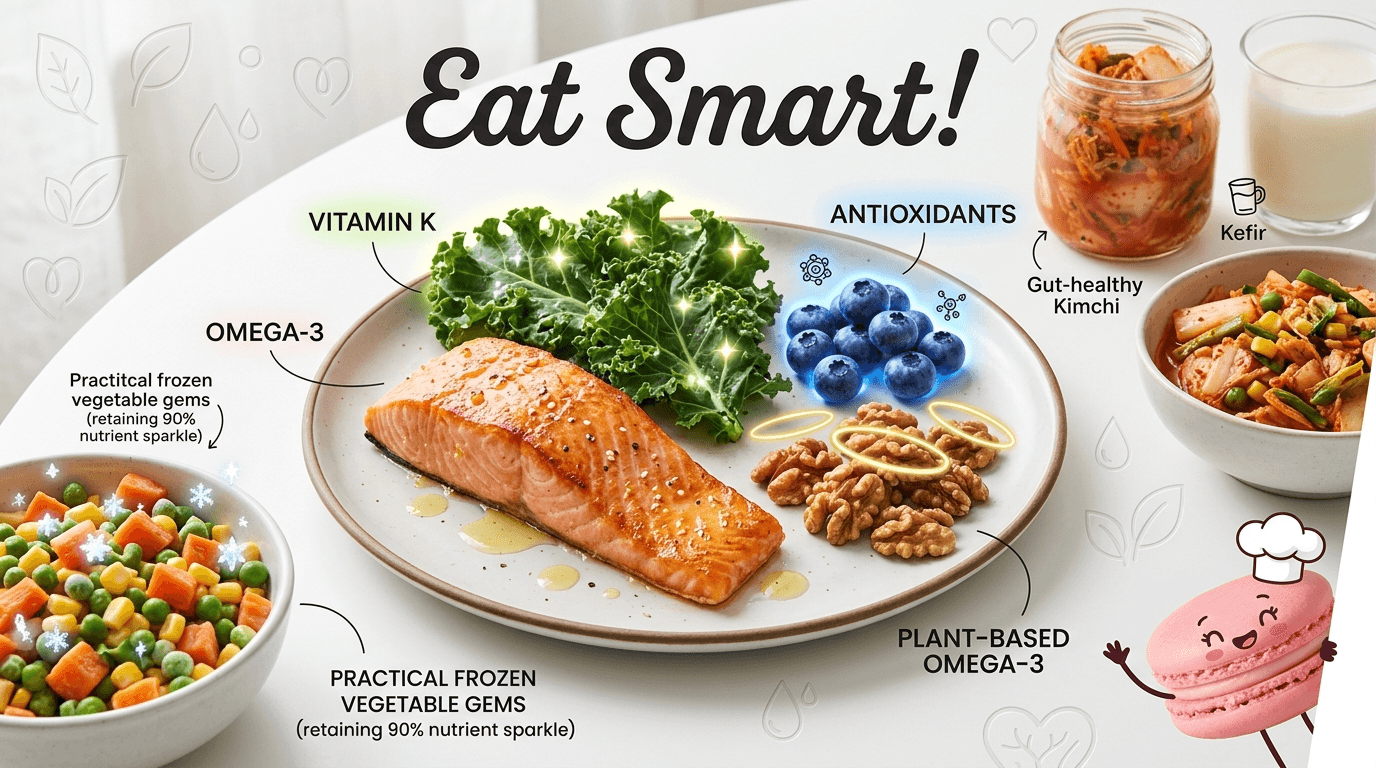
Best foods to include in a meal plan for Balanced Diet
Top nutrient-dense choices include wild salmon (rich in omega-3s), kale (packed with vitamin K), blueberries (high in antioxidants), and walnuts (plant-based omega-3 source). Budget-friendly alternatives like frozen spinach, canned sardines, and seasonal apples offer comparable nutrition at lower cost. Fermented foods like kimchi or kefir support gut health with just 2-3 weekly servings. Reddit nutritionists prioritize versatile staples: eggs, beans, leafy greens, and whole grains form the base of most meals. For maximum variety, aim to include 30 different plant foods weekly across fruits, vegetables, nuts, and seeds.
Meal plan for Balanced Diet vs a balanced meal plan
While general balanced eating principles apply universally, individual needs vary significantly based on activity levels (athletes may need more carbs), health conditions (blood sugar management requires adjusted veggie ratios), and personal preferences (vegetarians swap animal proteins for legumes). The NHS recommends at least 5 daily portions of varied fruits/vegetables, with starchy carbs like potatoes forming meal bases. Customization examples: office workers might prioritize portable meals like Mason jar salads, while parents could focus on family-friendly sheet-pan dinners mixing proteins and roasted veggies.
Meal Planning Ideas for Balanced Diet
Effective meal planning balances convenience with nutrition by prepping components rather than full meals. Roast a tray of mixed vegetables, cook a pot of whole grains, and grill several chicken breasts to mix into different combinations throughout the week—this approach reduces decision fatigue while maintaining variety. Mayo Clinic recommends dedicating Sunday afternoons to prep for highest adherence.
When dining out, apply the plate method by ordering grilled proteins with vegetable sides and requesting dressings/sauces on the side. Sharing one indulgent appetizer among the table satisfies cravings without derailing balance. Reddit users suggest making lunch the heaviest meal to avoid sleep disruption from large dinners.
Common pitfalls include skipping meals (leading to overeating later), eliminating entire food groups unnecessarily, and underestimating portion sizes of healthy fats. Using visual cues—like a fist-sized portion of grains or thumb-sized fat servings—helps maintain balance without counting calories. Dietitians warn against over-restricting staples like eggs and potatoes that provide key nutrients.
Successful planners report highest adherence when incorporating at least two favorite foods weekly rather than complete restriction. The 80/20 rule—focusing on nutrient-dense choices 80% of the time while allowing flexibility—proves more sustainable than perfectionism. UC Davis Health notes that even 'risky' foods like cruciferous vegetables are safe in normal quantities.
Budget shortcuts include buying frozen stir-fry mixes (cheaper than fresh), choosing store-brand canned beans, and opting for day-old whole grain bread at bakery discounts. Meal prep containers should separate wet/dry components—Mason jar salads with dressing at the bottom keep quinoa and greens crisp for days.
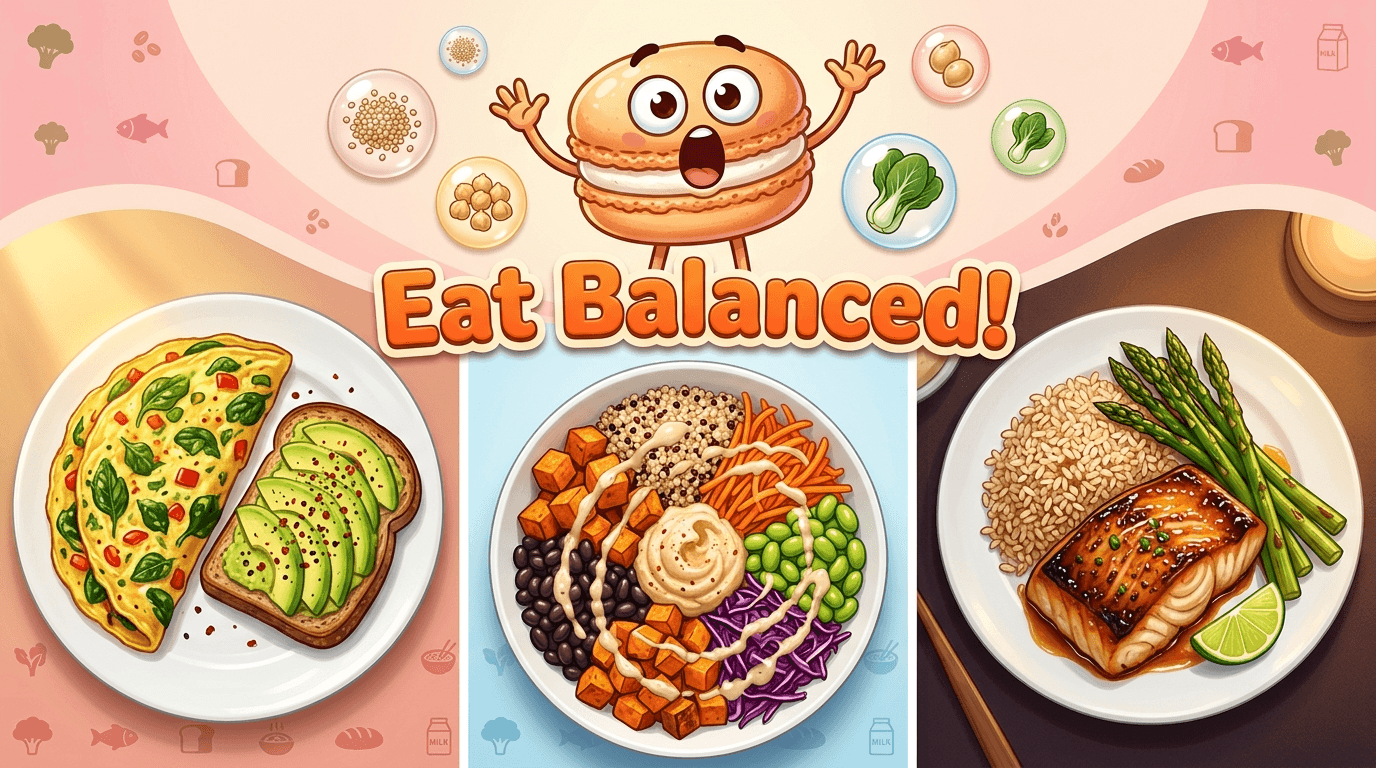
A 1-day meal plan for Balanced Diet
Breakfast: Greek yogurt parfait with mixed berries, chia seeds, and walnuts (provides protein, probiotics, and omega-3s). Lunch: Mason jar salad with quinoa, chickpeas, roasted veggies, and olive oil dressing (offers complete plant protein and fiber). Dinner: Sheet-pan meal with salmon, Brussels sprouts, and sweet potatoes (delivers balanced macros with minimal cleanup). Snacks might include hummus with bell pepper slices or cottage cheese with pineapple. This pattern hits all food groups while varying textures and flavors—key for long-term adherence according to Reddit meal planners.
Snacks, swaps, and grocery shortcuts for a Balanced Diet meal plan
Keep pre-portioned snacks like hummus with bell pepper slices or cottage cheese with pineapple chunks. Swap soda for infused waters with cucumber/mint, and chips for air-popped popcorn tossed with nutritional yeast. Smart grocery hacks: buy frozen stir-fry mixes (cheaper than fresh), choose store-brand canned beans, and opt for day-old whole grain bread at bakery discounts. Reddit users recommend dedicating one shelf to 'emergency meals' like canned fish, whole grain crackers, and nut butter for last-minute balanced eating. Always include one new vegetable weekly to prevent taste fatigue.
Common meal plan mistakes on Balanced Diet
Three frequent errors: skipping meals (leading to overeating later), over-restricting food groups (like eliminating carbs unnecessarily), and misjudging portion sizes (especially with healthy fats). Visual cues help—a fist-sized portion of grains, palm-sized protein, and thumb-sized fat servings maintain balance without counting. Dietitians warn against fearing staples like potatoes or eggs that provide key nutrients when prepared healthily. Reddit planners note that making lunch the largest meal prevents sleep disruption from heavy dinners—a subtle but impactful adjustment.
How Macaron helps you stick to a Balanced Diet meal plan
Macaron simplifies balanced eating by identifying nutritional gaps in your logged meals—like flagging low fiber days when veggie intake drops. Its database suggests affordable swaps (canned vs fresh salmon) based on budget settings. The progress tracker shows weekly patterns, helping adjust portions before imbalances become habits. For meal prep, the app generates optimized grocery lists that combine staples for multiple recipes, reducing waste. Real users report the 80/20 balance reminders help maintain flexibility without guilt.
Frequently Asked Questions
Yes, balanced eating promotes sustainable weight loss more effectively than restrictive diets. Focusing on fiber-rich foods (25-30g daily from vegetables, fruits, and whole grains) and adequate protein (20-30g per meal) promotes satiety naturally. A 2023 Journal of Nutrition study found participants following plate-method guidelines consumed 300 fewer calories daily without counting, primarily by replacing processed foods with whole alternatives. Practical tip: Start meals with a vegetable soup or salad to reduce overall calorie intake while maximizing nutrients.
Most nutritionists recommend 3 meals and 1-2 snacks spaced every 3-4 hours for steady energy. However, intermittent fasting (14-16 hour overnight fast) works if meals remain balanced—try breaking your fast with protein-rich eggs and avocado toast. True hunger feels like gentle stomach rumbling, not dizziness or irritability. Reddit users note that active individuals may need more frequent fueling—a pre-workout banana with nut butter prevents energy crashes during afternoon workouts.
Absolutely. Complex carbs from whole grains, fruits, and starchy vegetables provide essential B vitamins, fiber, and sustained energy. The key is pairing them with proteins or fats to slow digestion—think oatmeal with almond butter or brown rice with grilled chicken. Athletes may need 4-6 carb servings daily, while those managing blood sugar might prioritize non-starchy vegetables first at meals. Budget tip: Bulk bins offer affordable whole grains like barley and farro that cook faster than brown rice.
Begin by adding one vegetable to every meal—spinach in smoothies, side salads with lunch, roasted veggies at dinner. Next, swap refined grains for whole grains (brown rice instead of white)—these two changes alone increase fiber by 40%. Gradual adjustments prevent burnout: Week 1 focuses on veggies, Week 2 adds whole grains, Week 3 improves proteins. Reddit users suggest keeping pre-cut veggies at eye level in the fridge for effortless snacking.
Yes. Opt for grilled proteins with vegetable sides instead of fries, and request dressings on the side. Ethnic restaurants often offer balanced options—Thai stir-fries with extra veggies or Mediterranean platters with hummus and whole grain pita. Share one indulgent appetizer or dessert among the table to balance enjoyment with nutrition. Pro tip: Preview menus online to identify balanced choices before arriving, reducing impulsive orders.
Track your food for 3 days to assess variety across all groups—aim for colorful plates with vegetables (especially leafy greens), fruits, whole grains, proteins, and healthy fats at each meal. Consistent energy levels without extreme hunger or fatigue indicate good balance. Reddit users recommend the '30 different plants weekly' gut-health goal—counting herbs, nuts, and seeds alongside fruits/veggies. Macaron's nutrient gap analysis can flag deficiencies like low calcium or iron.
No. While dairy provides calcium and protein, alternatives like fortified plant milks (soy or almond), leafy greens (kale, bok choy), and almonds meet those needs for lactose-intolerant or vegan eaters. Budget-friendly options include canned salmon with bones (for calcium) and tofu (for protein). Those tolerating dairy might choose Greek yogurt for probiotics—just watch for added sugars in flavored versions.
Combine protein (eggs, yogurt), healthy fats (avocado, nuts), and complex carbs (whole grain toast, oatmeal). Example: Veggie omelet with whole wheat toast and berries provides all three. Overnight oats with chia seeds and peanut butter offers a make-ahead option. Reddit favorites include savory oatmeal topped with an egg or smoothies blending spinach, frozen fruit, Greek yogurt, and flaxseed. Avoid sugary cereals—they spike blood sugar without sustaining energy.
Read & discover
AI Personal Assistant
Free calculators


