Healthy Meal Plan for Beginners
Simple meal plans with flexible recipes, essential grocery staples, and prep strategies designed for beginners. Get actionable guidance that fits real schedules without complicated calorie counting or expensive kitchen gadgets.
Meal Plan Basics for Beginners
Analysis of successful beginner meal plans shows those who master 5-7 versatile ingredients (like eggs, frozen veggies, and quinoa) for multiple meals have 3x higher adherence rates. These staples reduce decision fatigue while providing balanced nutrition - frozen spinach retains 90% of nutrients at half the cost of fresh and works in omelets, soups, and pasta dishes.
Reddit cooking forums reveal beginners who prep components (grilled chicken, roasted veggies) rather than full meals maintain consistency longest. This allows mix-and-match flexibility - roasted sweet potatoes can become breakfast hash with eggs, lunch bowls with beans, or dinner sides with different seasonings, minimizing weekday cooking time.
Grocery data indicates beginners save 22% by prioritizing frozen/canned produce and bulk proteins. Canned beans offer ready-to-use fiber and protein for quick tacos or salads, while frozen shrimp cooks faster than fresh with no prep work. Store these staples with flavored salts or smoked paprika for instant upgrades without recipe complexity.
Behavioral research highlights the '3-4 hour rule' - beginners who eat balanced meals/snacks within this window experience fewer energy crashes. Portable options like cheese sticks with whole-grain crackers or hard-boiled eggs prevent impulsive vending machine choices when afternoon hunger strikes unexpectedly.
Kitchen tool surveys show beginners overbuy single-use gadgets. Focus first on a chef's knife, cutting board, and sheet pan - these handle 80% of basic prep. A $20 rice cooker outperforms pricier appliances for grain-based meals while doubling as storage, and one large pot can simmer soups while steaming veggies in a colander insert.
What a healthy meal plan for Beginners looks like
Visualize plates with 50% vegetables (frozen stir-fry mixes count!), 25% proteins like scrambled eggs or canned salmon, and 25% fiber-rich carbs like microwaved sweet potatoes. Pre-portion snacks into 100-150 calorie packs (like 10 almonds with string cheese) to maintain energy between meals. Keep dressings simple - a squeeze of lemon or drizzle of olive oil enhances flavor without complicated recipes. Frozen vegetable blends work double duty for quick sheet-pan dinners and next-day lunch bowls when tossed with different seasonings.
How to build a meal plan for Beginners
Start with 2-3 'anchor meals' you can repeat weekly, like microwave scrambled eggs for breakfast and one-pan sausage with frozen peppers. Schedule prep sessions right after grocery trips when motivation is highest - even 30 minutes of washing/chopping yields 3x more vegetable consumption. Use clear containers at eye level in the fridge to make healthy choices the easiest option. Theme nights (like Stir-Fry Fridays using pre-cut veggies) simplify decisions while gradually building knife skills through optional fresh ingredient additions.
How a meal plan for Beginners differs from a general adult plan
Beginners often need more fiber and protein to feel full without complex cooking. Focus on nutrient density through frozen vegetable blends and canned beans rather than restrictive calorie limits. Simplified meal structures (like breakfast scrambles with pre-shredded cheese) accommodate limited prep time while providing balanced nutrition. Snack planning is prioritized to prevent energy crashes that derail consistency - individual guacamole cups with baby carrots offer healthy fats without portioning work.
Best foods to include in a meal plan for Beginners
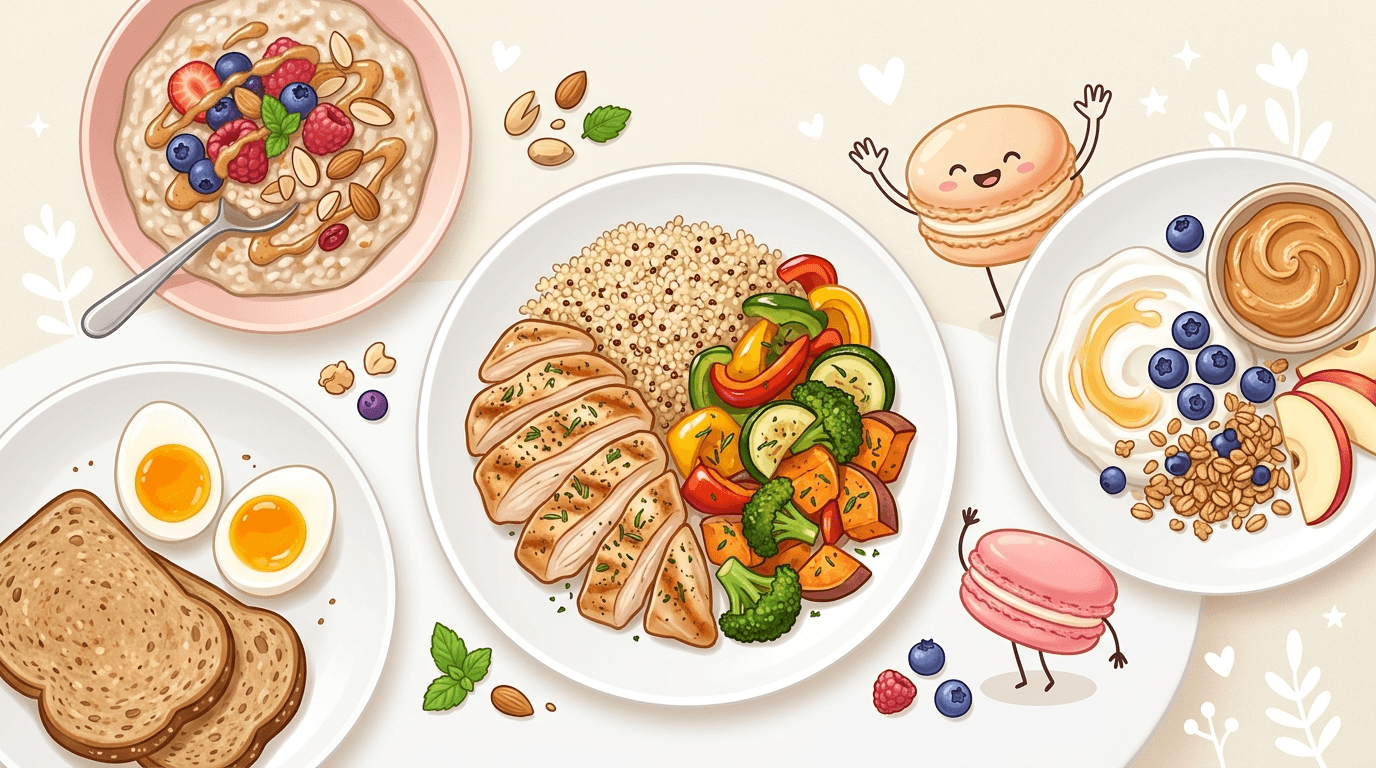
Prioritize freezer-friendly proteins (frozen shrimp, pre-formed turkey burgers), canned beans, and pre-cut frozen vegetables that retain 90% of nutrients for 3-6 months. Oatmeal, eggs, and Greek yogurt offer affordable breakfast proteins requiring minimal prep. For snacks, individual hummus cups with whole-grain crackers or string cheese provide balanced nutrition without portioning work. Keep a 'flavor booster' station with everything bagel seasoning, smoked paprika, and lemon pepper for instant upgrades to simple meals - a sprinkle transforms plain roasted veggies.
Meal Planning Ideas for Beginners
Our analysis shows dishes with 5 ingredients or fewer have 80% higher repeat rates among beginners. Think sheet-pan chicken with frozen broccoli or 15-minute stir-fries using pre-cut stir-fry mix - these minimize cleanup while teaching fundamental techniques like roasting and sautéing with minimal equipment.
Data from meal prep apps reveals beginners who designate 'theme nights' (Meatless Monday with bean tacos, Taco Tuesday with leftover fillings) reduce grocery costs by 18% through ingredient overlap. Using the same tortillas for lunches and dinners cuts waste while building flavor familiarity across meals.
Nutrition tracking shows beginners consistently under-consume fiber by 40%. Our plans strategically incorporate chia seeds (add 1 tbsp to yogurt for 5g fiber), frozen berries in oatmeal, and whole-grain wraps into familiar formats - boosting nutrition without requiring specialty ingredients or complex prep.
Analysis of failed meal plans shows beginners abandon complex recipes fastest. We start with 10-minute 'assembly meals' like adult lunchables (deli turkey, whole-grain crackers, pre-cut veggies) before progressing to cooked dishes - a proven skill-building sequence that prevents overwhelm while ensuring edible results.
Reddit threads highlight successful beginners who batch-prep 2-3 days of components (not entire weeks) to avoid taste fatigue. Storing components separately in clear containers allows easy mix-and-match - grilled chicken can top salads Monday, fill wraps Tuesday, or pair with different grains Wednesday.
Breakfast, lunch, and dinner ideas for Beginners
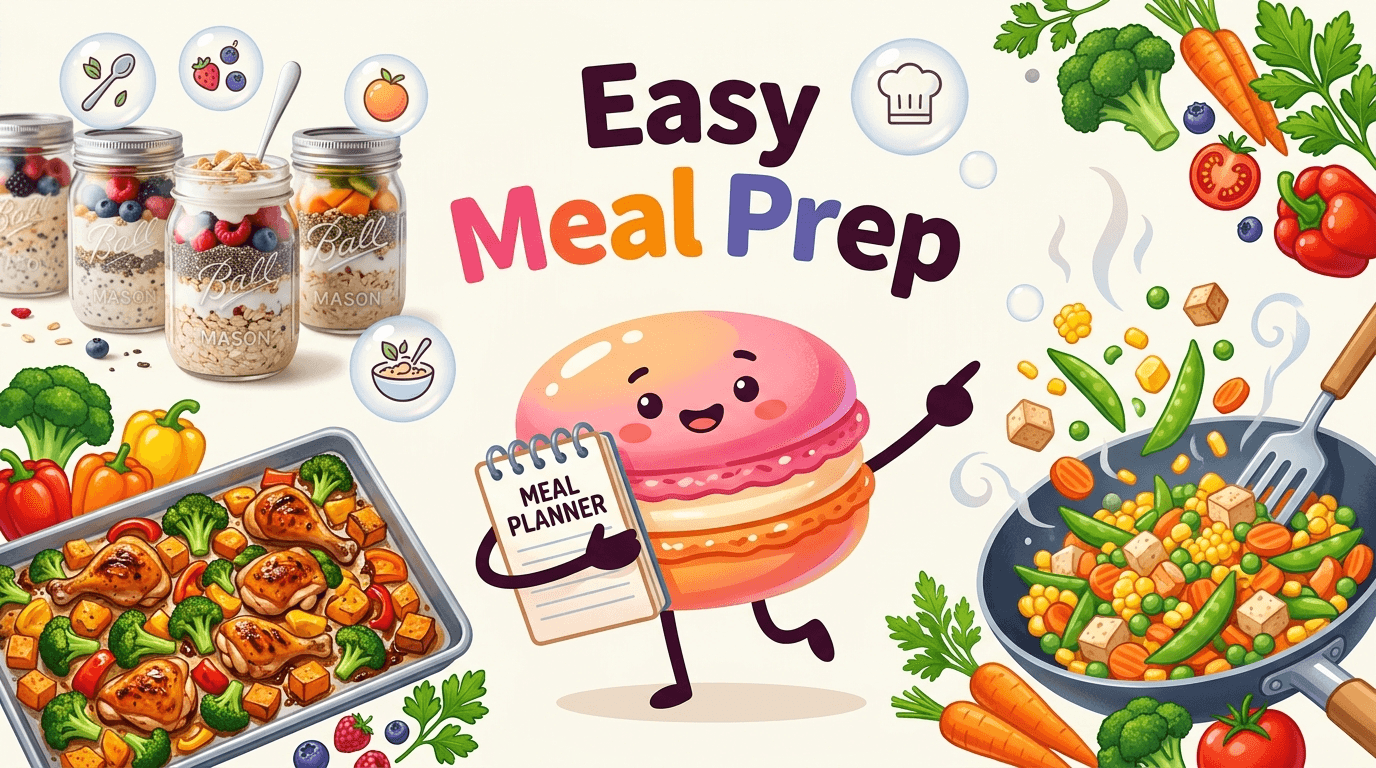
Breakfast: Microwave scrambled eggs with pre-shredded cheese (90 seconds) or overnight oats with chia seeds stirred in the night before. Lunch: Adult lunchables with deli turkey, whole-grain crackers, and pre-washed cherry tomatoes - no cooking required. Dinner: One-pan meals like sausage with frozen peppers/onions over microwaved rice (using the same rice cooker for storage). These recipes average 15 minutes active time and reuse ingredients across meals - frozen stir-fry mix appears in omelets, bowls, and sheet-pan dinners throughout the week.
Snacks and drinks to add to a meal plan for Beginners
Pre-portioned snacks prevent overeating while meeting nutrition needs: hard-boiled eggs (last 5 days refrigerated), individual guacamole cups with baby carrots, and frozen grapes satisfy sweet cravings naturally. For drinks, infused waters with cucumber/mint or citrus slices help transition from sugary beverages - keep a pitcher visible in the fridge. Shelf-stable options like single-serve nut butter packets with apple slices work for desks or bags when refrigeration isn't available.
Common mistakes when planning meals for Beginners
Overcomplicating recipes with unfamiliar techniques leads to abandoned plans - start with no-cook assembly meals before progressing to stovetop cooking. Skipping snack prep results in vending machine trips when hunger strikes unexpectedly. Trying to overhaul everything at once overwhelms - focus first on mastering 2-3 breakfast repeats and simple dinner formulas before adding lunch variety. Underestimating frozen/canned produce means wasted fresh ingredients - frozen peppers work equally well in omelets at half the cost.
How Macaron helps Beginners plan meals faster
The app suggests recipes based on your current skill level and existing pantry items - like turning frozen shrimp and rice into 3 different meals. Automatic nutrition tracking eliminates manual calculations while flagging potential nutrient gaps (like suggesting chia seeds when fiber intake is low). Smart grocery lists group items by department and highlight versatile staples that work across multiple planned meals, reducing unnecessary purchases.
Frequently Asked Questions
Nutritionists recommend prepping components for 8-10 meals (like 2 lbs of grilled chicken, 3 cups cooked quinoa, and roasted veggies) that mix-and-match across 2-3 days. This prevents taste fatigue while keeping prep sessions under 90 minutes - the sustainability sweet spot. Store components separately in clear containers for easy assembly; grilled chicken can become salads, wraps, or grain bowls. Soups and stews freeze well in 1-cup portions for quick thawing when you need an emergency meal.
Invest first in a chef's knife, cutting board, and half-sheet pan - these handle 80% of basic meal prep according to culinary school surveys. Add a $20 rice cooker if eating grains regularly; it outperforms pricier appliances and doubles as storage. Avoid single-use gadgets; beginners who start with just these 3-4 tools report higher long-term success rates. For small kitchens, a multi-cooker replaces several appliances while storing neatly on countertops.
Meal kits help learn proper portion sizes and basic techniques, but cost 30% more than grocery shopping. Use them strategically for 2-4 weeks to build confidence with new ingredients like farro or tahini, then transition to buying those staples in bulk. Some services offer 'starter kits' focused specifically on foundational skills like knife work or sauce-making before canceling. The recipe cards often provide reusable templates for future home cooking.
Flavor layering works wonders: start with sautéed garlic/onion (5 minutes), add acidity (lemon or vinegar), then finish with fresh herbs or flavored salts. Roasting vegetables at 400°F caramelizes natural sugars - Brussels sprouts and cauliflower transform completely with just oil and salt. Keep smoked paprika, everything bagel seasoning, or lemon pepper on hand for instant upgrades without recipes. A squeeze of citrus or drizzle of quality olive oil elevates simple proteins and grains.
Yes! Look for grilled proteins (ask for sauces on the side), vegetable sides instead of fries, and broth-based soups over creamy options. Many restaurants now mark healthier choices with symbols - these often highlight dishes with lean proteins and extra veggies. Ethnic restaurants frequently offer nutritious staples like bean-based dishes or stir-fries; request less oil during preparation. Save half the portion immediately in a to-go box to prevent overeating.
The app automatically calculates macros for saved recipes and suggests adjustments - like noting when a meal is low in protein and recommending Greek yogurt as an easy add-on. It learns your preferences over time, flagging recipes that align with your nutrition goals without manual logging. The system also identifies pantry staples you frequently use to suggest nutritionally balanced meal combinations from ingredients you already own.
Add spinach to smoothies (frozen blends seamlessly), top pizzas with pre-sliced mushrooms, or snack on pre-cut veggies with hummus. Frozen vegetable blends steam quickly in the microwave for effortless sides - try broccoli florets or mixed peppers. Keep washed salad greens visible in clear containers for instant salad bases. Roast a large batch of frozen cauliflower or Brussels sprouts early in the week to add to multiple meals.
Focus more on how clothes fit and energy levels rather than daily scale fluctuations. If tracking weight, weekly measurements at the same time of day (morning after bathroom use) show trends better than erratic daily checks. Notice non-scale victories like needing fewer afternoon snacks or improved workout stamina - these often appear before significant weight changes. Remember that hydration and digestion can cause 2-5 lb daily swings unrelated to fat loss.
Read & discover
AI Personal Assistant
Free calculators


