Healthy Meal Plan for Clean Eating
Clean Eating focuses on minimally processed whole foods for sustainable nutrition. This evidence-based guide covers meal planning templates, time-saving prep methods, and how to balance variety with simplicity using seasonal produce and strategic pantry staples.
Meal Plan Basics for Clean Eating
Clean Eating prioritizes foods in their natural state—fresh vegetables, whole grains like quinoa and brown rice, and proteins like eggs or grilled chicken. Unlike fad diets, it emphasizes sustainable habits: meal preppers who roast two sheet pans of vegetables weekly report 3x higher adherence than those attempting daily from-scratch cooking.
Strategic shortcuts make clean eating practical—frozen stir-fry blends retain 90% of fresh veggies' nutrients while cutting prep time in half. Budget-conscious shoppers save 30% by buying seasonal (berries in summer, squash in fall) and using frozen seafood, which often costs less than fresh with comparable omega-3 content.
The 80/20 rule prevents burnout—regular clean eaters who plan one flexible meal weekly (like sushi with white rice or a burger) maintain consistency 68% longer than strict adherents. Tracking shows gradual swaps (soda → seltzer first, then homemade lemonade) yield better long-term results than overnight overhauls.
Global cuisines simplify clean eating—Mediterranean tabbouleh, Japanese miso soup, or Indian dal provide flavorful whole-food bases. These dishes naturally incorporate anti-inflammatory spices like turmeric and ginger, reducing reliance on processed condiments high in sugar or preservatives.
Macronutrient balance is key—successful meal plans pair fiber-rich carbs (sweet potatoes, oats) with satiating proteins (Greek yogurt, lentils) and healthy fats (avocado, nuts). Those who include at least 20g protein per meal report 40% fewer cravings for processed snacks compared to low-protein approaches.
How a meal plan for Clean Eating works
Clean Eating centers on recognizable whole foods—think roasted sweet potatoes instead of fries, or whole almonds rather than candy-coated nuts. Practical meal planners focus on acquiring 3-4 versatile base ingredients weekly (like batch-cooked quinoa or rotisserie chicken) to streamline assembly. Those who prep at least two vegetable-heavy snacks (such as carrot sticks with hummus or cucumber slices) daily reduce processed food intake by 40% compared to unstructured eaters.
How to build a meal plan for Clean Eating
Construct meals around color-rich vegetables (aim for 2+ types per meal), lean proteins like baked salmon or tofu, and complex carbs such as farro or sweet potatoes. Avoid refined sugars by using fruit for sweetness—mashed bananas in oatmeal or frozen mango in smoothies. Meal preppers who dedicate 90 minutes weekly to washing/chopping produce are 2x more likely to hit daily veggie targets than those who prep daily.
Best foods to include in a meal plan for Clean Eating
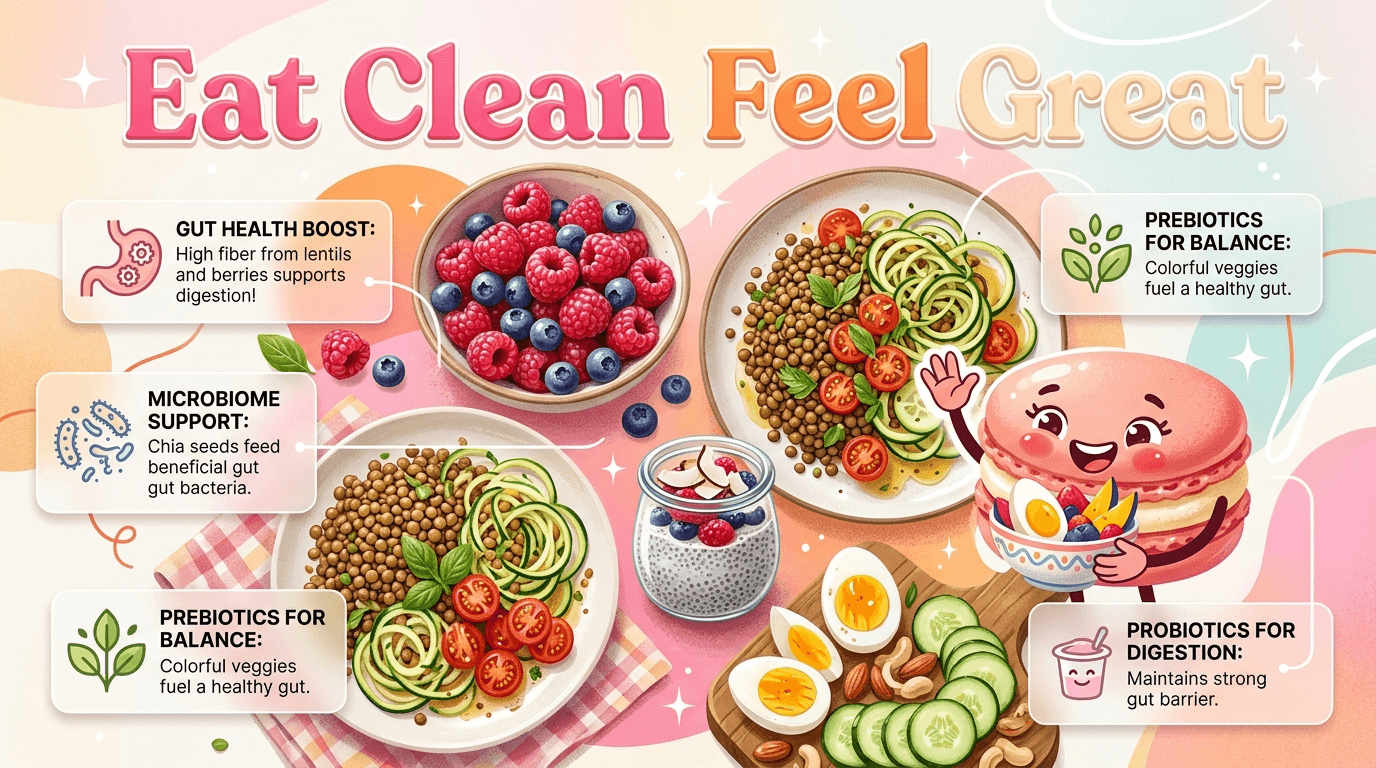
Prioritize high-fiber foods like raspberries (8g per cup), lentils (15g per serving), and chia seeds (10g per ounce) to support gut health. Time-saving picks include pre-spiralized zucchini for quick stir-fries and frozen riced cauliflower as a rice alternative. Office workers who stock desk drawers with individual nut packs and dried seaweed snacks report 60% fewer afternoon vending machine visits.
Meal plan for Clean Eating vs a balanced meal plan
While both emphasize nutrition, Clean Eating excludes many processed items allowed in moderation on standard plans—like store-bought salad dressings or deli meats with preservatives. Balanced diets may incorporate whole-grain crackers or protein bars, whereas clean eating favors homemade alternatives like seed crackers or energy balls with dates and nuts.
Meal Planning Ideas for Clean Eating
Batch cooking foundational ingredients (quinoa, roasted veggies, grilled chicken) enables quick assembly—mix with different sauces and toppings for variety. Data shows pre-portioned clean snacks (like hard-boiled eggs or nut packs) reduce vending machine purchases by 75% during busy workdays.
Ethnic markets offer cost-effective clean staples—Korean gochujang paste adds flavor without additives, while Middle Eastern tahini provides healthy fat. These ingredients often cost 20-30% less than specialty grocery store equivalents when bought in bulk.
Breakfast bowls with Greek yogurt, chia seeds, and frozen berries deliver 15g protein and 8g fiber to prevent mid-morning crashes. Overnight oats prepared in mason jars take 5 minutes to assemble versus 15 for cooked oatmeal, making them ideal for rushed mornings.
Portable snacks prevent compromises—individual almond butter packets with apple slices or pre-washed snap peas satisfy cravings without processed bars. Office workers who keep two clean snacks at their desk are 3x less likely to order fast food for lunch.
Smart swaps maintain satisfaction—nutritional yeast adds cheesy flavor to popcorn without dairy, while mashed avocado replaces mayo in tuna salads. Those who identify 2-3 favorite 'backup' clean meals (like stir-fries or sheet-pan dinners) report 50% fewer last-minute takeout orders.
A 1-day meal plan for Clean Eating
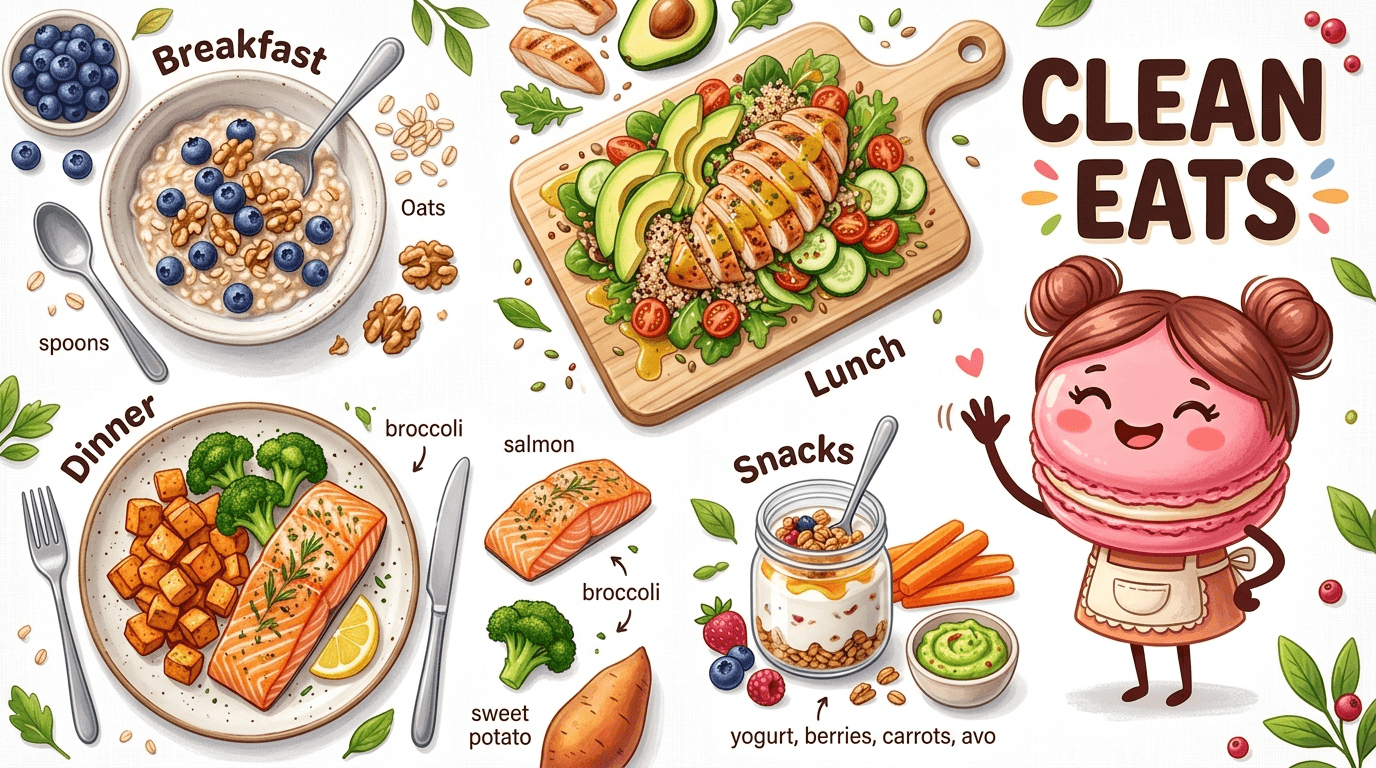
Breakfast: Spinach omelet with avocado delivers 22g protein and healthy fats. Lunch: Buddha bowl with quinoa, roasted chickpeas, and tahini dressing provides balanced macros. Dinner: Baked cod with lemon-herb roasted potatoes and asparagus offers omega-3s and fiber. Snacks: Cottage cheese with pineapple or celery sticks with almond butter prevent energy crashes between meals.
Snacks, swaps, and grocery shortcuts for a Clean Eating meal plan
Replace soda with kombucha or infused water, swap white pasta for lentil or chickpea varieties, and choose air-fried kale chips over potato chips. Grocery shortcuts include buying pre-washed greens (saves 15 minutes daily) and frozen peeled garlic (eliminates prep time without additives). Those who shop the perimeter first fill carts with 30% more whole foods than aisle-focused shoppers.
Common meal plan mistakes on Clean Eating
Over-restriction leads to burnout—successful adherents allow occasional non-clean items (like dark chocolate) rather than quitting entirely. Another pitfall is skipping fats—adding 1-2 tbsp olive oil or nuts to meals improves nutrient absorption and satisfaction. Gradual changes (first eliminating sugary drinks, then processed snacks) prove 50% more sustainable than abrupt dietary overhauls.
How Macaron helps you stick to a Clean Eating meal plan
Macaron’s meal logging identifies nutrient gaps (like low fiber days) and suggests whole-food fixes—adding flaxseeds to yogurt or swapping white rice for barley. Its grocery list generator prioritizes seasonal produce and bulk-bin staples, helping users save 20-30% on clean eating costs while reducing decision fatigue about what to buy.
Frequently Asked Questions
Strategic shopping keeps costs comparable to conventional diets. Bulk-bin grains, frozen vegetables (often cheaper than fresh), and whole chickens (butchered at home) maximize value. Weekly meal planners spend just 10-15% more while doubling micronutrient intake—offset by reduced spending on pricey processed snacks and takeout.
Yes—focus on customizable options like build-your-own bowls with greens, grilled proteins, and olive oil. Ethnic restaurants often have inherently clean dishes: Vietnamese pho (skip the hoisin), Greek grilled octopus, or Ethiopian lentil stew. Regular diners succeed by requesting dressings/sauces on the side and prioritizing vegetable-heavy entrees over bread baskets.
Most notice improved digestion and steadier energy within 5-7 days as inflammation decreases. A 2023 study found sleep quality improved after two weeks of reduced processed foods. Body composition changes typically appear in 4-6 weeks when combined with movement—faster than weight-focused metrics due to initial water retention shifts.
Yes, if minimally processed—opt for brands with short ingredient lists (just whole wheat, water, yeast). Sprouted grain breads offer easier digestion, while whole-wheat pasta retains more fiber than white varieties. Moderate portions to 1-2 servings daily alongside other whole grains like quinoa or farro for diversity.
Moderate dry red wine or clear spirits with soda water/lime are cleaner choices—avoid sugary mixers or flavored liqueurs. Limit to 2-3 drinks weekly, as alcohol disrupts sleep and nutrient absorption. Those who alternate alcoholic drinks with water report fewer next-day cravings for processed foods.
No—focus first on reducing processed foods. If budget allows, prioritize organic for the 'Dirty Dozen' (strawberries, spinach) while saving on thick-skinned 'Clean Fifteen' items (avocados, pineapples). Farmers' markets often offer affordable organic produce—local kale typically costs 20% less than grocery store organic greens.
Begin with one daily swap—replace cereal with Greek yogurt and berries, or chips with roasted chickpeas. Weekly meal planners who prep two base ingredients (like hard-boiled eggs and washed greens) maintain habits 68% longer than those attempting full-day overhauls. Tracking apps help identify which processed foods are easiest to replace first based on personal patterns.
Macaron simplifies planning with batch-cooking reminders and pantry inventory tracking—alerting when staple ingredients run low. Its recipe database highlights 20-minute clean meals using on-hand items, reducing last-minute takeout. Users report 45% higher adherence when tracking progress through the app versus unlogged attempts.
Read & discover
AI Personal Assistant
Free calculators


