Healthy Meal Plan for College Students
Practical nutrition solutions for campus life - learn student-tested meal strategies combining affordability, convenience, and brain fuel using dorm-friendly recipes, grocery shortcuts, and smart dining hall tactics.
Meal Plan Basics for College Students
College meal success hinges on strategic batch cooking - students who prep 2-3 base ingredients (like quinoa or roasted chicken) on Sundays save 3-5 weekly hours while cutting food costs by 20-30%. The most effective planners align prep sessions with lighter academic periods (Sunday afternoons/Wednesday evenings) and focus on versatile multitaskers like eggs (breakfast scrambles, lunch wraps, dinner fried rice) and frozen veggies (stir-fries, omelets, pasta add-ins).
Dorm pantries with 5-10 shelf-stable staples (peanut butter, whole grain crackers, canned tuna) prevent expensive last-minute meals between classes. Reddit threads reveal students save $50+/month by splitting bulk purchases of rice, nuts, and frozen fruit with roommates. Common pitfalls include skipping protein-rich breakfasts and relying too heavily on processed snacks - pre-chopped veggies and hard-boiled eggs enable faster assembly during exam weeks.
The 'rainbow plate' approach (combining colorful produce with whole grains and lean proteins) provides balanced nutrition without complex prep. Students report better focus when eating within an hour of waking and spacing meals 3-4 hours apart. Budget-savvy swaps include frozen vegetables (half fresh produce costs) and plain yogurt with frozen fruit instead of sugar-laden flavored versions.
Hydration impacts energy as much as food choices - students carrying reusable water bottles report better concentration during lectures. An 80/20 approach (80% nutrient-dense foods with 20% flexibility for social meals) prevents burnout. Dining hall hacks include loading up on salad bar proteins (grilled chicken, hard-boiled eggs) and fresh fruit to supplement dorm meals.
Effective systems combine no-cook options (overnight oats, mason jar salads) with 1-2 appliance meals (rice cooker stir-fries, blender smoothies). Emergency snack kits with trail mix, protein bars, and apples prevent vending machine runs during late-night study sessions. Students maximize limited storage by prioritizing stackable containers and multi-use ingredients like sweet potatoes (breakfast hash, lunch bowls, dinner bakes).
What a healthy meal plan for College Students looks like
Focus on strategic simplicity - whole grain toast with avocado and eggs provides sustained energy without elaborate prep. Many students successfully follow an 80/20 approach: 80% nutrient-dense foods like Greek yogurt bowls with granola/fruit, roasted sweet potatoes with canned beans, and veggie omelets, with 20% flexibility for social meals. Portable proteins like string cheese and hard-boiled eggs prevent energy crashes during long lectures. Frozen vegetable blends (half fresh produce costs) easily add nutrients to microwave meals like ramen or rice bowls.
How to build a meal plan for College Students
Time prep sessions with academic rhythms - Sunday afternoons and Wednesday evenings often work best. Keep 'emergency kits' in backpacks with shelf-stable items like single-serve nut butter packets, whole grain crackers, and dried fruit to avoid vending machines. Batch cook 2-3 base ingredients (grains, roasted veggies, proteins) on lighter academic days for flexible assembly. Hydration boosts energy - choose an insulated water bottle you'll actually carry daily and infuse with citrus or cucumber for flavor.
How a meal plan for College Students differs from a general adult plan
College plans prioritize brain-boosting nutrients (omega-3s from salmon pouches, antioxidants in frozen berries) and energy-dense foods for late-night studying. They account for limited equipment (microwave-only cooking) and storage (small fridges). Budget constraints mean focusing on affordable multitaskers like oats (breakfast, baking, smoothies) rather than specialty ingredients. Meal timing aligns with class schedules rather than traditional breakfast/lunch/dinner windows.
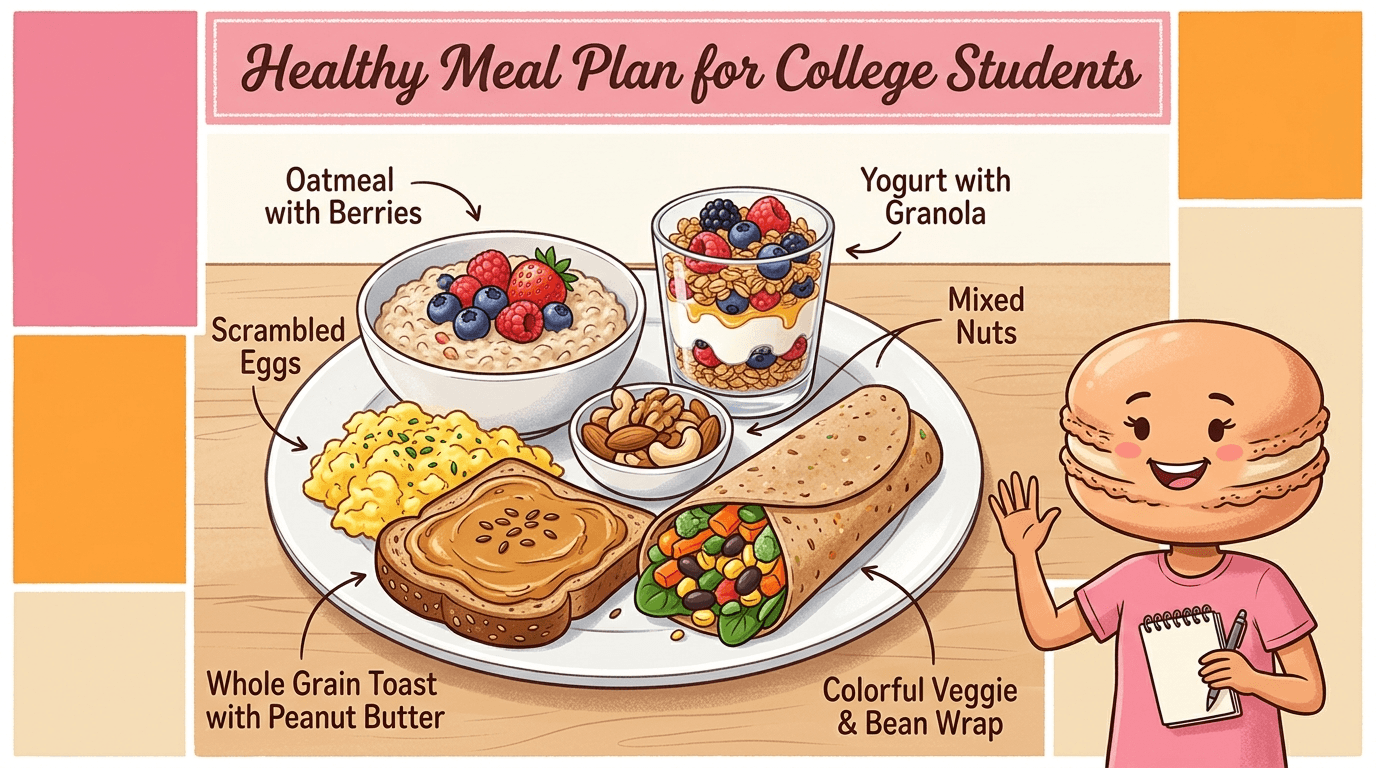
Best foods to include in a meal plan for College Students
Prioritize affordable multitaskers: oatmeal transforms into overnight jars or microwave muffins; eggs work for breakfast scrambles, lunch wraps, or dinner fried rice. Peanut butter pairs with apples, celery, or whole grain wraps for quick protein. Frozen vegetables retain nutrients at half fresh produce costs and steam quickly in microwave bags. Canned beans offer instant protein without cooking - mash chickpeas with mayo for sandwich filling or mix black beans with rice and salsa.
Meal Planning Ideas for College Students
Batch cooking components (not complete meals) allows for schedule flexibility - roasted chicken becomes wraps, salads, or stir-fries when paired with different sauces and veggies. Students report spending 30% less when prepping building blocks rather than rigid meals. Breakfast burritos with pre-cooked bacon/eggs/cheese freeze well for quick microwave reheating, while bento boxes with hard-boiled eggs, grilled chicken, and rice salads offer balanced portable nutrition.
Budget proteins include eggs ($0.15 each), canned tuna ($0.50/serving), and microwave-ready lentils. Whole chickens yield multiple meals at $1-2/serving when roasted and repurposed (sandwiches, soups, salads). Store-brand plain yogurt with frozen fruit beats flavored versions in cost and sugar content. Smart swaps like popcorn with nutritional yeast satisfy cravings better than chips at half the price.
Microwave meal upgrades transform basics - baked potatoes with canned chili/cheese ($2) provide protein/fiber, while ramen becomes balanced with frozen veggies and soft-boiled eggs. Students report better concentration with green tea instead of sugary energy drinks. Frozen grapes make affordable late-night study snacks that prevent sugar crashes during cram sessions.
Common mistakes include not having backup options when schedules change and relying too much on processed snacks. Successful planners keep prepped components (chopped veggies, cooked grains) for faster assembly. Small appliances like $20 electric kettles cook eggs, oatmeal, and upgraded ramen. Reddit users recommend steam-in-bag frozen veggies for nutrients without cooking equipment.
Dorm-friendly meal formulas combine 1 protein + 1 grain + 2 veggies - examples include canned salmon with microwave rice and broccoli, or chickpeas with couscous and roasted peppers. Students maximize limited fridge space by storing ingredients vertically in stackable containers. Late-night study snacks focus on protein-fat combos like cheese with whole grain crackers to sustain focus without energy crashes.
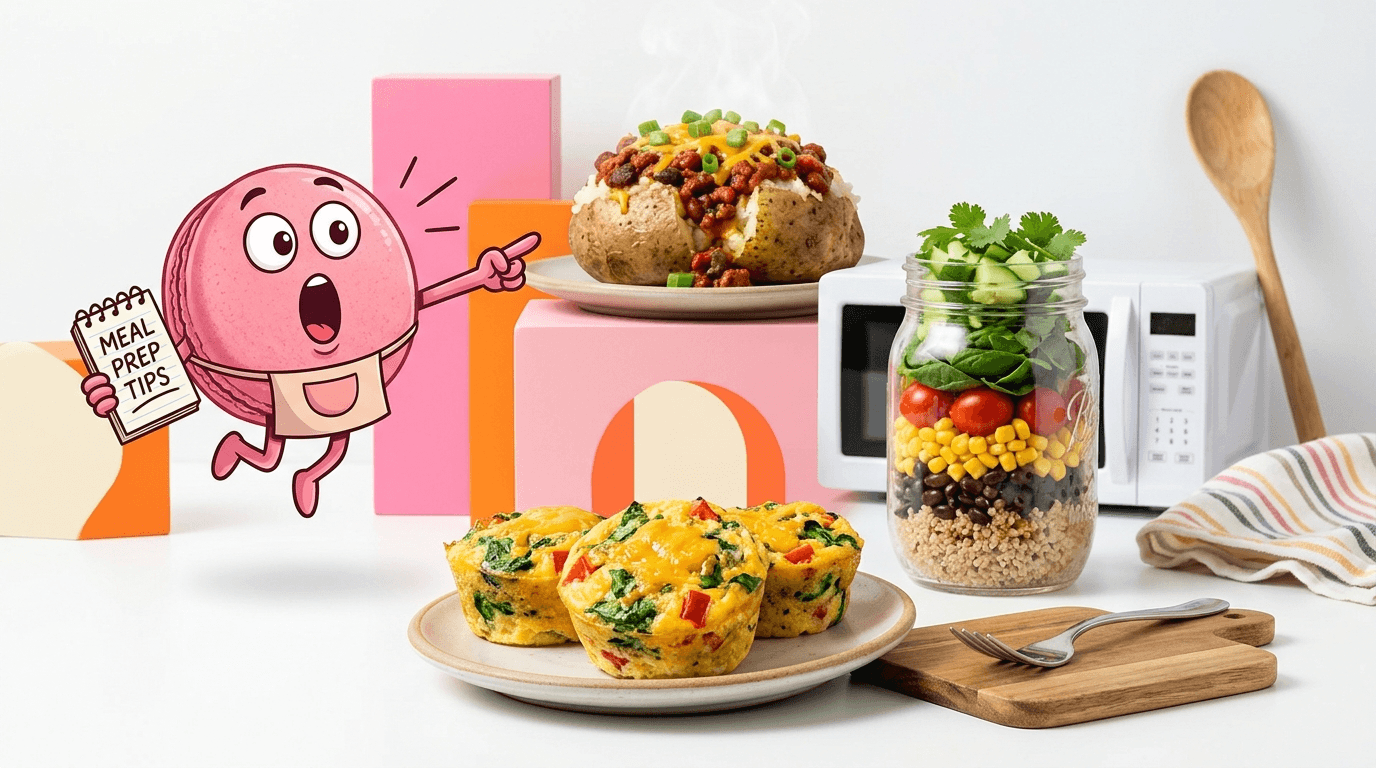
Breakfast, lunch, and dinner ideas for College Students
Breakfast: Microwave egg muffins with spinach or peanut butter overnight oats (prep 5 jars Sunday night). Lunch: Mason jar layers with quinoa, chickpeas, and tahini or bento boxes with hard-boiled eggs, cheese cubes, and pre-cut veggies. Dinner: Microwave-baked potatoes with canned chili or rice cooker stir-fries using frozen veggies and pre-cooked chicken. Budget proteins: Whole chickens yield multiple meals when roasted and repurposed into sandwiches, soups, and salads.
Snacks and drinks to add to a meal plan for College Students
Combine protein and fiber - apple slices with almond butter or popcorn with nutritional yeast satisfy cravings better than vending machine chips. Budget buys include store-brand cottage cheese cups and bulk roasted chickpeas. For drinks, green tea improves focus without sugar crashes, while infused water (cucumber/mint) makes hydration appealing. Frozen grapes satisfy late-night sweet cravings without candy's energy crash. Avoid energy drinks that cause mid-lecture crashes.
Common mistakes when planning meals for College Students
Skipping protein-rich breakfasts leads to 11am energy crashes and expensive cafe purchases. Over-reliance on processed snacks causes nutrient gaps - balance with pre-cut veggies and hummus singles. Not accounting for schedule changes leaves students without backup meals - keep shelf-stable options like tuna pouches and whole grain crackers. Forgetting hydration impacts focus - track water intake with marked bottles.
How Macaron helps College Students plan meals faster
The app suggests microwave-friendly recipes based on your mini-fridge contents and available appliances. Shared grocery list features help coordinate bulk purchases with roommates to save on staples like rice and frozen fruit. Budget tracking prevents overspending at campus convenience stores. Meal reminders align with class schedules to prevent skipped meals during back-to-back lectures.
Frequently Asked Questions
Focus on no-cook staples: whole grain wraps with canned chicken and pre-washed greens, overnight oats with peanut butter, or tuna salad with crackers. Many dorms allow small appliances - a $20 electric kettle can soft-boil eggs, cook oatmeal, and upgrade ramen with frozen veggies. Look for microwave-steam bags of frozen veggies at grocery stores for easy nutrients. Keep shelf-stable emergency items like nut butter packets, whole grain crackers, and single-serve olives or pickles.
Top budget performers include eggs ($0.15 each), bulk oats ($0.10/serving), and frozen vegetables (half fresh produce costs). Store-brand plain yogurt with frozen fruit beats flavored versions in cost and nutrition. Whole chickens yield multiple meals at $1-2/serving when roasted and repurposed. Canned tuna and beans provide affordable protein without refrigeration. Reddit users recommend splitting 20lb rice bags with roommates for pennies per serving.
Most successful students prep 2-3 base ingredients (like grains and proteins) every 3-4 days rather than complete meals. This accommodates schedule changes - Sunday afternoons and Wednesday evenings often align with lighter academic loads. Component prepping (chopped veggies, hard-boiled eggs) enables faster assembly during busy weeks. Batch cooking proteins and grains separately allows for more meal variety throughout the week.
Some budget-friendly options can help during finals week or illness, but they're typically 2-3x more expensive than grocery shopping. As a middle ground, Macaron's meal plans suggest customized recipes using ingredients you already own. Students report better success with partial meal kits (just proteins or veggies) to supplement their own staples rather than full prepared meals.
Blueberries, walnuts, and dark chocolate provide antioxidants that support cognitive function. Omega-3 rich foods like salmon pouches or chia pudding aid focus. Avoid sugary snacks that cause crashes - instead pair complex carbs (whole grain crackers) with proteins (cheese, nut butter). Hard-boiled eggs with whole grain toast make balanced study fuel that prevents energy dips during long library sessions.
Watch portion sizes in dining halls by using smaller plates and loading half with vegetables. Limit late-night eating by setting a kitchen 'curfew' after 10pm. Choose water or seltzer over sugary coffee drinks and sodas. Incorporate movement between classes with walking study sessions. Meal planning prevents impulsive unhealthy choices when tired - keep prepped veggies and proteins readily available.
Essentials include a chef's knife, cutting board, and microwave-safe containers with tight lids. A can opener accesses affordable proteins like tuna and beans. One versatile appliance (blender, electric kettle, or rice cooker) covers most basic cooking needs. Reddit users recommend stackable containers to maximize small fridge space and a vegetable peeler for quick carrot/cucumber snacks.
Maximize salad bars by building bowls with leafy greens, grilled proteins, and olive oil/vinegar. Choose grilled over fried options at station meals. Use smaller plates to control portions at all-you-can-eat dining halls. Take advantage of fresh fruit stations to stock your dorm room. Save dining hall treats like ice cream for occasional indulgences rather than daily habits.
Read & discover
AI Personal Assistant
Free calculators


