Healthy Meal Plan for Diabetic Diet
A diabetic diet focuses on balanced nutrition for blood sugar management through smart carb pairings, strategic meal timing, and practical adaptations of favorite foods. Discover plate method strategies, freezer-friendly staples, and dining out solutions.
Meal Plan Basics for Diabetic Diet
Batch cooking versatile proteins like shredded chicken or turkey meatballs creates multiple meal options while minimizing daily effort—these can become lettuce wraps, grain bowl toppings, or soup additions. Pre-portioned frozen berries (1/2 cup servings) allow quick smoothie prep without sugar spikes, while frozen riced cauliflower offers a lower-carb base that retains 90% of fresh cauliflower's nutrients according to USDA analyses.
The grocery store perimeter strategy works well for diabetes-friendly shopping, but inner aisles contain hidden gems like canned salmon (rich in omega-3s), no-salt-added beans (fiber boost), and nut butters without hydrogenated oils. Shelf-stable items like these prevent last-minute unhealthy choices when fresh produce runs low.
Reddit community insights reveal practical adaptations: Many members successfully incorporate starchy vegetables by roasting them with vinegar (which may lower glycemic response by 20-30%) or pairing with protein-rich dips like Greek yogurt tzatziki. This balances tradition with blood sugar management.
Common planning pitfalls include underestimating condiment carbs (2 tbsp ketchup=10g carbs) and overlooking freezer aisle shortcuts. Frozen stir-fry vegetable blends save 15 minutes of prep time while offering the same nutrient profile as fresh—especially important for weeknight meals when time is limited.
Meal timing experiments show individual variability: Some people tolerate afternoon carbs better than evening ones, while others see steadier levels with consistent 4-hour meal intervals. Tracking responses helps identify personal patterns more reliably than generic guidelines.
How a meal plan for Diabetic Diet works
Effective diabetic eating combines carb quality, timing, and food pairings. Slow-digesting carbs like steel-cut oats or black beans (30-45g per meal) work best when paired with proteins/fats—think oatmeal with almond butter or bean soup with avocado. Surprisingly, eating carb portions last in meals may reduce spikes by 15-20% compared to eating them first. Frozen berries and pre-cut veggies offer convenience without nutrient loss—USDA studies show frozen produce often retains more vitamins than fresh items stored for days.
How to build a meal plan for Diabetic Diet
Use the plate method (50% non-starchy veggies, 25% protein, 25% high-fiber carbs) as a visual guide for balanced meals. Time meals consistently every 4-5 hours—irregular eating patterns can cause swings. Pro tip: Start meals with fiber-rich foods like a small salad with vinegar dressing; this may slow subsequent carb absorption by up to 30%. Batch cook versatile bases like quinoa and roasted vegetables for easy mix-and-match meals throughout the week.
Best foods to include in a meal plan for Diabetic Diet
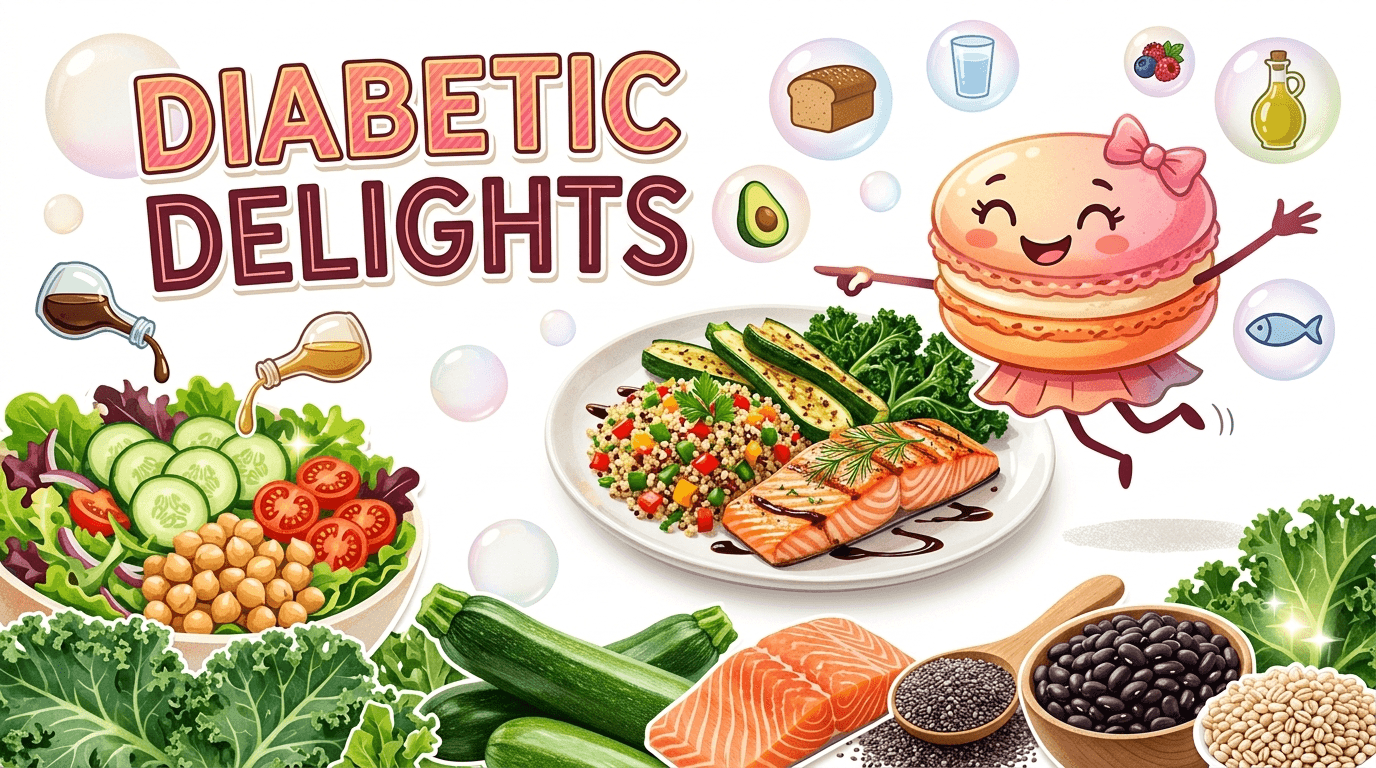
Prioritize fiber-rich vegetables (kale, mushrooms), omega-3 sources (wild salmon, flaxseeds), and slow-digesting carbs (lentils, barley). Vinegar-based dressings may lower post-meal spikes by 20% when paired with carbs. Practical shortcuts: Keep frozen riced cauliflower and pre-cut stir-fry veggies on hand—they retain nutrients well and save prep time. Canned beans (rinsed to reduce sodium) offer quick protein/fiber without cooking from scratch.
Meal plan for Diabetic Diet vs a balanced meal plan
While both emphasize whole foods, diabetic eating focuses more on glycemic load—the combined effect of a food's carb content and blood sugar impact. For example, choosing basmati rice (GI=58) over jasmine rice (GI=109) makes a measurable difference. Diabetic plans also pay closer attention to meal timing and food sequencing—eating protein/fiber before carbs can significantly moderate glucose response compared to eating components separately.
Meal Planning Ideas for Diabetic Diet
Sheet pan meals streamline diabetic cooking—roast salmon with Brussels sprouts and sweet potatoes (skin-on for extra fiber) creates balanced dinners with minimal cleanup. Leftovers become next-day lunch salads when tossed with leafy greens and pumpkin seeds for crunch.
Smart snack stations prevent blood sugar dips: Pre-portion 1/4 cup roasted chickpeas with 1oz cheese cubes in reusable containers for grab-and-go options. This combo provides 10g protein + 5g fiber to blunt glucose spikes better than carb-only snacks.
Ethnic cuisine adaptations work well—swap rice in bibimbap for riced cauliflower (saves 30g carbs), use lettuce wraps instead of tortillas for fajitas, or choose dal with Greek yogurt instead of naan. These modifications preserve flavor while reducing glycemic impact.
Freezer staples should include individually frozen fish fillets (thaw in fridge overnight), pre-formed turkey burger patties, and frozen edamame for quick protein additions. These items maintain quality for 2-3 months and prevent reliance on processed meats.
Dining out strategies include scanning menus for grilled/baked proteins first, then requesting vegetable substitutions (most restaurants will swap fries for roasted broccoli). Asking for dressings/sauces on the side controls portions—typical restaurant servings contain 3-4x recommended amounts.
A 1-day meal plan for Diabetic Diet
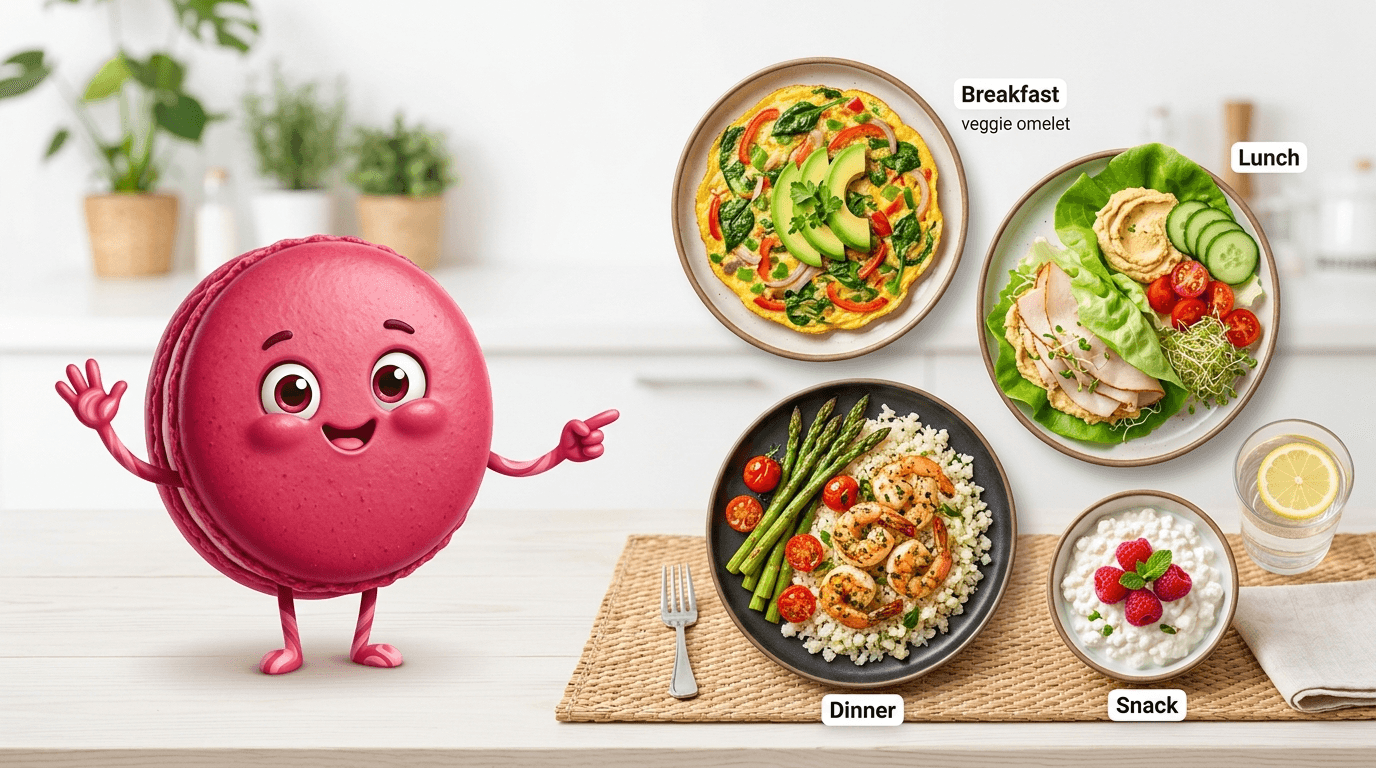
Breakfast: Veggie omelet with avocado provides steady energy from protein+healthy fats. Lunch: Turkey lettuce wraps with hummus offer a satisfying low-carb alternative to sandwiches. Dinner: Grilled shrimp over cauliflower rice with roasted asparagus combines lean protein with non-starchy veg. Smart snacks like cottage cheese with raspberries balance natural sugars with protein—this combo may reduce post-snack spikes by 25% compared to fruit alone.
Snacks, swaps, and grocery shortcuts for a Diabetic Diet meal plan
Effective swaps include using nut butters instead of cream cheese (more protein/healthy fats), roasted chickpeas instead of chips (fiber boost), and zucchini noodles instead of pasta. Pre-portioned snack packs (1oz nuts + cheese stick) prevent overeating while providing satiety. Frozen riced vegetables save prep time and often retain more nutrients than fresh produce transported long distances, per USDA studies.
Common meal plan mistakes on Diabetic Diet
Top mistakes include skipping meals (leading to overeating later), over-restricting carbs (causing energy crashes), and not reading labels for hidden sugars in 'healthy' snacks like granola bars. Another pitfall is neglecting portion sizes—even with healthy fats like nuts, sticking to 1-ounce servings prevents excess calorie intake while still providing nutritional benefits.
How Macaron helps you stick to a Diabetic Diet meal plan
Macaron helps by turning broad blood sugar advice into repeatable daily choices. You can build meals around the plate method, save combinations that kept you full without a big spike, and reuse them on busy days instead of starting over every time. The app is especially useful for comparing similar meals, such as rice versus cauliflower rice or fruit alone versus fruit paired with protein, so your plan becomes more personal over time. Grocery lists and meal prep suggestions also reduce the last-minute scramble that often leads to takeout, skipped meals, or carb-heavy convenience foods.
Frequently Asked Questions
Yes, with strategy. Enjoy small portions occasionally as part of balanced meals—a square of dark chocolate after protein-rich dinner causes smaller spikes than eating sweets alone. Choose 70%+ cacao options and pair with nuts; the healthy fats slow absorption. Continuous glucose monitor data shows this approach typically results in 20-30% lower spikes than eating sweets on an empty stomach. Monitor your response to identify tolerable portions.
Most adults do well with 30-45g carbs per meal (15-30g snacks), but needs vary by activity and medication. Focus on carb quality—1/2 cup quinoa affects blood sugar differently than white bread with equal carbs. Emerging research suggests timing matters too; many tolerate afternoon carbs better than evening ones. Tracking responses helps identify your optimal thresholds.
Most don't raise blood sugar directly, but some may affect gut bacteria. Stevia and monk fruit appear safest currently. Interestingly, small real sugar amounts (1 tsp in coffee) may be preferable to large artificial sweetener quantities for some individuals. If using sweeteners, choose non-spiking varieties and use sparingly rather than daily.
Scan menus for grilled/baked proteins with vegetable sides—most restaurants will substitute fries for steamed veggies. Request sauces/dressings on the side (restaurant portions are typically 4x recommended 2 tbsp). Ethnic restaurants often offer diabetes-friendly options: Greek souvlaki plates, Vietnamese pho with extra vegetables instead of noodles, or Indian dal with cauliflower rice.
Macaron simplifies diabetic meal planning by giving you a structure you can repeat instead of asking you to calculate every meal from scratch. It can organize meals around your preferred carb range, save combinations that worked well for you, and turn those into grocery lists and prep steps for the week ahead. That is useful when you want steady meals, not constant decision-making. The biggest benefit is consistency: once you know which breakfasts, lunches, and snacks keep you satisfied, the app makes it easier to reuse those patterns without getting stuck in a guessing cycle.
No—whole fruits provide fiber that slows sugar absorption. Berries, apples, and citrus are excellent choices. Portion control matters (1 small apple vs large); pairing with protein (like cheese) further moderates response. Frozen unsweetened berries offer year-round convenience with the same nutritional benefits as fresh.
Excellent options include tofu, tempeh, lentils, beans, Greek yogurt, eggs, nuts, and seeds. These provide protein while being low in saturated fats. Soaking beans overnight reduces cooking time, and marinated baked tofu offers versatile meal prep protein that absorbs flavors well.
Many people do well with three balanced meals and one or two smaller snacks, but the best rhythm depends on medication, appetite, activity, and how your blood sugar responds to longer gaps. The more important rule is consistency: meals that are spaced too far apart can lead to overeating later, while constant grazing makes it harder to spot what is driving spikes. A practical starting point is to eat every four to five hours, then adjust based on your own readings and hunger cues. If mornings are hardest, anchor the day with a protein-rich breakfast so the rest of the schedule is easier to hold.
Read & discover
AI Personal Assistant
Free calculators


