Healthy Meal Plan for High Protein
Smart protein strategies combining affordable staples like eggs and lentils with time-saving prep techniques. Includes 7-day meal templates, digestion-friendly transitions, and nutrient-dense swaps to optimize absorption and satiety.
Meal Plan Basics for High Protein
Effective high protein meal planning balances affordability with bioavailability - budget staples like canned tuna (27g per can) and cottage cheese (14g per 1/2 cup) deliver quality protein at under $1 per serving. Rotating 3-4 core proteins weekly prevents taste fatigue while keeping costs below $75 for most shoppers. Incorporate versatile bases like rotisserie chicken (25g per 3oz) that can transform into salads, wraps, or grain bowls.
Protein timing significantly impacts absorption - spacing 25-40g portions every 3-4 hours maintains muscle synthesis better than large single meals. Post-workout windows benefit from fast-digesting whey (30 minutes) while evenings pair well with slow-release casein in Greek yogurt or cottage cheese. For sedentary periods, combine proteins with high-fiber veggies like Brussels sprouts to prolong fullness.
Plant-based eaters can meet targets through strategic combinations like rice + beans (complete protein) or hummus + whole wheat pita. Soaking legumes overnight improves protein absorption by up to 30%, while fermented options like tempeh offer gut-friendly benefits with 15g per 3oz serving. Lesser-known options include lupini beans (13g per 1/4 cup) and edamame puffs (13g per cup) for crunch and variety.
Common pitfalls include neglecting hydration needs (add 8-16oz water daily per 50g protein) and micronutrient gaps. Those consuming 200g+ protein should monitor zinc, magnesium and B-vitamin levels through periodic blood work, especially when reducing carb-heavy foods. Gradually increase protein over 2-3 weeks to allow digestive adaptation, incorporating probiotics like kefir for smoother transitions.
Successful planners emphasize 'protein anchors' - pre-portioned ingredients like hard-boiled eggs (6g each) or marinated tofu (10g per 3oz) that guarantee minimum intake. These reduce decision fatigue while allowing creative meal combinations throughout busy weeks. Batch-roasting chickpeas (15g protein per cup cooked) creates crunchy salad toppers or snack replacements that stay fresh for days.
How a meal plan for High Protein works
Beyond basic meats, strategic planners incorporate protein-dense plants like hemp seeds (10g per 3 tbsp) and nutritional yeast (8g per 1/4 cup). Edamame puffs deliver 13g protein per cup with satisfying crunch, while lupini beans offer 13g per 1/4 cup with prebiotic benefits. These options prevent palate fatigue while meeting amino acid needs through varied sources. Rotate 3-4 core proteins weekly to maintain variety without overwhelming your grocery budget or prep time.
How to build a meal plan for High Protein
Timing matters - consuming 20-40g within 2 hours post-workout maximizes recovery. For sedentary periods, focus on slower-digesting casein (cottage cheese at night) or fiber-paired proteins (lentils with brown rice) to prolong satiety. Hydration needs increase by 8-16oz daily to process additional nitrogen waste. Gradually ramp up protein intake over 2-3 weeks to allow digestive adaptation, incorporating enzymes from pineapple or papaya to ease the transition.
Best foods to include in a meal plan for High Protein
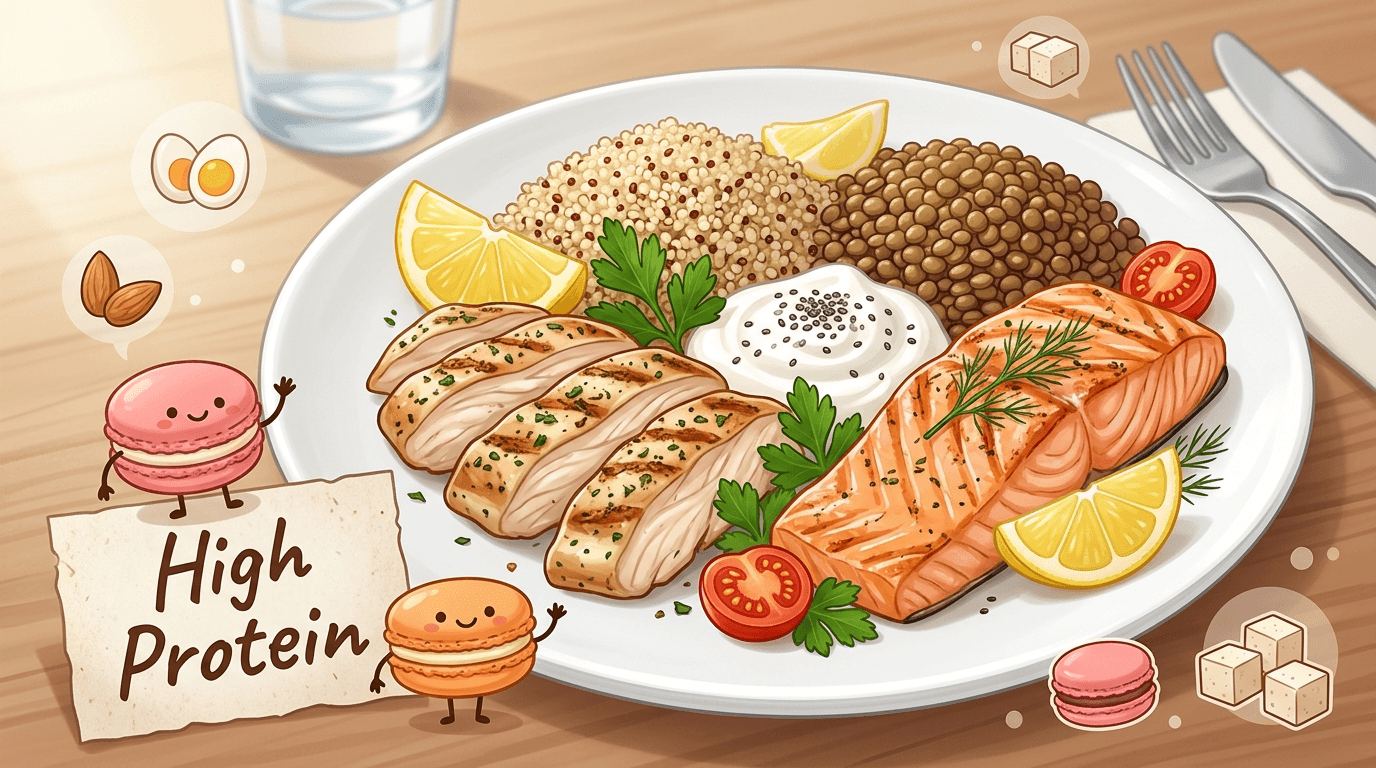
Prioritize versatile proteins like rotisserie chicken (25g per 3oz), canned salmon (20g per 1/2 can), and paneer (7g per ounce). Budget-friendly picks include frozen shrimp (20g per 3oz) and cottage cheese (13g per 1/2 cup). For plants, focus on tempeh (15g per 3oz), black beans (15g per cup cooked), and quinoa (8g per cup cooked) - all shelf-stable staples. Lesser-known options like lupini beans (13g per 1/4 cup) and edamame puffs (13g per cup) add variety without breaking the bank.
Meal plan for High Protein vs a balanced meal plan
While protein intake increases, carbs and fats may reduce slightly. Focus on quality sources to avoid nutrient gaps or excessive saturated fats. Those eating 200g+ protein daily need 30-40g fiber from sources like chia seeds and berries to maintain digestive health. Periodic blood work helps monitor kidney function and micronutrient levels when following prolonged high-protein regimens, especially when reducing carb-heavy foods.
Meal Planning Ideas for High Protein
Batch-prepping versatile proteins saves 3-4 hours weekly - cook 2lbs of chicken breast (94g protein) with neutral seasoning, then repurpose into salads, wraps or grain bowls. Similarly, roasting 3 trays of chickpeas (45g protein total) creates crunchy salad toppers or snack replacements. Store cooked proteins in 4oz portions for easy grab-and-go meals that deliver consistent 25-30g protein servings.
Budget-conscious protein rotation might include Monday/Wednesday eggs (12g each), Tuesday/Thursday lentils (18g per cup cooked), and weekend bulk-cooked ground turkey (22g per 4oz). This approach maintains variety while keeping per-serving costs under $1.50 for most proteins. Frozen shrimp (20g per 3oz) and canned salmon (20g per 1/2 can) offer affordable seafood options with long shelf lives.
Meal efficiency improves dramatically with strategic carb pairing - combining proteins with high-fiber veggies (broccoli, Brussels sprouts) slows digestion for prolonged fullness. Contrast with fast-digesting pairings like white rice + chicken for post-workout recovery meals. Those sensitive to dairy can try lactose-free Greek yogurt or cultured cottage cheese for easier digestion while maintaining protein intake.
Digestive comfort matters when ramping up intake - gradually increase protein over 2-3 weeks while incorporating probiotics (kefir, kimchi) and enzymes (pineapple, papaya). Those sensitive to dairy can try lactose-free Greek yogurt or cultured cottage cheese for easier digestion. Hydration needs increase by 8-16oz daily per 50g protein to process additional nitrogen waste effectively.
Macronutrient tracking reveals hidden gaps - many overlook that 100g chicken breast provides 31g protein but only 3.6g fat, requiring intentional healthy fat additions like avocado or olive oil. Apps like Macaron auto-balance meals based on your activity level and dietary preferences, suggesting recipes that use your stocked ingredients while meeting protein targets.
A 1-day meal plan for High Protein
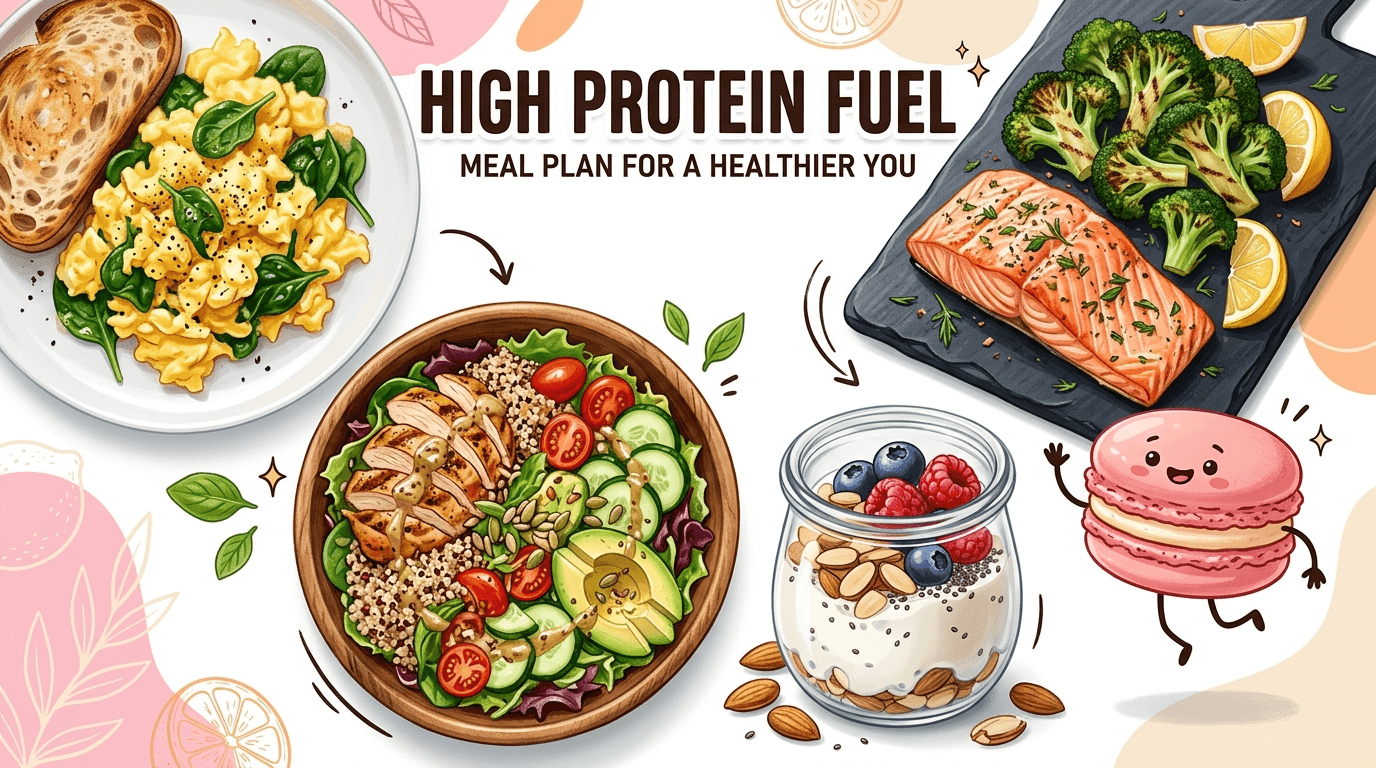
Breakfast: Scrambled eggs with spinach (18g protein). Lunch: Grilled chicken salad with quinoa (35g protein). Dinner: Salmon with roasted broccoli (30g protein). Snacks: Greek yogurt (17g per cup) or almonds (6g per ounce). This sample day delivers approximately 100g protein through whole foods, with strategic timing of faster-digesting proteins post-workout and slower-digesting options in the evening.
Snacks, swaps, and grocery shortcuts for a High Protein meal plan
Pre-portioned snacks like string cheese (7g each) and single-serve hummus (5g per 2 tbsp) simplify on-the-go nutrition. Swap regular pasta for edamame noodles (24g per serving) or use cauliflower rice mixed with lentils for a 15g protein side. Grocery hacks include buying frozen pre-cooked shrimp (ready in 2 minutes) and canned chicken breast for quick salads. Roasted chickpeas (6g protein per 1/4 cup) make crunchy high-fiber snacks that stay fresh for weeks.
Common meal plan mistakes on High Protein
Many overlook digestive adaptation - sudden protein increases cause bloating without gradual ramp-up. Another pitfall is neglecting fiber; those eating 200g+ protein daily need 30-40g fiber from sources like chia seeds and berries. Blood work every 6 months helps monitor kidney function and micronutrient levels when following prolonged high-protein regimens. Hydration needs increase significantly - add 8-16oz water daily per 50g protein to process nitrogen waste effectively.
How Macaron helps you stick to a High Protein meal plan
Macaron suggests recipes, tracks protein intake, and adjusts portions based on your activity level, ensuring sustainable progress. The app generates customized grocery lists prioritizing budget proteins like eggs and lentils, then suggests 15-minute recipes using your stocked ingredients. It alerts when fat/carb ratios drop too low and adjusts portions based on your daily activity tracker data for balanced nutrition.
Frequently Asked Questions
Active individuals should aim for 1.2-1.6g per pound of lean body mass (not total weight), while sedentary adults need 0.5-0.8g. For a 150lb person with 20% body fat, this translates to 96-144g daily. Distribute across meals - studies show muscle protein synthesis plateaus at about 40g per sitting for most adults. Those over 50 may benefit from slightly higher intake (1.2-1.5g per pound) to combat age-related muscle loss.
Plant-based eaters achieve targets through complementary pairings like peanut butter on whole grain toast (complete protein) or quinoa with black beans. Soaking legumes 8+ hours improves protein absorption up to 30%. High-efficiency options include lupini beans (13g per 1/4 cup), edamame puffs (13g per cup), and mycoprotein products like Quorn (15g per serving). Fermented soy products like tempeh offer 15g protein per 3oz with gut-friendly probiotics.
While whole foods should form the foundation, shakes efficiently bridge gaps - especially post-workout when whey isolate digests within 30 minutes. Plant-based blends (pea/rice protein) take 2-3 hours to absorb, making them better for between meals. Limit to 1-2 daily unless medically supervised, and always pair with whole food sources like adding nut butter to smoothies for balanced nutrition.
Satiety champions include eggs (6g protein each), Greek yogurt (17g per cup), and lean meats like turkey breast (26g per 3oz). Pair with high-volume veggies - 3oz chicken with 2 cups roasted Brussels sprouts creates a 30g protein meal under 300 calories. Cottage cheese before bed provides slow-digesting casein to curb overnight cravings. Edamame puffs (13g per cup) offer satisfying crunch with minimal calories.
Excess protein can strain kidneys in those with preexisting conditions. Most healthy adults tolerate up to 2g per pound without issues when properly hydrated (add 8-16oz water per 50g protein). Those consuming 200g+ daily should monitor kidney function annually and ensure adequate fiber intake (30-40g) to maintain digestive health. Gradually increase intake over 2-3 weeks to allow physiological adaptation.
Overnight oats with protein powder (20g protein), avocado toast with cottage cheese (15g), or a smoothie with peanut butter and chia seeds (18g). Pre-make egg muffins with spinach (12g each) for grab-and-go mornings. Greek yogurt parfaits with hemp seeds (20g total) offer quick options. Soak chia seeds overnight in almond milk for pudding-like texture with 5g protein per 2 tbsp serving.
Macaron generates customized grocery lists prioritizing budget proteins like eggs and lentils, then suggests 15-minute recipes using your stocked ingredients. The app tracks protein distribution across meals, alerts when fat/carb ratios drop too low, and adjusts portions based on your daily activity tracker data for balanced nutrition. It recommends complementary food pairings to optimize absorption and suggests snacks to fill protein gaps.
Yes, but focus on growth-friendly options like eggs, lean meats, and dairy. Avoid restrictive plans; kids need balanced macros for development. Incorporate protein-rich snacks like Greek yogurt with berries (10g protein) or cheese sticks (7g each) between meals. Plant-based options include edamame (8g per 1/2 cup) and peanut butter on whole grain toast (complete protein). Monitor overall calorie intake to support growth needs.
Read & discover
AI Personal Assistant
Free calculators


