Healthy Meal Plan for Men
Men require 20-30% more calories than women with higher protein, zinc, and magnesium needs. Smart meal planning simplifies meeting these requirements through strategic food choices, efficient prep methods, and budget-conscious ingredient swaps that support energy levels and long-term health.
Meal Plan Basics for Men
Active men often misjudge their carb needs, requiring 3-5g per pound for sustained energy, while overestimating protein requirements beyond the optimal 1g per pound. Batch cooking proteins like sous vide chicken retains moisture for easy reheating, while frozen stir-fry mixes offer affordable vegetable variety. Many find success with 'modular prep' - separate containers of grains, roasted vegetables, and proteins for mix-and-match meals that prevent flavor fatigue.
Breakfast combinations like eggs with whole grain toast outperform sugary cereals for sustained energy. Overnight oats with chia seeds and Greek yogurt deliver 30g protein with just 5 minutes of prep, solving morning time crunches. For lunch, mason jar salads with quinoa and grilled chicken stay fresh for days when layered properly, outperforming deli sandwiches that cause afternoon crashes.
Dinner rotations should include 20-minute sheet pan meals (salmon with Brussels sprouts) and slow cooker stews that develop flavor with minimal prep. Keeping 3-4 staple recipes in weekly rotation maintains variety without requiring new skills. Budget tip: Whole chickens yield breasts for meals, thighs for tacos, and bones for mineral-rich broth.
Nutrient timing matters - laborers need carb-heavy meals 1-2 hours pre-shift (sweet potatoes with chicken), while desk workers benefit from high-fiber lunches (lentil salads) to manage calories. Cooking grains in bone broth adds 5g protein per serving without changing flavor, a simple upgrade many overlook.
Common pitfalls include skipping cruciferous vegetables (broccoli supports testosterone production) and drinking excess calories through alcohol, which interferes with nutrient absorption. Acid-based dressings like lemon-tahini keep greens fresh for 3+ days, extending meal prep shelf life significantly.
What a healthy meal plan for Men looks like
Optimal plans balance palm-sized proteins (chicken, fish), fist-sized complex carbs (sweet potatoes, quinoa), and unlimited non-starchy vegetables. Men eating cruciferous vegetables 3-4 times weekly show better hormone profiles - roast broccoli with olive oil and garlic for easy additions. Include omega-3 rich foods like salmon 2-3 times weekly, alternating with cheaper sardines. Practical tip: Cook extra grains to use in next-day grain bowls with leftover proteins, adding nuts or seeds for texture and healthy fats.
How to build a meal plan for Men
Calculate baseline calories (weight x 12-16 based on activity), then distribute 55-70g daily protein evenly across meals. Active men need carb-heavy pre-workout meals (oatmeal with peanut butter), while sedentary men benefit from high-fiber options (lentil soup). Pro strategy: Cook a whole chicken weekly - use breasts for meals, thighs for tacos/salads, and bones for mineral-rich broth. This approach cuts waste while providing versatile ingredients for multiple meals throughout the week.
How a meal plan for Men differs from a general adult plan
Men typically need more protein (55-70g/day), zinc (11mg from foods like oysters), and magnesium (400mg from spinach and nuts). Calorie needs range from 2,400-3,000 depending on activity level, with active men requiring more complex carbs for energy. Testosterone-supporting nutrients like vitamin D and omega-3s are particularly important in men's meal planning compared to general adult guidelines.
Best foods to include in a meal plan for Men
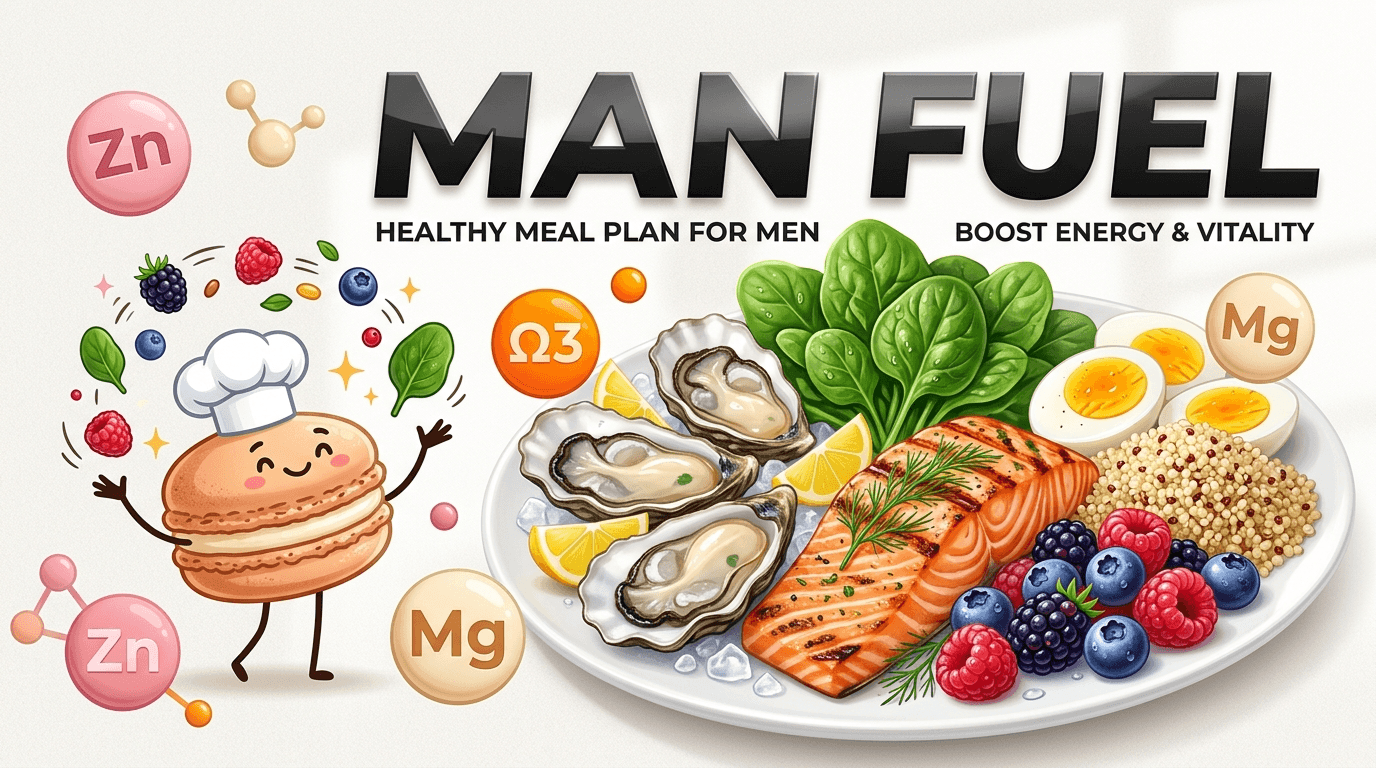
Prioritize zinc-rich oysters (canned for affordability), omega-3 packed salmon (frozen fillets save money), magnesium-loaded spinach (buy pre-washed), and antioxidant berries (frozen when not in season). Eggs provide complete protein at $0.30 each, while quinoa offers fiber and all essential amino acids. Keep frozen stir-fry mixes on hand for quick meals when fresh vegetables aren't available, ensuring consistent nutrient intake.
Meal Planning Ideas for Men
Reddit threads reveal successful patterns: Sunday batch cooking of 3 lbs chicken (using both breasts and thighs), 2 cups quinoa cooked in broth, and roasted vegetables creates 10-12 mix-and-match meals. Divided containers streamline grab-and-go lunches while preventing the 'same meal fatigue' that derails consistency.
Nutritionists emphasize balancing convenience with nutrition - frozen vegetables retain 90% of nutrients while saving prep time. Smart snack combinations like Greek yogurt with berries provide protein-fiber synergy, outperforming processed options that spike blood sugar. Pre-portioned nuts prevent overeating calorie-dense foods.
Grocery analysis shows men save 25% by buying whole chickens instead of parts, choosing frozen berries off-season, and opting for store-brand canned fish. Staples like eggs, oats, and sweet potatoes deliver maximum nutrition per dollar, while bulk-buying quinoa and nuts cuts long-term costs.
Sheet pan meals combine proteins (salmon/chicken) with veggies - season, roast for 20 minutes, and serve with pre-cooked grains from meal prep. This approach solves weeknight time crunches while ensuring balanced nutrition. Rotate 3-4 staple recipes weekly to maintain variety without complex cooking.
Many men overlook canned sardines (rich in omega-3s) and pre-cut stir-fry vegetables as affordable shortcuts. Eggs provide complete protein at $0.30 each, while quinoa offers fiber and all essential amino acids. Keeping frozen stir-fry mixes on hand ensures vegetable intake even when fresh isn't available.
Breakfast, lunch, and dinner ideas for Men
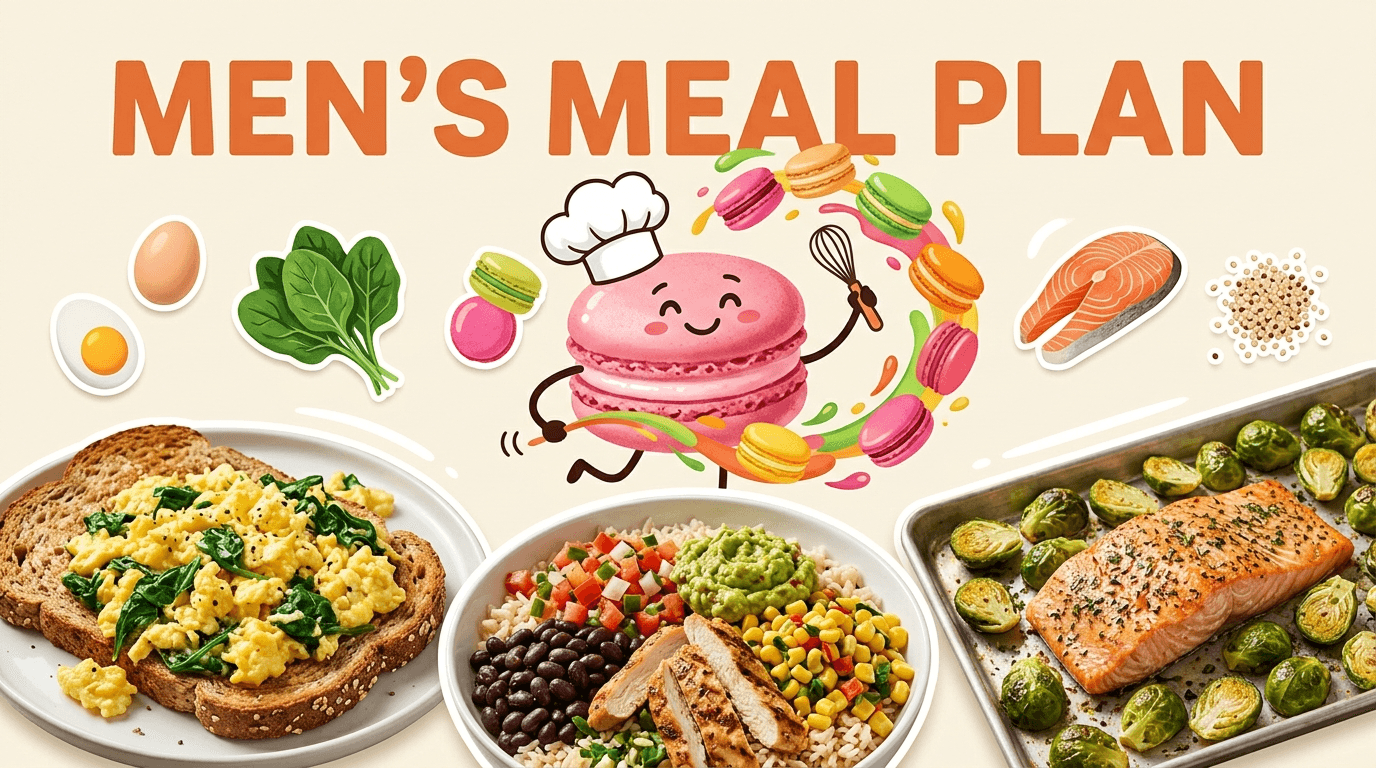
Breakfast: Blend Greek yogurt, oats, chia seeds and frozen berries overnight for 30g protein. Lunch: Layer mason jar salads with quinoa, chicken, and vinaigrette at the bottom to prevent sogginess. Dinner: One-pan meals like sausage with roasted peppers and potatoes offer balanced nutrition with easy cleanup. Rotate 3-4 staple recipes weekly (like chili, stir-fry, sheet pan fish) to maintain variety without complex cooking skills required.
Snacks and drinks to add to a meal plan for Men
High-protein snacks like pre-peeled hard-boiled eggs or turkey roll-ups with cheese prevent energy crashes between meals. Cottage cheese with pineapple offers calcium plus bromelain for digestion. For drinks, infused waters (cucumber-mint) provide flavor without sugar, while coffee drinkers should pair caffeine with protein (like a handful of almonds) to avoid blood sugar spikes that can lead to afternoon fatigue.
Common mistakes when planning meals for Men
Skipping vegetables leads to micronutrient deficiencies, while over-relying on processed meats increases sodium and preservative intake. Drinking too many calories through alcohol or sugary beverages interferes with nutrient absorption. Many sedentary men underestimate portion sizes needed for their activity level, leading to unintended weight gain. Meal preppers often forget acid-based dressings that extend salad shelf life.
How Macaron helps Men plan meals faster
Macaron's meal planning tools suggest balanced recipes based on dietary preferences and nutritional needs, saving time on meal prep decisions. The app generates grocery lists optimized for budget and efficiency, while accounting for leftovers and ingredient reuse across multiple meals. This eliminates guesswork while ensuring nutritional targets are met without repetitive meals.
Frequently Asked Questions
Calorie needs vary by activity: sedentary men need ~12 calories per pound (200 lbs = 2,400 calories), moderately active ~14, and very active ~16. For muscle gain, add 250-500 calories focusing on extra protein (1g per pound) and complex carbs like sweet potatoes. For fat loss, subtract 250-500 calories while maintaining protein to preserve muscle. Track energy levels weekly - if fatigued, increase by 100-200 calories from nutrient-dense foods like nuts or avocado.
Lean animal proteins like chicken, turkey, fish, and eggs provide complete amino acid profiles. Greek yogurt offers calcium and probiotics, while plant-based options like tofu and lentils provide fiber. Canned sardines are an affordable omega-3 source. Rotate protein sources to ensure variety of nutrients - for example, alternating salmon (rich in omega-3s) with grass-fed beef (high in iron and zinc).
No - complex carbs from whole grains, fruits and vegetables provide essential energy and fiber. The key is choosing nutrient-dense carbs like sweet potatoes, quinoa, and berries over refined sugars and processed foods. Active men particularly benefit from timing carb intake around workouts (oatmeal pre-workout, sweet potatoes post-workout) to fuel performance and recovery.
Focus on omega-3s (fatty fish 2-3x weekly), fiber (oats, beans, 25-30g daily), and antioxidants (berries, dark leafy greens). Use healthy fats like olive oil instead of butter, and limit processed meats high in sodium. Practical tip: Swap deli sandwiches for mason jar salads with quinoa and salmon to simultaneously boost heart-healthy nutrients while reducing sodium intake.
Many men don't get enough vitamin D (from sunlight and fatty fish), magnesium (from spinach and nuts), or fiber (from whole grains and vegetables). Eating leafy greens, nuts, seeds, and getting sunlight can help address these deficiencies. Zinc (from oysters and pumpkin seeds) is particularly important for men's hormonal health but often overlooked in typical diets.
Absolutely - dedicating 2 hours weekly to batch cooking staples (3 lbs chicken, 2 cups quinoa, roasted veggies) creates 10-12 mix-and-match meals. Divided containers enable grab-and-go lunches that save 30+ minutes daily versus cooking from scratch. This approach reduces food waste through intentional ingredient reuse and prevents unhealthy takeout choices during busy weeks when time is limited.
Macaron provides customized meal plans with grocery lists and prep instructions tailored to individual calorie needs and food preferences. The app suggests recipes that reuse ingredients across multiple meals to minimize waste, while ensuring nutritional targets are met. This eliminates the mental load of meal planning while accommodating busy schedules and varying activity levels.
Sheet pan meals combine protein (salmon/chicken) with veggies - just season, roast for 20 minutes, and serve with pre-cooked quinoa or brown rice from meal prep. Alternate with slow cooker stews that develop flavor over 6-8 hours with minimal active prep. Both approaches deliver balanced nutrition with cleanup limited to one pan or pot.
Read & discover
AI Personal Assistant
Free calculators


