Healthy Meal Plan for Pescatarian
Elevate your pescatarian journey with sustainable seafood rotations, plant-forward meal structures, and practical strategies for balancing omega-3 intake while avoiding common nutritional gaps.
Meal Plan Basics for Pescatarian
The pescatarian diet offers unique flexibility by combining plant proteins with strategic seafood inclusion, but requires careful mercury management. Smart practitioners rotate fatty fish (salmon), shellfish (mussels), and white fish (cod) across 2-3 weekly meals, using frozen shrimp and canned sardines as pantry staples for quick protein. Budget-conscious shoppers save 22% by pairing seasonal mussels with canned tuna, while environmentalists favor farmed mussels for their 10x lower carbon footprint than beef.
Nutrient timing becomes crucial when combining fast-cooking seafood with slower plant proteins. Pre-marinating fish fillets and batch-prepping grains like farro creates efficient assemblies, while fermented foods like kefir address gut health gaps common in plant-heavy diets. Seaweed snacks provide essential iodine often missing from vegetarian regimens, making them a smart pantry staple.
Plate composition follows a 50/25/25 framework: half non-starchy vegetables, quarter sustainable seafood or plant protein, and quarter whole grains. This adapts seamlessly from breakfast (smoked salmon avocado toast) to dinner (miso-glazed cod with quinoa). Many successful pescatarians roast multiple sheet pans of vegetables on Sundays for quick weekday assemblies.
Flavor shortcuts transform simple meals - anchovy paste adds umami depth to tuna salads, while furikake seasoning elevates rice bowls instantly. Smart storage extends seafood freshness: pat fillets dry before refrigerating with paper towels, and freeze portions in water-filled bags to prevent freezer burn. These techniques add 3-4 days to refrigerator shelf life.
Transition challenges often involve protein timing adjustments, as seafood cooks faster than meat. Solutions include using frozen seafood that thaws quickly and pre-portioning fillets for controlled mercury exposure. The diet accommodates diverse preferences from sushi nights to hearty lentil stews, making it more sustainable than restrictive regimens.
How a meal plan for Pescatarian works
The pescatarian framework strategically combines plant proteins with 2-3 weekly seafood meals to optimize omega-3 intake while minimizing mercury exposure. Practitioners rotate between fatty fish (salmon for EPA/DHA), shellfish (mussels for iron), and white fish (cod for lean protein) following sustainability guidelines. Many use frozen shrimp as a quick-thaw protein and canned sardines for emergency meals, creating a rotation that covers nutritional needs without over-relying on any single species. Tracking apps help balance seafood diversity against environmental impact and budget constraints.
How to build a meal plan for Pescatarian
Construct meals using the 50/25/25 plate method: half non-starchy vegetables (like roasted Brussels sprouts), quarter sustainable seafood (4-6oz portion) or plant protein (tofu/tempeh), and quarter whole grains (farro/quinoa). Lunch assemblies work well in mason jars - layer cooked quinoa, roasted veggies, and flaked salmon with lemon dressing. Dinner examples include miso-glazed black cod with bok choy and purple rice, delivering omega-3s, fiber, and phytonutrients in one balanced meal. Always include vitamin C-rich foods with plant iron sources to enhance absorption.
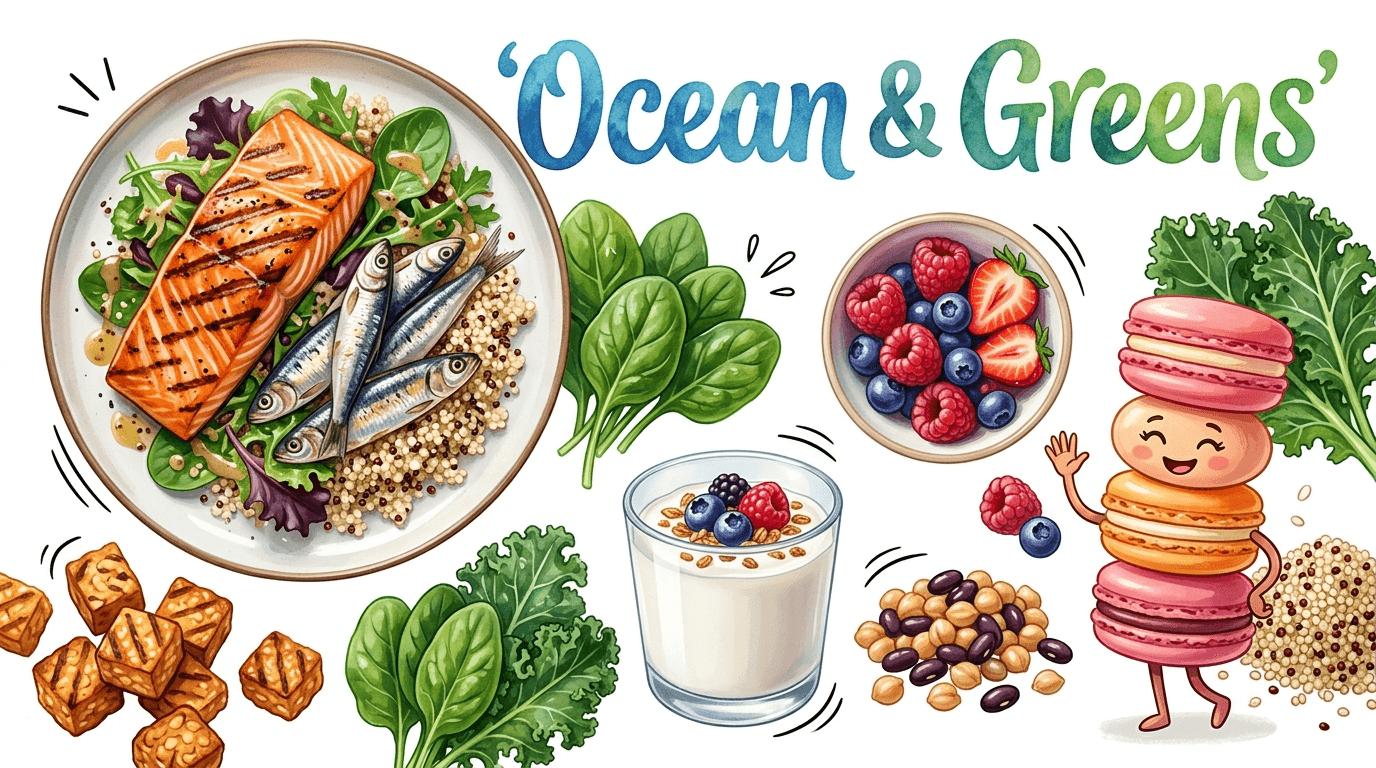
Best foods to include in a meal plan for Pescatarian
Prioritize omega-rich sardines and Arctic char alongside plant proteins like lupini beans and tempeh. Cruciferous vegetables (kale, broccoli) enhance detox pathways, while nori sheets provide essential iodine often lacking in plant-based diets. For gut health, include fermented options like kefir or miso - their bioactive compounds support microbiome diversity beyond what raw plants provide. Budget-friendly staples include frozen pollock and mussels, while luxury items like wild Alaskan salmon offer occasional splurges.
Meal plan for Pescatarian vs a balanced meal plan
Transitioning from standard diets involves replacing meat proteins with seafood and plant alternatives, typically increasing fiber while reducing saturated fat. The key nutritional difference lies in omega-3 optimization - pescatarians average 250% more EPA/DHA than omnivores through strategic fish inclusion. Both plans share foundations like vegetable diversity and whole grains, making the shift more about protein source changes than complete overhauls. Pescatarians must pay closer attention to iron/vitamin C pairings and iodine intake compared to standard balanced diets.
Meal Planning Ideas for Pescatarian
Weekly prep efficiency comes from simultaneous cooking methods - roast vegetables at 425°F while simmering grains below. These bases transform into varied meals: toss with sardines and lemon for lunch bowls, or top with seared scallops for dinners. Pre-portioning seafood into 4-6oz servings prevents waste and aligns with mercury-conscious consumption guidelines.
Breakfast innovation moves beyond eggs with high-protein options like smoked trout wraps or sardine avocado toast. These deliver 35g protein while providing omega-3s missing from carb-heavy morning meals. Greek yogurt parfaits with walnuts offer a balanced alternative when seafood isn't appealing, combining probiotics with plant-based fats.
Smart seafood shopping involves strategic timing - many stores discount fresh fish on Sundays before new shipments arrive. Frozen pre-cooked shrimp thaw quickly for last-minute protein additions, while canned salmon mixes easily into grain bowls. Budget-friendly proteins like mussels ($3-4/lb) and sardines (<$1/serving) provide affordable omega-3 sources.
Dining out strategies focus on adaptable menu items like customizable poke bowls or seafood paella. Requesting olive oil instead of butter and asking about fish stock bases maintains dietary alignment. Most restaurants will grill fish simply with lemon when asked, providing a reliable fallback option that avoids hidden meat products.
Emergency meal solutions include wild-caught salmon pouches and seasoned tuna packets for protein boosts. Umami swaps like mushroom powder instead of beef bouillon and smoked paprika in place of bacon bits recreate meaty flavors. Frozen edamame makes a high-protein snack when tossed with sea salt and sesame seeds.
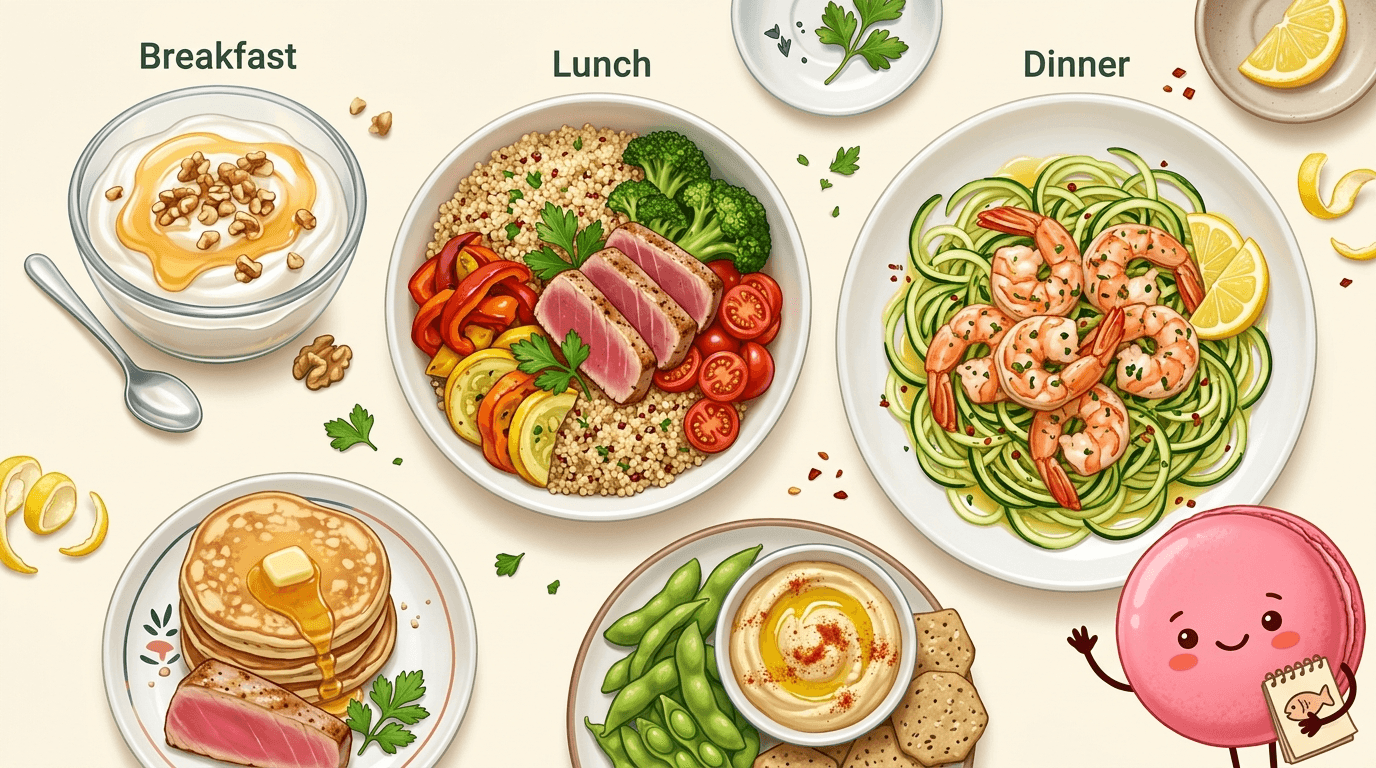
A 1-day meal plan for Pescatarian
Breakfast: Smoked salmon and avocado on rye toast with lemon squeeze (35g protein). Lunch: Mediterranean quinoa bowl with roasted veggies, canned tuna, and kalamata olives (iron + vitamin C combo). Dinner: Garlic butter shrimp over zucchini noodles with pine nuts (quick-cooking protein). Snacks: Edamame with sea salt or Greek yogurt with walnuts (plant-based protein options). This lineup delivers complete nutrition while covering omega-3s (650mg EPA/DHA), fiber (35g), and essential micronutrients like selenium and iodine.
Snacks, swaps, and grocery shortcuts for a Pescatarian meal plan
Stock emergency proteins like wild-caught salmon pouches (90-second prep) and seasoned tuna packets. Swap meat flavorings with umami alternatives: mushroom powder replaces beef bouillon, while smoked paprika mimics bacon bits. Frozen pre-cooked shrimp thaw in minutes for last-minute additions - toss into pasta during the final minute of cooking. Canned sardines mixed with mustard make high-protein spreads, and roasted seaweed snacks satisfy crunchy cravings with iodine benefits.
Common meal plan mistakes on Pescatarian
Frequent pitfalls include over-relying on fried seafood or cheese for protein, neglecting plant proteins like lentils, and not varying fish types for diverse nutrients. Many beginners underestimate portion sizes for seafood (aim for 4-6oz cooked) or skip iron-enhancing vitamin C pairings. Meal prep mistakes include freezing fish incorrectly (use water-filled bags) or not accounting for seafood's faster cooking times compared to meat. Budget errors involve overlooking affordable options like canned mackerel while overspending on premium salmon.
How Macaron helps you stick to a Pescatarian meal plan
Macaron's system tracks your seafood consumption patterns against mercury guidelines, suggesting recipes that balance fatty and lean fish intake. The app's waste-reduction feature recommends using fish trimmings for homemade stock, while its price comparison tool identifies seasonal deals on sustainable options like mussels. Weekly reports help monitor omega-3 intake against nutritional goals, and the meal planner automatically adjusts portions based on seafood cooking times to prevent overcooking.
Frequently Asked Questions
Yes, eggs are a nutritional powerhouse for pescatarians, providing complete protein and choline for brain health. They're particularly valuable when limiting dairy, as yolks contain natural vitamin D. For optimal freshness, store eggs in their original carton on a refrigerator shelf (not the door) and use within 3-5 weeks. Practical uses include omelets with smoked salmon for breakfast or hard-boiled eggs with seaweed snacks for balanced mini-meals when seafood isn't available.
Both diets emphasize plants, but pescatarians typically maintain higher EPA/DHA omega-3 levels without supplements, while vegans often consume more fiber and phytonutrients. The healthiest choice depends on individual needs - those with heart disease risks may benefit more from pescatarian omega-3s, while vegans might see better inflammatory marker improvements. Nutritionists often recommend pescatarian as a transitional diet with built-in safeguards against common deficiencies like B12 and iron.
Aim for 2-3 seafood meals weekly, rotating between fatty fish (salmon for omega-3s), shellfish (mussels for iron), and white fish (cod for lean protein) to balance nutrients. Limit high-mercury species like swordfish to monthly consumption, and follow FDA guidelines of 8-12oz weekly from low-mercury options like sardines if pregnant. Tracking apps help maintain this rotation while ensuring sustainability standards are met across different seafood categories.
Yes, when focusing on whole foods over fried options, as the high protein and fiber content promotes satiety. Studies show pescatarians consume 200 fewer daily calories than meat-eaters on average. Key strategies include controlling portions of calorie-dense foods like nuts and cheese, prioritizing vegetable-heavy meals, and choosing grilled over breaded seafood. The natural variety prevents diet boredom better than restrictive plans, making long-term adherence more achievable.
Budget-friendly proteins include canned sardines (often under $1/serving), frozen pollock, and eggs. Plant-based options like lentils and split peas provide affordable complements at about $0.20 per serving. Smart shoppers watch for mussel sales (typically $3-4/lb) and buy whole fish for better value per pound. Many stores discount fresh fish on Sundays before new shipments arrive - freeze immediately in water-filled bags for later use.
Most don't require supplements if eating iron-rich foods like clams, oysters, and spinach regularly. Enhance absorption by pairing plant iron sources with vitamin C - think lentil soup with lemon or spinach salad with orange segments. Those with heavy menstrual cycles or known deficiencies may benefit from occasional supplementation, but blood work should guide this decision rather than self-prescribing.
Absolutely - sushi is a pescatarian staple when chosen wisely. Opt for nigiri or sashimi over tempura rolls to maximize protein and minimize empty carbs. Brown rice options add fiber, while seaweed wraps contribute iodine. Be mindful of mercury content in frequent tuna consumption, and ask about sustainable sourcing - many restaurants now indicate ocean-friendly choices like MSC-certified fish on menus.
Macaron streamlines pescatarian meal prep by generating shopping lists optimized for seafood sustainability and seasonality. The app suggests recipes based on your current freezer inventory and local fish market specials, preventing waste. Cooking timers adjust automatically for seafood's faster cooking times compared to meat, and the mercury tracker ensures you maintain a balanced rotation of fish types throughout the month.
Read & discover
AI Personal Assistant
Free calculators


