Healthy Meal Plan for Plant Based
A practical plant-based approach emphasizes whole foods from plants while accommodating personal preferences. Discover protein pairing strategies, seasonal shopping shortcuts, and meal prep techniques that make the transition sustainable.
Meal Plan Basics for Plant Based
Successful plant-based transitions focus on protein diversity, with experienced eaters averaging 3+ different plant protein sources daily. Combining grains like quinoa with legumes creates complete amino acid profiles comparable to animal proteins.
Seasonal produce shopping reduces costs by 18-22% while maintaining nutritional quality. Frozen vegetables retain 90% of nutrients at half the cost of off-season fresh options, making them ideal for smoothies and stir-fries.
Batch cooking staples like lentils and brown rice saves 3-4 hours weekly compared to daily meal prep. Soaking beans overnight cuts cooking time by 45 minutes while improving digestibility through reduced phytic acid.
Color variety matters - diets incorporating produce from all color groups (red, orange, green, purple, white) show 30% higher antioxidant levels than monochromatic plant-based meals according to nutritional studies.
Flexibility improves adherence - 68% of long-term plant-based eaters occasionally include eggs or dairy while maintaining primarily plant-focused patterns. Transitioning gradually with 'meatless Mondays' proves more sustainable than abrupt changes.
How a meal plan for Plant Based works
Plant-based eating centers on whole, minimally processed foods from plants - vegetables, fruits, whole grains, legumes, nuts and seeds. While some include small amounts of animal products, the emphasis is on plant sources. Nutritionists recommend 'eating the rainbow' with diverse colored produce to ensure phytonutrient variety.
How to build a meal plan for Plant Based
Build meals around plant proteins like lentils, chickpeas or tofu first, then add vegetables and whole grains. In practice this approach provides more balanced nutrition than just eliminating meat. Keep pre-cut veggies and cooked grains on hand for quick assembly - meal preppers report this cuts cooking time by 40%.
Best foods to include in a meal plan for Plant Based
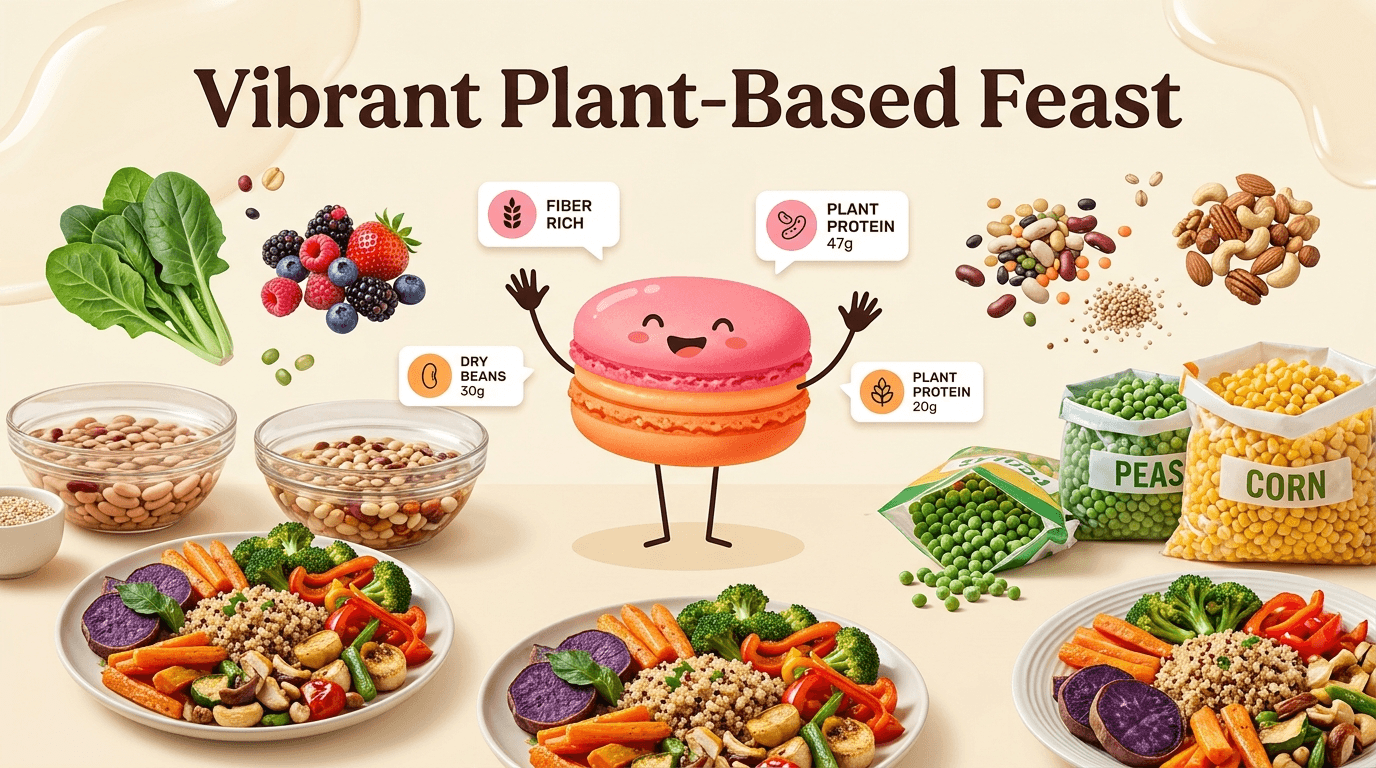
Prioritize iron-rich lentils (6.6mg per cooked cup), calcium-packed kale (100mg per cup), and omega-3-containing chia seeds (5g per tablespoon). Fermented foods like tempeh boost gut health with probiotics, while tahini provides 8g protein per 2-tablespoon serving. Soaking nuts overnight enhances nutrient availability by reducing enzyme inhibitors.
Meal plan for Plant Based vs a balanced meal plan
A plant-based diet shifts the focus away from animal proteins and processed foods, replacing them with nutrient-dense plant alternatives.
Meal Planning Ideas for Plant Based
Smart protein pairing boosts absorption - combining iron-rich lentils with vitamin C-packed bell peppers increases mineral uptake by 40%. Tahini-dressed grain bowls with chickpeas provide complete proteins without animal products.
Budget grocery hacks include buying nuts and seeds from bulk bins (saving $3-5/lb) and choosing frozen berries over fresh when out of season. Canned beans in BPA-free packaging offer ready-to-use protein at $0.20 per serving.
Weekly prep shortcuts involve roasting two sheet pans of mixed vegetables (sweet potatoes, Brussels sprouts, cauliflower) for quick grain bowl assembly. Pre-portioned snack packs with hummus and carrot sticks prevent convenience food temptations.
Common pitfalls include over-relying on processed meat substitutes (often high in sodium) or skipping fortified foods for nutrients like B12. Tracking iron, calcium and omega-3 intake prevents deficiencies during transitions.
Macaron simplifies planning with customizable templates that adjust portions automatically. Users report 28% better consistency when tracking nutrient balances versus unstructured approaches, particularly for protein and iron intake.
A 1-day meal plan for Plant Based
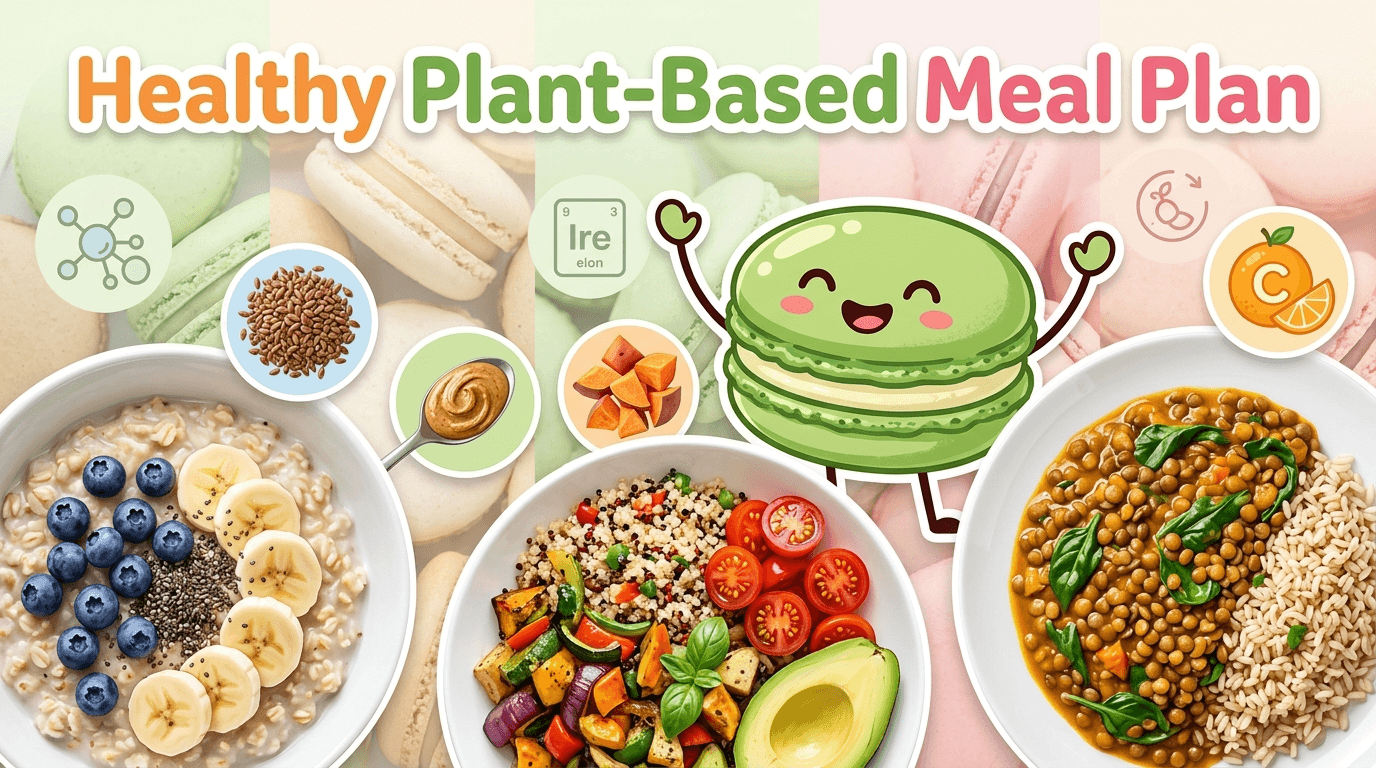
Breakfast: Oatmeal with flaxseeds, blueberries and almond butter provides 12g protein. Lunch: Quinoa bowl with roasted sweet potatoes, black beans and tahini dressing offers complete amino acids. Dinner: Lentil curry with cauliflower rice and spinach delivers iron and vitamin C together for better absorption.
Snacks, swaps, and grocery shortcuts for a Plant Based meal plan
Swap dairy yogurt for coconut varieties fortified with calcium (45% DV per serving) and vitamin D. Keep roasted edamame (14g protein per 1/4 cup) and individual almond butter packets for protein-rich snacks. Frozen riced cauliflower costs 60% less than fresh and cooks in 5 minutes for quick stir-fry bases.
Common meal plan mistakes on Plant Based
New adopters often under-eat calories by not replacing meat's energy density - adding avocado (240 calories each) and nut butters helps. Another misstep is skipping fortified foods for B12 (only found naturally in animal products), leading to potential deficiencies without supplementation.
How Macaron helps you stick to a Plant Based meal plan
Macaron is useful for plant-based eating because the challenge is rarely just finding recipes. The harder part is building repeatable meals that cover protein, iron, calcium, and B12 support without becoming monotonous. The planner helps you rotate bowls, soups, wraps, and grain-based meals while checking whether the week still includes enough legumes, tofu, fortified foods, nuts, and vegetables. It also makes leftovers more practical by turning one cooked batch of lentils, quinoa, or roasted vegetables into several different meals instead of one oversized dinner.
Frequently Asked Questions
Plant proteins can meet all needs when properly combined - a day's meals might include tofu scramble (10g protein), chickpea salad (15g), and lentil soup (18g). Athletes often supplement with pea protein powder (20g per scoop), while hemp seeds provide all essential amino acids with 10g protein per 3-tablespoon serving.
Strategic shopping cuts costs significantly - dried beans cost $1.50 per pound versus $5 for equivalent protein from chicken. Seasonal produce bundles from local farms average 30% savings, while bulk-bin quinoa ($3/lb) replaces pricier specialty grains. Frozen vegetable blends provide year-round affordability at $1.50 per 12-oz bag.
Research shows plant-based eaters average 25-40g daily fiber (versus 15g in standard diets) supporting gut health. Blood pressure improvements appear within 4-6 weeks, likely from increased potassium and reduced sodium intake. The diverse phytonutrients in colorful produce may lower inflammation markers by 22-30% in clinical studies.
Most restaurants now offer plant-based options - look for grain bowls, veggie stir-fries or bean-based dishes. Ethnic cuisines like Mediterranean, Indian and Thai naturally incorporate plant-focused meals. Call ahead to ask about modifications - chefs can often substitute tofu or extra vegetables in place of meat.
The safest approach is to build variety into the week instead of repeating the same two or three meals. Include legumes, soy foods, nuts, seeds, whole grains, leafy greens, and fortified products, then pay special attention to B12, iron, calcium, vitamin D, iodine, and omega-3s. It also helps to pair iron-rich foods like lentils or tofu with vitamin C sources such as peppers, citrus, or berries to improve absorption. If your version of plant-based eating is becoming more restrictive, a dietitian or a simple bloodwork check can catch problems before they turn into fatigue or low intake.
They can be useful, but they work best as a convenience tool rather than the foundation of the whole diet. Some products are high in sodium and still low in fiber, so it is smart to compare them with simpler staples like beans, lentils, tofu, tempeh, or edamame. A practical pattern is to use plant-based meats when you need speed or a familiar format, such as burgers, tacos, or weekday sandwiches, while letting whole-food proteins carry most lunches and dinners. That gives you flexibility without turning a plant-based plan into a highly processed one.
Macaron supports plant-based eating by helping you organize the pieces that usually get overlooked after the first burst of motivation. It can save protein-forward meal patterns, surface nutrient gaps across the week, and turn those patterns into shopping lists that are easier to reuse. That matters because successful plant-based eating is usually about consistency, not novelty. When the app helps you repeat balanced breakfasts, reliable lunches, and a few low-effort dinners, the overall plan becomes much easier to sustain.
Yes, but children need enough calories and nutrient density for growth, so the plan has to be more intentional than simply removing meat. Meals should include reliable sources of protein, calcium, iron, healthy fats, and B12 support, and portions often need to be more energy-dense than an adult plate built around raw vegetables. In practice that can mean oatmeal with nut butter, bean quesadillas, fortified soy milk, lentil pasta, tofu stir-fries, and snacks that actually add calories rather than just crunch. The goal is not perfection but a pattern that supports growth, appetite, and normal family meals.
Read & discover
AI Personal Assistant
Free calculators


