Healthy Meal Plan for Pregnant Women
Smart meal planning solutions for every pregnancy stage - from first trimester nausea hacks to third trimester iron-rich meals. Includes dietitian-approved combos, trimester-specific nutrient priorities, and real-mom time-saving prep strategies.
Meal Plan Basics for Pregnant Women
Strategic food pairing boosts nutrient absorption - combining vitamin C-rich foods like bell peppers with plant-based iron sources (lentils, spinach) improves iron uptake by 50%, while calcium-rich foods should be spaced from iron meals by 2 hours to prevent interference. Many pregnant women report better tolerance for cold, bland foods during nausea periods - overnight oats with almond butter or Greek yogurt parfaits often work better than hot meals. Pre-chopping and freezing fruits/veggies during second trimester energy peaks creates quick smoothie additions for later fatigue.
Pregnant women typically need 5-6 eating occasions daily rather than 3 large meals to maintain steady energy. Pre-portioned snacks like trail mix with pumpkin seeds (iron + magnesium), cheese cubes with whole grain crackers (calcium + fiber), and roasted chickpeas (protein + folate) help prevent energy crashes. Batch-prepping freezer-friendly proteins in silicone molds (shredded chicken, hard-boiled eggs) during second trimester energy surges saves time when third trimester fatigue hits.
Nutrient priorities shift by trimester - first trimester focuses on folate-rich foods (lentils, spinach) and nausea management, while third trimester emphasizes iron (beans, fortified cereals) and omega-3s (salmon, walnuts). Practical adaptations include using frozen avocado instead of fresh when aversions strike, or blending spinach into berry smoothies with citrus for easier digestion and enhanced iron absorption. Many women rotate through eggs, Greek yogurt, and lean poultry as protein aversions change.
Community-tested shortcuts include keeping bedside crackers in single-serve packages, using pre-washed salad greens to reduce prep time, and opting for individually wrapped string cheese or nut butter packets for grab-and-go nutrition. These real-mom solutions complement clinical guidelines while accommodating common pregnancy challenges like fatigue and food aversions. Sheet pan dinners with salmon, roasted sweet potatoes and broccoli provide balanced nutrition with minimal cleanup.
Plate composition matters - aim for 1/2 colorful vegetables (steamed carrots, roasted bell peppers), 1/4 lean protein (eggs, black beans, turkey), and 1/4 whole grains (quinoa, brown rice) at meals. Include 2-3 calcium sources like yogurt or fortified plant milk daily, but consume them separately from iron-rich meals by at least 2 hours. Many women find small protein-rich snacks every 90 minutes (cottage cheese with pineapple or edamame pods) more manageable than three large meals.
What a healthy meal plan for Pregnant Women looks like
Aim for 5-6 smaller meals spaced every 2-3 hours - try turkey roll-ups with avocado (protein + healthy fats) or hummus with veggie sticks (fiber + plant protein) between main meals. Build plates with 1/2 non-starchy vegetables (steamed broccoli, spinach salad with citrus), 1/4 lean protein (scrambled eggs, lentils, baked fish), and 1/4 whole grains (quinoa, brown rice). Include 2-3 calcium sources like yogurt or fortified almond milk daily, but consume them separately from iron-rich meals by at least 2 hours. Many women find pre-portioning snacks into small containers prevents overeating while ensuring steady energy.
How to build a meal plan for Pregnant Women
Start by identifying 2-3 tolerable proteins per trimester - common rotations include eggs, Greek yogurt, and lean poultry as aversions change. Pair iron sources (spinach, lentils) with vitamin C foods (bell peppers, oranges) at the same meal to boost absorption. Keep nausea-friendly options like saltines, frozen fruit pops, and ginger tea readily available. Prep components in bulk during energy peaks - hard-boiled eggs, roasted chickpeas, and chopped veggies last 3-4 days in airtight containers. Many successful planners use theme nights (like Taco Tuesday or Stir-Fry Friday) to simplify decisions.
How a meal plan for Pregnant Women differs from a general adult plan
Pregnancy requires 60g protein (vs 46g), 600mcg folate (vs 400mcg), and 27mg iron (vs 18mg) daily to support fetal development and increased blood volume. Calcium needs increase to 1,000mg (from 800mg) and omega-3 DHA to 200-300mg (from 100-200mg). These changes require more nutrient-dense choices - salmon instead of chicken for omega-3s, lentils instead of rice for plant-based iron, and fortified cereals with strawberries for iron + vitamin C. Many women need 300 extra calories daily in later trimesters, ideally from nutrient-rich snacks like avocado toast or Greek yogurt with granola.
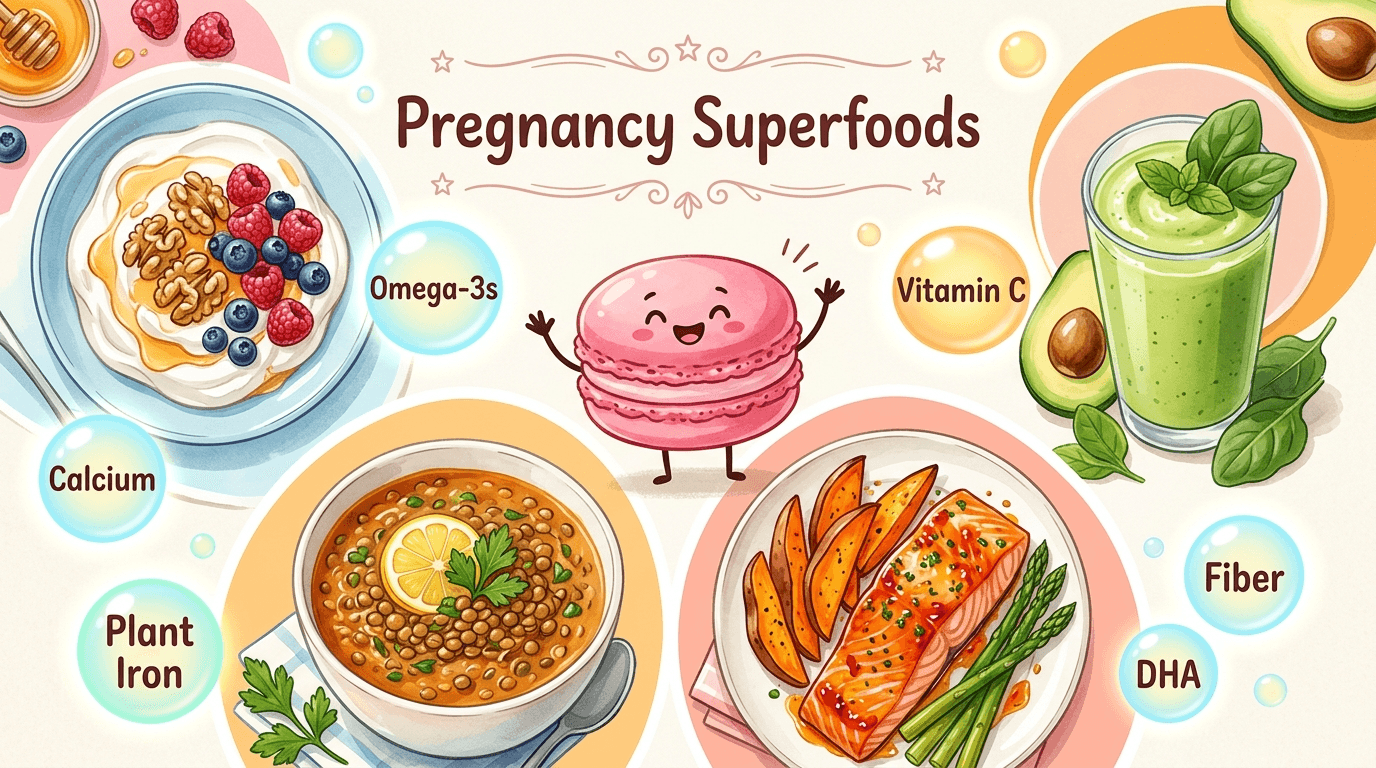
Best foods to include in a meal plan for Pregnant Women
Top-rated options include Greek yogurt with walnuts (calcium + omega-3s), lentil soup with lemon (plant iron + vitamin C), and salmon with sweet potato (DHA + fiber). Frozen avocado chunks blend well into smoothies when fresh avocados trigger aversions. Fortified cereals with strawberries provide iron and vitamin C in one easy breakfast, while hard-boiled eggs with whole grain toast offer protein and choline for brain development. Many women rely on pre-portioned snacks like cheese cubes with whole grain crackers or apple slices with peanut butter for steady energy.
Meal Planning Ideas for Pregnant Women
First trimester meal planning often focuses on nausea management - cold foods like chia pudding with almond butter, smoothies with ginger and frozen banana, and sour flavors (lemon water, green apples) frequently work better than hot meals. Small protein-rich snacks every 90 minutes (like cottage cheese with pineapple or edamame pods) help stabilize blood sugar better than three large meals. Many women keep saltines by their bedside to eat before rising.
Second trimester brings increased energy - ideal for batch cooking freezer meals like lentil soups with lemon (iron + vitamin C), turkey meatballs with hidden spinach, and veggie-packed muffins with zucchini. Sheet pan dinners with salmon (omega-3s), roasted sweet potatoes (fiber) and broccoli (folate) provide balanced nutrition with minimal cleanup. This is the best time to prep components like hard-boiled eggs and roasted chickpeas that last 3-4 days.
Third trimester priorities shift to combating fatigue and meeting iron needs - spinach salads with mandarin oranges (iron + vitamin C), bean-based pasta dishes with tomato sauce, and iron-fortified cereals with strawberries become staples. Slow cooker meals (like chicken chili with beans) and one-pot dishes reduce standing time. Many women rely on pre-portioned snacks like almond butter on whole grain toast with banana slices for quick energy.
Snack strategies evolve throughout pregnancy - first trimester may require bland options like saltines and rice cakes, while later trimesters can incorporate more variety like trail mix with pumpkin seeds or cottage cheese with walnuts. Freezing Greek yogurt in popsicle molds creates convenient probiotic-rich snacks that often sit better than liquid dairy. Hydration becomes crucial - many women flavor water with citrus slices or cucumber to increase intake.
Common pitfalls include skipping meals (triggering nausea), over-relying on simple carbs like white toast alone (causing blood sugar spikes), and inadequate hydration (increasing constipation risk). Setting phone reminders for small, frequent meals and carrying a water bottle helps avoid these issues. Many successful planners use theme nights (Meatless Monday, Fish Friday) to simplify decision fatigue during pregnancy.
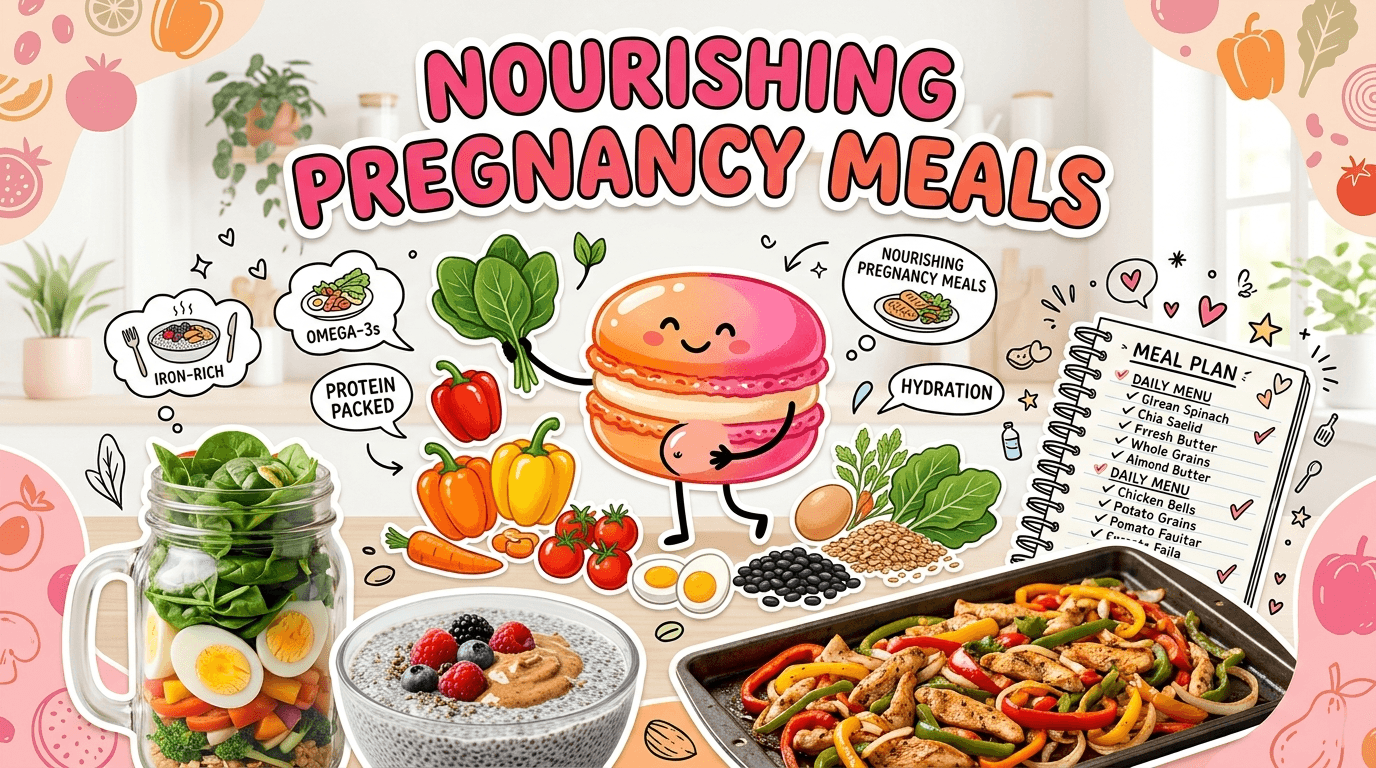
Breakfast, lunch, and dinner ideas for Pregnant Women
First-trimester friendly options include chilled chia pudding with almond butter (protein + omega-3s) or banana 'nice cream' with walnuts (potassium + healthy fats). Second trimester allows for heartier meals like veggie omelets with whole grain toast (choline + fiber) or quinoa bowls with roasted veggies (complete protein + antioxidants). Third trimester priorities include iron-packed dinners like beef stir-fry with bell peppers (heme iron + vitamin C) or spinach lasagna with cottage cheese (calcium + folate), prepared in bulk for easy reheating. Many women find sheet pan meals with salmon, sweet potatoes and broccoli efficient for later pregnancy.
Snacks and drinks to add to a meal plan for Pregnant Women
Pre-portioned snacks prevent overeating while ensuring steady energy - try roasted edamame (folate + protein), cheese cubes with whole grain crackers (calcium + fiber), or apple slices with peanut butter (fiber + healthy fats). Herbal iced teas with mint or citrus slices make hydration more appealing when plain water is unappetizing. Freeze Greek yogurt in popsicle molds for cooling probiotic-rich treats that often sit better than liquid dairy during nausea periods. Many women keep bedside snacks like saltines or rice cakes for morning nausea management.
Common mistakes when planning meals for Pregnant Women
Three frequent errors include: 1) Going too long between meals, which can trigger nausea - set reminders to eat every 2-3 hours. 2) Overloading on simple carbs like white bread alone - always pair with proteins (peanut butter) or fats (avocado) to stabilize blood sugar. 3) Not adjusting fluid intake - aim for at least 10 cups of water daily, adding lemon or cucumber for flavor if needed to prevent constipation. Many women underestimate the importance of spacing calcium-rich foods from iron meals by 2 hours for optimal absorption.
How Macaron helps Pregnant Women plan meals faster
The app suggests trimester-specific recipes based on changing nutrient needs, like first-trimester nausea-friendly options or third-trimester iron-rich combos. It tracks daily intake of key pregnancy nutrients (folate, iron, calcium) with visual progress bars, highlighting any gaps. Customizable filters accommodate food aversions and preferences, with options to flag easy-prep meals or high-protein snacks. Generated shopping lists organize items by produce, proteins, and pantry staples for efficient store navigation. Many users appreciate the batch-prep suggestions timed to energy levels throughout pregnancy.
Frequently Asked Questions
Most women need about 300 additional calories daily during second and third trimesters - equivalent to a small meal or two substantial snacks. Focus on nutrient-dense additions like a handful of walnuts with an orange (healthy fats + vitamin C), avocado toast on whole grain bread (fiber + folate), or Greek yogurt with granola (calcium + protein) rather than empty calories. Needs vary based on pre-pregnancy weight - underweight women may need up to 500 extra calories, while those overweight may require fewer additions. Track energy levels rather than strictly counting calories.
Key nutrients include folate (600mcg daily from lentils, leafy greens to prevent neural tube defects), iron (27mg from fortified cereals, beans to support increased blood volume), calcium (1,000mg from dairy or fortified plant milk for baby's bone development), and omega-3 DHA (200-300mg from salmon, walnuts for brain development). Vitamin D, choline (from eggs), and iodine (from iodized salt) needs also increase significantly. Many women focus on pairing iron sources with vitamin C foods at meals while spacing calcium-rich foods by 2 hours for optimal absorption.
Limit to 200mg caffeine daily (about 12oz coffee). Consider switching to half-caff or herbal teas like peppermint or ginger, which may help with nausea. Stay hydrated with water as your main beverage - try infusing with citrus or cucumber slices for flavor. Be mindful that some sodas, energy drinks, and chocolate also contain caffeine that counts toward your daily limit. Many women find cold brew coffee or lattes with extra milk more tolerable than hot coffee during nausea periods.
Keep simple carbs like plain crackers or toast by your bedside to eat before getting up. Try cold, bland foods like applesauce, yogurt popsicles, or bananas instead of hot meals. Many women find sour flavors (lemon water, green apples) and carbonated water with lime more effective than ginger alone. Small protein-rich snacks every 90 minutes (like cheese cubes or roasted chickpeas) often work better than three large meals for nausea management. Avoid cooking smells when possible - opt for no-cook meals or use slow cookers in well-ventilated areas.
Avoid raw fish (sushi), undercooked meats, unpasteurized dairy/cheeses, and deli meats unless heated to steaming (165°F). Limit high-mercury fish like swordfish to once monthly. Wash all produce thoroughly and avoid raw sprouts. Cut caffeine to under 200mg daily (about 12oz coffee) and eliminate alcohol completely. Herbal teas should be limited to pregnancy-safe varieties like ginger or peppermint - avoid licorice root and large amounts of chamomile. Many women find pre-cut melons and pre-washed salad greens reduce food safety risks while saving prep time.
It creates customized plans with trimester-specific nutrient priorities, adjusting for common food aversions (like meat in first trimester). The app provides simple recipes with time-saving prep steps and visual portion guides. Nutrient tracking highlights any gaps in folate, iron or calcium intake with food suggestions to fill them. Generated grocery lists organize items by store sections (produce, dairy, pantry) for efficient shopping. Many users appreciate the nausea-friendly meal filters and batch-prep reminders timed to pregnancy energy levels.
Excellent plant-based options include lentils (18g protein per cup in soups or salads), tofu (10g per 1/2 cup in stir-fries), Greek yogurt (17g per serving with granola), eggs (6g each for breakfast), and quinoa (8g per cup in bowls). Pair these with vitamin C-rich foods to enhance iron absorption - try lentil soup with lemon or tofu stir-fry with bell peppers. Nut butters on whole grain toast and chia seed pudding also provide protein and healthy fats. Many vegetarians focus on combining complementary proteins like rice + beans throughout the day.
Every 2-3 hours works well for most pregnant women - try 3 moderate meals plus 2-3 substantial snacks. This grazing pattern maintains steady energy levels, helps manage nausea or heartburn, and ensures consistent nutrient delivery. Sample schedule: breakfast at 7am, snack at 10am (yogurt + fruit), lunch at 1pm, snack at 4pm (trail mix), dinner at 7pm, optional evening snack if needed (whole grain toast with peanut butter). Many women set phone reminders to eat before nausea hits and keep pre-portioned snacks in their purse or desk.
Read & discover
AI Personal Assistant
Free calculators


