Healthy Meal Plan for Toddlers
Practical toddler nutrition with visual portion guides, 10-minute meal combos, and freezer batch strategies. Evidence-based solutions for picky eaters, nutrient priorities, and balanced plates for ages 1-3.
Meal Plan Basics for Toddlers
Toddlers thrive on structured 2-3 hour eating windows with 3 meals and 2-3 snacks daily. Iron absorption boosts when pairing lentils or fortified cereals with vitamin C sources like bell peppers or oranges. Practical 'food bridges' help transition between flavors - try roasting carrots alongside familiar sweet potatoes or blending spinach into blueberry smoothies. Portion sizes should be roughly 1/4 adult servings (1-2 tbsp per food group), presented creatively with cookie cutters or colorful arrangements to increase engagement.
Freezer-friendly staples like quinoa or roasted sweet potatoes can be batch-cooked in silicone molds for quick reheating. Nutritional needs differ significantly from adults - toddlers require 30-40% calories from healthy fats (avocados, nut butters) for brain development. Always include one 'safe food' at each meal, and for veggie-resistant toddlers, try cauliflower blended into mac and cheese or spinach in pancake batter. Repeated exposure (10-15 times) without pressure proves more effective than forced tasting.
Common pitfalls include oversized portions that overwhelm small appetites and over-reliance on bland 'kid foods'. Sensory-sensitive toddlers often prefer separated components ('deconstructed meals') over mixed dishes. Simple adjustments like serving yogurt dips with veggie sticks or offering warm versus cold versions of the same food can dramatically improve acceptance. Presentation matters - colorful plates or arranging food into simple shapes increases willingness to try new items by up to 40%.
Grocery shortcuts include frozen veggie blends (no chopping), rinsed canned beans (lower sodium), and pre-cooked grains. Rotate 3-4 familiar favorites weekly while introducing 1-2 new foods. The 'muffin tin meal' approach - 6 compartments of varied finger foods like cheese cubes, berries, and crackers - encourages self-feeding exploration. For protein, shredded chicken or crumbled ground meat often works better than large chunks for small hands.
Meal timing strategies prevent grazing - aim for 20-30 minute meals with 90+ minute breaks between eating occasions. Growth spurts may temporarily increase appetite by 20-30%, often followed by lighter eating periods. Track overall growth patterns rather than daily intake - consistent weight gain along their curve indicates adequate nutrition despite meal-to-meal fluctuations.
What a healthy meal plan for Toddlers looks like
A balanced toddler plate combines small portions (1-2 tbsp each) from proteins (shredded chicken, scrambled eggs), carbs (whole grain pasta, oatmeal), and colorful produce (steamed broccoli florets, roasted sweet potatoes). Include one familiar 'anchor food' like whole grain pancakes with banana slices alongside new items - many parents successfully repurpose breakfast foods for dinner. Transition between similar flavors with 'food bridges': introduce roasted carrots when they accept sweet potatoes, or mix cauliflower into familiar mac and cheese. Always include a high-fat food (avocado, nut butter) for satiety and brain development.
How to build a meal plan for Toddlers
Establish consistent 2-3 hour eating windows with structured meals and snacks to prevent grazing. Encourage self-feeding with toddler-safe utensils or hands to build motor skills - try threading soft foods onto short pasta tubes for easy grasping. Keep mealtimes to 20-30 minutes following the 'division of responsibility': parents provide balanced options, toddlers decide what and how much to eat. Research confirms pressuring backfires; instead, reoffer rejected foods later in different forms (raw vs cooked, whole vs sliced). Batch-cook freezer staples like quinoa or roasted veggies in silicone molds for quick reheating.
How a meal plan for Toddlers differs from a general adult plan
Toddlers need significantly more healthy fats (30-40% of calories) for brain development than adults, prioritizing foods like avocados, nut butters, and full-fat dairy. Their diets emphasize iron-rich foods (lentils, fortified cereals) paired with vitamin C sources for absorption, plus calcium (dairy, fortified plant milks) and vitamin D (fatty fish, egg yolks). Unlike adults, toddlers require frequent small meals every 2-3 hours and shouldn't go more than 4 waking hours without eating. Portions are roughly 1/4 adult sizes, with emphasis on nutrient density over volume due to small stomach capacity.
Best foods to include in a meal plan for Toddlers
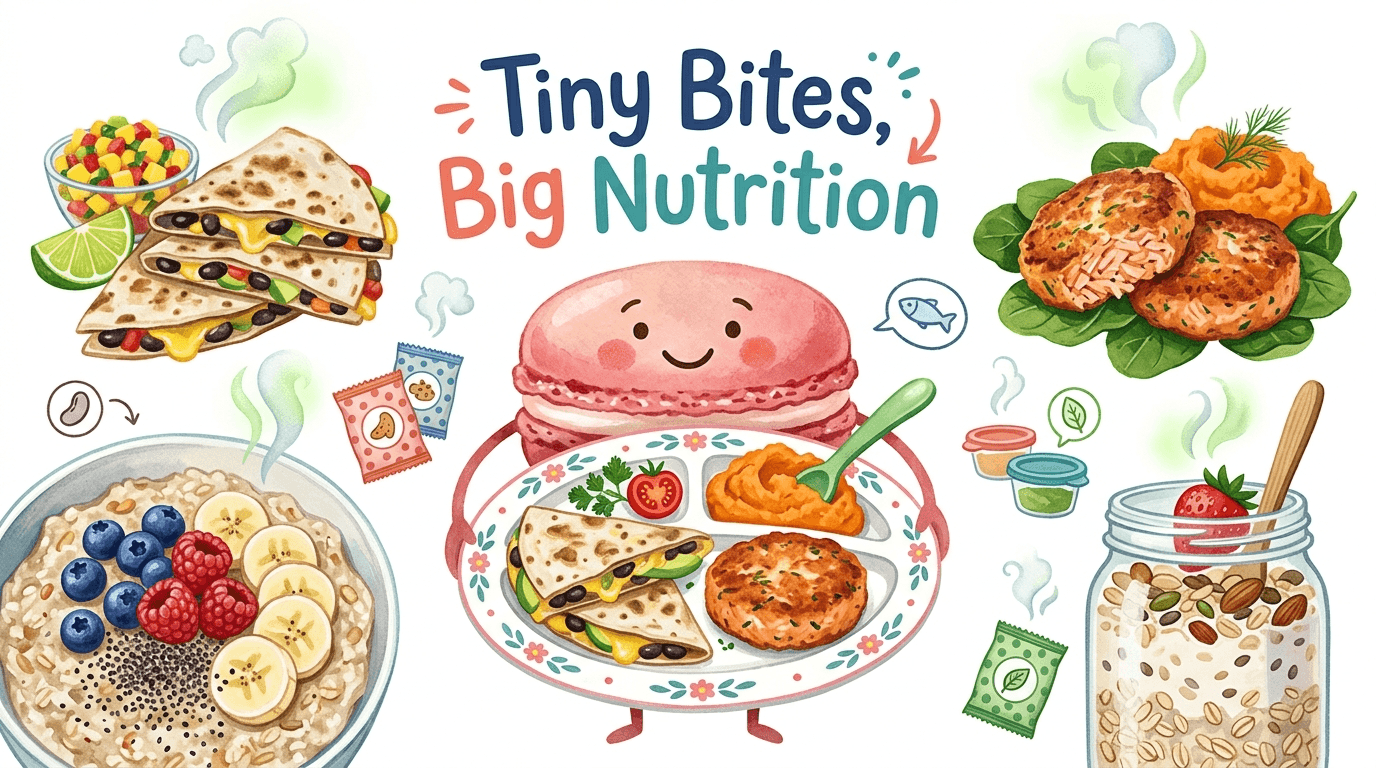
Top nutrient-dense choices include oatmeal with chia seeds (iron + fiber), black bean quesadillas cut into wedges (protein + complex carbs), and salmon patties with sweet potato mash (healthy fats + vitamin A). Steam veggies in bulk and freeze in silicone trays for quick reheating. Presentation boosts acceptance - arrange ingredients into simple patterns or faces ('food puzzles') to spark interest. Always include at least one high-fat food (avocado, nut butter, cheese) per meal for satiety. For easy proteins, shredded chicken or crumbled ground meat work better than large chunks for small hands.
Meal Planning Ideas for Toddlers
Breakfast combos that sustain energy include whole grain waffles with almond butter and banana coins or scrambled eggs with avocado on whole wheat toast 'soldiers'. Protein-carb pairings prevent mid-morning crashes better than carb-only meals. For efficiency, bake spinach-cheese egg muffins on Sundays and reheat throughout the week. Many toddlers accept breakfast foods like pancakes or oatmeal for dinner when paired with familiar toppings.
Lunchbox winners feature manageable finger foods - mini whole wheat pitas with hummus and roasted carrot sticks or black bean quesadillas cut into wedges. Threading soft-cooked veggies and meat onto short pasta tubes creates easy-to-grasp 'skewers'. Always include contrasting textures (crunchy cucumber rounds with soft cheese cubes) to maintain interest. Deconstructed meals with separated components allow toddlers to combine flavors at their own pace.
Dinner adaptations involve setting aside toddler portions before seasoning family meals. Popular picks include shredded chicken with brown rice and roasted zucchini coins or salmon patties with sweet potato mash. For reluctant eaters, serve components separately and let them explore combinations. Mild spices (cinnamon, mild curry powder) can be introduced gradually - many cultures successfully expose toddlers to garlic, ginger, and turmeric early.
Snack hacks prioritize two-component pairings like apple slices with peanut butter or yogurt with granola for balanced energy. Pre-cut bell peppers and cucumber rounds stay fresh for days when stored with a damp paper towel. Frozen coconut water popsicles with fruit pieces make hydrating hot-weather treats. Avoid grazing by timing snacks at least 90 minutes before meals to preserve appetite.
Emergency meal solutions include 10-12 no-cook options like banana wheels, edamame pods, or whole grain crackers. Batch-cooked freezer staples like toddler-friendly meatballs or mini frittatas in silicone molds save time. 'Smoothie packs' - pre-portioned frozen fruit/veg blends ready to mix with yogurt - provide nutrient-dense backups. For picky phases, keep nutrient boosters like hemp seeds or wheat germ to sprinkle on accepted foods.
Breakfast, lunch, and dinner ideas for Toddlers
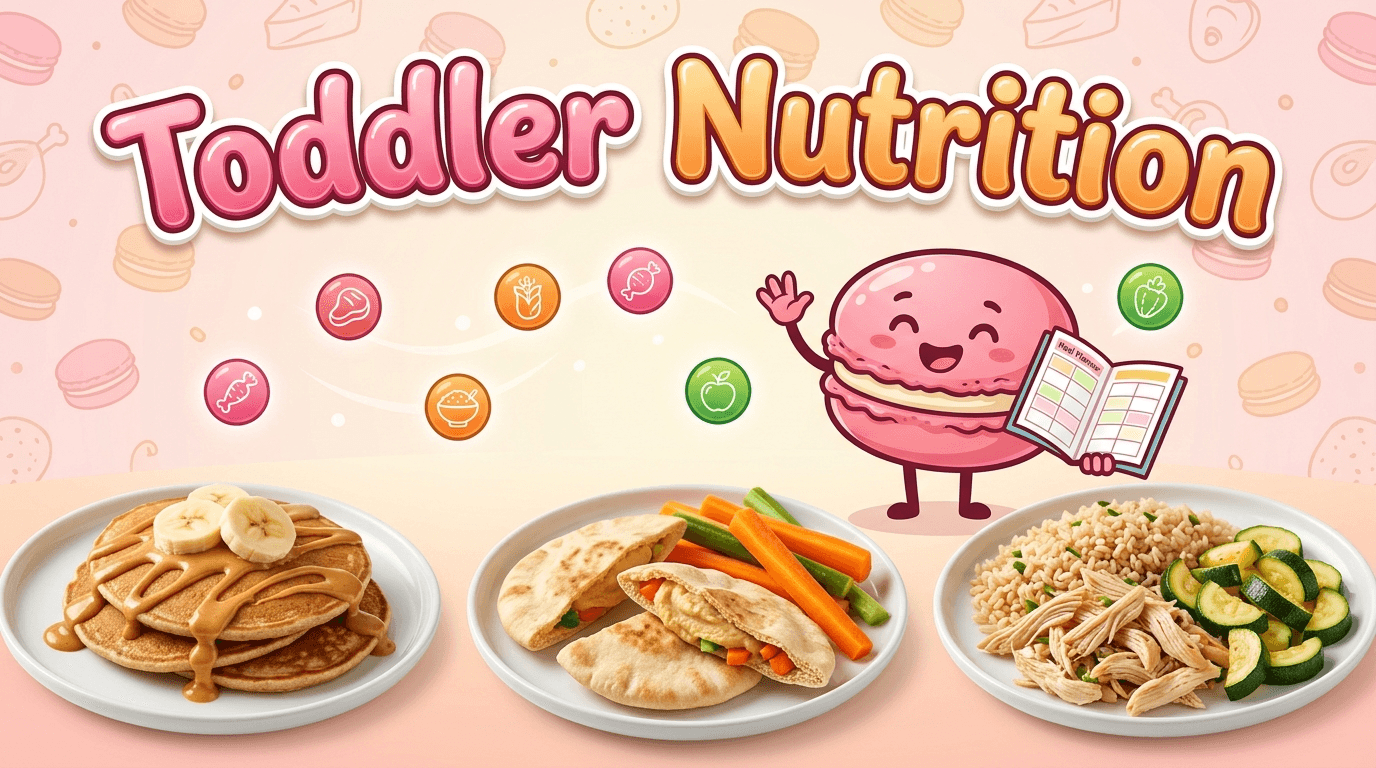
Morning: Whole grain French toast sticks with yogurt dip and berry medley. Noon: Mini turkey-cheese roll-ups with cucumber coins and whole grain crackers. Evening: Mild chicken curry with basmati rice and roasted cauliflower florets. Contrasting textures (crunchy cucumber + soft cheese) and temperatures increase acceptance by up to 40% in picky eaters. For reluctant eaters, repurpose familiar foods in new shapes (star-cut watermelon) or with fun utensils (colorful toddler forks). Many toddlers accept breakfast items like pancakes or oatmeal for dinner when paired with trusted toppings.
Snacks and drinks to add to a meal plan for Toddlers
Opt for two-component snacks like apple slices with cheese cubes or cucumber rounds with hummus to balance nutrients. Water should be the primary drink, with whole milk limited to 16-24oz daily (serve with meals to avoid filling up between). For hydration variety, try caffeine-free herbal iced teas with fruit slices or coconut water popsicles in hot weather. Avoid juice except for occasional 4oz servings of 100% fruit juice mixed with water. Pre-cut veggies stored with a damp paper towel stay crisp for quick snack assembly.
Common mistakes when planning meals for Toddlers
Avoid choking hazards (whole grapes/nuts), forcing clean plates, and serving only bland foods - toddlers need varied flavors/textures. Other pitfalls include oversized portions (start with 1-2 tbsp per item), introducing new foods alone (always pair with a 'safe' food), and overreacting to rejection (stay neutral and reoffer later). Many underestimate how presentation affects acceptance - simple changes like colorful plates or fun shapes improve willingness to try new foods. Limit milk to 16-24oz daily to prevent displacing other nutrients, and avoid grazing which disrupts hunger cues.
How Macaron helps Toddlers plan meals faster
Macaron generates balanced toddler meals using ingredients you have, accounting for common allergies and texture preferences. Features include visual portion guides for ages 1-3, 10-minute meal combos like scrambled eggs with avocado toast 'soldiers', and freezer batch strategies (mini frittatas in silicone molds). The system suggests progressive flavor exposure techniques - introducing roasted carrots when sweet potatoes are accepted, or blending spinach into blueberry smoothies. Customizable plans adapt to your child's evolving preferences while ensuring nutritional priorities like iron and healthy fats are met.
Frequently Asked Questions
Active toddlers typically require 1,000-1,400 calories across 3 meals and 2-3 snacks. Rather than counting calories, focus on including all food groups at each meal - most toddlers naturally regulate intake when offered balanced options. Growth spurts may temporarily increase appetite by 20-30%, often followed by lighter eating periods. Track overall growth patterns rather than daily intake - consistent weight gain along their curve indicates adequate nutrition. Portion sizes should start at 1-2 tbsp per food group, allowing seconds if requested.
Excellent options include scrambled eggs, mashed beans, shredded chicken or turkey, tofu cubes, full-fat yogurt (for under 2), cheese sticks, and thinly spread nut butters (if no allergies). Serve proteins in small, manageable pieces - pea-sized for meats works well. Many toddlers prefer mild-flavored proteins like mozzarella or white fish initially. Pair iron-rich proteins with vitamin C foods (bell peppers, oranges) to enhance absorption. For easy prep, batch-cook and freeze toddler-friendly meatballs or salmon patties in silicone molds.
Offer veggies first when hunger is highest, serve them repeatedly (10-15 exposures), and make them fun with dips (yogurt, hummus) or cookie cutter shapes. Model enjoyment by eating vegetables enthusiastically yourself. Blend greens into smoothies or bake zucchini into muffins while also serving veggies visibly. Start with sweeter options like roasted carrots or sugar snap peas before introducing bitter greens. Presentation matters - arrange colorful veggies into simple patterns or serve warm versus cold versions of the same vegetable to find their preference.
Yes, toddlers need 2-3 healthy snacks daily between meals due to small stomach capacity. Ideal snacks combine protein and carbs like cheese cubes with whole grain crackers or apple slices with peanut butter. Time snacks at least 90 minutes before the next meal to preserve appetite. Avoid grazing which disrupts hunger cues - structured snack times help establish eating rhythms. Nutrient-dense options include avocado toast triangles, edamame pods, or yogurt with hemp seeds sprinkled on top.
Water and whole milk (unless lactose intolerant) are ideal primary drinks. Limit milk to 16-24oz daily (served with meals) to avoid displacing other foods. If offering juice, restrict to 4oz of 100% fruit juice diluted with water, served occasionally with meals. Avoid sugary drinks, caffeine, and artificial sweeteners. For variety, try caffeine-free herbal iced teas with fruit slices or infused waters. Many toddlers enjoy coconut water popsicles with embedded fruit pieces for hot weather hydration.
Start with 1-2 tablespoons per food item (roughly 1/4 adult portions) and let your child request more. Appetite varies daily - some days they may eat double portions, others barely touch their plate. A practical guideline: offer tablespoon-sized portions per year of age (e.g., 2 tbsp per item for a 2-year-old). Always include at least one reliably accepted food to ensure some nutrition. Present small portions on colorful plates or sectioned trays to make quantities appear manageable.
Yes, in moderation. Introduce mild spices first (cinnamon, mild curry powder) and gradually increase intensity based on reactions. Avoid extremely hot foods that might cause discomfort. Many cultures successfully introduce garlic, ginger, or turmeric early - try adding small amounts to familiar foods. Watch for signs of irritation (rubbing mouth, excessive drinking) and have milk available to neutralize capsaicin if needed. Spiced foods like mild chicken curry or cinnamon-sprinkled oatmeal often broaden flavor acceptance when introduced patiently.
Macaron generates customized meal ideas using ingredients you have, saving recipe search time. The system accounts for toddler nutritional priorities (iron, healthy fats), common allergies, and preferred textures. Features include: visual portion guides for ages 1-3, 10-minute combos like scrambled eggs with avocado toast, and freezer batch strategies (mini frittatas in silicone molds). It suggests progressive flavor exposure - introducing roasted carrots when sweet potatoes are accepted, or blending spinach into blueberry smoothies - while adapting to your child's evolving preferences.
Read & discover
AI Personal Assistant
Free calculators


