Healthy Meal Plan for Whole Foods
A whole foods approach focuses on minimally processed ingredients for better nutrition. This guide combines dietitian-recommended meal structures with real-world shopping strategies, prep shortcuts, and 7-day meal examples to make healthy eating practical.
Meal Plan Basics for Whole Foods
Whole foods prioritize ingredients in their natural state, like fresh produce, intact grains, and unprocessed proteins. Nutrition analysis shows these choices typically contain 20-40% more nutrients than processed counterparts while avoiding additives. Seasonal vegetables and affordable proteins like eggs and legumes can make whole foods cost-competitive when purchased strategically.
A balanced whole foods plate typically includes 50% vegetables, 25% lean proteins, and 25% whole grains. This ratio provides optimal fiber and micronutrients without strict calorie counting. Many find roasted sweet potatoes, quinoa, and leafy greens form satisfying bases that keep energy levels stable throughout the day.
Transitioning gradually proves most sustainable - start by replacing one processed meal daily with whole food alternatives. Batch cooking grains and proteins on weekends enables quick assembly of nourishing bowls during busy weekdays. Hard-boiled eggs and pre-cut vegetables make excellent grab-and-go options.
While organic options are ideal, conventional whole foods still outperform processed choices nutritionally. Prioritize organic for the 'Dirty Dozen' produce like strawberries and spinach, but don't let perfection become a barrier. Frozen vegetables and canned beans offer affordable nutrition with comparable quality to fresh.
The bulk section offers surprising savings - steel-cut oats often cost less than $1.50/lb, while nuts and seeds purchased this way can be 30-50% cheaper than pre-packaged options. These staples form the foundation for countless quick meals when combined with seasonal produce.
How a meal plan for Whole Foods works
Whole foods emphasize single-ingredient items that retain their natural nutritional profile. Unlike restrictive diets, this approach focuses on inclusion rather than elimination. Nutritionists recommend filling half your plate with non-starchy vegetables at each meal, complemented by proteins like eggs, fish, or lentils, and intact grains like quinoa or brown rice. This combination delivers balanced nutrition while keeping preparation simple.
How to build a meal plan for Whole Foods
Start by planning 2-3 anchor meals weekly that use overlapping ingredients - roasted vegetables that work in both grain bowls and omelets, or batch-cooked quinoa that serves as breakfast porridge and salad base. Build your grocery list around these multi-use staples, prioritizing bulk items and seasonal produce. Keep pre-cut vegetables and hard-boiled eggs on hand for effortless meal assembly during busy days.
Best foods to include in a meal plan for Whole Foods
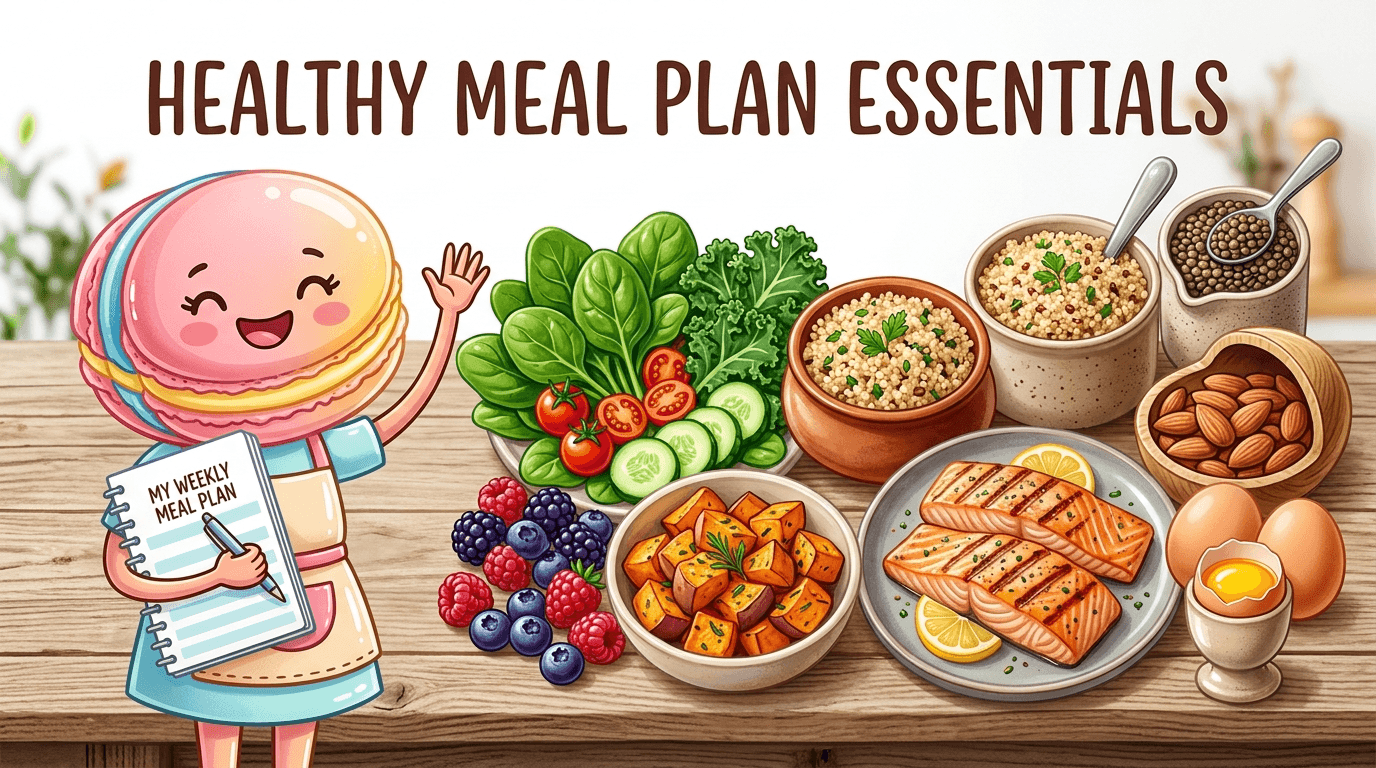
Nutritionists consistently recommend leafy greens, berries, sweet potatoes, lentils, and omega-3 rich fish as foundational whole foods. These deliver exceptional nutrient density per calorie. For budget-conscious shoppers, eggs, frozen vegetables, oats, and canned beans provide affordable nutrition without sacrificing quality. Rotate these staples seasonally to maintain variety and take advantage of peak freshness.
Meal plan for Whole Foods vs a balanced meal plan
While traditional meal plans focus on macronutrient ratios, whole foods emphasize ingredient quality first. This approach naturally reduces processed sugar and unhealthy fats while increasing fiber intake by default. Many find it more sustainable long-term, as it centers on adding nourishing foods rather than restricting entire categories. The focus on minimally processed ingredients often leads to better satiety and more stable energy levels.
Meal Planning Ideas for Whole Foods
Successful whole foods meal planning begins with versatile staples like oats, frozen vegetables, and canned beans. These affordable ingredients work across multiple meals - use chickpeas in salads, soups, and homemade hummus. Frozen berries serve equally well in smoothies, oatmeal, or thawed as dessert toppings.
Batch cooking 2-3 protein sources and 1-2 whole grains each weekend saves significant time. Roasted chicken, hard-boiled eggs, quinoa, and roasted sweet potatoes keep well for 4-5 days. Combine these with fresh vegetables for effortless grain bowls that take just minutes to assemble.
Don't overlook frozen produce, which retains comparable nutrition to fresh at lower prices. Frozen spinach works perfectly in omelets and soups, while frozen cauliflower blends smoothly into sauces. These options prevent waste while ensuring you always have vegetables on hand.
Simple flavor boosters like citrus zest, fresh herbs, and spice blends can elevate basic whole food ingredients. A sprinkle of za'atar transforms roasted vegetables, while lemon juice brightens grain bowls. These additions eliminate the need for processed sauces or dressings.
Many restaurants now offer whole food options like grilled proteins with vegetable sides. Look for menu items described as 'simple' or 'minimally processed'. Ethnic restaurants often provide excellent choices, particularly Mediterranean and Asian cuisines with their emphasis on fresh ingredients.
A 1-day meal plan for Whole Foods
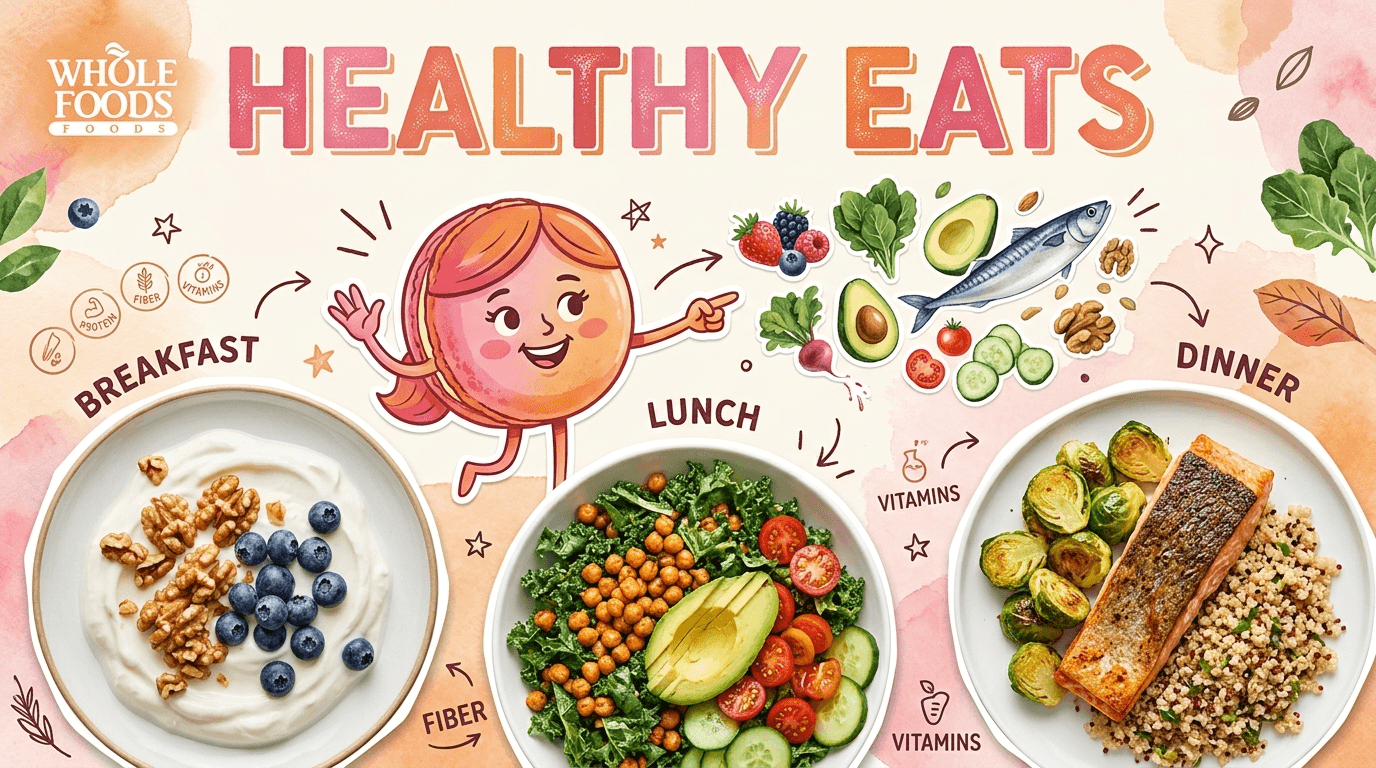
Breakfast: Overnight oats with chia seeds and frozen berries provides lasting energy. Lunch: Mason jar salad with quinoa, chickpeas, and tahini dressing offers portable nutrition. Dinner: Sheet pan salmon with roasted sweet potatoes and broccoli delivers balanced omega-3s and fiber. This combination requires minimal active cooking time through smart prep techniques like batch cooking grains and using sheet pan methods.
Snacks, swaps, and grocery shortcuts for a Whole Foods meal plan
Opt for roasted chickpeas instead of chips, apple slices with almond butter rather than granola bars, and homemade popcorn instead of processed snacks. The bulk section offers significant savings on nuts, seeds, and whole grains - steel-cut oats often cost less than $1.50/lb when purchased this way. Store-brand frozen vegetables and canned beans provide comparable nutrition to name brands at lower prices.
Common meal plan mistakes on Whole Foods
Avoid assuming all 'natural' labels mean healthy - some contain hidden sugars. Overeating calorie-dense nuts and seeds is easy without portion control. Skipping meals due to lack of preparation leads to poor choices later. Macaron's meal reminders help prevent this by suggesting simple whole food combinations based on what you have available.
How Macaron helps you stick to a Whole Foods meal plan
Macaron suggests simple whole food recipes based on your preferences and tracks your progress to maintain motivation without strict dieting rules. It adapts meal suggestions to utilize ingredients you already have, reducing waste. The app provides practical grocery lists and prep steps tailored to your schedule, making healthy eating more manageable.
Frequently Asked Questions
Strategic shopping makes whole foods surprisingly affordable. Focus on bulk grains (like oats at $1.39/lb), seasonal produce, and store-brand staples. Frozen vegetables and canned beans deliver nutrition at lower prices than fresh. Reducing processed snacks and takeout often offsets any increased grocery costs. Many find their overall food spending decreases when focusing on whole ingredients.
Many restaurants now offer whole food options like grilled proteins with vegetable sides. Look for menu items described as 'simple' or 'minimally processed', and don't hesitate to request modifications like steamed instead of fried preparations. Ethnic restaurants often provide excellent whole food choices, particularly Mediterranean and Asian cuisines with their emphasis on fresh ingredients and simple preparations.
Beyond animal sources like eggs and fish, plant-based proteins like lentils (18g per cooked cup), quinoa (8g per cup), and chickpeas (15g per cup) provide substantial protein. Many vegetables like spinach and broccoli contain surprising amounts too. Combining different plant proteins throughout the day ensures complete amino acid intake. A typical day might include eggs at breakfast, lentil soup at lunch, and salmon with quinoa at dinner.
Absolutely. Frozen produce is typically flash-frozen at peak ripeness, preserving nutrients effectively. Studies show frozen vegetables often retain more vitamins than fresh produce that's been transported long distances. Just check labels to ensure no sauces or sugars have been added during processing. Frozen options are particularly valuable for berries, spinach, and cauliflower when fresh isn't available or affordable.
Build your pantry with essentials like olive oil, vinegars, whole grains (such as quinoa and oats), canned beans, nuts, seeds, and a selection of basic spices. These staples will provide a solid foundation for preparing quick and nutritious meals. Having these items on hand means you can always combine them with fresh produce to create balanced meals without last-minute shopping trips.
Macaron makes meal planning effortless by generating practical grocery lists and prep steps according to your schedule. It also adapts recipes to utilize ingredients you already have, which helps minimize waste and keeps your meals exciting. The app suggests simple whole food combinations based on your preferences and tracks your progress to maintain motivation without strict dieting rules.
While organic options are preferred, they are not a strict requirement for a whole foods diet. Focus on purchasing organic versions of the 'Dirty Dozen' produce when possible, but remember that conventional whole foods are still a healthier choice than processed alternatives. If budget is a concern, prioritize organic for thin-skinned produce like berries and leafy greens that tend to retain more pesticides.
Many individuals report experiencing improvements in digestion and energy levels within just a few days of switching to whole foods. Over the long term, benefits such as stabilized weight and enhanced lab markers can typically be observed within a few months. The high fiber content helps regulate digestion quickly, while the nutrient density supports sustained energy throughout the day.
Read & discover
AI Personal Assistant
Free calculators


