Healthy Meal Plan for Working Men
Fuel your workday with nutrition strategies proven to sustain energy through long shifts, support muscle recovery, and maintain mental clarity. Learn portable meal solutions, hydration hacks, and grocery shortcuts from experienced tradesmen and dietitians.
Meal Plan Basics for Working Men
Physically demanding jobs require 30-50% more calories than office work, yet field reports show laborers often miss key nutrients like magnesium and B vitamins. Practical solutions include pre-chopping vegetables during downtime and keeping canned fish in work trucks for emergency protein. Many workers find meal prepping just three core ingredients weekly cuts fast food purchases by 40% compared to non-planners. Sheet pan meals with roasted vegetables and batch-cooked proteins streamline evening prep after exhausting shifts.
Effective nutrition for trades balances durability with nutrition: stainless steel containers prevent lunchbox disasters, while slow-release carbs like sweet potatoes provide lasting energy. Unlike office workers, active men benefit from slightly higher sodium (3,000-4,000mg) to replace electrolytes lost through sweat. Reddit threads reveal clever hacks like foil-wrapped breakfast burritos reheated on truck engines and electrolyte tablets stashed in toolboxes. Workers report better energy when avoiding traditional breakfast cereals that cause mid-morning crashes.
Double-duty cooking saves evening prep time: sheet pan meals with salmon and roasted vegetables become next-day grain bowls, while slow-cooked pulled pork transforms into tacos. Workers report better energy when opting for egg muffins or peanut butter-banana wraps that survive job site conditions. Many tradesmen roast a week's vegetables on Sunday to streamline evening prep, with favorites including Brussels sprouts and sweet potatoes that hold up well when reheated.
Hydration often gets overlooked - electrolyte-enhanced water in gallon jugs with times marked (finish by 10am, noon, etc.) helps physically active men meet increased fluid needs. Adding lemon or cucumber slices improves plain water intake for those who struggle with hydration during long shifts. Workers in extreme conditions often add a pinch of salt to their water bottles to replace lost sodium, a trick learned from endurance athletes.
Night shift workers require different timing: eating 'dinner' at the start of their wake cycle rather than midnight prevents energy crashes. Packing protein-dominant meals with hard-boiled eggs, chicken salad, and nuts helps maintain energy through overnight hours when fatigue makes healthy choices harder. Many night workers find bringing 4 smaller meals prevents overeating during sedentary overnight hours.
What a healthy meal plan for Working Men looks like
Focuses on calorie-dense whole foods that travel well: thermos-friendly chili with lean turkey and quinoa, mason jar salads layered with kale and chickpeas, and snack boxes with hard-boiled eggs and almonds. Successful plans incorporate strategic caffeine timing (limited to first half of shifts) and emphasize electrolyte-enhanced hydration over sugary drinks. Many physically active men find a 40/30/30 macronutrient split (carbs/protein/fat) sustains energy best, with adjustments made for extremely labor-intensive days. Sheet pan meals with roasted vegetables and proteins simplify prep while providing leftovers for lunches.
How to build a meal plan for Working Men
Align meal timing with work demands - larger meals before heavy labor periods, lighter options before sedentary tasks. Keep emergency snacks accessible: tuna pouches in glove compartments, individual almond butter packets in tool belts, and shelf-stable fruit cups prevent fast food stops. For night shifts, maintain normal meal times relative to your wake cycle rather than traditional 'dinner' hours - this improves digestion during overnight work and prevents 3 AM energy crashes. Batch cooking proteins and grains on Sundays ensures quick assembly during busy weekdays.
How a meal plan for Working Men differs from a general adult plan
Requires higher protein (0.8-1g per pound of body weight) for muscle repair, increased fiber from vegetables and whole grains to support digestion under physical stress, and more electrolytes to compensate for sweat loss. Portability becomes critical - meals must withstand job site conditions without refrigeration, favoring ingredients like roasted root vegetables over delicate greens that wilt in lunchboxes. Calorie needs are 30-50% higher than sedentary jobs, necessitating strategic snack placement throughout the workday.
Best foods to include in a meal plan for Working Men
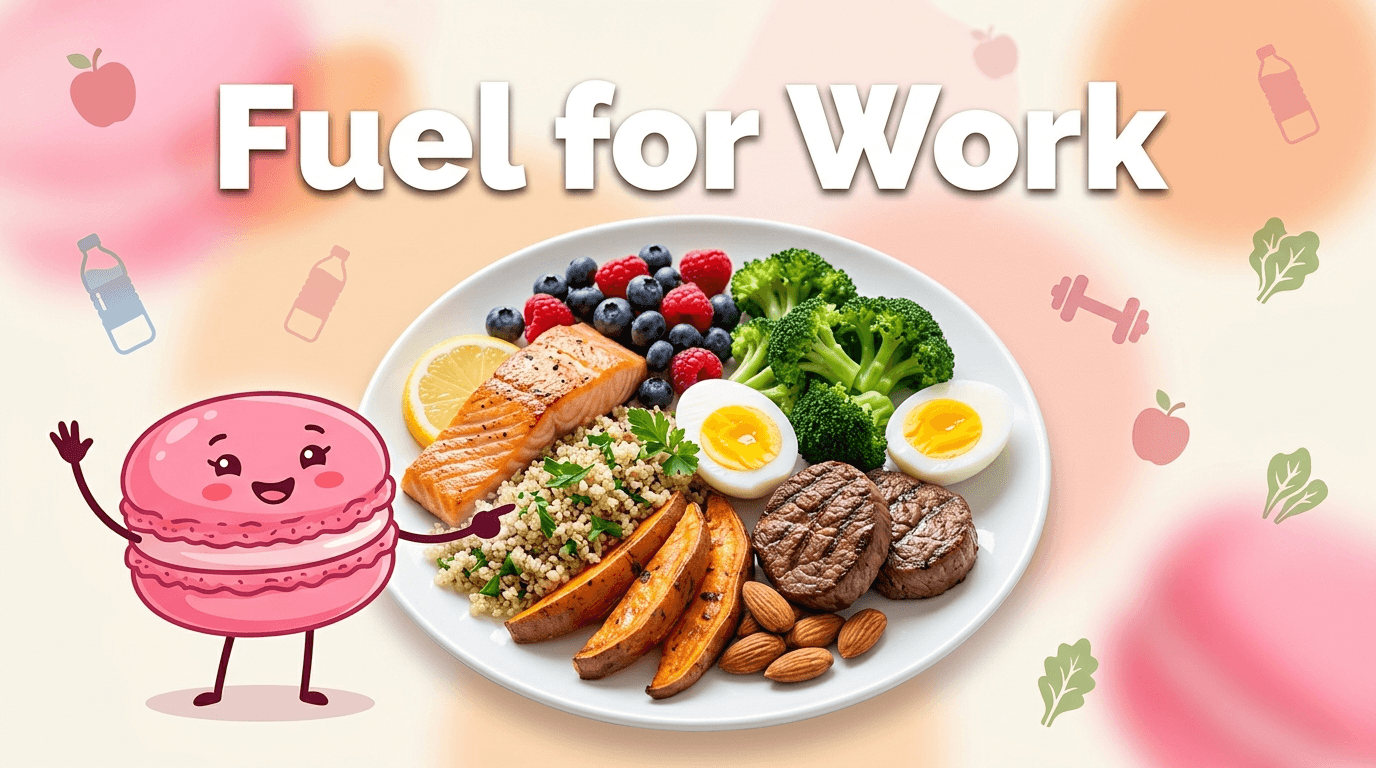
Prioritize eggs for choline (supports cognitive function during long shifts), salmon for omega-3s (reduces inflammation from physical labor), and quinoa for complete protein. Sweet potatoes provide sustained energy, while broccoli offers vitamin C to support immune function in demanding conditions. Almonds deliver magnesium to prevent muscle cramps, especially important for workers in hot environments. Canned fish like sardines provide convenient, shelf-stable protein rich in omega-3s for job site consumption.
Meal Planning Ideas for Working Men
Breakfast solutions for early shifts include make-ahead egg muffins with spinach, overnight oats in screw-top jars, and peanut butter-banana wraps that withstand hours in work bags. Many tradesmen report better energy when avoiding traditional breakfast cereals that cause mid-morning crashes, opting instead for protein-forward options with at least 20g protein per meal. Sheet pan frittatas with potatoes and sausage can be sliced and frozen for grab-and-go mornings.
Lunch packing strategies differ by job type - warehouse workers favor insulated containers for hot meals like chili or stew, while roofers prefer sturdy bento boxes with compartments for nuts, cheese, and whole grain crackers. The common thread: including at least 30g protein per meal to sustain physical output, with many workers prepping multiple identical lunches to eliminate decision fatigue. Mason jar salads with layered ingredients stay fresh without refrigeration.
Dinner planning should account for post-work fatigue - sheet pan meals with pre-cut vegetables and batch-cooked proteins (like 5lbs of chicken thighs) require minimal active cooking time. Many workers roast a week's vegetables on Sunday to streamline evening prep, with favorites including Brussels sprouts and sweet potatoes that hold up well when reheated. Slow cooker meals like pulled pork or beef stew provide leftovers for next-day lunches.
Snack strategies from experienced laborers include keeping 'emergency kits' in work vehicles with shelf-stable options like tuna pouches, individual nut butter packets, and dried edamame. These prevent vending machine trips when shifts run long, with many workers reporting that keeping snacks within arm's reach improves compliance more than storing them in a lunchbox. Hard-boiled eggs and cheese sticks provide portable protein without refrigeration.
Hydration solutions go beyond water - coconut water provides natural electrolytes without added sugars, while cold brew coffee in insulated bottles offers sustained caffeine release during long shifts. Workers in extreme conditions often add pinch of salt to their water bottles to replace lost sodium, a trick learned from endurance athletes. Herbal iced teas with lemon provide flavor variety without added sugars.
Breakfast, lunch, and dinner ideas for Working Men
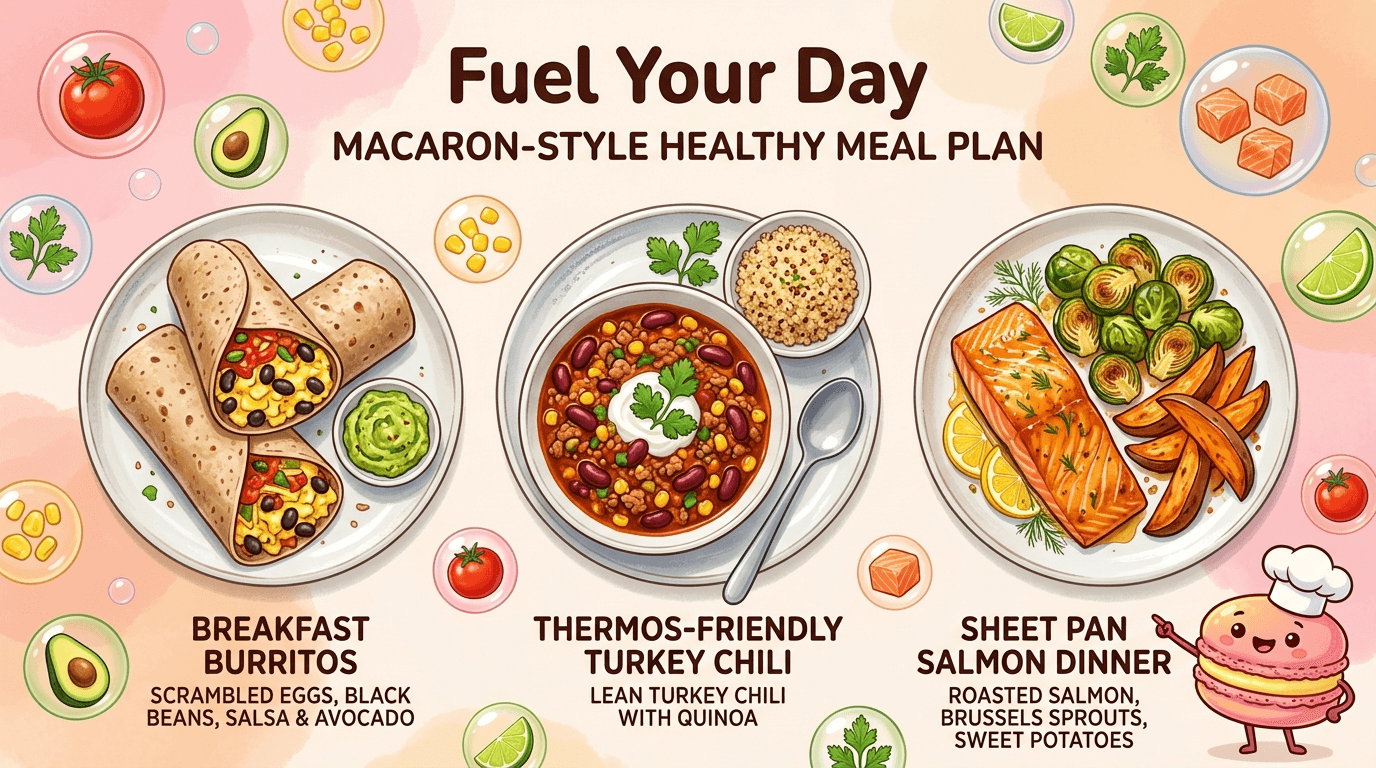
Breakfast: Make-ahead egg muffins with spinach and feta wrapped in whole wheat tortillas (freeze well for grab-and-go mornings). Lunch: Durable grain bowls with quinoa, roasted chicken, and sturdy vegetables like Brussels sprouts that won't get soggy. Dinner: One-pan meals like sausage with peppers and potatoes - cook double portions for next-day lunches. Pro tip: Roast a week's vegetables on Sunday to streamline dinner prep after exhausting shifts. Slow cooker meals provide hot dinners with minimal evening effort.
Snacks and drinks to add to a meal plan for Working Men
Focus on non-perishable options: individual guacamole cups with whole grain crackers, salmon pouches, and trail mix with nuts and dark chocolate chunks. For hydration, coconut water provides natural electrolytes without added sugars. Avoid energy drinks - their sugar crashes worsen afternoon fatigue. Instead, try cold brew coffee in insulated bottles for sustained caffeine release during long shifts. Hard cheeses and jerky provide shelf-stable protein options for toolboxes.
Common mistakes when planning meals for Working Men
Skipping breakfast leads to mid-morning crashes, while relying on fast food often results in inadequate protein and excess sodium. Many workers underestimate their calorie needs by 300-500 calories daily, leading to unintended weight loss. Not preparing snacks for long shifts forces unhealthy vending machine choices when energy dips. Over-reliance on protein bars can cause digestive issues during physical labor. Neglecting electrolyte replacement leads to muscle cramps in hot conditions.
How Macaron helps Working Men plan meals faster
Creates practical weekly plans with prep instructions and automatically adjusts portions based on activity levels. The app suggests durable meal options that withstand job site conditions and provides shopping lists organized by grocery store sections to save time. Users report saving 2-3 hours weekly on meal planning while improving nutrition. Features like batch cooking suggestions and leftover transformation ideas help maximize prep efficiency for busy schedules.
Frequently Asked Questions
Calorie needs vary by job intensity: construction workers often need 3,000-3,500 calories compared to 2,400-2,800 for office workers. A practical calculation: multiply body weight by 17-20 for light activity, 20-22 for moderate labor, and 22-25 for heavy physical jobs. Track energy levels and weight trends over 2-3 weeks - many physically active men underestimate needs by 300-500 calories, especially when working overtime. Adjust portions based on daily workload fluctuations.
Combine fast-absorbing proteins like Greek yogurt post-shift with slow-digesting options like cottage cheese before long work periods. Don't overlook plant proteins - lentils and chickpeas provide fiber that supports gut health during high-stress periods. Many field workers report canned fish (sardines, salmon) as ideal job site protein - convenient, packed with omega-3s, and requiring no refrigeration. Rotate protein sources to ensure a full spectrum of amino acids and nutrients.
Every 3-4 hours to maintain energy levels. Three main meals with 2-3 snacks prevents energy crashes and supports muscle recovery. Workers report better performance when front-loading calories - larger breakfasts and lunches with lighter dinners help sustain energy through active hours. Always keep emergency snacks accessible during unpredictable shifts. Adjust timing based on work schedule - night shift workers may need four smaller meals spaced evenly through their wake cycle.
They can save time but often cost 2-3 times more than grocery shopping. Services like Macaron offer a middle ground with customizable meal plans using affordable grocery store ingredients. Many workers find partial meal prep (2-3 delivered meals weekly) balances convenience with budget, especially during busy project weeks. Evaluate based on your schedule flexibility and cooking facilities - some job sites lack proper meal storage options.
Complex carbs (oatmeal, sweet potatoes) provide sustained energy, while iron-rich foods (spinach, red meat) prevent fatigue. Magnesium sources (almonds, bananas) help with muscle function during long shifts. Workers report combining these with small amounts of healthy fats (avocado, olive oil) extends energy through demanding afternoon hours better than sugary snacks. Include protein at every meal to support muscle recovery and prevent energy crashes.
Night shift nutrition requires different timing: eat your 'dinner' at the start of your wake cycle rather than midnight. Pack protein-dominant meals to avoid 3 AM energy crashes, using ingredients like hard-boiled eggs, chicken salad, and nuts. Prepare meals before your night rotation begins - fatigue makes healthy choices harder after consecutive nights. Many night workers find bringing 4 smaller meals prevents overeating during sedentary overnight hours. Avoid heavy, greasy foods that can cause digestive discomfort.
Three critical gaps emerge: Vitamin D (from limited sunlight exposure during long shifts), magnesium (depleted by physical stress and sweat), and B vitamins (used heavily for energy metabolism). Food solutions include fortified dairy for vitamin D, pumpkin seeds and almonds for magnesium, and whole grains plus eggs for B vitamins. Blood work every 2-3 years helps identify individual needs beyond these common deficiencies. Consider targeted supplementation if dietary intake falls short.
At least 3 liters daily, more if sweating heavily. Add electrolytes during long shifts to prevent dehydration and muscle cramps - many workers add a pinch of salt to their water bottles during extreme conditions. Monitor urine color (aim for pale yellow) as a practical hydration gauge throughout the workday. Increase intake in hot environments or when wearing protective gear that increases sweating. Coconut water provides natural electrolytes without added sugars.
Read & discover
AI Personal Assistant
Free calculators


