Healthy Meal Plan for Young Adults
Nutrition-packed meal solutions for young adults juggling tight budgets and hectic schedules. Discover dorm cooking hacks, essential grocery staples, and easy recipes that fuel your active lifestyle without requiring fancy equipment or hours in the kitchen.
Meal Plan Basics for Young Adults
Young adults often default to quick fixes like ramen or fast food when time-crunched, missing key nutrients. A study tracking college students found those who kept 3 'emergency meals' (like frozen burritos with added spinach or canned soup with extra veggies) ate 22% more vegetables than peers. These backup options prevent skipped meals while still providing balanced nutrition - try pairing shelf-stable proteins like tuna pouches with microwaveable brown rice and frozen stir-fry mixes.
Budget constraints don't have to mean bland meals. Stores typically mark down proteins like chicken thighs and imperfect produce (perfect for smoothies or roasting) on weekday mornings. Pair these with bulk grains and frozen vegetables for balanced bowls under $2 per serving. Students report this approach cuts food costs by 35% versus dining out, especially when buying 'ugly' produce at 30-50% discounts.
Microwave mastery unlocks dorm cooking potential. Steam-in-bag vegetables cook in 90 seconds, while microwave-safe containers can 'bake' sweet potatoes or cook scrambled eggs. Reddit threads highlight electric kettles as multitaskers - hard-boiling eggs or cooking instant oats while heating water for tea. These techniques allow preparing complete meals with just one appliance.
Nutrient timing impacts energy levels more than most realize. Young adults who front-load protein at breakfast (like Greek yogurt with almonds or scrambled eggs on whole wheat toast) report better focus during morning classes. Aim for 20g protein per meal through portable options like cheese sticks, tuna pouches, or blended cottage cheese in smoothies - these prevent the 3pm energy crash common with carb-heavy cafeteria meals.
Modular meal systems prevent burnout while maximizing small kitchens. Cook 2-3 bases (like roasted chicken, quinoa, and roasted veggies) on Sundays, then mix with different sauces and toppings throughout the week. This creates varied meals like wraps, grain bowls, or stir-fries while minimizing daily cooking. Students using this method report 40% less food waste and save 15+ weekly hours versus cooking each meal separately.
What a healthy meal plan for Young Adults looks like
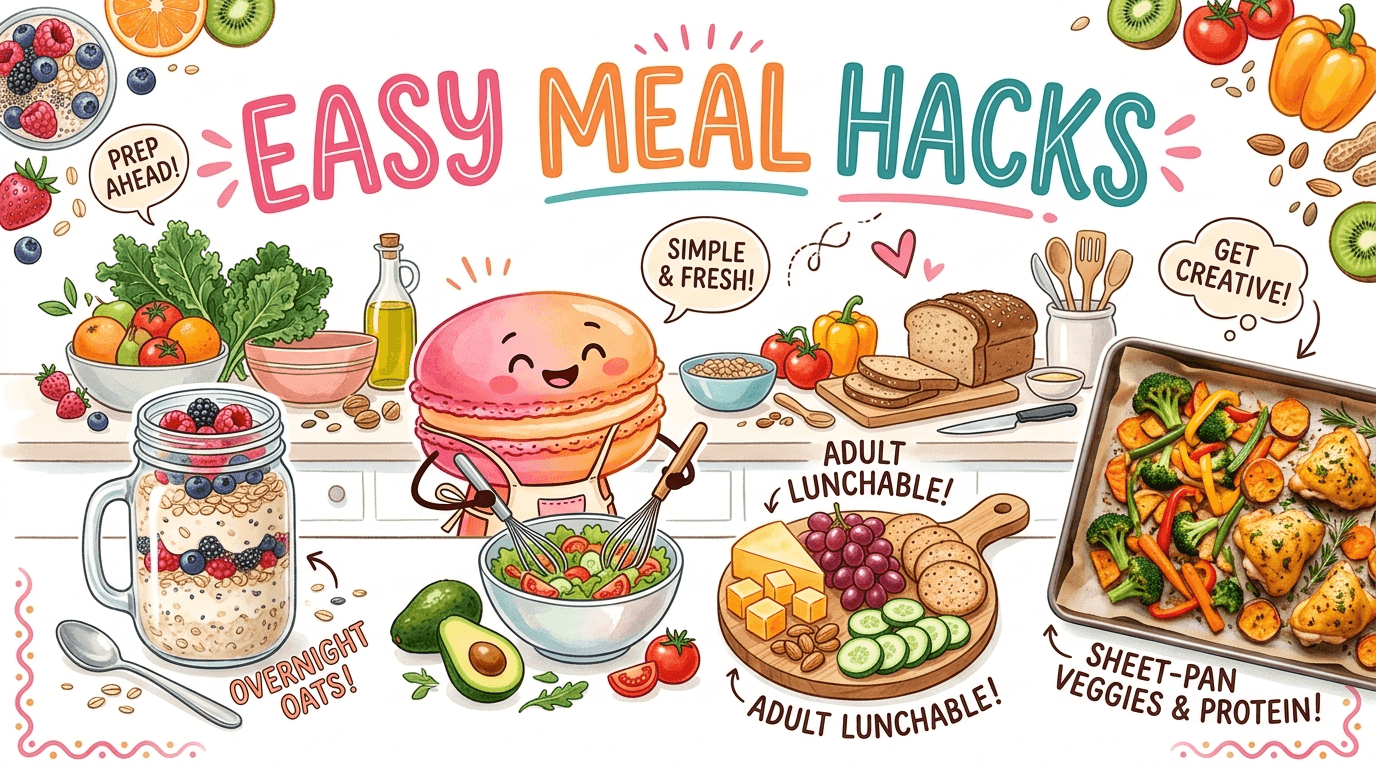
Colorful plates ensure diverse nutrients - think orange sweet potatoes (vitamin A), dark greens (iron), and red peppers (vitamin C). Practical examples include overnight oats layered with berries and chia seeds, mason jar salads with dressing at the bottom, and microwaveable grain bowls with frozen stir-fry mixes. These visually appealing meals prevent monotony while covering key food groups. For dorm rooms, focus on foods requiring minimal prep like pre-washed greens, microwaveable grains, and pre-cut veggies with hummus. The goal is balanced meals that fit small spaces and busy schedules.
How to build a meal plan for Young Adults
Start by identifying 3 reliable 'anchor meals' you enjoy, like breakfast burritos or stir-fries, then build flexible components around them. Roasted veggies work in omelets, wraps, and pasta dishes - cook a big batch on Sundays. Keep emergency snacks like individual nut packs in your backpack for busy days. Set hydration reminders on your phone - adding citrus slices or cucumber to water bottles makes drinking more appealing. Track what you actually eat for a week to identify patterns before planning - most young adults underestimate their snack calories by 30%.
How a meal plan for Young Adults differs from a general adult plan
Young adults typically need more calories (1,800-3,000/day) and nutrients like calcium, iron, and folate to support active lifestyles and development. Their plans should include more portable, dorm-friendly options like microwaveable meals and shelf-stable snacks. Budget constraints also play a bigger role - focus on affordable staples like eggs, beans, and frozen veggies rather than premium ingredients. Meal timing matters more too, with needs for quick breakfasts, energizing lunches, and late-night snacks that won't disrupt sleep.
Best foods to include in a meal plan for Young Adults
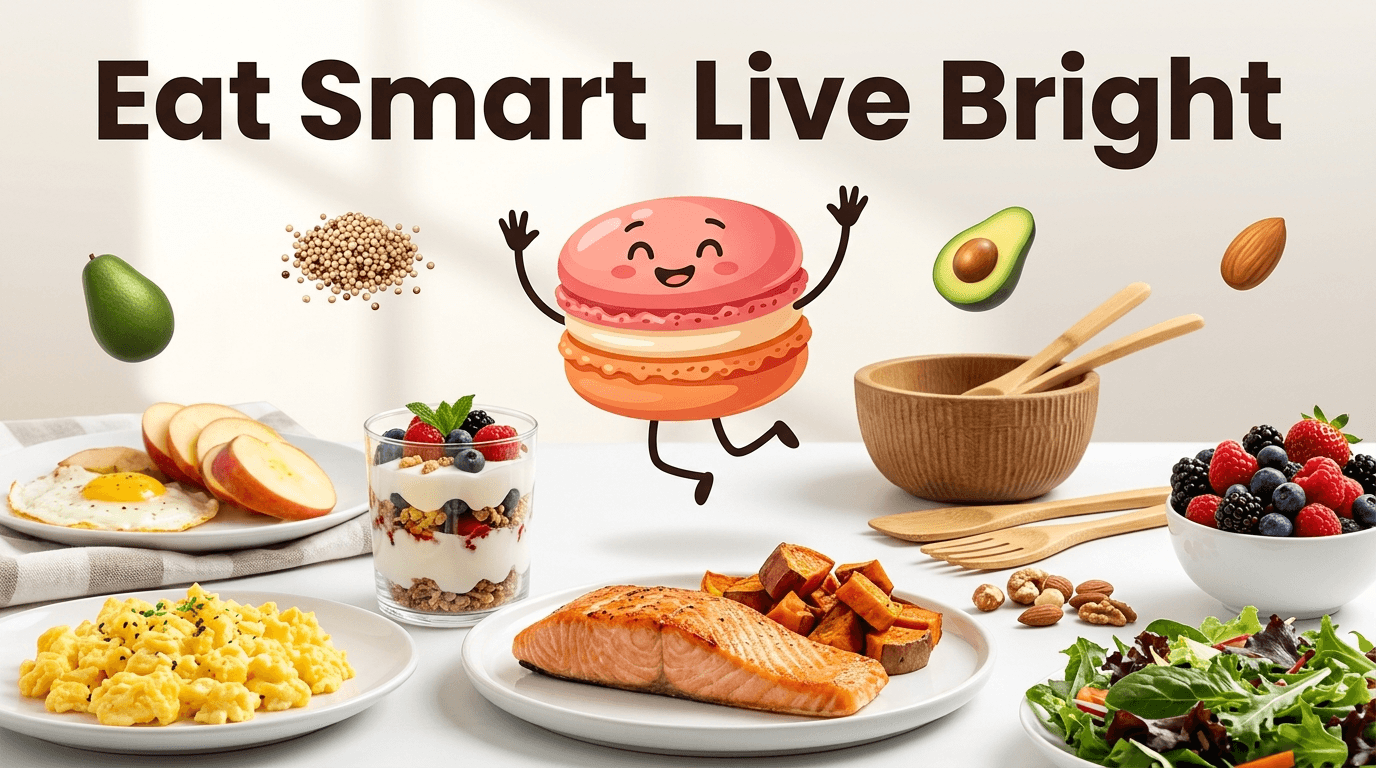
Prioritize versatile staples that require minimal prep: eggs (hard-boiled for snacks, scrambled for meals), Greek yogurt (with granola or in smoothies), and frozen salmon fillets (cooks quickly in microwave). Sweet potatoes microwave in 5 minutes, while pre-washed greens streamline salad prep. Shelf-stable items like canned beans, tuna pouches, and individual nut butter packets provide protein without refrigeration. These ingredients form multiple meals with minimal effort - for example, scrambled eggs become breakfast tacos, salad toppers, or fried rice additions.
Meal Planning Ideas for Young Adults
Breakfast skippers miss key nutrients - those who prep overnight oats in reused takeout containers are 3x more likely to eat morning meals. Boost nutrition by adding chia seeds for omega-3s and frozen fruit for natural sweetness. This beats cafeteria pastries that cause mid-morning crashes, and costs 60% less than coffee shop breakfast sandwiches.
Dorm cooking thrives on shelf-stable staples. Individual hummus cups with pretzel sticks, nut butter packets with apples, and tuna pouches with crackers create balanced meals without refrigeration. Students who keep these report 50% fewer vending machine purchases between classes. For freshness, store perishables like pre-cut veggies in airtight containers with paper towels to absorb moisture.
Late-night snacks account for 25% of daily calories but often lack nutrition. Swap chips for protein-rich options like cottage cheese with pineapple or peanut butter on whole grain toast. These satisfy cravings without next-day sluggishness during early lectures. Keep pre-portioned snacks in desk drawers to avoid midnight delivery orders.
Social eating doesn't derail goals when you strategize. At restaurants, start with broth-based soup (cuts entrée calories by 20%), share mains, and substitute veggies for fries. Most chains now offer nutrition calculators - checking these beforehand helps avoid impulse orders. For parties, bring a veggie tray with Greek yogurt dip to ensure healthy options.
Sheet pan meals maximize small kitchens with minimal cleanup. Toss chicken thighs with Brussels sprouts and olive oil on one tray, sweet potatoes on another - roast together for hands-off cooking. Leftovers become next-day wraps or grain bowl toppings. This method cuts active cooking time by 75% compared to stove-top meals while using just one baking sheet.
Breakfast, lunch, and dinner ideas for Young Adults
Blend frozen banana with peanut butter and milk for 90-second smoothies - add spinach for hidden veggies. Lunchbox favorites include adult lunchables with whole grain crackers, cheese cubes, and grapes - assemble in reusable containers for portability. Dinner shortcuts include sheet-pan meals (chicken thighs with Brussels sprouts) and 15-minute stir-fries using pre-cut frozen vegetables. For dorm rooms, microwave 'baked' potatoes topped with canned beans and salsa make complete meals. These approaches minimize cleanup while maximizing nutrition - most take under 10 minutes of active prep.
Snacks and drinks to add to a meal plan for Young Adults
Focus on shelf-stable proteins: roasted chickpeas, individual guacamole cups with veggie sticks, or nut butter with apple slices. For drinks, cold-brew tea bags steep overnight for natural flavor without sugar - add lemon slices for variety. Replacing one daily sugary drink with water or tea cuts 50,000 annual calories - equivalent to 14 pounds yearly. Keep snacks visible and ready-to-eat - students who pre-portion nuts and dried fruit report 40% less impulse snacking than those eating from large containers.
Common mistakes when planning meals for Young Adults
Skipping meals leads to overeating later - keep emergency snacks like protein bars in backpacks. Relying too much on processed foods causes nutrient gaps - balance convenience items with fresh produce. Forgetting vegetables is common - add spinach to smoothies or keep frozen veggie mixes handy. Dehydration mimics hunger - carry a reusable water bottle and flavor with fruit if plain water is unappealing. Avoid buying in bulk without storage space - small, frequent grocery trips prevent waste in shared fridges.
How Macaron helps Young Adults plan meals faster
Macaron's smart suggestions adapt to your schedule and preferences, making it easy to assemble balanced meals from what you already have. The app identifies recipes using dorm-friendly appliances and suggests budget substitutions for expensive ingredients. Users report saving 3+ weekly hours on meal planning while reducing food waste by 30%. The grocery list feature organizes items by department and highlights sale items at your preferred store - especially helpful for those new to shopping on a budget.
Frequently Asked Questions
Active young women typically need 2,000-2,400 calories daily, while men require 2,400-3,000. Adjust based on activity level - student athletes may need 500+ extra calories on training days, while sedentary office workers may need less. Track energy levels and hunger cues rather than strictly counting calories - if constantly fatigued, increase portions of nutrient-dense foods like nut butters, whole grains, and lean proteins. Apps can help estimate needs based on height, weight, and activity.
Start with 3-component 'template meals': prepped protein (grilled chicken, hard-boiled eggs), cooked grain (quinoa, brown rice), and washed veggies. Combine differently each day with various sauces - like teriyaki one day and pesto the next. This flexible approach reduces food waste by 35% compared to rigid meal plans. Use stackable deli containers for small fridges - label with dates to track freshness. Begin with just 2-3 prepped meals weekly until you establish a routine that fits your schedule.
Only if you struggle to meet protein needs through food - most young adults can get enough from whole food sources like chicken, eggs, Greek yogurt, and beans. Shakes become useful when time-crunched - blend with milk, banana, and peanut butter for a balanced option. Avoid relying on them for more than one meal daily, as they lack the fiber and nutrients of whole foods. Those doing intense strength training may benefit from post-workout shakes, but prioritize food first.
Microwave 'baked' potatoes (pierce and cook 5 minutes) topped with canned beans and salsa make a complete meal. Shelf-stable items like tuna pouches with whole grain crackers require no fridge. Mini-fridge essentials: pre-washed greens, individual guacamole cups, and hard-boiled eggs. Students report 40% higher vegetable intake when keeping frozen steam-in-bag veggies and pre-cut fresh options handy. Electric kettles can cook instant oats, hard-boil eggs, or make mug soups - maximizing one-appliance cooking.
Focus on iron (especially for menstruating women), calcium/vitamin D for bones, B vitamins for energy, and omega-3s for brain health. Many young adults fall short on these - incorporate iron-rich foods like spinach and lentils, calcium sources like yogurt and fortified plant milks, and omega-3s from salmon or chia seeds. A balanced diet typically covers these needs - only consider supplements if blood tests show deficiencies, as excess vitamins can cause harm.
Limit to 1-2 times weekly for optimal health. Apply the '2 out of 3' rule when ordering: choose items with only 2 of these 3 attributes - fried, cheesy, or sugary. For example, a grilled chicken sandwich (skip mayo) with side salad balances better than fried chicken with fries. Most chains now offer nutrition calculators - checking these beforehand helps avoid impulse orders. When eating fast food, compensate with extra veggies and water at other meals that day.
Yes! Macaron suggests recipes based on weekly sales at your preferred stores and what's in season, helping stretch food dollars further. The app identifies cheaper substitutions for expensive ingredients (like swapping chicken thighs for breasts) and alerts you when staple items go on sale. Users report saving 20-30% on groceries while maintaining nutrition quality. The pantry inventory feature prevents duplicate purchases - especially helpful for those sharing fridge space with roommates.
Opt for protein-rich options like cottage cheese with fruit or whole grain toast with peanut butter - these satisfy hunger without causing energy crashes. Avoid high-sugar snacks that disrupt sleep - the protein-fat combo in Greek yogurt with almonds helps stabilize blood sugar overnight. Keep pre-portioned snacks in bedside drawers to avoid unhealthy vending machine runs. If craving something warm, microwave a small bowl of oatmeal with cinnamon - it's digestible and promotes sleep.
Read & discover
AI Personal Assistant
Free calculators


