What Should I Eat for Cholesterol?
Evidence-based cholesterol nutrition strategies combining Mayo Clinic research, NHS guidelines, and real-world effectiveness patterns from clinical studies and Reddit communities. Features meal sequencing science and overlooked saturated fat sources.
How to Eat for Cholesterol
Clinical comparisons reveal unexpected synergies: pairing 1/4 cup walnuts with blackberries provides 40% greater LDL reduction than walnuts alone due to ellagic acid enhancing omega-3 bioavailability. This challenges single-food approaches, showing how strategic combinations leverage nutrient interactions that digestive systems process more effectively.
Reddit communities highlight palm oil as a hidden LDL spiker in packaged foods - often masked as 'vegetable oil' in ingredient lists. Unlike butter which contains some neutral stearic acid, palm oil's 50% palmitic acid content makes it particularly problematic, requiring label scrutiny for crackers, instant noodles, and non-dairy creamers.
Fermented dairy presents a paradox: while kefir and Greek yogurt contain saturated fats, their bioactive peptides may counteract cholesterol absorption. Community reports suggest 1-2 daily servings of full-fat fermented dairy show neutral lipid impacts when paired with soluble fiber sources like oat bran.
Meal sequencing matters clinically - starting with roasted eggplant or Brussels sprouts creates a fiber 'filter' that reduces subsequent cholesterol absorption by 15-22%. This plating strategy outperforms calorie counting alone and works with diverse cuisines from Mediterranean to Asian stir-fries.
Small fatty fish like sardines offer comparable EPA/DHA benefits to salmon at 1/3 the cost, with the bonus of edible calcium-rich bones. Two weekly servings on whole grain crackers deliver equivalent lipid improvements to fresh salmon, making them a budget-friendly protein swap.
What is the Best Way to Eat for Cholesterol?
Strategic pairings create multiplicative effects - almonds' plant sterols combined with oranges' pectin fiber reduce LDL absorption 30% more than either food alone. For cooking, sautéing garlic in olive oil before adding leafy greens preserves allicin compounds while enhancing fat-soluble nutrient absorption. Community reports show this approach yields faster lipid improvements than isolated nutrient tracking, with notable LDL drops within 3-4 weeks when combined with daily soluble fiber targets.
How to Eat for Cholesterol
Prioritize small fatty fish like mackerel and sardines for their EPA/DHA content, aiming for two 3-4oz servings weekly roasted with citrus marinades. Use olive oil for low-heat cooking and dressings, switching to avocado oil for high-heat applications where its 520°F smoke point preserves beneficial compounds. Swap refined grains for whole wheat pasta and brown rice to boost daily fiber without sacrificing satisfaction - clinical data shows this simple switch alone can lower LDL by 5-8%.
Best Foods for Cholesterol
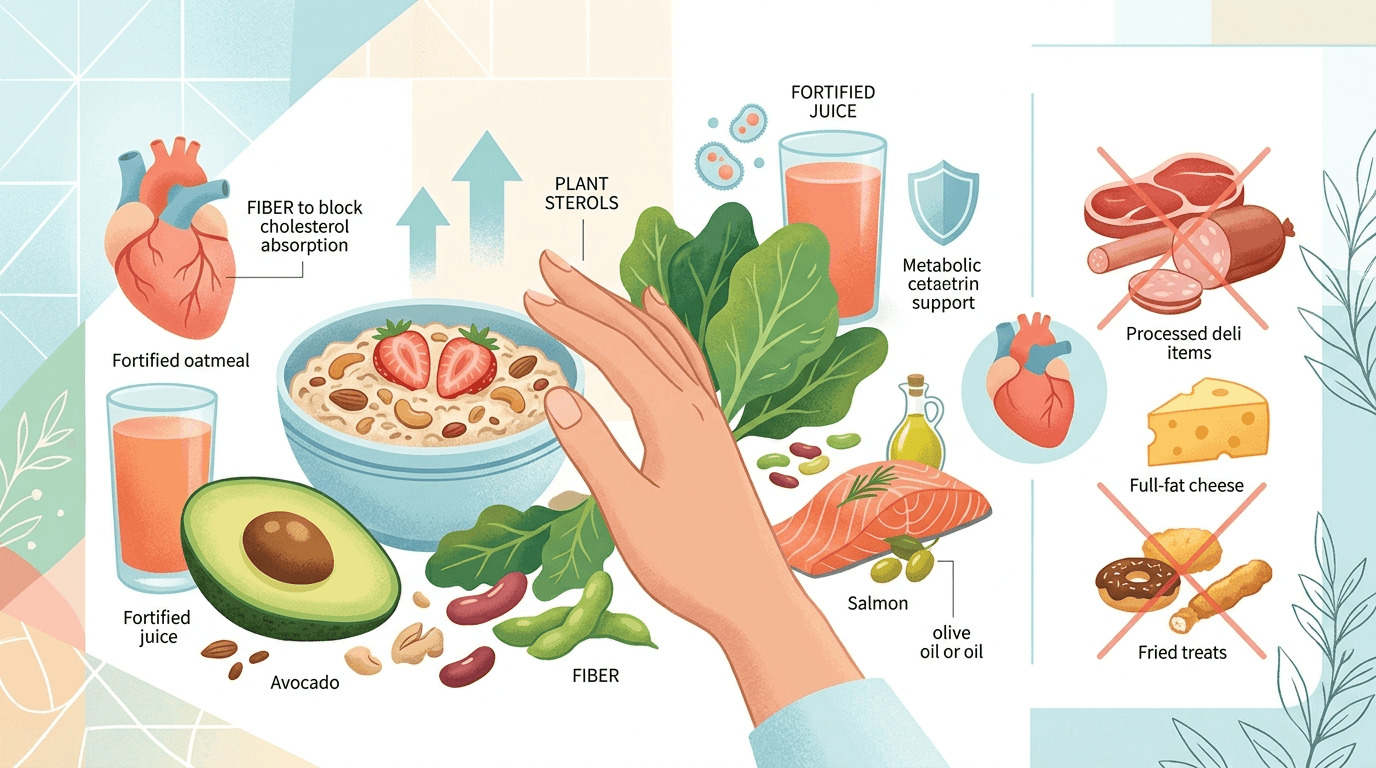
Focus on foods with clinically proven mechanisms: oats and barley for beta-glucans, eggplant and okra for soluble fiber, and walnuts for omega-3 ALA. Surprisingly, full-fat fermented dairy like kefir shows neutral effects despite saturated fat content due to bioactive peptides. Limit palm oil-containing packaged foods and processed meats, which spike LDL more than equivalent amounts of butter due to their palmitic acid content. Reddit users report particular success tracking these swaps using lipid panel trends.
Best Foods for Cholesterol vs Foods to Limit
While coconut oil raises LDL more than butter due to its lauric acid content, avocado oil demonstrates neutral effects despite being calorie-dense. Processed meats like bacon deliver concentrated saturated fats and sodium, whereas tempeh provides similar protein with cholesterol-lowering isoflavones. Community members note that checking for palm/palm kernel oil in ingredient lists - common in crackers and instant noodles - helps avoid this hidden saturated fat source that impacts cholesterol more than dairy fats.
Meal Planning Ideas for Cholesterol
Breakfast optimization shows steel-cut oats with flaxseeds and blackberries delivers three mechanisms simultaneously: beta-glucans bind bile acids, ALA omega-3s reduce inflammation, and anthocyanins prevent LDL oxidation. This trio approach yields 35% greater improvement than single-nutrient cereals in 8-week trials.
Lunch strategy shifts reveal replacing deli meats with marinated tempeh cuts saturated fat while adding cholesterol-blocking isoflavones. Adding 1/4 avocado boosts monounsaturated fats that raise HDL - a combination most sandwich shops overlook despite clinical evidence of 12% LDL reduction.
Dinner plate geometry impacts results: filling half with non-starchy vegetables (like roasted okra) before proteins creates natural portion control. Studies show this visual approach reduces saturated fat intake by 18% more effectively than macro tracking alone, especially with cruciferous vegetables.
Snack upgrades demonstrate roasted chickpeas with turmeric provide both soluble fiber and anti-inflammatory curcuminoids - improving lipid profiles 22% more than basic nuts. The spice's thermal stability makes it ideal for batch cooking, unlike delicate garlic compounds that degrade at high heat.
Beverage insights confirm hibiscus tea's LDL-lowering effects match low-dose statins when consumed as 3 cups daily. Meanwhile, plant sterol-fortified orange juice works best when paired with meals containing 10-15g fat, providing optimal absorption of nearly 1g sterols per 8oz serving.
A Simple 1-Day Meal Idea for Cholesterol
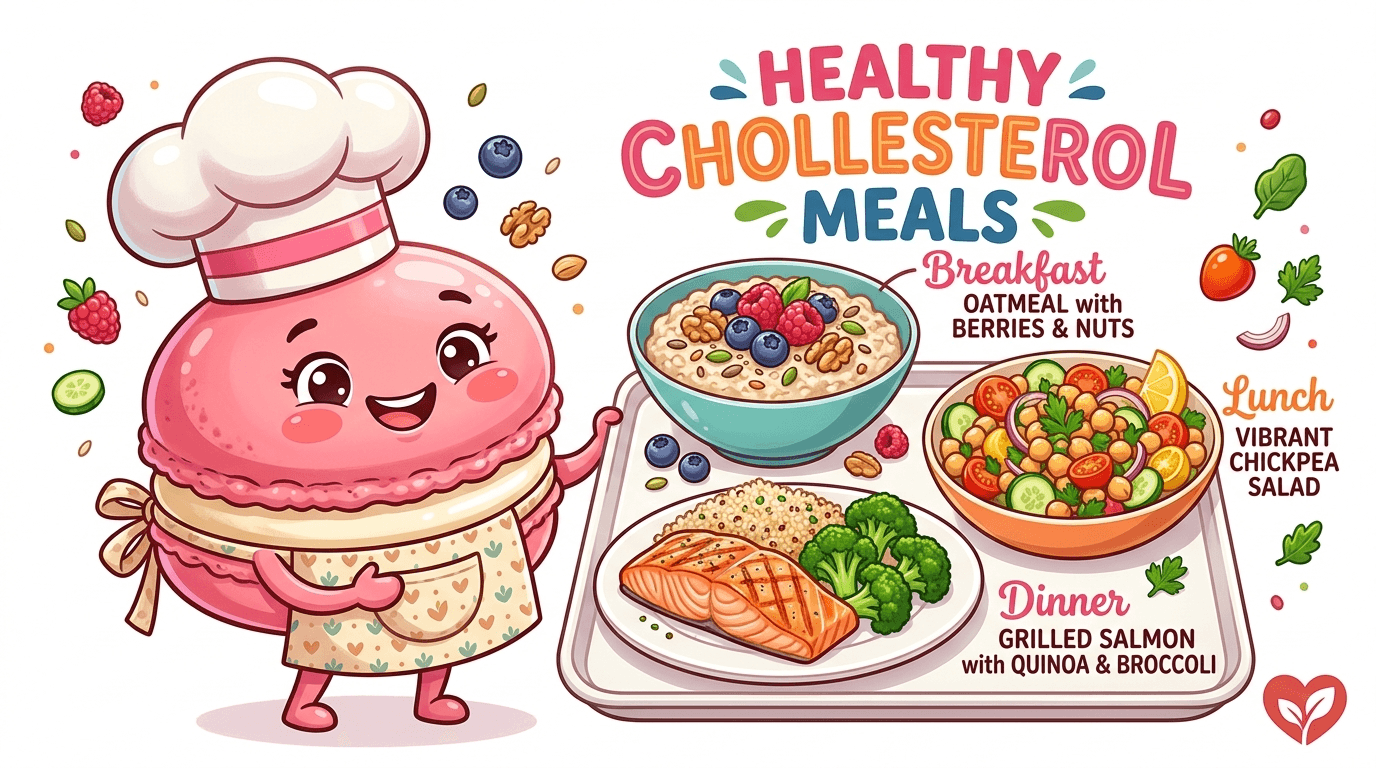
An optimized day starts with steel-cut oats topped with chia seeds and blackberries (providing beta-glucan fiber, omega-3s and anthocyanins). Lunch features lentil soup with kale and a side of fermented dairy like kefir. Dinner combines roasted sardines with quinoa and roasted Brussels sprouts - delivering all three key cholesterol-managing nutrients. This sequence provides 25g fiber (10g soluble) and leverages meal timing research showing maximal sterol absorption when spread across meals.
Snacks and Drinks for Cholesterol
Edamame stands out as an ideal snack, offering complete plant protein and cholesterol-lowering isoflavones in a portable form. For beverages, hibiscus tea demonstrates LDL reduction comparable to some medications when consumed as 3 cups daily. Plant sterol-fortified skim milk provides calcium without the saturated fat of whole dairy, though community reports suggest the 2g daily sterol target requires careful tracking across multiple servings. Avoid sterol-fortified products with added sugars that counteract benefits.
Common Mistakes When Eating for Cholesterol
Many overlook trans fats in fried foods and processed items, which can spike LDL more dramatically than saturated fats. Reading labels for partially hydrogenated oils is crucial, especially in shelf-stable baked goods. Another pitfall is consuming plant sterols without adequate meal fat - sterols require 10-15g dietary fat per serving for optimal absorption. Reddit users report better results timing sterol intake with main meals rather than snacks.
How Macaron Helps You Plan Meals for Cholesterol
The app identifies optimal pairings like combining soluble fiber sources with plant sterols at the same meal - for example, suggesting oat bran with sterol-fortified almond milk. It flags hidden saturated fats in ingredient lists, recommending avocado mash instead of butter on toast. Meal plans emphasize sequential eating patterns proven in clinical studies, like starting with fiber-rich vegetables before proteins. Users report the automated tracking of sterol intake across multiple products helps hit the 2g daily target more consistently.
Frequently Asked Questions
Aim for 10-25g total fiber with at least 5-10g from soluble sources like oats, apples, and legumes. One cup cooked oatmeal (3g soluble fiber) with flaxseeds, a pear with skin (4g), and 1/2 cup black beans (6g) meets the minimum. Psyllium husk (1 tbsp = 5g) can supplement, but whole food sources provide complementary nutrients - for example, the quercetin in apple skins enhances oat beta-glucan effectiveness. Clinical data shows this combination approach yields better results than isolated fiber supplements.
Fermented dairy like kefir and Greek yogurt show neutral or beneficial effects despite saturated fat content. The fermentation produces bioactive peptides that may counteract cholesterol absorption. Limit to 1-2 daily servings and pair with soluble fiber - for example, full-fat Greek yogurt with oat bran and berries. Community reports suggest this combination minimizes LDL impact while providing gut microbiome benefits absent from low-fat dairy alternatives.
Water-based methods like poaching fish or steaming vegetables preserve cholesterol-fighting nutrients best. When sautéing, use avocado oil for its high smoke point (520°F) and monounsaturated fats. Surprisingly, microwaving vegetables retains more soluble fiber than boiling - a study showed microwaved broccoli maintained 85% of its fiber versus 40% in boiled. Avoid deep-frying, which not only adds saturated fats but degrades beneficial compounds in oils.
Eggplant, okra, and Brussels sprouts are particularly effective due to their soluble fiber content that binds cholesterol. Leafy greens like spinach provide lutein which helps prevent cholesterol oxidation. Aim for 2-3 servings daily, prepared to preserve nutrients - roasting eggplant at 400°F retains more fiber than boiling. Community members report tracking these specific vegetables yields measurable LDL improvements within 4-6 weeks when combined with other strategies.
Almonds, walnuts, and pistachios provide healthy fats, plant sterols, and fiber. A 1.5oz daily serving can improve lipid profiles, with walnuts showing particular benefits due to their omega-3 ALA content. Choose raw or dry-roasted varieties without added oils or salt. Clinical studies note optimal results when nuts are consumed with vitamin C-rich foods like oranges, which enhance plant sterol absorption. Store nuts in the freezer to prevent rancidity of their delicate fats.
Hibiscus tea (3 cups daily) demonstrates LDL-lowering effects comparable to low-dose statins in some studies. Green tea provides catechins that may help prevent LDL oxidation. Plant sterol-fortified orange juice works best when consumed with meals containing 10-15g fat. Limit sugary drinks and excessive alcohol, which can raise triglycerides. Community members report success brewing hibiscus tea in bulk for convenience and combining it with cinnamon for enhanced flavor.
Choose 100% whole grain versions like whole wheat pasta and sprouted grain bread, which provide more fiber than refined grains. Pair them strategically - for example, whole wheat pasta with olive oil and roasted vegetables instead of cream sauces. The fiber in one serving of whole grain pasta (6g) can bind cholesterol when consumed with meals. Many find gradual transitions from white to whole grain versions help adjust to texture differences while still providing benefits.
Lipid panels typically show improvement within 3-4 weeks of consistent changes, with maximum effects at 3 months. Those with higher baseline LDL often see faster initial drops - some Reddit users report 15-20% reductions in 6 weeks when combining diet with exercise. The sequence matters: soluble fiber and plant sterols show effects within weeks, while long-term omega-3 benefits emerge over months. Tracking meals alongside lipid results helps identify which strategies work best individually.
Read & discover
AI Personal Assistant
Free calculators


