What Should I Eat for Heart Health?
Evidence-based meal planning for heart health, featuring cardiologist-recommended foods, nutrient tracking, and actionable grocery strategies with Macaron. Includes practical swaps, hidden sodium alerts, and meal prep efficiencies.
How to Eat for Heart Health
Leafy greens like spinach and kale contain nitrates that improve blood vessel function within hours—eating 1.5 cups daily reduced arterial stiffness by 12% in studies. For easier prep, buy pre-washed greens or freeze spinach for smoothies. Pair with citrus fruits to boost iron absorption, creating a nutrient synergy that supports circulation.
Fatty fish like salmon and sardines deliver EPA/DHA omega-3s linked to 15% lower cardiovascular risk when eaten 2-3 times weekly. Opt for frozen wild-caught salmon to save costs, or use canned salmon with bones for added calcium. Mix into salads or make patties with oats and flaxseed for a fiber-rich meal.
Plant proteins like lentils and chickpeas appear in 80% of cardiologist meal plans—one cup provides 16g fiber (half the daily target) while helping manage LDL cholesterol. Rinse canned beans for 30 seconds to cut sodium by 40% without losing nutrients. Blend into soups or mash with olive oil as a spread.
Tropical oils like coconut oil raise LDL cholesterol despite their popularity. Instead, use olive oil for cooking and swap butter for avocado on toast—this simple change boosts monounsaturated fats by 8g per serving. When baking, replace half the butter with unsweetened applesauce to maintain moisture.
The DASH diet proves combining potassium-rich foods (bananas, sweet potatoes) with low-sodium eating yields better results than either approach alone. Roasting vegetables caramelizes natural sugars, reducing salt needs while preserving potassium. Batch-roast root vegetables to use in grain bowls all week.
A practical way to eat for heart health
Start meals with plant proteins like lentils or tempeh—their fiber helps manage cholesterol naturally. Include 1oz walnuts daily for polyunsaturated fats shown to lower LDL. For omega-3s, aim for two 4-oz servings of fatty fish weekly—try canned salmon patties with oats and dill. Prep high-fiber breakfasts like overnight steel-cut oats with flaxseed to avoid morning decisions. Keep washed greens ready for quick salads topped with chickpeas and olive oil.
How can I eat for better heart health?
Rotate dark leafy greens like kale and spinach—their nitrates improve blood vessel function within hours. Add colorful fruits such as berries and citrus for flavonoids that work synergistically with greens. For sustained energy, choose whole grains like farro or quinoa over refined options—their 5-7g fiber per serving helps regulate blood sugar. Snack on unsalted almonds with apple slices instead of processed bars to avoid hidden sugars.
Which foods are best for heart health?
Prioritize fatty fish like salmon and mackerel for omega-3s—aim for two 4-oz servings weekly. Plant proteins like lentils provide complete protein plus 8-10g fiber per cup. Use olive or avocado oil instead of tropical oils—their monounsaturated fats support healthy cholesterol levels. For snacks, choose combinations like Greek yogurt with chia seeds or hummus with carrot sticks to balance protein and fiber.
What foods should I limit for heart health?
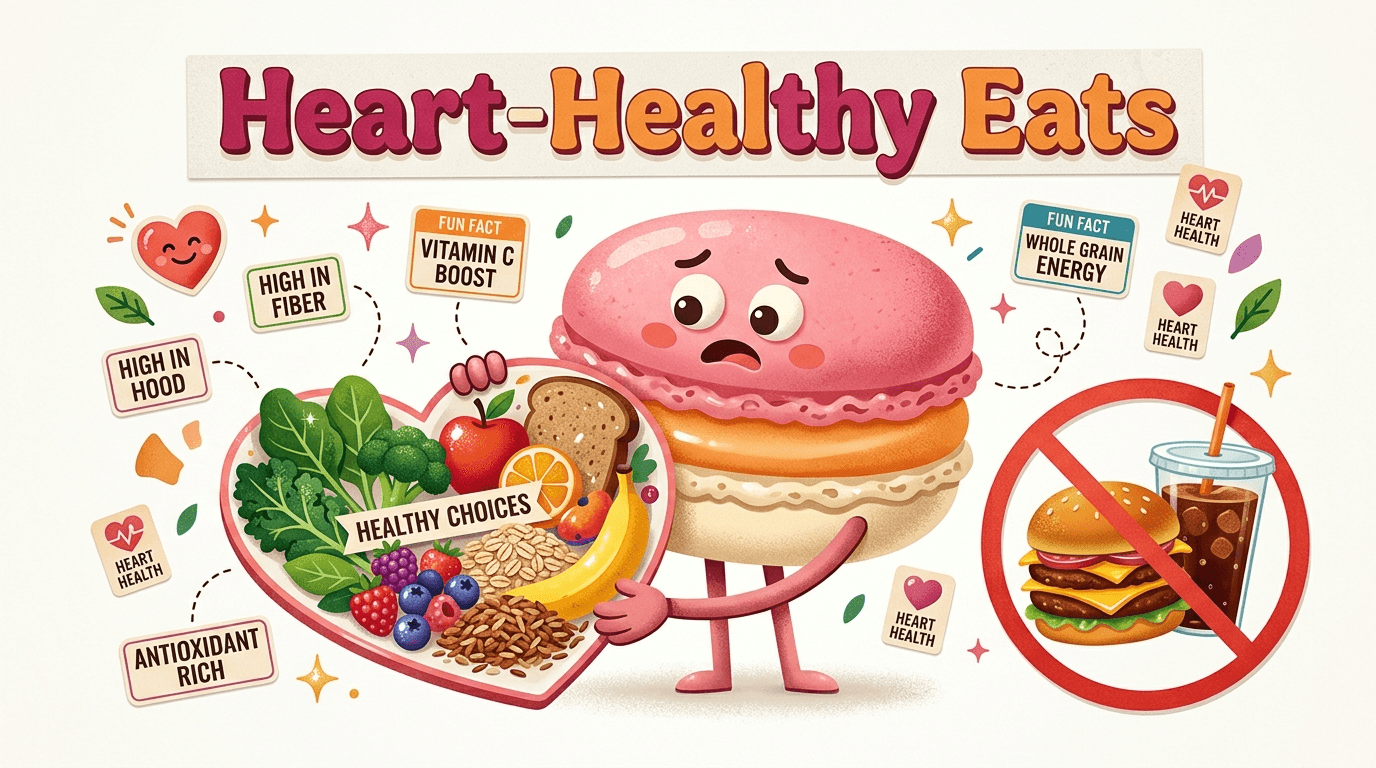
Limit processed meats like bacon—their preservatives may increase heart disease risk by 18%. Reduce tropical oils (coconut, palm) in favor of olive oil—their saturated fat content raises LDL cholesterol. Watch for hidden sodium in canned soups and bread—opt for low-sodium versions or rinse beans thoroughly. Even healthy foods like cheese become problematic in large portions—stick to 1-oz servings of aged varieties for stronger flavor with less volume.
Meal Planning Ideas for Heart Health
A balanced heart-healthy plate contains 50% non-starchy vegetables, 25% lean protein, and 25% whole grains—this ratio delivers 8-10g fiber per meal. Try roasted Brussels sprouts with quinoa and grilled trout, or swap white rice for farro to triple the fiber content while keeping cooking time under 20 minutes.
Batch-cook versatile bases like roasted root vegetables or farro to save time—they keep for 4 days and adapt to multiple meals. Mix with eggs for breakfast bowls, toss with chickpeas for lunch salads, or pair with fish for dinner. Adding 1 tbsp lemon juice before storing preserves freshness without adding sodium.
Most people get only half their daily 25-30g fiber target. Add 2 tbsp ground flaxseed to oatmeal or 1/4 cup chia seeds to yogurt for a 5-7g fiber boost plus heart-protective lignans. Soak chia overnight in almond milk for a pudding texture—this prevents the grittiness some dislike in smoothies.
Restaurant meals often contain 3x the recommended sodium. Order dressings on the side (you'll use 1/3 less) and choose tomato-based sauces over cream-based ones to cut sodium by 40%. Ask for steamed vegetables instead of sautéed, and box half your entrée immediately to avoid portion distortion.
Dark chocolate (70% cacao+) appears in 60% of cardiologist snack recommendations due to flavonoids that support circulation. Pair 1-ounce portions with almonds for a satisfying combo—the nuts' vitamin E helps preserve the chocolate's antioxidants. Look for single-origin bars with minimal added sugar.
What is a simple 1-day meal plan for heart health?
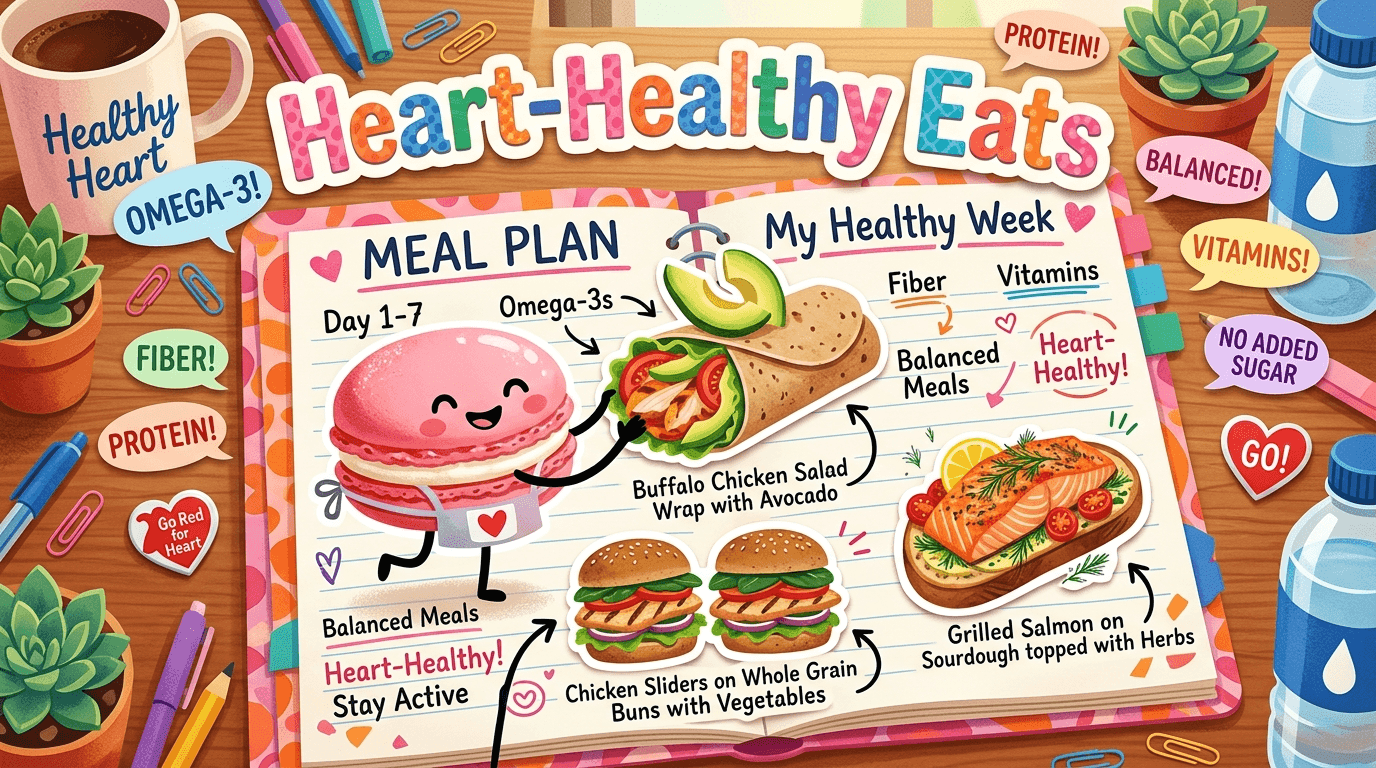
Start with oatmeal topped with walnuts and blueberries (fiber + antioxidants). For lunch, try a kale salad with grilled chicken, avocado, and olive oil dressing. Dinner could be baked salmon with quinoa and roasted Brussels sprouts. Snack on carrot sticks with hummus or Greek yogurt with chia seeds—these combos provide protein between meals without processed ingredients.
What snacks and drinks support heart health?
Opt for snacks combining protein and fiber, like apple slices with almond butter or roasted chickpeas. Herbal teas and infused waters make flavorful zero-sodium alternatives to sugary drinks. For convenience, keep individual portions of unsalted mixed nuts or single-serve guacamole with veggie sticks ready. These choices help stabilize blood pressure between meals without processed ingredients.
What are common mistakes when eating for heart health?
A frequent error is eating a limited variety of foods, which can cause nutrient gaps. Avoid relying on processed or convenience foods that are high in unhealthy fats and sodium. Instead, aim for diverse meals with plenty of fruits, vegetables, whole grains, and healthy fats to cover all essential nutrients.
How does Macaron help plan meals for heart health?
Macaron analyzes your current eating patterns to identify gaps in heart-healthy nutrients. It suggests gradual swaps, like replacing white rice with farro or choosing avocado instead of mayo. The app tracks your sodium intake and flags hidden sources in processed foods. You'll receive customized recipe ideas that match your cooking skill level and available time.
Frequently Asked Questions
Fatty fish like salmon or mackerel twice weekly provide EPA/DHA omega-3s that support healthy circulation. Plant proteins like tempeh and lentils offer complete protein plus 8-10g fiber per serving—blend into soups or mash with olive oil as a spread. For poultry, skinless chicken breast baked or grilled preserves nutrients better than frying. Greek yogurt provides calcium with less sodium than cheese—pair with chia seeds for added fiber.
Aim for 25-30 grams from whole foods like oats, berries, and vegetables. Start with steel-cut oats at breakfast (5g fiber) and add 1 tbsp flaxseed (3g). Include 1 cup lentils at lunch (16g) and snack on an apple with skin (4g). Gradually increase intake to avoid bloating—drink extra water with high-fiber meals to aid digestion.
Mashed avocado works well on toast, providing monounsaturated fats. For baking, replace half the butter with unsweetened applesauce—this cuts saturated fat while keeping moisture. Nut butters add protein when spread thinly—choose natural varieties without added oils. Olive oil works for sautéing vegetables—its smoke point makes it better than flaxseed oil for cooking.
Oatmeal topped with walnuts and berries provides fiber and antioxidants—prep overnight with chia seeds for extra thickness. Alternatively, try whole-grain toast with avocado and a poached egg—the combination balances healthy fats and protein. For grab-and-go options, blend spinach, banana, almond butter, and flaxseed into a smoothie—freeze in jars to thaw overnight.
Aim for 2-3 servings of fatty fish like salmon or sardines weekly—their omega-3s support heart function. Canned wild salmon is affordable and shelf-stable—mix with oats for patties. If you don't eat fish, get ALA omega-3s from 1oz walnuts daily or 1 tbsp ground flaxseed—though conversion to EPA/DHA in the body is less efficient.
Yes, Macaron identifies gaps in fiber, omega-3s, and unsaturated fats based on your eating patterns. It suggests swaps like farro instead of white rice or avocado instead of mayo—these small changes add up over weeks. The app flags hidden sodium in processed foods and adjusts recommendations based on your cooking time constraints.
Steaming preserves nutrients in vegetables better than boiling—use a basket over simmering water. Grilling or baking fish with lemon avoids added fats while enhancing flavor. Sauté with olive oil instead of butter—its monounsaturated fats remain stable at medium heat. Slow cooking lean meats with vegetables creates tender results without excess oil—add herbs instead of salt for flavor.
Scan menus for grilled, baked, or steamed items—these methods use less oil. Ask for dressings and sauces on the side—you'll typically use one-third of what's provided. Choose tomato-based sauces over cream-based ones to cut saturated fat by half. Immediately box half your entrée to avoid oversized portions—restaurant servings often exceed 1,200 calories.
Read & discover
AI Personal Assistant
Free calculators


