What Should I Eat for IBS?
Clinically-proven food combinations and preparation methods to minimize IBS flare-ups. Discover how cooking techniques alter digestibility, why meal timing matters as much as ingredients, and how to identify hidden triggers in common foods.
How to Eat for IBS
Peeling and cooking root vegetables like carrots and parsnips converts starches to more digestible forms while removing irritating insoluble fiber. Roasting at 400°F for 30 minutes creates caramelized surfaces that slow sugar absorption, unlike boiling which leaches nutrients into water. This preparation difference explains why many tolerate roasted sweet potatoes but react to mashed versions made with milk.
Protein tolerance depends on both source and preparation—poached eggs often digest better than scrambled due to lower fat content, while baked cod causes fewer issues than pan-fried salmon. Tracking reactions to specific cooking methods yields better insights than eliminating entire food groups, as seen when some IBS sufferers handle grilled chicken better than roasted.
Hydration strategy impacts digestion more than volume—sipping room-temperature electrolyte water between meals supports motility better than gulping cold liquids with food. Many report improved symptoms when replacing iced drinks with warm peppermint tea, which relaxes intestinal muscles without the esophageal sphincter effects of excessive consumption.
Hidden triggers like carrageenan in almond milk or sulfites in deli meats frequently cause flare-ups despite being low-FODMAP. Cumulative quantities also matter—two rice cakes may be fine, but four exceed fermentation thresholds. This explains why symptom diaries should track portion sizes alongside ingredients.
Community reports reveal niche adaptations—some IBS sufferers tolerate sourdough's pre-digested gluten while others react to all grains. Similarly, fermented foods like kefir show polarizing effects, improving symptoms for some but worsening bloating in others. These variations underscore the need for personalized reintroduction protocols.
A practical way to eat for IBS
Focus on peeled and roasted root vegetables like parsnips and carrots, which convert starches to more digestible forms through caramelization. Pair these with lean proteins like baked turkey breast or poached eggs—their low fat content reduces gallbladder stimulation compared to fried alternatives. For grains, choose white rice over brown during flares since the removed bran decreases insoluble fiber, and limit portions to 1/2 cup cooked to avoid carbohydrate overload. Steaming vegetables like zucchini preserves nutrients better than boiling while maintaining digestibility.
How to eat for IBS
Build meals around low-FODMAP vegetables like bell peppers and green beans, which provide nutrients without excessive fermentation. Cook these with gentle methods—steaming or roasting at moderate temperatures preserves digestibility better than raw preparations. Incorporate protein sources like baked chicken or firm tofu in 3-4 oz portions to avoid overwhelming digestion. For snacks, try small quantities of low-FODMAP fruits like bananas or strawberries, noting that ripeness affects fructose levels significantly.
Best foods for IBS
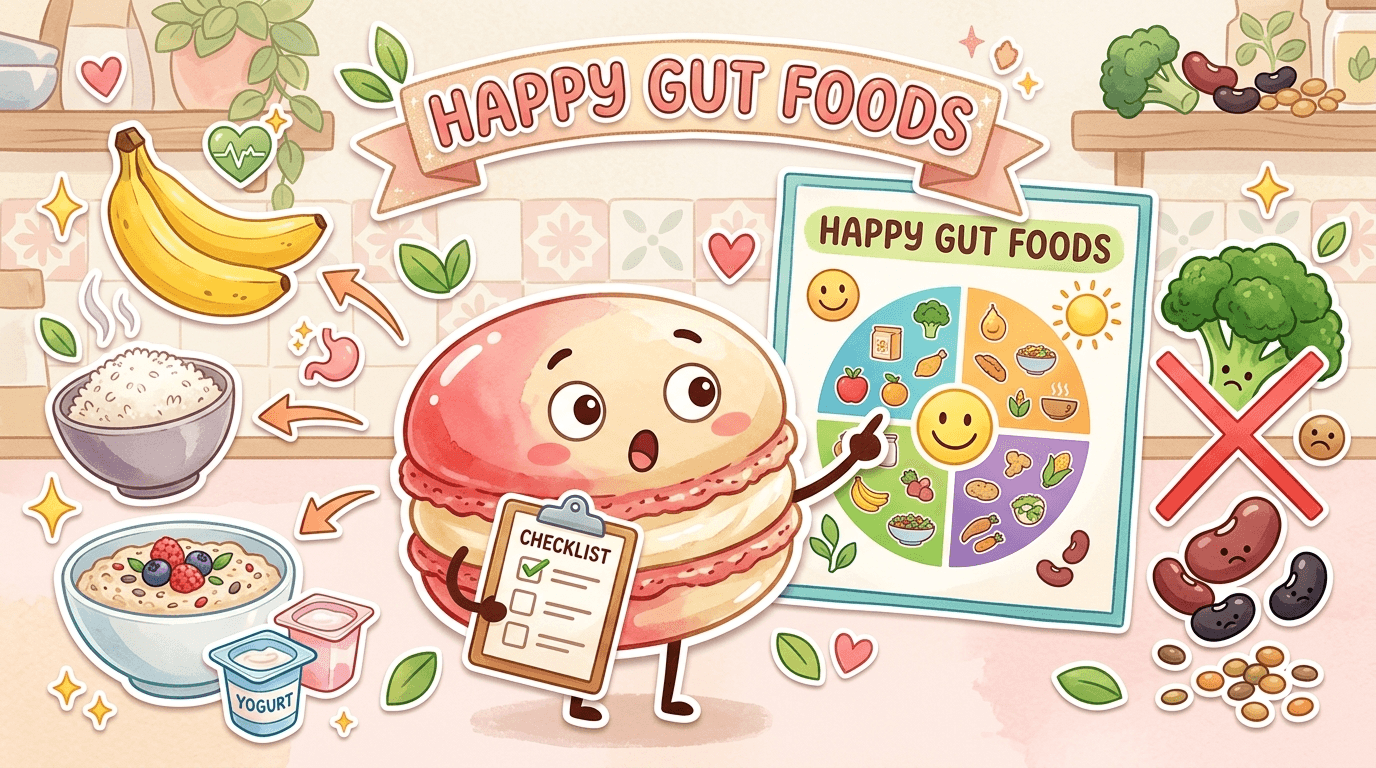
Prioritize cooked low-FODMAP vegetables like carrots and green beans over raw varieties to reduce mechanical irritation. Choose proteins like eggs, white fish, or tempeh that are less likely to ferment than red meats or legumes. For grains, opt for white rice or sourdough bread in moderation, as their reduced fiber content is gentler during flares. Avoid common triggers like dairy, carbonated drinks, and artificial sweeteners, which can provoke symptoms even in small amounts.
Best foods for IBS vs. Foods to limit
Steamed zucchini provides hydration and soluble fiber without the skin's tough cellulose, while raw peppers may irritate with their thick membranes. Aged cheeses like parmesan often work where fresh dairy fails due to lower lactose content. Contrastingly, seemingly healthy foods like cauliflower rice contain high FODMAP compounds that ferment aggressively. Portion control matters—even approved foods like almonds become problematic beyond 10-12 pieces due to cumulative FODMAP load.
Meal Planning Ideas for IBS
Breakfast experiments prove decisive—soaked oats with chia seeds provide soluble fiber that absorbs excess liquid in diarrhea-predominant IBS, while lactose-free yogurt with live cultures may help constipation types. Adding 1/4 cup blueberries introduces antioxidants without fructose overload, unlike larger portions that cross the FODMAP threshold for polyols.
Lunch combinations like quinoa with roasted chicken and steamed green beans deliver balanced nutrition. The soluble fiber in well-cooked green beans regulates bowel movements better than raw versions, while quinoa's complete protein avoids legume-related gas. Portion control is key—3/4 cup cooked quinoa sits well where 1.5 cups may ferment excessively.
Dinner strategies highlight preparation nuances—baking fish at 375°F preserves omega-3s without creating harsh fats from high-heat methods. Pairing with mashed sweet potato (peeled before cooking) provides beta-carotene without the skin's insoluble fiber. Many find adding 1 tsp olive oil improves fat-soluble nutrient absorption without triggering gallbladder contractions.
Snack solutions require precision—20 almonds offer protein and healthy fats without exceeding FODMAP thresholds, while rice cakes with 1 tbsp peanut butter provide satiety. Air-popped popcorn becomes problematic beyond 1 cup due to increasing insoluble fiber content, demonstrating how serving sizes transform safe foods into triggers.
Beverage choices demonstrate dose-dependence—peppermint tea shows antispasmodic effects at 1-2 cups daily but may relax the lower esophageal sphincter in excess. Electrolyte-enhanced water with a pinch of sea salt improves absorption compared to plain water during flare-ups, especially when consumed 30 minutes before meals to prevent dilution of digestive enzymes.
A Simple 1-Day Meal Idea for IBS
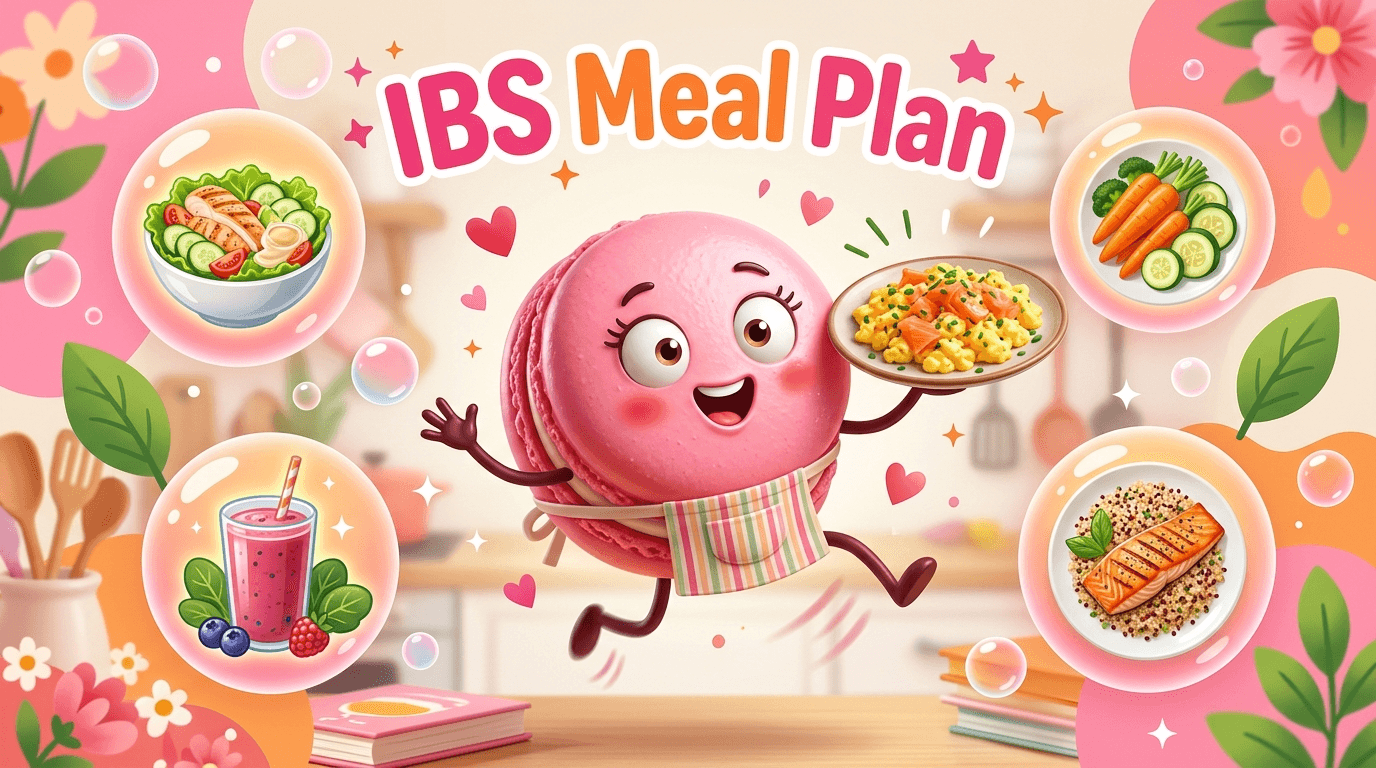
Start with gluten-free toast and almond butter—the healthy fats slow digestion while avoiding wheat proteins that may trigger symptoms. For lunch, try grilled chicken with quinoa and roasted zucchini, combining easily digested protein with soluble fiber. Dinner could feature baked cod with mashed sweet potato, offering anti-inflammatory omega-3s alongside gentle carbohydrates. Include snacks like a small banana or lactose-free yogurt to maintain energy without overwhelming your system.
Snacks and Drinks for IBS
Choose snacks that combine protein and soluble fiber, like 10 almonds with a small banana, to stabilize digestion without excessive fermentation. Herbal teas like ginger or peppermint can soothe digestive muscles when consumed warm, not hot. Avoid carbonated and caffeinated drinks, which simultaneously irritate and stimulate the gut. For hydration, try coconut water or electrolyte-enhanced beverages in small amounts between meals to support motility without diluting stomach acid.
Common Mistakes When Eating for IBS
Introducing multiple high-fiber foods simultaneously overwhelms the gut's adaptation capacity—add one new item every 3 days starting with 1/4 cup portions. Assuming all 'healthy' fats are safe leads to issues—while olive oil is generally well-tolerated, coconut oil's MCTs can stimulate contractions in some individuals. Overlooking preparation methods causes problems—baked chicken digests easier than fried, and peeled vegetables often work better than unpeeled versions despite similar FODMAP content.
How Macaron Helps You Plan Meals for IBS
Macaron's tracking features help identify portion thresholds where foods change from safe to problematic, like noting when more than 1/2 cup of quinoa causes symptoms. The app's meal suggestions account for preparation methods, recommending baked over fried proteins and peeled vegetables. Users can log symptom patterns after trying specific food combinations, building personalized libraries of tolerated meals over time. Scheduled reminders prompt consistent eating times, which helps regulate digestive rhythms.
Frequently Asked Questions
Two scrambled eggs with 1/2 cup sautéed spinach provides iron without FODMAPs, while gluten-free toast with thin almond butter avoids wheat and excess fats. Lactose-free Greek yogurt with 10-12 raspberries offers probiotics and antioxidants if dairy is tolerated. Always test nut butters individually—some react to almond but handle peanut butter well. Soaked oats with chia seeds make another gentle option, providing soluble fiber that absorbs excess liquid in diarrhea-predominant IBS.
Introduce soluble fiber sources like psyllium husk or peeled root vegetables gradually—start with 2-3g daily increases over weeks. Soaking beans overnight and cooking them thoroughly reduces oligosaccharides, while chia seeds provide fiber without excessive fermentation. Always pair fiber increases with adequate fluids to prevent paradoxical constipation. Track portions carefully—even low-FODMAP fibers like sweet potato become problematic beyond 1/2 cup servings for some individuals.
Eggs and white fish like cod rank among the most easily tolerated proteins due to their low fat content. For plant-based options, firm tofu and tempeh provide complete proteins with less fermentation than legumes. Some find collagen peptides helpful—they're easily absorbed and may support gut lining integrity without digestive stress. Preparation matters—poached or baked proteins typically digest better than fried versions regardless of source.
Avoid carbonated beverages, alcohol, and caffeinated drinks which can irritate the digestive tract. Even low-FODMAP juices may cause issues if consumed in large quantities due to natural sugar content. Instead, opt for room-temperature herbal teas like peppermint or ginger, which can soothe digestion. Electrolyte-enhanced water often absorbs better than plain water during flare-ups, especially when sipped between meals.
Eating smaller, regular meals every 3-4 hours prevents digestive overload better than sporadic large meals. Avoid skipping breakfast, which can lead to overeating later and worsen symptoms. Finish evening meals at least 2-3 hours before bedtime to allow for proper digestion. Consistent meal times help regulate bowel motility patterns, reducing unpredictable symptom flares.
Yes, Macaron's tracking features allow logging specific foods, portions, and preparation methods alongside symptoms. The app identifies patterns like reactions to fried versus baked chicken or peeled versus unpeeled vegetables. Over time, it builds a personalized database of tolerated foods and problematic combinations. Users report this method catches subtle triggers that generic elimination diets miss, such as portion thresholds or cooking technique differences.
Steaming, baking at moderate temperatures (350-375°F), and gentle sautéing preserve nutrients while maximizing digestibility. These methods are preferable to frying, grilling at high heat, or boiling which can leach nutrients. Peeling vegetables before cooking removes insoluble fiber that irritates some individuals. Slow cooking breaks down tough fibers in meats and legumes, making them gentler on sensitive digestive systems.
Try rice cakes with 1 tbsp peanut butter, small portions (10-12) of almonds, or roasted carrot sticks for crunchy alternatives. Air-popped popcorn (limited to 1 cup) and lactose-free cheese with gluten-free crackers also work well. For sweet options, small bananas or strawberries provide natural sugars without excessive fructose. Always introduce new snacks individually to test tolerance before combining them.
Read & discover
AI Personal Assistant
Free calculators


