What Should I Eat for Immune System?
Research-backed dietary approaches to strengthen immune resilience, from strategic food pairings that boost nutrient absorption to avoiding common inflammatory triggers in everyday meals.
How to Eat for a Strong Immune System
Emerging research reveals that immune-supportive eating requires strategic combinations—citrus with iron-rich spinach enhances absorption, while turmeric paired with black pepper increases curcumin bioavailability by 30-50%. These synergies matter more than isolated nutrients, with studies showing paired nutrients often outperform supplements.
Gut microbiome diversity directly correlates with immune response strength. Aim for 30+ different plant foods weekly—rotate purple cabbage (anthocyanins), orange sweet potatoes (beta carotene), and red bell peppers (vitamin C). Frozen mixed berries maintain phytonutrient density year-round for consistent microbial feeding.
Protein timing influences immune cell production—consuming 20-30g protein within 30 minutes of waking jumpstarts lymphocyte activity. Evening meals with turkey or pumpkin seeds provide tryptophan to support sleep-related immune processes, completing the daily nutrient cycle.
Regional eating patterns offer proven immune benefits—Mediterranean diets rich in olive oil and fatty fish reduce inflammatory markers, while traditional Asian ingredients like ginger contain 6-shogaol, a compound shown to activate immune cell signaling pathways.
The 85/15 rule prevents restrictive eating while maintaining immune support—focus on nutrient-dense choices like salmon (omega-3s + vitamin D) or sunflower seeds (vitamin E + selenium) for most meals, allowing flexibility for occasional processed foods without gut disruption.
A practical way to eat for a healthy immune system
Adopt a color-coded produce rotation—orange sweet potatoes (beta carotene), red bell peppers (vitamin C), purple cabbage (anthocyanins)—to cover diverse phytonutrients. Studies link 30+ weekly plant varieties to 40% greater gut microbiome diversity, which correlates with stronger pathogen defense. Pre-cut and freeze mixed peppers or berries for quick additions to omelets or yogurt.
How to eat for a robust immune system
Prioritize food synergy—combine citrus with spinach to enhance iron absorption by 50%, or mix turmeric with black pepper for 30% greater curcumin uptake. Time antioxidant-rich meals like berry smoothies post-workout when oxidative stress peaks. Fermented foods like kefir should be consumed separately from hot foods to preserve live cultures.
Best foods for a strong immune system
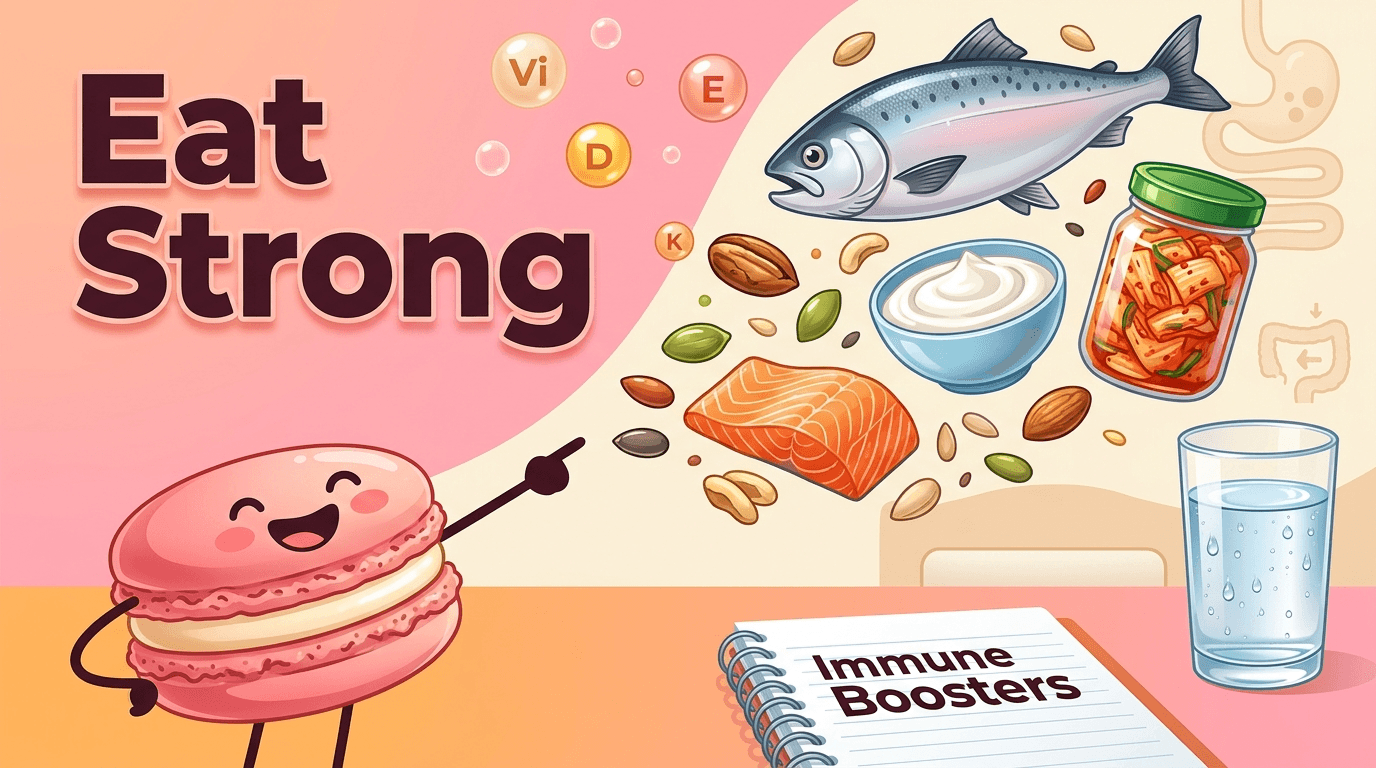
Focus on multi-benefit staples—wild salmon provides omega-3s and vitamin D, while sunflower seeds offer vitamin E and selenium. Include at least one immune-supportive food from each category per meal: citrus (vitamin C), nuts (zinc), leafy greens (folate). Pre-soak lentils overnight to improve zinc bioavailability by reducing phytates.
Foods to limit for immune system health
Reduce inflammatory triggers—processed meats contain AGEs that may impair immune cell function, while alcohol above one drink daily disrupts gut barrier integrity. Even 'healthy' processed snacks often lack the fiber of whole food alternatives. Transition gradually by swapping deli meats for roasted chicken or canned sardines.
Meal Planning Ideas for Immune System Support
Morning meals set immune tone—combine mushroom omelets (vitamin D) with sautéed kale (vitamin K) for fat-soluble nutrient absorption. Oatmeal topped with walnuts and blueberries merges beta-glucans, omega-3s, and anthocyanins in one gut-supporting bowl.
Lunch strategies should maximize color diversity—build salmon salads with mixed greens (vitamin C), roasted sweet potatoes (beta carotene), and pumpkin seeds (zinc). Add kimchi or sauerkraut for live cultures that may enhance gut-associated lymphoid tissue function.
Dinner preparation methods impact nutrient retention—slow-cooked chicken soup with garlic preserves allicin, while quinoa provides complete protein and fiber. Roasting Brussels sprouts activates glucosinolates, compounds studied for their immune-modulating potential.
Smart snack pairings increase nutrient accessibility—carrot sticks with hummus merge vitamin A and protein, while Greek yogurt with kiwi offers probiotics plus vitamin C. Even dark chocolate with almonds combines flavonoids and vitamin E for antioxidant synergy.
Weekly rotation prevents nutrient gaps—alternate fatty fish (omega-3s) with legumes (zinc) and different colored vegetables. Keep frozen wild blueberries and spinach for quick smoothies when fresh produce isn't available, maintaining consistent phytonutrient intake.

A simple one-day meal plan for immune support
Start with a mushroom omelet (vitamin D) with sautéed kale (vitamin K), followed by a lunch of lentil soup (zinc) with a side of kimchi (probiotics). Dinner could feature baked cod (selenium) with roasted Brussels sprouts (glucosinolates) and wild rice. This rotation covers 12+ immune-supportive nutrients while maintaining culinary enjoyment.
Healthy snacks and drinks for immune support
Opt for snacks that satisfy cravings while supporting your immune health. Choices like oatmeal superfood bars, combining whole grains and nuts, provide sustained energy and essential nutrients. Additionally, herbal teas with ginger and turmeric offer anti-inflammatory benefits while keeping you hydrated.
Common dietary mistakes for immune health
Many people overlook the importance of micronutrients important for immune cell function. A common mistake is neglecting to include a variety of foods, which can lead to deficiencies. To support your immune health, focus on incorporating diverse sources of vitamins and minerals, such as nuts, seeds, and legumes.
How Macaron assists in meal planning for immune health
Utilize Macaron's features to create a meal plan that emphasizes a balanced diet. By following simple steps to include fruits, vegetables, lean proteins, and whole grains, you can effectively support your immune system. The app helps track your nutrient intake and suggests recipes aligning with your health goals.
Frequently Asked Questions
Fluid balance directly supports lymph production—the system transporting infection-fighting white blood cells. Even mild 1-2% dehydration reduces mucosal immunity in nasal passages by 15-20%. Herbal teas like ginger or hibiscus provide hydration plus bioactive compounds, while electrolyte-rich coconut water helps maintain cellular fluid balance during illness.
Yes—fermented foods like kefir and kimchi deliver diverse probiotics to the gut, where 70% of immune cells reside. Research shows daily 1/2 cup servings may increase beneficial bifidobacteria by 30%. Consume them at room temperature to preserve live cultures, and pair with fiber-rich foods to feed the introduced microbes.
Omega-3s from fatty fish and flaxseeds help regulate inflammation—they may reduce excessive cytokine production by 20-30% while supporting white blood cell activity. Aim for 2-3 weekly servings of sardines or salmon, and grind flaxseeds fresh to prevent oxidation. Those not eating fish can consider algae-based DHA supplements.
Consistent eating patterns maintain stable energy for immune cells—irregular meals may increase stress hormones that suppress lymphocyte activity. Protein-rich breakfasts within 30 minutes of waking support immune cell production, while 3-4 hour meal spacing prevents energy crashes. Avoid large meals within 2 hours of bedtime to support sleep quality.
Turmeric, ginger, garlic, and cinnamon contain compounds with anti-inflammatory and antimicrobial effects. These spices may support immune cell activity and support detoxification. Incorporate them regularly into meals or beverages.
During sleep, your body produces cytokines that fight infection and inflammation. Poor sleep reduces these protective proteins and weakens immune defenses. Adults should aim for 7-9 hours of quality sleep nightly for optimal immune function.
Try carrot sticks with hummus (vitamin A + protein), Greek yogurt with berries (probiotics + antioxidants), or almond butter on whole grain toast (vitamin E + fiber). These combinations provide key nutrients in convenient formats.
Yes, Macaron provides meal plans focusing on immune-boosting ingredients like citrus, leafy greens, and lean proteins. The app can adjust recipes based on dietary preferences while ensuring balanced nutrient intake for immune support.
Read & discover
AI Personal Assistant
Free calculators


