What Should I Eat for Stomach Pain?
Evidence-based meal planning for stomach pain relief using Macaron's personalized tools. Identify your unique triggers and discover soothing food combinations that outperform standard recommendations.
How to Eat for Stomach Pain
White bread toast outperforms whole grains during stomach pain episodes because the toasting process breaks down complex starches into simpler carbohydrates. Many find lightly toasted bread with honey more soothing than plain slices, as the sugar provides quick energy without fermentation. Avoid seeded varieties which can irritate sensitive digestive linings.
Hydration strategy matters more than volume - room temperature herbal teas like chamomile absorb better than cold water, while homemade bone broth provides electrolytes without the stomach-irritating minerals found in sports drinks. Sipping 2oz every 15 minutes prevents overwhelming the digestive system.
The BRAT diet works because its components share low acidity and binding properties, but modern adaptations include skinless baked potatoes and steamed chicken for more balanced nutrition. These additions provide protein and potassium without the fat that slows gastric emptying.
Lean proteins require careful preparation - poached chicken breast digests more completely than grilled versions where surface fats remain. Fish like cod breaks down easier than salmon due to lower fat content, making it ideal for evening meals when digestion slows.
Meal timing significantly impacts comfort - eating smaller portions every 2-3 hours prevents stomach overload, while allowing 4 hours between dinner and bedtime reduces nighttime reflux. Many report better tolerance when consuming proteins earlier in the day and carbohydrates later.
A practical way to eat for Stomach Pain
Opt for refined grains like white rice or pasta instead of whole grains during flare-ups, as their lower fiber content minimizes gut irritation. Toast bread lightly to break down starches further, and consider pairing with small amounts of almond butter for protein. Monitor individual responses carefully, as some develop sensitivities even to bland carbohydrates when consumed repeatedly.
How to eat for Stomach Pain
Incorporate foods like bone broth, plain mashed sweet potatoes, and poached white fish for balanced nutrition without digestive stress. These options provide essential nutrients while being easily broken down. Start with 1/2 cup portions every 2 hours, gradually increasing quantity as tolerance improves.
Best foods for Stomach Pain
While most dairy worsens symptoms, fermented options like kefir in 2-3oz servings may help some individuals by introducing beneficial bacteria. Contrastingly, fatty meats consistently cause problems - opt for skinless poultry or lean fish prepared without oils. The BRAT diet works because its components share low acidity and binding properties that normalize bowel function.
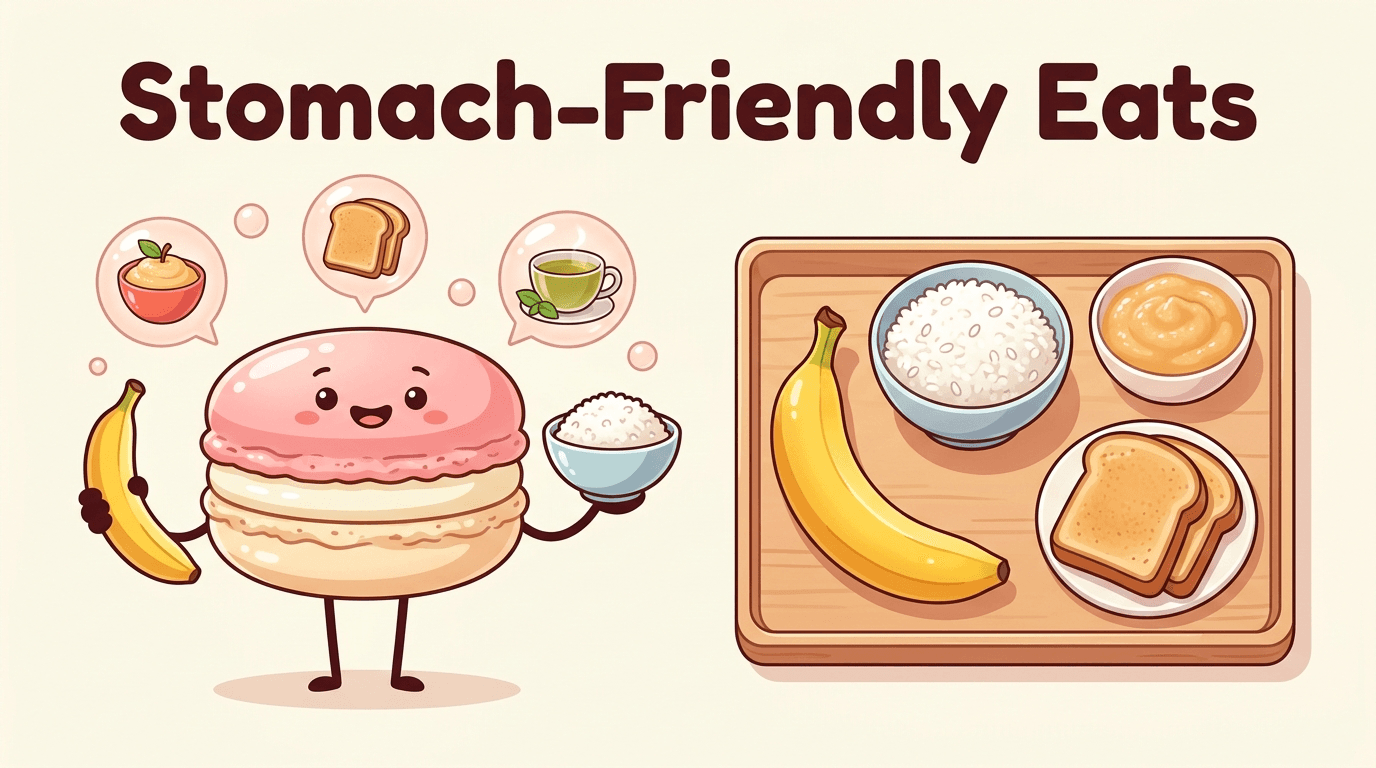
Best foods for Stomach Pain vs Foods to Limit
Gentle foods like well-cooked oatmeal with banana outperform whole grain cereals during flare-ups, while fried eggs digest harder than poached versions. Common triggers include cruciferous vegetables and legumes - reintroduce these only after symptoms fully subside, starting with small amounts of well-steamed varieties.
Meal Planning Ideas for Stomach Pain
A structured recovery day might begin with white toast and honey, progress to steamed chicken with white rice at lunch, and finish with baked sweet potato. This progression introduces increasingly complex foods as tolerance improves, with each meal containing one new test ingredient.
Unexpected snack combinations prove effective - saltines with almond butter often work when dairy fails, while ginger tea with honey outperforms many commercial remedies. These pairings provide calories without irritation by combining gentle proteins with easily metabolized carbohydrates.
Common dietary mistakes include assuming coconut water is universally soothing (its high potassium can worsen cramps) and overlooking how cooking methods transform tolerability. Boiling makes carrots gentler than roasting, while steaming preserves nutrients better than microwaving.
Personal tolerances frequently defy guidelines - some users handle small amounts of fermented foods like kefir despite broader recommendations to avoid them. Tracking reveals individual patterns, such as afternoon meals digesting better than identical morning portions.
Transitioning back to regular eating requires systematic testing - reintroduce one new food every 12 hours, starting with low-fiber cooked vegetables before testing raw varieties. This phased approach helps identify problem ingredients that might be missed in simultaneous reintroductions.
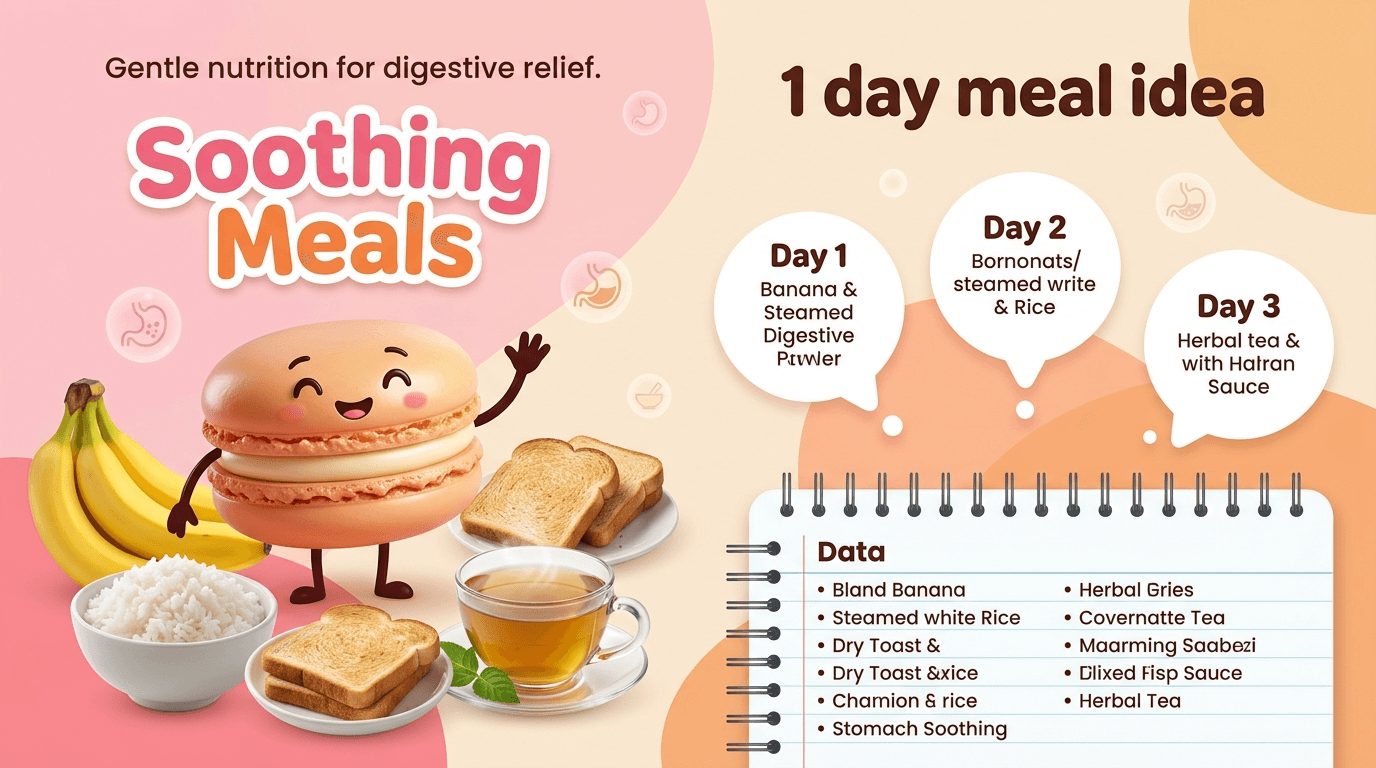
A Simple 1-Day Meal Idea for Stomach Pain
Consider a structured 7-day meal plan focused on bland, low-fat meals that promote healing and comfort. This plan should include easily digestible foods that minimize irritation, allowing your digestive system to recover. Incorporating a variety of gentle options can help you find what works best for your stomach.
Snacks and Drinks for Stomach Pain
Gentle snacks such as steamed or boiled vegetables, low-fiber starches like white bread and saltine crackers, and skinless baked chicken or turkey are excellent choices. These foods provide essential hydration and are less likely to irritate a sensitive stomach. Additionally, incorporating clear broths and well-cooked vegetables can not only provide hydration but also ease digestion.
Common Mistakes When Eating for Stomach Pain
Many individuals mistakenly turn to sports drinks or coconut water, thinking they are hydrating options, but these can contain minerals that upset the stomach. It's important to avoid overly processed foods and high-fat items, as they may exacerbate symptoms. Instead, focus on whole foods and simpler meal preparations to promote better digestion.
How Macaron Helps You Plan Meals for Stomach Pain
The app tracks how specific preparation methods affect your tolerance - noting whether steamed carrots work when raw ones don't. It also monitors timing patterns, reminding you when smaller, more frequent meals yield better comfort than traditional three-meal schedules.
Frequently Asked Questions
Beyond BRAT staples, skinless baked potatoes provide potassium without irritation, while poached chicken offers easily digestible protein. Many find peanut butter on white toast effective - the combination of gentle protein and simple carbohydrates provides energy without fermentation. Introduce one new food every meal to accurately identify tolerances.
Herbal teas like ginger or chamomile at room temperature absorb better than cold liquids. For electrolytes, try homemade chicken broth instead of commercial sports drinks which often contain problematic minerals. Drink 2oz every 15 minutes rather than large volumes at once to prevent overwhelming your system.
Some tolerate small amounts of non-dairy probiotics like fermented vegetables, while others react poorly. Start with 1 tablespoon of sauerkraut juice or coconut yogurt, waiting 4 hours to assess effects before trying larger portions. Avoid commercial probiotic supplements during acute episodes as their high potency may worsen symptoms.
Small meals every 2-3 hours prevent overload, with protein-heavy options earlier in the day when digestion is strongest. Allow 4 hours between dinner and lying down to reduce reflux risk. Many find 10am and 2pm meals digest better than traditional breakfast/lunch schedules.
Yes, Macaron can suggest meal plans based on your symptoms and food tolerances. It tracks your reactions to different foods and adjusts recommendations accordingly.
Plain white toast absorbs stomach acid and provides easily digestible carbohydrates. The toasting process breaks down some starches, making it gentler than untoasted bread. Avoid high-fiber or seeded varieties initially.
Steaming, boiling, baking without oil, and poaching are gentle preparation methods. Avoid frying, grilling with heavy oils, or using strong spices. Removing skins and fats from proteins also helps.
Typically 24-48 hours for acute symptoms, then gradually reintroduce foods. For chronic issues, work with a healthcare provider to identify long-term dietary adjustments. Listen to your body's signals.
Read & discover
AI Personal Assistant
Free calculators


