How to Calm Yourself Down: 12 Low-Pressure Ways
How to Calm Yourself Down: 12 Low-Pressure Ways

When your shoulders are near your ears and every sound feels sharper, a complicated routine is the last thing you need. Learning how to calm yourself down can begin with a smaller assignment. Notice what your setting allows, try one gentle option, and stop if it makes the moment harder.
Calm does not have to arrive all at once. A little room before the next demand is useful.
Quick Answer: Choose the Least Demanding Reset
Start with the method that asks the least of you. In a shared room, notice neutral details. If movement feels welcome, change rooms or walk briefly. If sound is the problem, remove one source.
These self-soothing techniques are options, not treatments or tests of coping. The National Center for Complementary and Integrative Health notes that relaxation practices can occasionally increase anxiety or intrusive thoughts. Stop or switch methods when an exercise feels worse.
Match a Calming Method to What You Can Control
You do not need to identify the perfect technique. Use this matrix to narrow the list before trying anything.

When You Have Only a Minute
Choose an option without setup: soften one exhale, look around, name neutral details, or postpone a non-urgent choice. The aim is to interrupt the feeling that everything needs solving now.
When You Can Move or Change Rooms
A different chair, quiet hallway, or short walk may reduce the load. Pick a safe place where you can notice your surroundings. If leaving would create a safety problem, choose a still option.
When You Need a Quiet or Private Option
Quiet options include holding a familiar object, releasing tension in your hands, or writing one sentence. Privacy need not mean isolation. A trusted person can sit nearby without asking questions.
12 Low-Pressure Ways to Calm Yourself Down
Slow the Exhale
Let the breath leave gently, without forcing a deep inhale or holding it. Try one or two comfortable breaths. NHS breathing guidance also says to breathe only as deeply as feels comfortable. Stop if you become dizzy, more breathless, or more distressed.

Orient to the Room
Turn your attention outward. Notice the doors, your seat, and whether the room is bright or dim. You are giving your attention a current, concrete place to land.
Cool or Warm One Small Area
Place a comfortably cool or warm cloth on your hands or forehead. Avoid ice and very hot water. Remove it if your skin hurts or goes numb, and skip it if temperature changes are unsafe for you.
Release Muscle Tension
Unclench your jaw, lower your shoulders, or gently tense and release one hand. Keep the movement small. Do not push into pain or strain an injured area.
Add a Steady Sound
Choose a familiar, low-volume sound, such as a fan or soft instrumental track. Keep your ears free when you need to hear traffic, alarms, instructions, children, or equipment. Silence is also valid.
Hold a Familiar Object
Hold a smooth stone, folded fabric, mug, or another familiar object. Notice its weight and texture. Put it down if touch feels irritating or the object is hot, sharp, fragile, or distracting.
Name Five Neutral Details
Look for five facts that need no interpretation: “The curtain is blue. The table has four legs.” If counting becomes another performance, name one detail and leave it there.
Write One Sentence
Complete one line: “The next thing I need is ___,” or “I can revisit this at ___.” If writing starts another replay, close the note and choose something outside your thoughts.
Reduce One Sensory Input
Dim one screen, loosen an uncomfortable layer, move from a strong smell, or pause one notification source. Removing one irritation can make the next few minutes more workable.
Take a Short Walk
Walk along a safe hallway, around the room, or outside briefly. Let it be a change of scene, not a workout. Stay seated if you are dizzy, impaired, unsteady, in pain, or responsible for a moving vehicle.
Ask for Quiet Company
Try: “Could you sit with me for five minutes without asking me to explain?” You decide what support feels acceptable. Quiet company should not become forced touch, questioning, advice, or monitoring.
Delay the Next Decision
For a non-urgent choice, set a return point: after lunch, tomorrow morning, or when one missing fact arrives. Do not delay a safety need or firm deadline. Write down the return point.

Build a Personal Calming Menu
A personal menu keeps calming activities visible when your attention is crowded. Keep it brief.
My early signal: I notice ___ If I have one minute: I can ___ If I can move or change rooms: I can ___ If I need privacy: I can ___ Sensory options I usually prefer: ___ Options I do not want: ___ A person I may ask: ___ Words that help: “Please ___” My stop or support signal: ___
Test one entry on an ordinary day. Remove anything fussy, irritating, or hard to access. Your menu need not include every category.
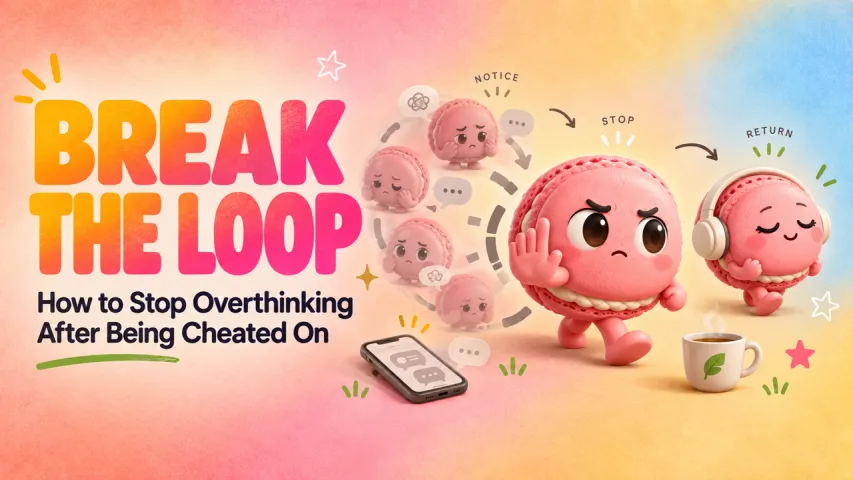
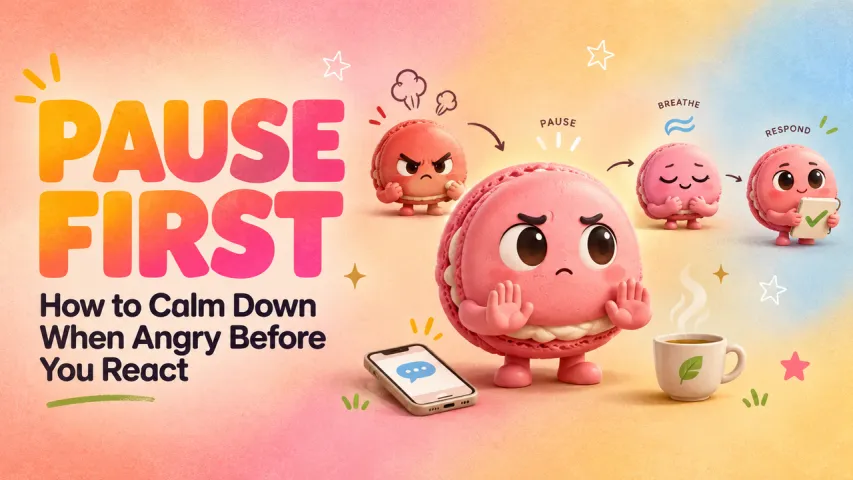
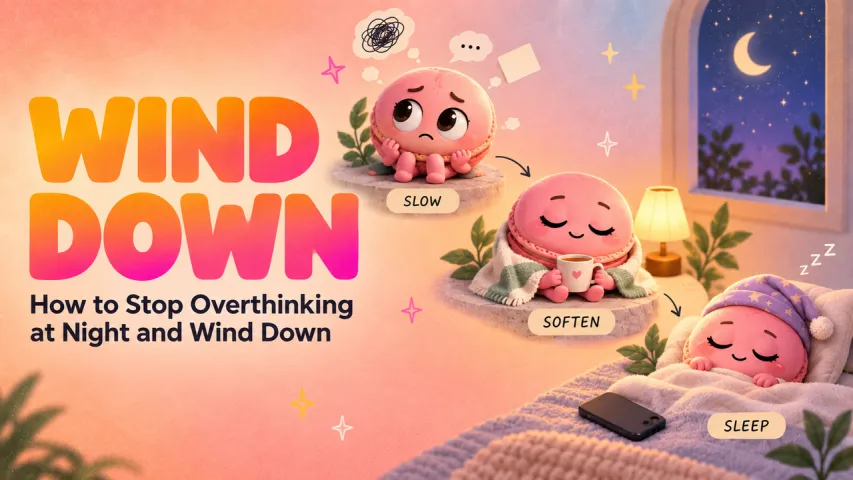
For anger that may turn into an impulsive response, use a dedicated pause-before-reacting plan. Nighttime thought loops need a different before-sleep approach. Students can use a separate exam-stress menu built around classroom and testing constraints.
When Calming Yourself Is Not Enough
These ways to calm down are for low-risk, everyday moments. They cannot explain distress or replace care. NIMH recommends considering how symptoms affect daily life and seeking help when they worsen or interfere with usual tasks.
Seek urgent local help for thoughts of harming yourself or someone else, violence, severe breathing difficulty, chest pain, fainting, confusion, or loss of consciousness. In the United States, call or text 988 for crisis support. Use emergency services for an immediate danger; elsewhere, use local crisis or emergency services.
FAQ
Can medication or substance use change which calming methods are safe to try?
Yes. Some medicines can cause sleepiness, dizziness, slowed movement, or trouble focusing. FDA medication guidance says to read current warnings and check with a pharmacist or clinician when unsure. NIAAA's medicine-interaction guidance says alcohol can intensify drowsiness or coordination problems with some medicines. Do not use substances as a calming method. If impaired, avoid driving, walking alone, or temperature-based activities.
Can asthma or breathing conditions make breath-based resets unsuitable?
They can make generic breathing instructions uncomfortable or inappropriate. Asthma + Lung UK advises asking a health professional which technique fits your condition. Follow your current action plan rather than replacing it with a calming exercise. New or severe breathing difficulty, chest pain, faintness, or symptoms that do not respond as expected need urgent medical help.

Is it safe to try a calming exercise while driving?
Do not do anything that takes your eyes, hands, or attention away from driving. NHTSA treats any attention-diverting activity as distracted driving. Keep driving as the only task and follow local road rules. Pull over somewhere legal and safe before writing, using a phone, closing your eyes, handling objects, changing layers, or starting a focused exercise.
Can a workplace or school restrict headphones or movement breaks?
Yes. Safety rules, exams, supervision needs, and essential duties may limit headphones or unscheduled movement. Check the current written policy and ask about an approved alternative. As checked September 9, 2026, EEOC guidance gives headphones and modified breaks as possible U.S. workplace accommodations, not automatic entitlements. Rules vary by setting and jurisdiction; this is general information, not legal advice about your rights.
Should another person choose a calming method for me during distress?
Usually, they should offer choices and ask what you want. WHO psychological first-aid guidance emphasizes dignity and personal decision-making, and warns against forcing help. A supporter can ask, “Would quiet company, more space, or practical help feel better?” Immediate danger may require emergency action, but distress alone is not consent to touch, restraint, disclosure, or a forced exercise.
Conclusion
You do not have to earn calm by completing every exercise. Choose the smallest option your setting allows, notice whether it lowers the load, and replace it if it does not. That is enough for the next moment.