How Long Does It Take to Learn a New Language?
How Long Does It Take to Learn a New Language?

The Short Answer Depends on What You Mean by Learn
Ask: how long does it take to learn a new language for the task I want to do? Think in months for limited functional goals and years for broad advanced independence. These planning horizons depend on your starting point, language and goal; no universal duration applies.
Make the Estimate Triangle three recordable fields: target task, including permitted help and successful performance; comparable evidence, including your baseline sample and any source’s starting population and target; sustainable weekly capacity, including planned hours, actual hours and constraints. A changed task needs a new baseline. Changed capacity needs a revised calendar. If evidence is not comparable, leave the completion estimate open.

Define a Language Goal You Can Actually Measure
Define completion before choosing a date.
Handle a Simple Conversation
Choose a familiar exchange: introduce yourself, ask a follow-up and understand the reply. Record whether repetition, gestures or notes were needed. A memorized introduction alone cannot demonstrate handling an unexpected answer.
Use the Language for Work or Study
Choose a concrete demand: summarize a meeting, explain a familiar problem or understand a lecture. Name the subject and permitted help. Assess a prepared presentation and spontaneous questions separately.
Reach an Advanced Independent Level
Look for sustained performance with unfamiliar material, longer discussions and nuanced writing. The Council of Europe describes six CEFR levels, A1 to C2, through can-do descriptors and separate skill profiles. Language proficiency levels describe ability, not elapsed time. “Advanced independence” here names a personal goal, not an assigned CEFR rating.

Estimate Time With Milestones, Not One Finish Date
Repeat the task: with notes, with less help, then with an unfamiliar variation. Proficiency describes performance; study hours record effort; calendar time counts elapsed weeks or months. Keep these measures separate.
The ACTFL proficiency overview describes spontaneous, unrehearsed ability in listening, speaking, reading and writing through functions, accuracy, context/content and text type. Use these criteria for observations, not official ratings or ACTFL-to-CEFR conversions.
For English learners, Cambridge guided hours gives approximately 180 to 200 cumulative guided hours from beginner to A2. Separately, a B2 First holder might need about 200 hours of lessons and supervised study to prepare for C1 Advanced. These guidelines vary with background, intensity, age and outside exposure. Guided hours cover instruction and supervised study, not all self-reported practice.
See What Speeds Progress Up or Slows It Down
Language Distance and Previous Experience
Name the languages you already know when judging similarity. Familiar vocabulary may change your reading starting point; it does not establish spontaneous listening ability. Previous learning experience belongs in the estimate’s background, while current task samples show what transfers.
The archived 2021 to 2025 FSI language timelines listed Category I at 24 to 30 weeks and 600 to 750 classroom hours toward “General Professional Proficiency,” ILR Speaking-3/Reading-3. These historical figures describe intensive, job-related training for U.S. diplomats, with categories relative to English. They are neither total learning hours nor a forecast for part-time learners, and do not establish a CEFR equivalent.
Practice Quality, Frequency, and Real Exposure
Log classroom learning, independent study and actual target-skill use without counting the same minutes twice. Note available feedback and relevant exposure. Completed reading exercises provide little evidence for a spontaneous listening goal, even when the recorded study hours look substantial.
Build Three Realistic Timeline Scenarios
Hold one target constant: explain a familiar work update in English and answer a follow-up without a script. These hypothetical cases assume some English and a baseline attempt, without assigning a level.
- Light but steady: three hours weekly; review every four weeks. With a familiar topic, look for less reliance on notes across attempts. If only the original script works, narrow the task and keep the completion estimate open.
- Regular mixed practice: six hours weekly; review every two weeks. Assuming feedback is available, check whether a listener can restate the main point and you can answer a new follow-up. If rehearsed answers are the only successes, do not shorten the estimate.
- Intensive structured study: fifteen hours weekly; review weekly. Assuming supervised practice is sustainable, compare performance on unfamiliar follow-ups. If actual hours repeatedly fall below plan, recalculate capacity before moving milestones earlier.
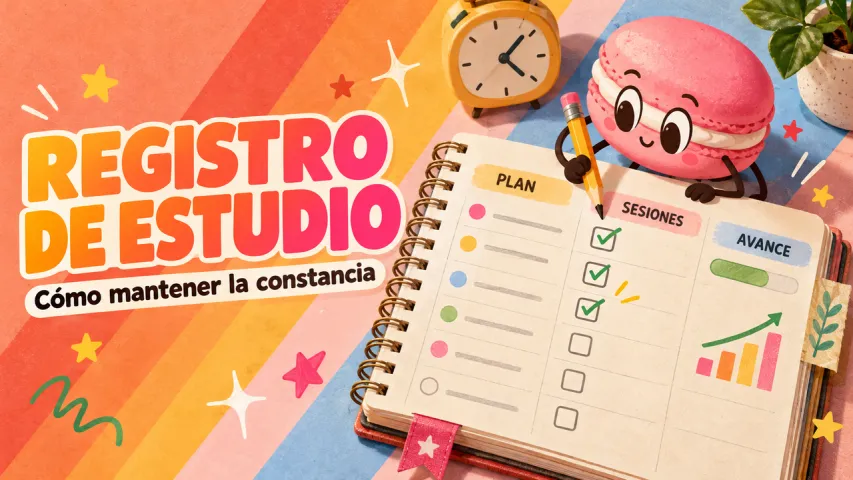
These intervals schedule reviews, not achievements. The illustration is schematic, without a shared time scale.

Revise the Estimate From Your Own Progress
Use task → evidence → pace → revised range: repeat a comparable task, record help, accuracy and effort, then compare several attempts before changing the estimate.
Hypothetical example: a learner plans six hours weekly for two weeks: 12 hours. Cancelled sessions leave eight completed hours, or four per week. Across comparable work updates, fewer prompts are needed, but new follow-ups still require help. Scheduling another 12-hour practice block now takes three weeks rather than two. That calculation allocates time; it does not predict proficiency. Keep the next review two weeks away to check both actual hours and follow-up answers.
Use a Personal AI to Remember Evidence, Not Predict Fluency
A paper log, spreadsheet or recording folder can hold your goals, reported time, task samples and revisions. Personal AI is optional. If you choose Macaron, keep its role to organizing observations you provide. Do not use its summaries to assign CEFR/ACTFL levels, predict fluency or replace a teacher or formal assessment.
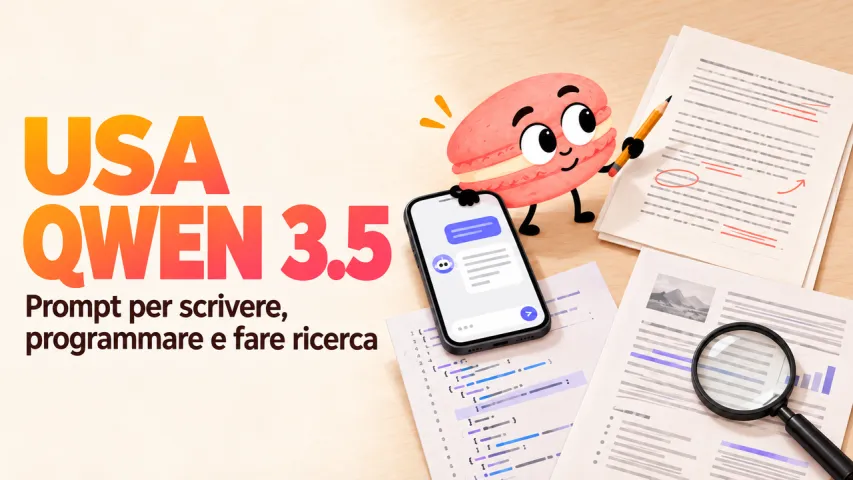
Correct inaccurate summaries and check the service’s privacy, correction and deletion options before storing records. Omit confidential work material and do not assume automatic tracking. The mobile illustration is conceptual, not a verified Macaron screen.

FAQ
Does age change how long language learning usually takes?
Age is one consideration, not a standalone timeline calculator. Before enrollment, give the course provider your starting skills, prior languages, target and available time. Ask how its estimate accounts for those conditions rather than accepting an age-based promise or cutoff.
Can language certificates expire after a learner stops studying?
Cambridge certificate validity is indefinite for Cambridge English exam certificates, while recipients can set recency requirements. Check the exact exam, test date, receiving institution’s acceptance window and evidence it requires. A valid certificate records past performance; it does not prove current ability. Other tests have their own rules.
Do language schools guarantee progress within advertised course hours?
Ask what counts as a course hour, which starting level is assumed, how progress is assessed and which written remedies or refund conditions apply. Advertised hours alone do not guarantee an outcome. Without a defined contractual promise, leave guaranteed progress unconfirmed.
What happens if a learner changes languages midway?
Keep separate records and establish a new target with baseline samples for the relevant listening, speaking, reading and writing tasks. Old hours document learning history, not proficiency in the new language. Treat possible transfer as something to observe, not credit to add automatically.
Do employer-sponsored courses let learners keep account records?
Ask about the access cutoff, export format and records you may retain before enrolling. The employer, provider and contract determine these conditions; silence leaves access unknown. Save only permitted personal material. These policy pointers are general information, not legal, employment or consumer-rights advice.
Conclusion
Start your language learning timeline with a task sample and review date. Change the calendar when capacity changes; rebuild the baseline when the task changes. When asking “how long does it take to learn a language?”, keep the estimate task-specific. Hours alone cannot tell you when it is mastered.
Previous Posts