Cal AI Calorie Tracker
Cal AI popularized instant photo calorie tracking, but user reports show accuracy gaps with complex meals. Macaron enhances this with meal planning tools and memory-based personalization for sustainable nutrition habits.
How Cal AI's Photo Calorie Tracking Works
Cal AI reduces calorie logging to a short workflow: answer a few setup questions, photograph a meal, and receive an instant estimate for calories and macros. That simplicity is the main reason people try it, especially if they dislike weighing food or entering ingredients manually. The tradeoff is that the app is optimized for convenience first, so the quality of the result depends heavily on how easy the meal is to interpret visually.
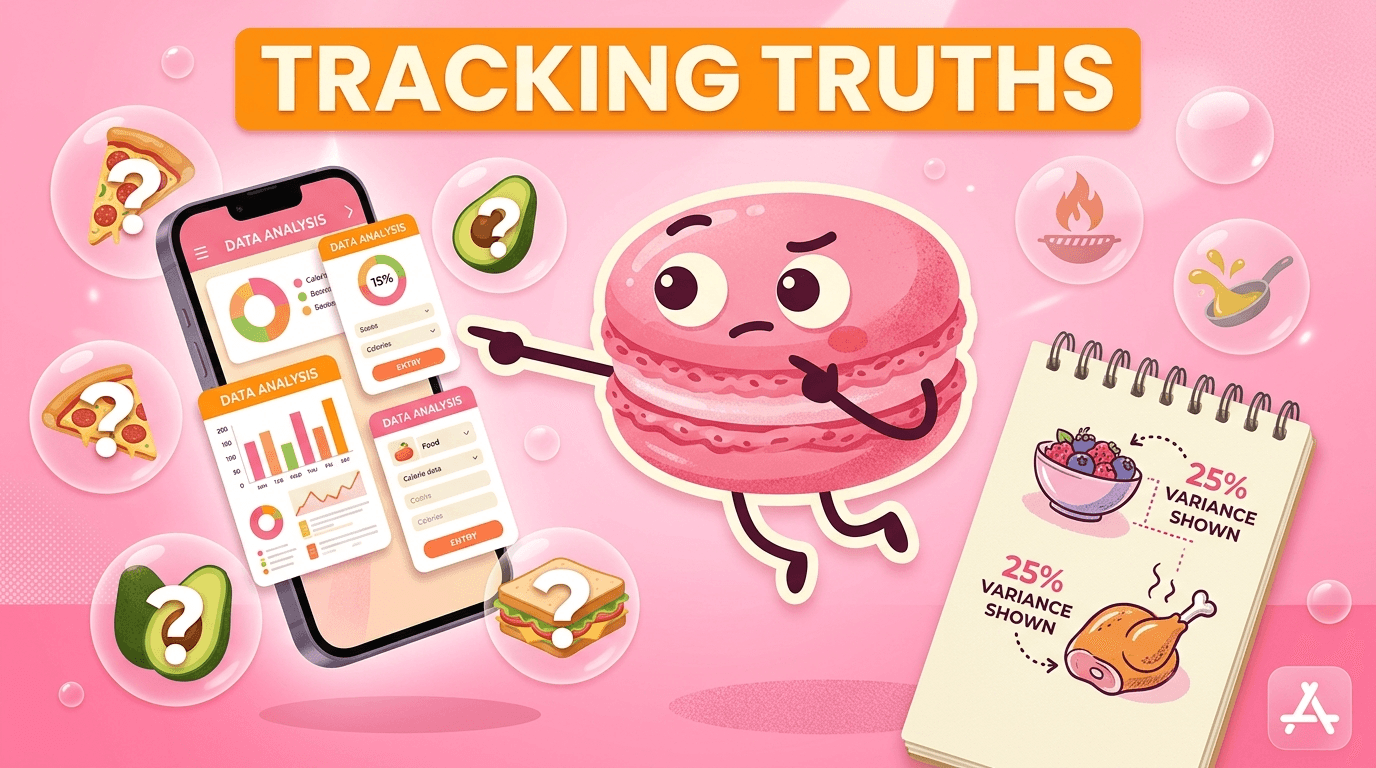
The strongest results tend to come from single-item or neatly plated foods such as grilled chicken, rice, eggs, or a protein shake. Mixed meals are harder because the app has to infer hidden ingredients, sauces, oils, and portion boundaries from a single image. In practice, that means a sandwich, bowl, or restaurant plate can require corrections after the scan if the user wants a more reliable log.
Cal AI is most useful when the goal is awareness rather than exact nutrition accounting. It can help users notice patterns, keep a rough daily total, and avoid the friction that causes many people to abandon tracking altogether. However, users who need tighter control for body composition, sports performance, or medical guidance usually need a system that can remember meals, compare days, and support planning instead of only reacting to a photo. For a related Macaron page, see 20 AI Tools to Upgrade Your Daily Life - Macaron - Macaron App at https://macaron.im/blog/macaron-app-ai-tools-daily-life.
Another limitation is that each scan is mostly isolated. If you eat the same breakfast every weekday, Cal AI does not function like a true food history system that makes re-logging effortless or builds a long-term picture of your habits. That makes it less helpful for meal prep, repeat recipes, or users who want their tracker to guide tomorrow’s choices instead of only documenting today’s intake.
Macaron takes a broader approach by combining photo recognition with natural-language meal entry, saved preferences, and planning tools. That matters for users who want the speed of AI logging without giving up continuity. The tradeoff is that a more capable system can feel less minimal than Cal AI at first, but it becomes more useful when nutrition tracking needs to support routine, structure, and repeatable decisions.
How Cal AI's Photo Calorie Tracking Works
Cal AI starts with a short onboarding flow that asks about goals and habits, then lets users snap a meal photo for an AI-generated calorie and macro estimate. The appeal is speed: there is no need to search a food database or manually weigh ingredients for every meal. In practice, the app works best when the food is visually simple, the lighting is clear, and the plate contains distinct items that the model can separate with confidence.
Limitations of Photo-Only Tracking
Photo-only tracking has a built-in ceiling because the camera cannot reliably reveal hidden ingredients, cooking oils, sauces, or exact portion weights. That is why mixed dishes, takeout, and layered meals often need manual edits after the scan. Cal AI also provides less help with repeat logging and future planning than database-based or memory-based trackers. It is a good fit for quick accountability, but users who want structured nutrition management usually need more context than a single image can provide.
More About Cal AI Calorie Tracker
Cal AI is strongest when users want the least possible friction between eating and logging. A quick photo can be enough for a rough estimate, which is useful for people who would otherwise skip tracking entirely. That convenience is the app’s main competitive advantage, but it comes with a clear tradeoff: the more complex the meal, the more likely the estimate will need human correction.
The app is less dependable when food is combined, partially hidden, or prepared with ingredients that are hard to infer visually. Sauces, oils, fillings, and cooking methods can change the calorie count substantially, yet those details are not always obvious from a picture. Users who care about precision often end up editing scans, which reduces the speed advantage that made the app attractive in the first place.
Cal AI also leans toward retrospective logging rather than proactive nutrition management. It can tell you what you likely ate, but it does less to help you decide what to eat next, how to balance the rest of the day, or how to repeat a successful meal pattern. That makes it better for awareness and accountability than for meal prep, diet structure, or long-term habit building. Another useful Macaron comparison is Cal AI Calorie Tracker Review 2026 - Macaron at https://macaron.im/blog/cal-ai-calorie-tracker-review-2026.
Macaron addresses those gaps by accepting photos, text prompts, and planned meals in the same workflow. That matters because many users do not eat from a single recipe every day; they need a tracker that can handle leftovers, custom meals, and future planning without forcing them into one input style. Macaron’s memory-based approach also helps it adapt to corrections instead of treating each scan as a one-off event. For a broader Macaron context, Your Personal AI Assistant for Planning & Execution - Macaron at https://macaron.im/blog/macaron-ai-agent-guide can help you compare the decision from another angle.
For users who want grocery support, meal balancing, and a clearer view across multiple days, Macaron is more complete. Cal AI still has an edge for people who want the fastest possible photo scan and are comfortable with approximate results. The practical choice depends on whether the priority is instant logging or a system that can support the full nutrition workflow from planning to follow-through.

How Macaron Combines AI Logging and Planning
Macaron is built for users who want more than a single-meal estimate. It can log food from a photo, accept a natural-language description such as a turkey sandwich on wheat, or help assemble a full meal plan before the day starts. Because it remembers corrections and preferences, it can improve future estimates and suggest combinations that fit the user’s goals. That makes it more useful for meal prep, repeat routines, and anyone who wants tracking to influence decisions instead of just recording them.
Which Tracker Is Right for You
Cal AI is a better fit for people who want a fast, low-effort way to estimate calories from simple meals and do not mind occasional manual corrections. Macaron is better for users who need more context, including meal planning, repeat logging, and support for more complex eating patterns. If you are tracking casually, Cal AI may feel lighter. If you are managing macros, meal prep, or a specific nutrition goal, Macaron offers more control and fewer blind spots.
Frequently Asked Questions
Cal AI is free to download, but the useful nutrition features are limited behind a subscription. Free users typically get basic calorie estimates, while macro breakdowns, meal history, and deeper tracking require a paid plan. That setup makes it easy to try, but the free version is best viewed as a preview rather than a full tracker. Users who want ongoing logging usually need to budget for premium access.
Cal AI can be reasonably helpful for simple, clearly photographed meals, but accuracy drops as dishes become more mixed or visually ambiguous. A grilled protein plate is easier to estimate than a burrito bowl, casserole, or restaurant meal with sauces and hidden ingredients. The app is best treated as a fast estimate tool, not a substitute for weighed portions when precision matters.
Cal AI uses computer vision to identify visible foods, estimate portion sizes, and map those items to calorie and macro values. It also uses onboarding questions to shape the starting point for your goals. The system works best when the meal is easy to separate visually, but it cannot reliably infer every ingredient from a photo alone. That is why users often need to review or edit the result.
Macaron combines photo logging with text entry, meal planning, and memory-based personalization. Instead of treating each meal as an isolated scan, it can learn from corrections and help users plan what to eat next. That makes it more useful for repeat meals, meal prep, and structured nutrition goals. Cal AI is simpler and faster, but Macaron is broader and more adaptable.
It depends on what everyday use means for you. If you want a quick estimate after eating and do not need much context, Cal AI is easier to keep using. If you want your tracker to help with planning, consistency, and better decisions across the week, Macaron is the stronger option. The more structured your goals are, the more Macaron’s extra features matter.
Restaurant meals are one of the harder cases for photo-based tracking because ingredients, oils, and portion sizes are often hidden. Cal AI can still provide a rough estimate, but users frequently need to adjust the result manually. It is more reliable when the plate is simple and the food is easy to see. For takeout and mixed dishes, a tracker with more planning context is usually easier to trust. For a third-party check, Cal AI: How a teenage CEO built a fast-growing calorie-tracking app at https://www.cnbc.com/2025/09/06/cal-ai-how-a-teenage-ceo-built-a-fast-growing-calorie-tracking-app.html is worth comparing against the page summary.
Macaron is a better fit for people who meal prep, repeat recipes, follow a specific diet, or want nutrition tracking to support a larger routine. It is also useful for users who dislike re-entering the same foods and want the app to remember preferences over time. Cal AI still works well for casual users, but Macaron is stronger when tracking needs to be part of a broader system. For another outside reference, Cal AI review: Does the calorie tracker actually work? - eesel AI at https://www.eesel.ai/blog/cal-ai adds a second perspective.
The main tradeoff is convenience versus precision. Photo trackers remove a lot of friction, which makes them easier to use consistently, but they cannot always see hidden ingredients or exact portions. That means they are excellent for quick awareness and less ideal for strict macro targets. Users who want the fastest workflow may accept that tradeoff, while users who need tighter control usually prefer a more detailed system.app/ is a useful reference point.app/ is a useful reference point.app/ is a useful reference point.app/ is a useful reference point.app/ is a useful reference point. For outside context, Cal AI | Download Today at https://www.calai.app/ is a useful reference point.
Read & discover
AI Personal Assistant
Free calculators


