Bodyfast App Review
BodyFast offers structured intermittent fasting plans with weekly coaching, but Trustpilot's 1.6-star rating reveals billing and subscription pain points. Its strength is fasting focus; its limitation is narrow functionality beyond that.
How Bodyfast's Fasting Schedule Works
BodyFast is built around intermittent fasting rather than general wellness, so its value starts with structure. Instead of asking users to design a plan from scratch, it offers preset fasting patterns, reminders, and a weekly rhythm that reduces decision fatigue. That makes it appealing to beginners who want a guided entry point, especially if they prefer a fasting app that feels more like a coach than a stopwatch.
The app’s main differentiator is its weekly adjustment model. Users can choose a fasting window, then receive plan changes based on progress and preferences, which can help keep the routine from feeling static. For people who struggle to stay consistent, that extra layer of guidance can be useful. The tradeoff is that the coaching is centered on timing, not on broader nutrition habits or meal quality.
BodyFast also tracks supporting metrics such as water intake, body weight, and body measurements, giving users a simple way to connect fasting with visible progress. This is helpful for people who want a lightweight dashboard rather than a full health platform. However, the app does not try to replace meal logging or macro tracking, so users who want a more complete picture will still need another tool. For a related Macaron page, see When Nano Banana Meets Macaron: Next‑Level AI Image Editing ... at https://macaron.im/blog/macaron-ai-essential-personal-assistant-features.
User sentiment is mixed because the app’s core fasting workflow is functional, but the business model creates friction. Many complaints focus on subscriptions, billing clarity, and cancellation difficulty, which matters because fasting apps are often used daily and trusted over time. A tool that helps with routine but creates payment stress can feel harder to recommend, even when the timer and plan logic are solid.
Compared with broader nutrition apps, BodyFast is intentionally narrow. That focus can be a strength for users who only want fasting support and do not care about food logging or recipe planning. It becomes a limitation when goals expand into calorie awareness, dietary restrictions, or meal structure. In that case, a more flexible app like Macaron may fit better because it supports fasting within a wider nutrition workflow.
How Bodyfast's Fasting Schedule Works
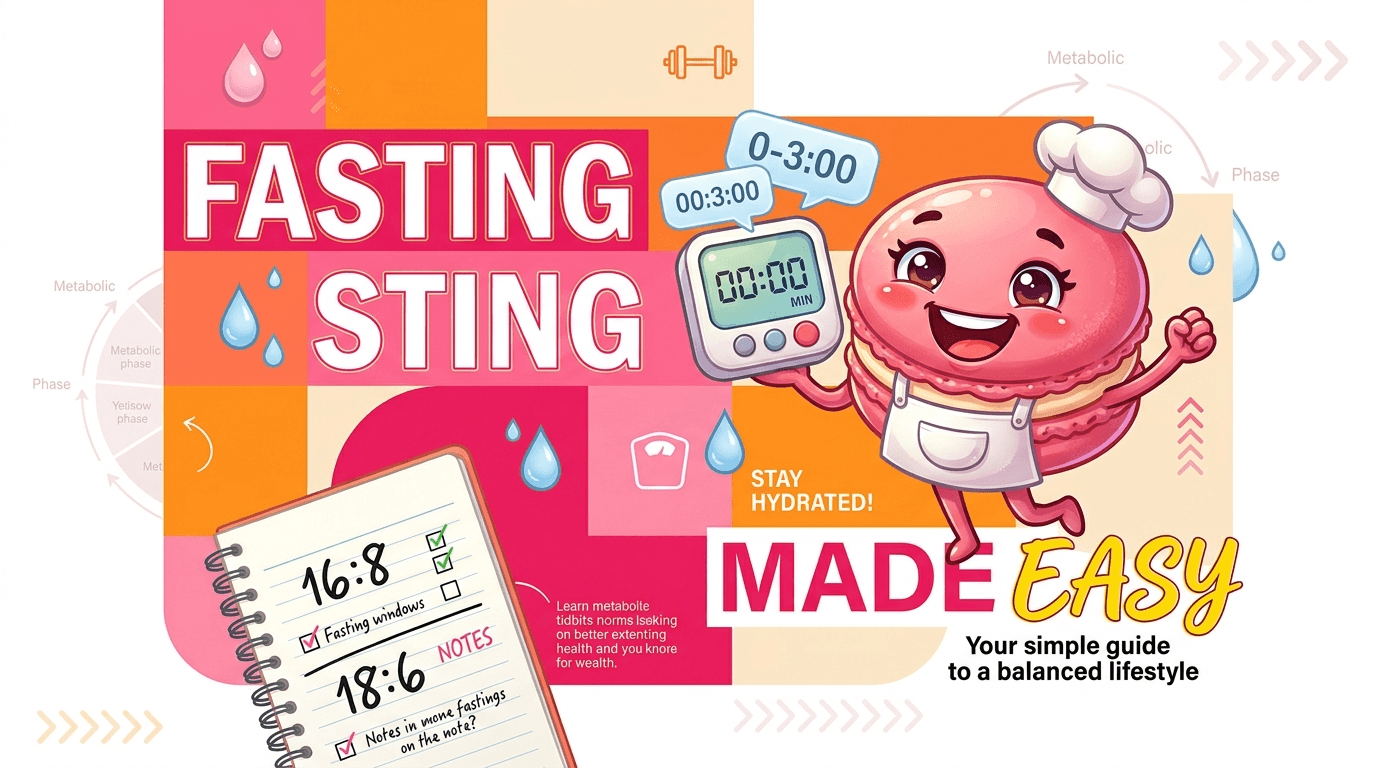
BodyFast organizes fasting around preset schedules that users can adapt to their routine, such as 16:8 or 18:6 patterns. The app combines a timer, reminders, and weekly coaching prompts so the plan feels more guided than a basic stopwatch. It also includes water and weight tracking, which helps users connect fasting windows to daily habits. The main limitation is flexibility: people with changing shifts or irregular meal times may find the structure less forgiving than they expect.
Bodyfast's Personalization Features
The paid Coach tier is designed to make fasting feel individualized, but the experience depends on how much adaptation a user expects. In practice, the app mainly adjusts fasting duration and suggests weekly changes rather than building a full nutrition strategy. Some users appreciate the accountability and simple guidance, while others feel the content is repetitive or too generic. That makes BodyFast better for timing-based coaching than for people who want meal-level personalization or broader lifestyle support.
More About Bodyfast App Review
BodyFast’s free version covers the basics well enough for users who only need a fasting timer and simple progress tracking. That makes it accessible for testing the app before paying, but it also means the most useful coaching features sit behind a subscription. The result is a clear split between casual users who want a timer and committed fasters who may need more guidance.
The premium Coach plan adds weekly plan updates, motivational prompts, and recipe content, but the value depends on whether users find the coaching genuinely tailored. Some people like the structure because it removes guesswork, while others feel the advice is too generic to justify recurring fees. That tension is central to BodyFast’s appeal: it is useful when the user wants discipline, less so when they want depth.
BodyFast integrates with Apple Health and Google Fit, which helps it fit into a broader tracking setup without becoming a full health hub. Users can sync weight-related data, but the app does not offer meaningful meal logging or macro analysis. That keeps the interface focused and simple, though it also means users must switch apps if they want nutrition planning alongside fasting. Another useful Macaron comparison is AI Calorie Tracker: How It Works and What to Expect - Macaron at https://macaron.im/blog/ai-calorie-tracker-explained.
Engagement features such as challenges, water reminders, and educational prompts make the app feel more active than a plain timer. These additions can help beginners stay consistent during the first few weeks, when motivation is often the biggest obstacle. Still, they are support features rather than core differentiators, and they do not fully solve the need for more flexible planning or better cancellation transparency. For a broader Macaron context, How Macaron AI Tackles the Problem with Traditional Task Lists at https://macaron.im/blog/macaron-ai-daily-planning-guide can help you compare the decision from another angle.
BodyFast’s biggest competitive advantage is specialization. It is built for users who want fasting guidance without the clutter of calorie counters, recipe databases, or meal planners. The tradeoff is obvious: the app stays focused, but that focus limits its usefulness once fasting becomes only one part of a larger health routine. Apps like Macaron are stronger when users want fasting plus food tracking in one place.

Bodyfast Pricing
BodyFast uses a freemium model, with the free tier covering basic fasting tools and the Coach subscription unlocking personalized planning. Pricing varies by region, which can make it harder to compare value across markets, and that uncertainty is part of the criticism users raise. The main concern is not just cost, but clarity: some reviewers say the upgrade path and auto-renewal terms are easy to miss. For users who only need a timer, the free version may be enough; for everyone else, the recurring fee is the real decision point.
Macaron vs Bodyfast: Beyond Fasting
BodyFast is strongest when the only goal is to follow a fasting schedule, but Macaron is built for users whose routine includes more than timing meals. Macaron combines fasting support with meal planning, food logging, and macro tracking, which makes it more practical for people managing dietary goals, training, or specific nutrition needs. The tradeoff is that Macaron is broader and may feel less minimal than a dedicated fasting app. For users who want a simple fasting-only experience, BodyFast can still be the cleaner choice.
Frequently Asked Questions
BodyFast is a solid option for people who want a structured intermittent fasting app with reminders and weekly plan changes. Its fasting tools are functional, and beginners may appreciate the guidance. The downside is that user trust is weakened by recurring complaints about billing, cancellation, and subscription clarity. If you only want fasting support, it can work well; if you want broader nutrition features or a smoother payment experience, alternatives may be easier to live with.
BodyFast has a free tier that includes basic fasting timers and simple tracking, so you can try the core workflow without paying. However, the more personalized coaching features are part of the paid Coach subscription. That split is important because the app’s marketing can make the premium layer seem more central than it is. If you only need a timer, free may be enough. If you want adaptive plans, you should expect a recurring subscription.
Yes, BodyFast is mainly a fasting app. It includes supporting tools like water tracking, weight logging, and educational prompts, but it does not try to handle meal planning, food logging, or macro tracking in a meaningful way. That narrow focus is useful if you want a clean fasting workflow without extra clutter. It is less helpful if your health goals include nutrition quality, calorie awareness, or diet management beyond fasting windows.
Macaron is a broader alternative because it combines fasting support with meal planning, food logging, and macro tracking. That makes it a better fit for users who want fasting to sit inside a larger nutrition routine rather than stand alone. If you only want a simple fasting timer, BodyFast may feel more focused. If you want one app to support both fasting and everyday eating decisions, Macaron is the more flexible choice.
BodyFast pricing varies by region, and that makes it harder to quote a single universal monthly cost. The app’s paid Coach plan is typically positioned as a recurring subscription, while the free version covers only basic fasting tools. The practical question is whether the coaching features are worth paying for. If you are comparing value, look closely at the renewal terms and whether the premium layer adds enough personalization for your routine.
BodyFast can be worth trying for beginners because it reduces the effort of building a fasting plan from scratch. The weekly guidance and reminders can make the first few weeks easier to manage. The tradeoff is that beginners may outgrow the app if they later want meal tracking or more detailed nutrition support. It is best for users who want a simple, fasting-first onboarding experience rather than a full health platform. For a third-party check, FAQ - BodyFast at https://www.bodyfast.app/en/faq is worth comparing against the page summary.
Yes, BodyFast can sync with Apple Health and Google Fit, which helps it fit into a larger tracking setup. That is useful if you already use a wearable or health platform for weight-related data. The limitation is that the app does not connect deeply with meal trackers, so the sync is more about basic health data than complete nutrition management. It is a helpful integration, but not a substitute for a broader food-tracking workflow. For another outside reference, BodyFast: Intermittent Fasting - Overview - Apple App Store - US at https://app.sensortower.com/overview/1189568780?country=US adds a second perspective.
The most common complaints focus on billing, subscription management, and cancellation difficulty. Some users also say the coaching feels less personalized than expected, especially compared with the app’s marketing. On the product side, the fasting timer and weekly plans are generally seen as functional, but the trust issues around payment can overshadow those strengths. That is why many users compare it with simpler free apps or broader alternatives before subscribing.app is a useful reference point.app is a useful reference point.app is a useful reference point.app is a useful reference point.app is a useful reference point. For outside context, Read Customer Service Reviews of www.bodyfast.app - Trustpilot at https://www.trustpilot.com/review/www.bodyfast.app is a useful reference point.
Read & discover
AI Personal Assistant
Free calculators


