Fastic App
Fastic blends intermittent fasting tracking with lifestyle coaching and community features, but its subscription model and broad focus may not suit everyone. Here's how it compares to more personalized AI health tools.
How Fastic's Fasting Tracker Works
Fastic positions itself as more than a timer: it combines intermittent fasting guidance, food logging, hydration reminders, and habit coaching in one app. That makes it approachable for people who want structure without building a system from scratch. The tradeoff is that the experience is intentionally broad, so users looking for precise nutrition analysis or medically oriented tracking may find the app lighter than they expect.
The app supports common fasting patterns such as 12:12, 16:8, and OMAD, and it layers in visual progress cues to keep the routine feeling manageable. Instead of focusing only on the fasting window, Fastic nudges users toward daily behaviors like drinking water, moving more, and logging meals. That holistic framing is useful for beginners, but it can feel repetitive for experienced fasters who already know their routine.
Fastic's food scanner is one of its most visible features, but it should be treated as a convenience tool rather than a nutrition-grade logger. It can estimate meals quickly, which helps reduce friction for casual users, yet the results are not as reliable as manual entry in dedicated calorie trackers. Users who care about ingredient-level accuracy, macros, or medical dietary restrictions will usually need a more specialized app. For a related Macaron page, see Macaron – World's First Personal AI Agent at https://macaron.im/.
The app's popularity comes from its beginner-friendly tone and strong onboarding, not from deep customization. It is designed to keep people engaged with reminders, educational content, and community prompts, which can be helpful when motivation is the main problem. The downside is that many of the more useful features sit behind Plus, so the free version often feels like a preview rather than a complete fasting toolkit.
For people who eventually want more than a fixed fasting framework, Fastic can become limiting. Macaron takes a different approach by letting users create custom health tools from plain-language requests, which is better for tracking multiple goals at once. That flexibility is useful for users managing symptoms, routines, or diet rules that change over time, though it offers less built-in fasting guidance than Fastic.

How Fastic's Fasting Tracker Works
Fastic centers the fasting timer, but the app is built around a broader habit loop that includes meal logging, hydration prompts, step tracking, and progress visuals. It supports common fasting schedules from beginner-friendly windows to OMAD, so users can start simple and adjust over time. The app is most useful when you want reminders and structure in one place, but it is less suited to users who need exact nutrition data or advanced metabolic tracking.
Fastic's Community and Coaching Features
Fastic adds social accountability through challenges, community prompts, and a Friends-style network that tries to make fasting feel less isolated. Its coaching content is aimed at beginners and explains concepts like ketosis, circadian rhythm, and routine building in simple language. That makes the app approachable, but users who want expert-led groups, verified coaching, or deeper discussion often outgrow it. The community layer is helpful for motivation, yet it is not a substitute for personalized guidance.
More About Fastic App
Fastic's feature set is built to reduce friction for casual fasters. The app combines a fasting timer with food logging, water tracking, and step integration so users can see a simple picture of their day without switching between tools. That convenience is the main appeal, but it also means the app is optimized for habit formation rather than detailed analysis. If you want a lightweight routine coach, it fits well; if you want precision, it can feel shallow.
The app's design leans into motivation. Progress rings, reminders, and educational prompts are meant to keep users engaged even when fasting feels repetitive. This can help beginners stay consistent during the first few weeks, especially if they need encouragement more than data. The downside is that the same nudges can become noise for experienced users, particularly when notifications and upgrade prompts start to dominate the experience.
Fastic's monetization is a major part of the product story. The free tier covers the basics, but meal plans, deeper analytics, and ad removal are tied to Plus, and pricing can vary by region or promotion. That makes the app harder to evaluate than a simple one-time purchase tool. Users who dislike subscription pressure may prefer a cleaner alternative, while users who want a guided experience may accept the paywall if they use the extras regularly. Another useful Macaron comparison is World's First Personal AI Agent - Macaron at https://macaron.im/blog.
The food scanner is useful as a speed feature, not as a replacement for careful logging. It can estimate calories from images and reduce the effort of recording meals, but it is not ideal for bodybuilding, clinical diets, or users who need exact macro counts. In practice, it works best for people who want a rough trend line and a lower-friction way to stay aware of eating patterns. Manual logging still wins when accuracy matters. For a broader Macaron context, World's First Personal AI Agent - Macaron at https://macaron.im/qa can help you compare the decision from another angle.
Macaron takes a more adaptive path by letting users build tools around the problem they actually have, not just the fasting method they started with. That is a strong fit for people who want to track symptoms, meal triggers, or changing routines alongside fasting. The tradeoff is that Macaron is less prescriptive, so users who want a ready-made fasting curriculum may prefer Fastic's structure. The two apps solve different levels of need.
Fastic Pricing in 2025
Fastic uses a freemium model with a free core timer and paid Plus features layered on top. Pricing can differ by country, promotion, and trial flow, with users reporting offers that range from low monthly entry points in some regions to higher standard pricing elsewhere. Plus typically unlocks meal plans, deeper insights, and ad removal. The main drawback is that the app can feel fragmented, since some educational content and challenge features are also pushed behind the paywall.
A Smarter AI Fasting Alternative
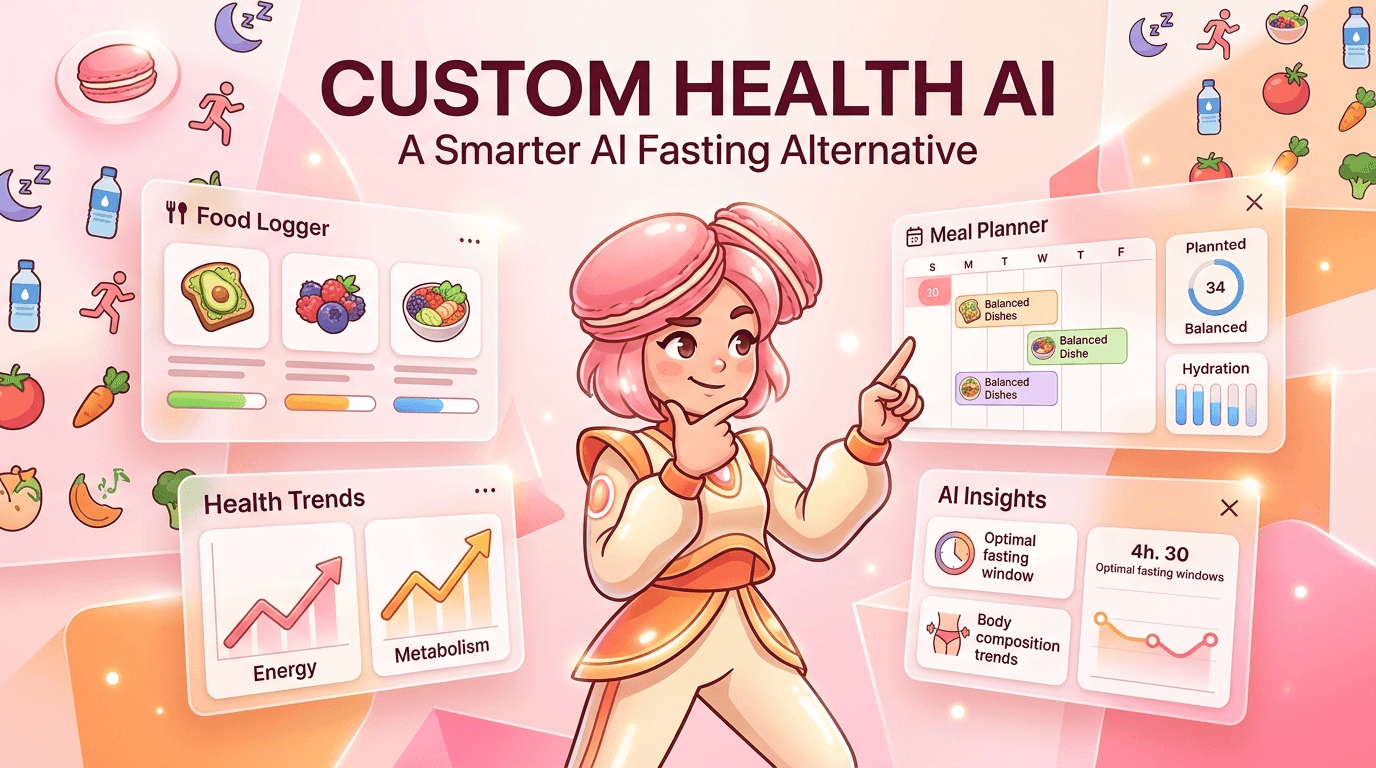
Macaron is less of a fasting app and more of a customizable health assistant. Instead of forcing users into a fixed framework, it can generate tools for meal planning, symptom logging, trigger tracking, or routine management from a simple prompt. That makes it useful for people whose health goals extend beyond fasting alone. The tradeoff is that Macaron offers less built-in coaching and fewer preset fasting lessons, so beginners may need to define their own structure.
Frequently Asked Questions
Fastic is a solid choice for beginners who want a guided intermittent fasting app with reminders, basic tracking, and a motivating interface. It is especially useful if you like having food logging and hydration prompts in the same place. The main limitation is depth: nutrition tracking is fairly light, and many of the more useful features sit behind the paid tier. Experienced users often prefer apps with cleaner analytics or more flexible customization.
Fastic has a free version, but it is best understood as a starter tier rather than a full product. The core fasting timer and some basic tracking are available without paying, while meal plans, deeper insights, and ad removal are usually part of Plus. In practice, the app frequently nudges users toward upgrading, so the free experience can feel limited if you want more than simple fasting reminders.
It depends on what you want from a fasting app. Fastic is broader and more lifestyle-oriented, with food logging, hydration reminders, and community features. Zero is usually the better fit if you want a cleaner fasting experience with a stronger focus on analytics and less clutter. Fastic is friendlier for beginners who want encouragement, while Zero tends to appeal to users who care more about precision and a simpler interface.
Macaron is a better fit for users who want to track more than fasting. It can create custom tools for symptoms, meal triggers, routines, or other health goals from plain-language requests, which makes it more adaptable than a fixed fasting app. The tradeoff is that Macaron gives less hand-holding for fasting beginners, so users who want a ready-made intermittent fasting curriculum may still prefer Fastic.
Fastic can also track meals, water intake, steps, and general progress, depending on how much of the app you use. That broader setup is meant to support habit change rather than just fasting windows. It is helpful if you want a simple overview of daily wellness behaviors, but it is not as detailed as a dedicated calorie counter or a clinical nutrition app.
Fastic's food scanner is useful for quick estimates, but it should not be treated as highly precise. It works best when you want a fast way to log a meal and keep moving. If you need exact calories, macros, or ingredient-level detail, manual entry in a dedicated nutrition app is usually more reliable. The scanner is a convenience feature, not a substitute for careful tracking. For a third-party check, Fastic Weight Loss & Fasting - Overview - Apple App Store - US at https://app.sensortower.com/overview/1459260306?country=US is worth comparing against the page summary.
Yes. Fastic is built with beginners in mind, and its onboarding, reminders, and educational content make it easy to start a fasting routine. The app explains common fasting methods in simple terms and tries to keep users consistent through habit prompts. The downside is that beginners may become dependent on the app's structure, so users who want more flexibility may eventually outgrow it. For another outside reference, Fastic Weight Loss & Fasting - ScreensDesign at https://screensdesign.com/showcase/fastic-ai-food-calorie-scanner adds a second perspective.
The biggest downside is the combination of subscription pressure and limited depth. Users often report frequent upgrade prompts, and some of the more useful features are locked behind Plus. On top of that, the nutrition tools are not as detailed as those in specialized food trackers. Fastic is good at making fasting feel manageable, but it is less compelling if you want a long-term, highly customizable health system.com/ is a useful reference point.com/ is a useful reference point.com/ is a useful reference point.com/ is a useful reference point.com/ is a useful reference point. For outside context, Lose weight with Fastic - Intermittent Fasting & Food Tracker App at https://fastic.com/ is a useful reference point.
Read & discover
AI Personal Assistant
Free calculators


