Foodvisor Reviews
Foodvisor's 15K App Store reviews show users love the photo-scanning convenience but debate its accuracy for complex meals and $9.99/month value. The 4.6/5 rating hides nuanced tradeoffs.
What Foodvisor Users Love
Foodvisor reviews consistently praise the app for removing friction from meal logging. Users who dislike typing every ingredient often say the photo scanner makes tracking feel manageable on busy days, especially for simple breakfasts, lunches, and packaged snacks. That convenience is the core reason many people keep using it after the first week, even when they know the estimates are not perfect.
The interface is another recurring strength in reviews. People describe the app as clean, visually calm, and easier to stick with than dense calorie counters that front-load charts and macros. Motivational prompts and guided feedback help some users feel supported rather than judged, which matters for beginners or anyone trying to build a more consistent food-tracking habit without feeling overwhelmed.
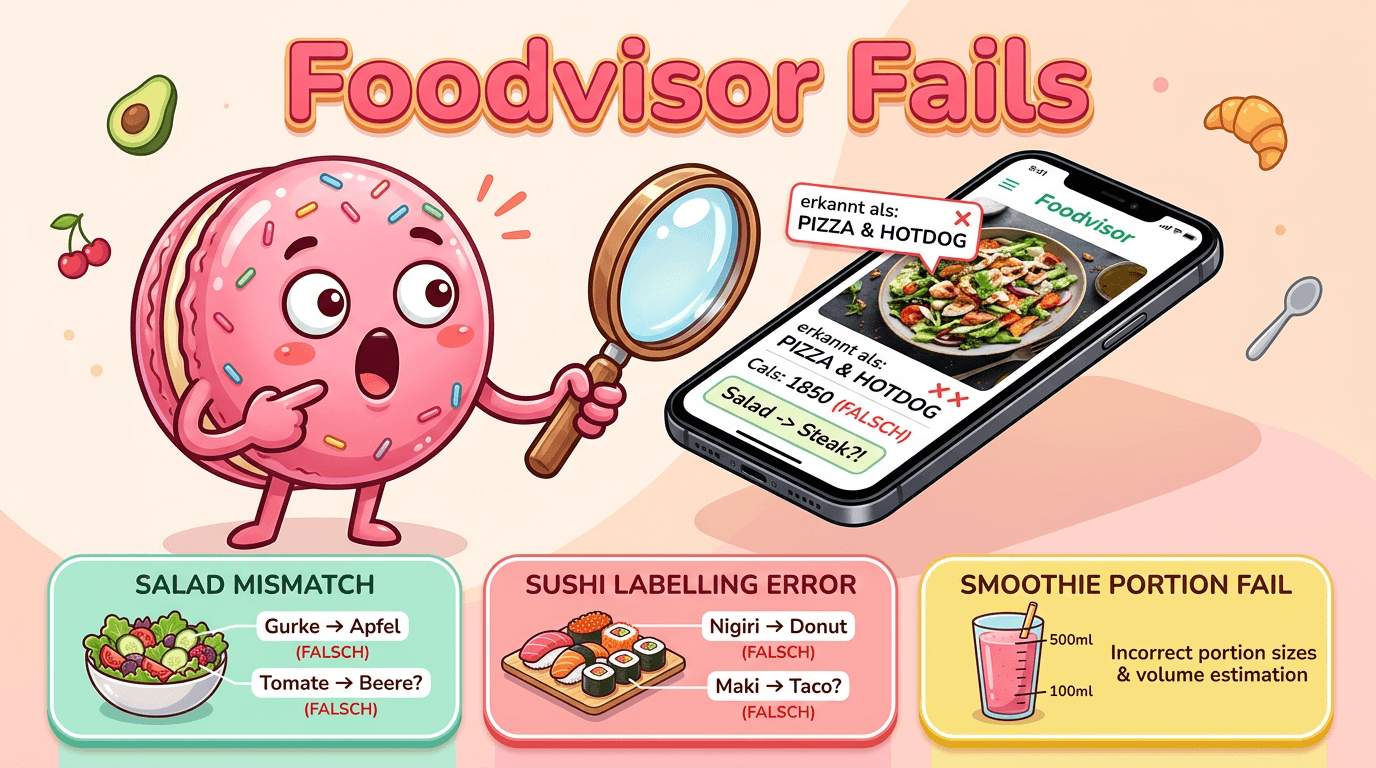
Accuracy feedback is more mixed, and the pattern is consistent across user comments. Foodvisor tends to perform better with clearly separated foods and packaged items than with layered bowls, stir-fries, salads, or homemade recipes. Reviewers often accept that tradeoff when they want speed, but they become frustrated when the app misreads ingredients or underestimates portions on meals where precision matters more. For a related Macaron page, see AI Personal Assistant - Macaron AI at https://macaron.im/ai-personal-assistant.
Subscription value is the other major debate. At $9.99 per month, some users feel the app is fair if it saves them time and keeps them engaged, while others see it as expensive for a tool that still requires manual corrections. That split is important: Foodvisor is usually judged less as a full nutrition system and more as a convenience layer on top of basic tracking.
Longer-term reviews suggest Foodvisor works best as a hybrid tool rather than a fully automatic one. Users who combine the scanner with manual edits often report better outcomes than those who expect the app to get everything right on its own. That makes it useful for people who want a low-friction starting point, but less compelling for users who need deep nutritional analysis or highly reliable meal interpretation.
What Foodvisor Users Love
The most common praise centers on speed, simplicity, and a design that lowers the effort required to log meals. Users like that they can scan a plate, confirm a result, and move on instead of searching every ingredient manually. Barcode scanning is also a practical strength for packaged foods. The tradeoff is that the app’s convenience-first approach can feel less satisfying for users who want exact macro counts, detailed micronutrients, or a system that learns their habits over time.
Common Foodvisor Complaints and Accuracy Issues
Complaints usually cluster around the same problem areas: mixed dishes, portion sizing, and foods that are visually ambiguous. Users report that salads, grain bowls, smoothies, and layered meals are harder for the scanner to interpret than simple plated foods. Some reviewers also mention cancellation and billing frustration, which makes the subscription feel riskier than the app’s polished interface suggests. Competitors with stronger manual databases or deeper nutrition tools can be better for users who prioritize control over convenience.
More About Foodvisor Reviews
Foodvisor’s review profile is shaped by a clear product philosophy: reduce the work of tracking, even if that means accepting some estimation error. That approach appeals to people who abandon more complicated apps after a few days, because the scanner and guided interface make the habit easier to maintain. It is less appealing to users who want the app to function like a nutrition analyst rather than a logging assistant.
The strongest reviews often come from people using Foodvisor for awareness, not perfection. They want a quick sense of what they ate, a rough calorie estimate, and enough feedback to stay consistent. For that audience, the app’s friendly tone and visual flow matter as much as the nutrition data. The downside is that users expecting clinical precision may feel disappointed when the app guesses wrong on ingredients or serving sizes.
Foodvisor also stands out for how it handles packaged foods and straightforward meals. Barcode scanning is a dependable fallback when the photo model is uncertain, and that gives the app a practical edge for grocery items, snacks, and repeat purchases. Where it falls behind stronger competitors is in context: it does not always explain why a meal was classified a certain way, and it can be slower to adapt to recurring dishes. Another useful Macaron comparison is AI Diet Tracker: Best Apps to Help You Eat Better - Macaron at https://macaron.im/blog/ai-diet-tracker.
Review sentiment varies by user type. Beginners often like the app because it feels approachable and encouraging, while experienced trackers are more likely to ask for deeper macro detail, better correction learning, or more advanced nutrition insights. That split explains why some users stay with Foodvisor for months while others switch after a short trial. The app is strongest when the goal is habit formation, not exhaustive analysis. For a broader Macaron context, Best Free AI Calorie Trackers in 2026 - Macaron at https://macaron.im/blog/best-free-ai-calorie-trackers can help you compare the decision from another angle.
Macaron becomes relevant for users who want more contextual interpretation rather than repeated scanning. Where Foodvisor focuses on identifying what is on the plate, Macaron is better suited to understanding meal patterns, timing, and recurring context. That difference matters for people who eat similar meals often or want the app to adapt to routines. Foodvisor still has an edge in its simple, familiar scanning flow, but Macaron is stronger for users who want smarter interpretation.
Foodvisor's App Store Rating
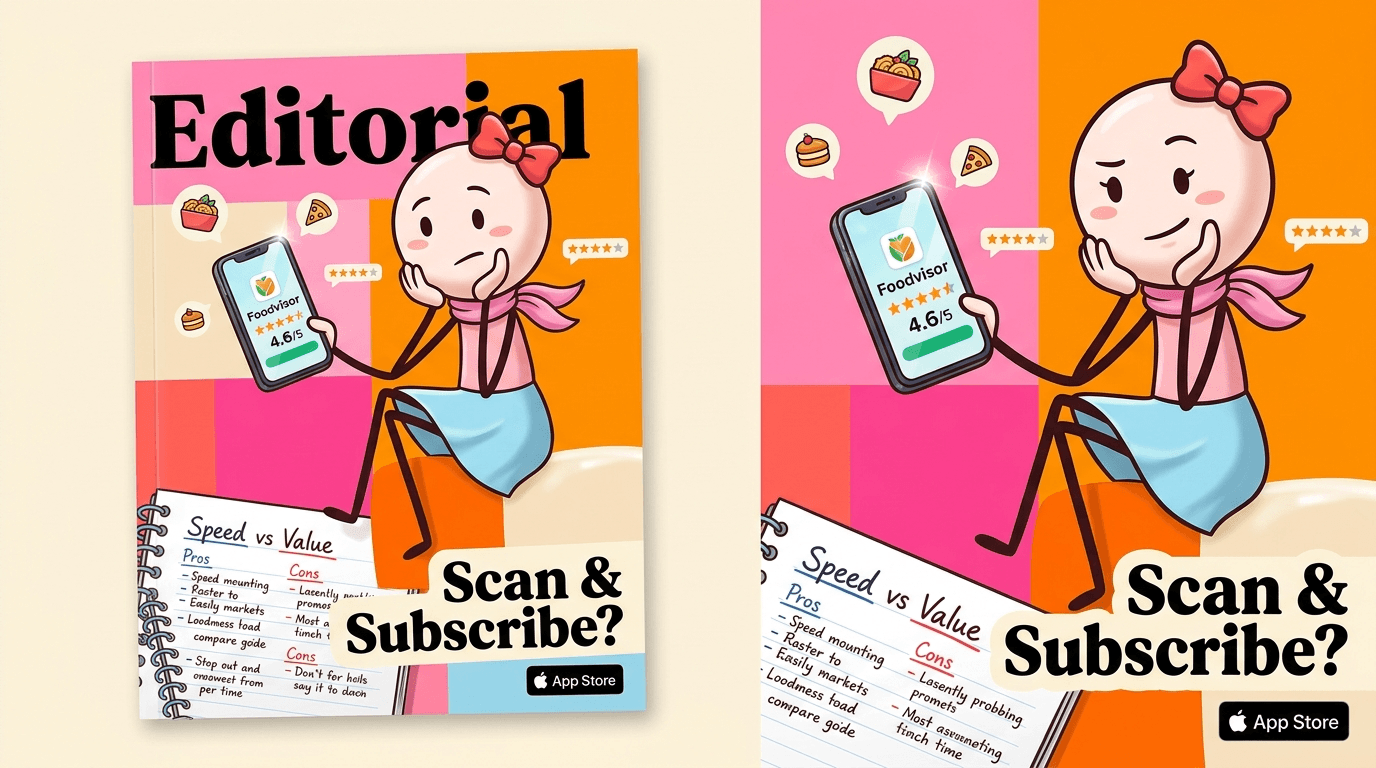
The 4.6/5 average from roughly 15K ratings reflects a product that satisfies many casual users while frustrating a meaningful minority. Positive reviews usually praise the speed of logging, the polished interface, and the low learning curve. Negative reviews tend to focus on subscription value, inconsistent recognition for complex meals, and the feeling that the app does not improve enough after manual corrections. In practice, the rating suggests strong first impressions, but not universal trust for precision-focused tracking.
What Users Switched To
Users who leave Foodvisor usually do so for one of three reasons: they want a free or cheaper tracker, they need more detailed nutrition data, or they want smarter AI that understands meal context. Free apps can be better for budget-conscious users who only need basic logging. Cronometer is often preferred by users who care about micronutrients and precision. Macaron appeals to people who want contextual meal understanding and less repetitive scanning, though Foodvisor remains easier for users who mainly want a fast visual log.
Frequently Asked Questions
Mostly yes, but with important caveats. Many users like the app because it makes food logging faster and less tedious than manual entry tools. The criticism is not usually about the interface; it is about how well the scanner handles mixed meals, portion sizes, and subscription value. If you want convenience and a friendly experience, reviews are encouraging. If you want high-precision nutrition tracking, the feedback is more mixed.
Users most often praise the photo scanner, barcode scanning, and the app’s clean, encouraging design. The experience feels lighter than many calorie counters, which helps beginners stay consistent. People also like that packaged foods are easy to log and that the app does not feel overly clinical. For users who struggle with manual tracking, that lower-friction workflow is the main reason Foodvisor gets strong reviews.
The biggest complaints are accuracy, portion estimates, and subscription value. Mixed dishes, smoothies, and layered meals are harder for the scanner to interpret, so users often need to correct entries manually. Some reviewers also feel the monthly fee is high for a tool that still makes frequent guesses. A smaller but recurring complaint is that billing or cancellation can be frustrating, which makes the paid plan feel less flexible.
It is usually better for beginners or casual trackers. New users often appreciate the guided feel, simple interface, and quick logging workflow because it reduces the barrier to starting. Experienced trackers are more likely to notice where the app falls short, especially if they want detailed macro control, micronutrients, or more reliable recognition for complex meals. So Foodvisor is strongest as an entry point, not necessarily as a long-term power-user tool.
Accuracy is generally better for simple, visible foods and packaged items than for mixed or culturally specific dishes. Users commonly report that the scanner does fine when ingredients are easy to separate, but struggles when foods overlap or share similar visual cues. That means the app can be useful for rough tracking, but it should not be treated as exact. Manual review still matters if you care about tighter calorie or macro estimates.
It depends on what you value. If the scanner helps you log consistently and you prefer a polished, low-stress experience, the subscription can feel reasonable. If you want deep nutrition analysis or highly accurate meal recognition, the price is harder to justify because you may still need to edit entries often. In that case, a more detailed tracker or a free alternative may be a better fit. For a third-party check, The Pros and Cons of Foodvisor - Food and Health Communications at https://www.foodandhealth.com/blog/the-pros-and-cons-of-foodvisor is worth comparing against the page summary.
Macaron is a broader alternative for users who want contextual AI rather than just image-based logging. Instead of only identifying foods, it is better suited to understanding meal patterns, timing, and recurring habits. That makes it more useful for people who eat similar meals often or want the app to adapt to their routine. Foodvisor can still be simpler for quick scans, but Macaron is stronger when context matters. For another outside reference, Read Customer Service Reviews of foodvisor.io - Trustpilot at https://www.trustpilot.com/review/foodvisor.io adds a second perspective.
People who want fast, low-effort tracking benefit most. That includes beginners, busy users, and anyone who wants awareness without spending a lot of time entering data. It also works well for packaged foods and straightforward meals. Users who need exact nutrition data, advanced macro planning, or better handling of complex recipes may be better served by more detailed competitors.com/foodvisor-review is a useful reference point.com/foodvisor-review is a useful reference point.com/foodvisor-review is a useful reference point.com/foodvisor-review is a useful reference point.com/foodvisor-review is a useful reference point. For outside context, Foodvisor Review (2026): My Firsthand Experience at https://www.garagegymreviews.com/foodvisor-review is a useful reference point.
Read & discover
AI Personal Assistant
Free calculators


