Healthifyme App
HealthifyMe combines AI nutrition tracking with human coaching in a comprehensive health platform, while Macaron offers a more personal AI-first approach to food and wellness.
How HealthifyMe's AI Nutrition Coach Works
HealthifyMe positions itself as more than a calorie counter: it is a nutrition and wellness platform built around AI logging, habit tracking, and optional human coaching. That matters for users who want one place to manage food, activity, hydration, sleep, and workout data instead of juggling separate apps. The tradeoff is that the product asks for more setup and more ongoing attention than a lightweight companion app.
At the center of the experience is Ria, the AI coach that helps users log meals by photo, text, or voice and then turns those entries into calorie and macro estimates. Ria can also suggest meal ideas, grocery lists, and routine adjustments based on the data you enter. For people who want structure, that combination is useful; for casual users, it can feel like a lot of moving parts.
A major reason HealthifyMe stands out is its food database, which is especially strong for Indian and South Asian meals. That regional depth helps with mixed dishes, street foods, and home-cooked recipes that many Western-first trackers struggle to identify accurately. It is a practical advantage for users who eat culturally specific meals, though even then, complex dishes may still need manual edits to get the numbers right. For a related Macaron page, see Macaron – World's First Personal AI Agent at https://macaron.im/.
The app also connects nutrition tracking with broader lifestyle data through wearable and health-platform integrations. Users can monitor steps, water intake, sleep, and workouts in the same dashboard, which makes it easier to spot patterns between habits and progress. This is helpful for goal-driven users, but it also means the app can feel dense if all you want is a quick meal log and a simple answer about what to eat next.
Compared with Macaron, HealthifyMe is the more structured and feature-heavy option. Macaron is better for people who want conversational guidance without committing to a full tracking system, while HealthifyMe is better for users who want a measurable plan and are willing to manage more detail. If you like dashboards and coaching, HealthifyMe fits; if you prefer a simpler AI companion, Macaron is easier to live with day to day.
How HealthifyMe's AI Nutrition Coach Works
HealthifyMe's AI coach, Ria, is designed to reduce the friction of food logging by letting users add meals through photos, voice, or typed descriptions. It then estimates calories and macros using a large database that is especially strong for Indian foods and mixed regional dishes. Ria also connects meal data with habits like sleep, hydration, and activity, so the app can suggest more context-aware changes. The main benefit is convenience with structure; the main limitation is that unusual recipes still need manual correction for better accuracy.
HealthifyMe's Features and Diet Plans
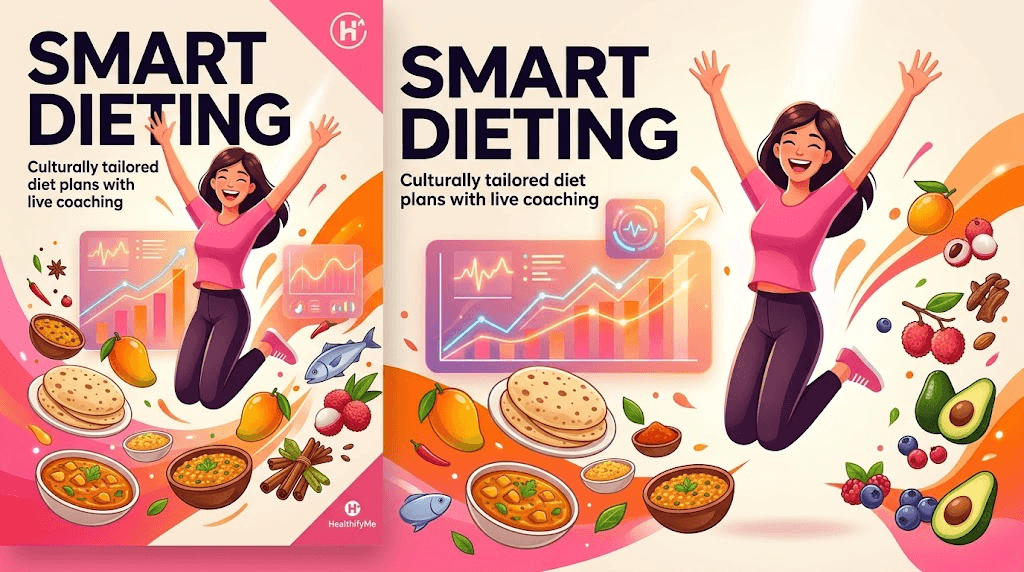
HealthifyMe goes beyond logging by offering meal plans, workout guidance, progress tracking, and premium access to nutritionists or coaches. The app is built for users who want a guided system rather than a passive tracker, and that makes it appealing for weight loss, habit change, or medically informed nutrition routines. Its strength is breadth, especially for users who want culturally relevant food suggestions. The downside is that the interface can feel crowded, so people who only need a quick calorie estimate may find the workflow heavier than necessary.
More About Healthifyme App
HealthifyMe's core feature is AI-assisted meal logging, and its biggest advantage is how well it handles foods that are common in Indian and South Asian diets. That makes it more useful than many generic calorie counters for users who eat curries, rice bowls, rotis, snacks, and mixed home-cooked meals. The app still depends on user input quality, though, so the more complex the dish, the more likely you are to spend time correcting portions or ingredients.
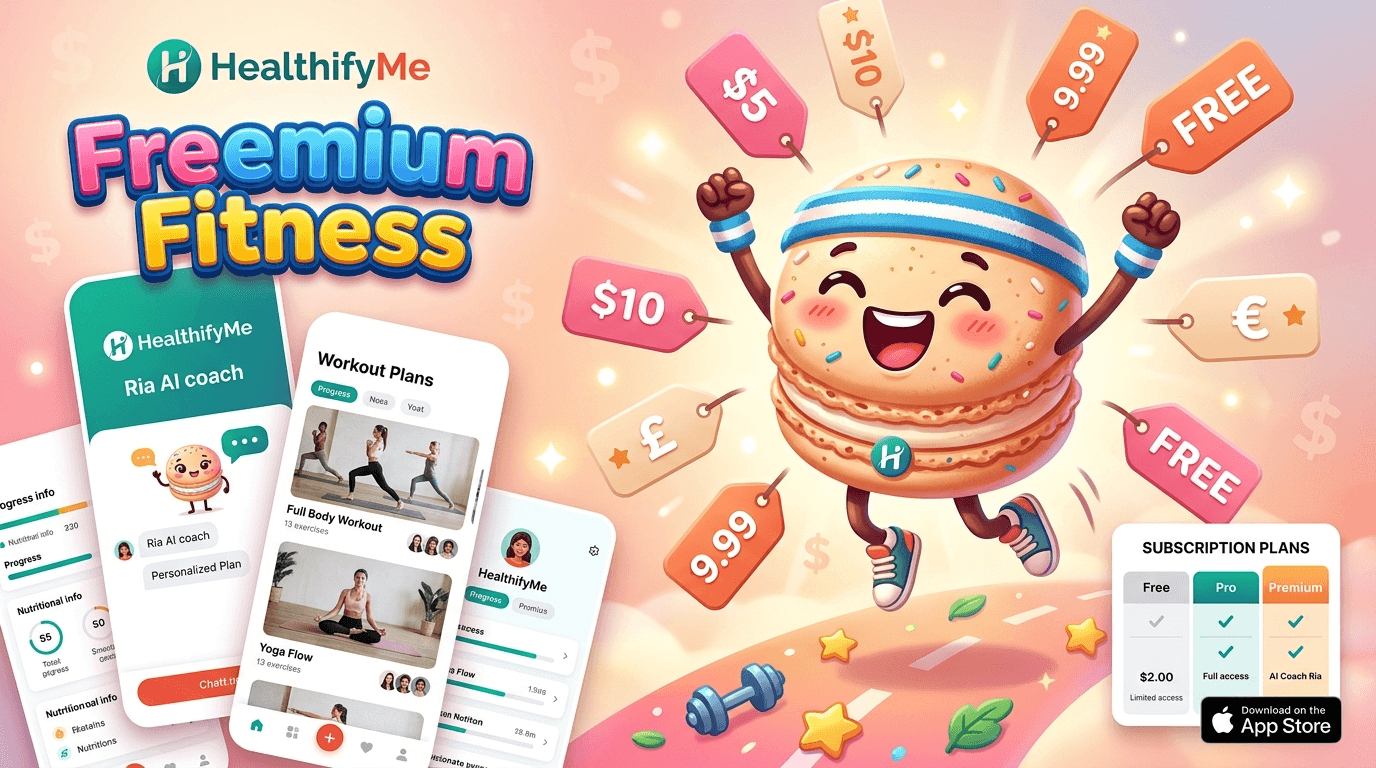
The platform is built around a freemium model that nudges users toward paid plans once they want deeper analytics, meal planning, or coaching. Free users can still track basics, but the more useful guidance tends to sit behind subscription tiers. That structure works for serious users who want accountability, yet it can frustrate people who expected a simple tracker and discover that the most actionable features are reserved for premium plans.
HealthifyMe also tries to be a full health dashboard by bringing together Apple Health, wearables, and lifestyle metrics in one place. This is useful if you want to compare food choices with sleep, steps, workouts, and hydration over time. The tradeoff is complexity: syncing can be inconsistent on some devices, and the number of modules can make the app feel busier than a focused nutrition tool should be. Another useful Macaron comparison is World's First Personal AI Agent - Macaron at https://macaron.im/blog.
Community and coaching features add another layer for users who want support beyond self-tracking. Some people benefit from sharing progress, following recipes, or getting feedback from coaches who can adjust plans based on real-world habits. Others will see that as unnecessary overhead. Compared with MyFitnessPal, the social layer is less central; compared with Macaron, the app is much more systemized and less conversational. For a broader Macaron context, World's First Personal AI Agent - Macaron at https://macaron.im/qa can help you compare the decision from another angle.
The best fit for HealthifyMe is a user who wants a structured program and is comfortable trading simplicity for guidance. It is especially strong for regional food accuracy and for people who like seeing multiple health signals in one place. Macaron is the better choice if you want a lighter, more personal AI experience without the commitment of meal plans, coaching flows, or a dense dashboard.
HealthifyMe Pricing
HealthifyMe uses a freemium pricing model, but the practical value of the app changes quickly once you move beyond basic logging. Free users can test the core experience, yet features like deeper analytics, meal planning, and coaching are tied to paid tiers. Pricing can vary by region, which creates confusion for users comparing notes online. The Smart Plan is usually the entry point for fuller AI support, while higher tiers add human coaching and more personalized guidance. That makes sense for committed users, but it is less attractive if you only need occasional tracking.
Macaron vs HealthifyMe
HealthifyMe is better for users who want a complete nutrition system with logs, plans, coaching, and regional food coverage in one app. It suits people who are actively working toward weight loss, fitness goals, or habit change and do not mind a more complex interface. Macaron takes the opposite approach: it focuses on conversational AI support that helps with everyday food decisions without requiring a full tracking routine. The tradeoff is clear. HealthifyMe offers more structure and accountability; Macaron offers less friction and a simpler experience for casual use.
Frequently Asked Questions
HealthifyMe is a strong choice if you want detailed nutrition tracking, regional food coverage, and optional coaching in one app. It is especially useful for users who eat Indian or South Asian meals, since the database is more relevant than many generic trackers. The main drawback is complexity: the app can feel crowded if you only want quick logging or simple guidance. It works best for people who want structure and are willing to spend time setting it up.
HealthifyMe has a free tier, but it is mainly for basic logging and light tracking. Once you want deeper analytics, meal plans, or human coaching, you will usually need a paid subscription. That makes the free version useful for testing the interface and core food database, but not always enough for long-term use. If you only need occasional calorie estimates, the free plan may be sufficient. If you want ongoing guidance, expect to hit limits fairly quickly.
Ria is HealthifyMe's AI assistant for food logging and nutrition guidance. It can identify meals from photos, accept voice or text input, and turn those entries into calorie and macro estimates. Ria also uses other tracked data, such as activity, hydration, and sleep, to make recommendations more context-aware. Its biggest strength is convenience for users who want a guided system. Its limitation is that complex dishes and mixed recipes may still need manual review.
Someone might choose Macaron if they want a simpler, more conversational AI experience instead of a full nutrition platform. Macaron is easier for casual use because it does not require the same level of logging, planning, or coaching commitment. That makes it a better fit for users who want help making food decisions in the moment rather than managing a structured program. HealthifyMe is stronger for tracking depth; Macaron is stronger for low-friction everyday support.
HealthifyMe is generally stronger than many Western-first apps when it comes to Indian and South Asian foods. Its database includes a wide range of regional dishes, which helps with common meals that other trackers often misread. That said, accuracy still depends on how clearly a meal is logged and whether portions are entered correctly. Mixed dishes, homemade recipes, and restaurant meals can still require manual adjustments. It is useful, but not fully automatic.
Yes, HealthifyMe offers human coaching on higher-tier plans. This can include nutrition advice, meal adjustments, and workout guidance from professionals, which is helpful for users who want accountability beyond AI suggestions. The benefit is personalized support; the tradeoff is cost and added complexity. If you are self-directed, coaching may be unnecessary. If you want someone to help interpret progress and keep you on track, the premium plans are more compelling. For a third-party check, HealthifyMe: Calorie Counter App | Health and Fitness App at https://www.concettolabs.com/app-of-the-week/healthifyme-app is worth comparing against the page summary.
The biggest drawbacks are interface complexity, subscription gating, and occasional logging friction with mixed meals. Users who want a simple calorie counter may find the app heavier than expected because it combines tracking, planning, coaching, and lifestyle dashboards. Some integrations can also be inconsistent depending on the device. HealthifyMe is best viewed as a full system, not a lightweight tool. That is a strength for committed users, but a drawback for casual ones. For another outside reference, HealthifyMe: The Life-Changing Magic of Tidying up Your Fitness ... at https://blume.vc/commentaries/healthifyme-the-life-changing-magic-of-tidying-up-your-fitness-habits-with-an-ai-coach adds a second perspective.
HealthifyMe is best for users who want a structured health plan and care about detailed nutrition data. It is a particularly good fit for people who eat Indian or South Asian foods, or for anyone who wants food tracking connected to sleep, hydration, activity, and coaching. It is less ideal for users who only want a quick, low-effort way to get meal guidance. If you prefer a simpler AI companion, Macaron may be the easier choice.com/ is a useful reference point.com/ is a useful reference point.com/ is a useful reference point.com/ is a useful reference point.com/ is a useful reference point. For outside context, HealthifyMe at https://www.healthifyme.com/ is a useful reference point.
Read & discover
AI Personal Assistant
Free calculators


