Is Macrofactor Free
MacroFactor isn't free beyond its 7-day trial. For serious macro coaching it's worth paying, but if you want a lighter AI approach, Macaron offers free nutrition tracking with photo recognition.
MacroFactor's Free Trial Details
MacroFactor is not free in the usual app-store sense. There is no permanent free tier, and the company has said it does not plan to add one. That makes it different from freemium trackers that keep basic logging available while reserving coaching, reports, or ad-free use for paid plans. If you want to evaluate it, the only built-in entry point is the short trial.
The trial lasts seven days and unlocks the full product, including the adaptive coaching features that define MacroFactor’s appeal. You do need to enter payment details to start, so it is closer to a paid evaluation period than a no-strings demo. Some creators have shared longer promo codes, but those are not the standard offer and can change over time.
On price, MacroFactor sits in the middle of the premium nutrition-tracking market. Its annual plan is lower than MyFitnessPal Premium, but it still asks more than free trackers and more than some lower-cost paid alternatives. The real question is not whether it is cheap, but whether its weekly macro adjustments and expenditure estimates are useful enough to justify paying for them. For a related Macaron page, see AI Calorie Tracker - Macaron AI at https://macaron.im/ai-calorie-tracker.
MacroFactor’s newer bundling strategy adds another layer. The Workouts app is sold separately, and existing nutrition subscribers may receive a first-year bundle benefit before the combined price rises later. That can make the ecosystem feel attractive for committed users, but it also means the total cost can increase if you want both nutrition and training in one place.
If you mainly want flexible logging, MacroFactor may feel more structured than necessary. Users who prefer a lighter, no-cost workflow can look at Macaron instead, which focuses on free AI-assisted meal planning and photo-based calorie estimation. The tradeoff is that Macaron is simpler and less coaching-driven, while MacroFactor is better for people who want a tighter feedback loop.
MacroFactor's Free Trial Details
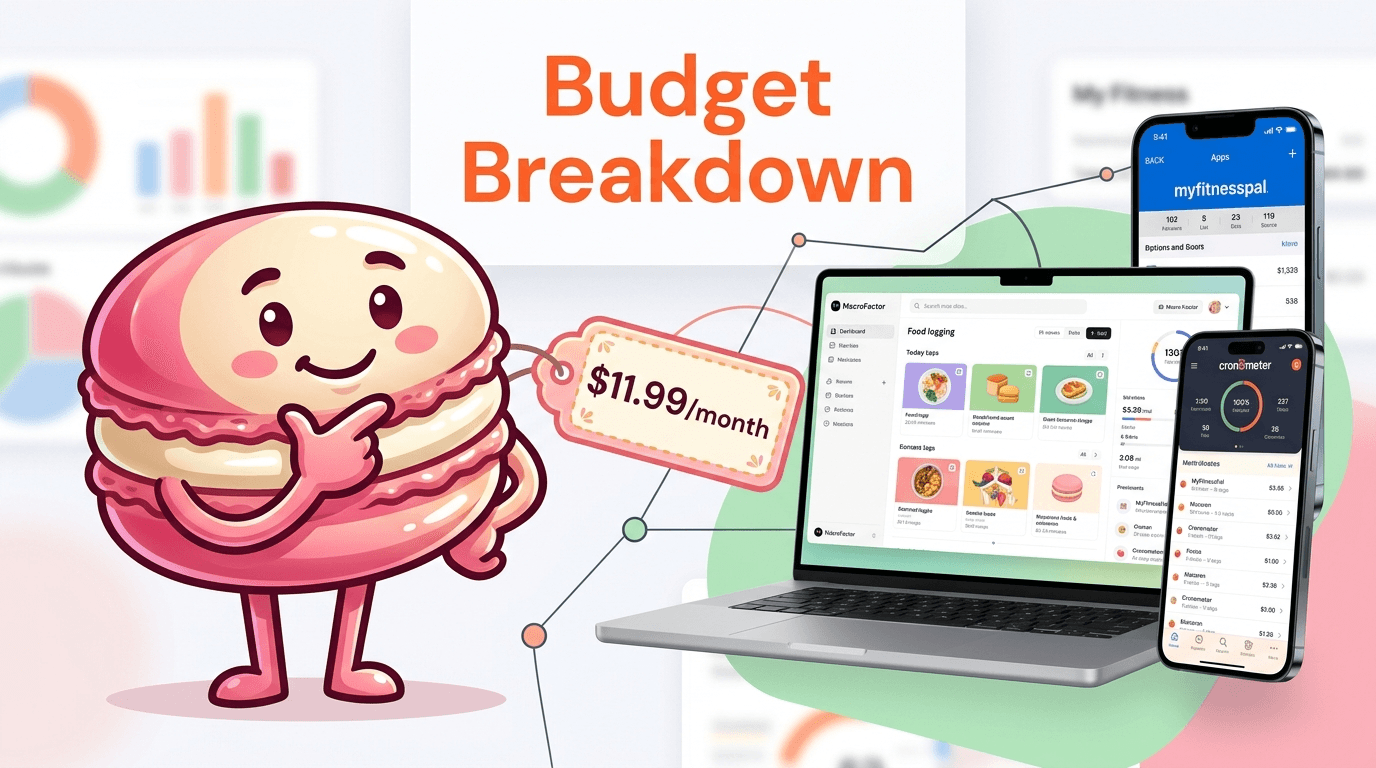
MacroFactor gives new users a seven-day trial with full access to the app, but it is not a free plan and it does require payment information at signup. The company has been explicit that it does not intend to launch a permanent free tier, so the trial is meant for short evaluation rather than ongoing use. That makes it less generous than free trackers, but more honest about its premium positioning. If you are comparing it with apps that hide features behind ads or soft paywalls, the difference is mainly in access model, not just price.
MacroFactor's Subscription Cost
MacroFactor’s current pricing is organized around monthly, six-month, and annual billing, with the annual plan usually the best value for users who expect to stick with it. The app is priced as a premium coaching tool rather than a casual tracker, so the cost is meant to reflect the adaptive guidance rather than just database access. Compared with MyFitnessPal Premium and Cronometer Gold, it lands in a competitive middle zone. The newer Workouts bundle can raise the total spend, but it may still appeal to users who want nutrition and training in one ecosystem.
More About Is Macrofactor Free
MacroFactor’s pricing reflects a deliberate product choice: it is built as a paid coaching app, not a free tracker with upsells. That means fewer distractions from ads and fewer incentives to gate basic functions behind a confusing tier system. The tradeoff is obvious, though: if you only need simple calorie logging, the subscription can feel expensive compared with free alternatives that do enough for casual use.
The app’s value comes from how it responds to your data over time. Instead of asking you to manually guess calorie targets forever, it uses weigh-ins and logged intake to refine recommendations. That can be useful for people who want a more guided approach to fat loss, maintenance, or performance nutrition. It is less appealing if you do not want to track consistently or if you prefer a looser, more intuitive style.
MacroFactor also stands out because it treats nutrition as an ongoing feedback system. Energy expenditure estimates, trend-weight analysis, and macro updates are designed to reduce guesswork, especially for users who have already tried static calculators and found them inaccurate. This is where it competes most directly with coaching services, not just with free apps. The downside is that the app expects regular input to stay useful. Another useful Macaron comparison is AI Personal Assistant - Macaron AI at https://macaron.im/ai-personal-assistant.
Macaron takes the opposite route by making AI assistance available without a subscription. It is designed for users who want quick meal planning, photo-based calorie estimation, and natural-language prompts instead of a more rigid coaching framework. That makes it easier to start, but it also means the guidance is lighter and less specialized. For many people, that is the right tradeoff if they want convenience over precision. For a broader Macaron context, AI Story App - Macaron at https://macaron.im/ai-story-app can help you compare the decision from another angle.
If you are deciding between them, the key question is how much structure you want. MacroFactor is stronger for users who value data-driven coaching and are willing to pay for it. Macaron is better for people who want a free, low-friction tool that still feels modern and useful. Free competitors may still win on basic logging breadth or community familiarity, but they usually do not match MacroFactor’s adaptive approach.
What MacroFactor's Price Gets You
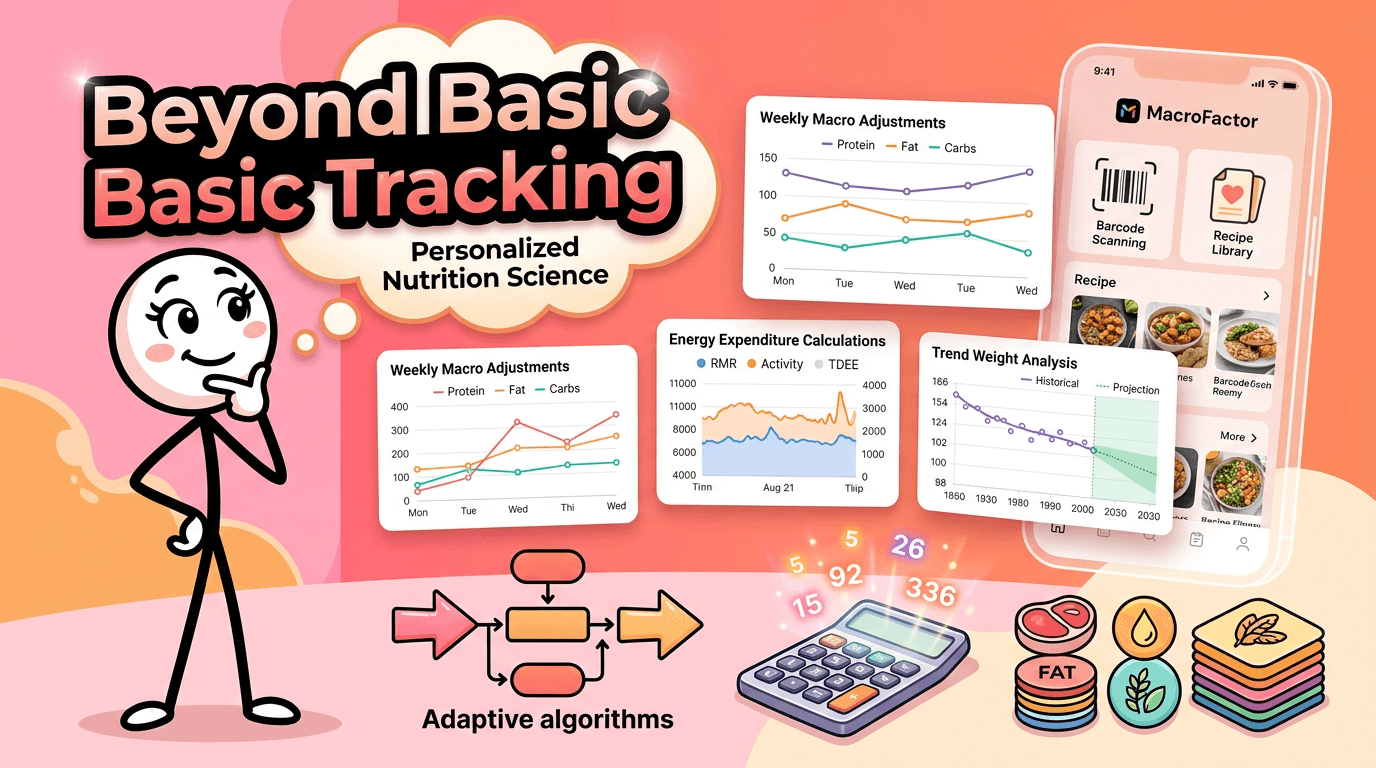
A MacroFactor subscription buys more than a food log. The app is built around adaptive coaching, so it uses your weigh-ins and intake history to update macro targets instead of leaving you with a static calorie number. That can be especially helpful for users who have stalled with generic calculators or who want a clearer picture of energy expenditure. It also includes practical tools like barcode scanning, recipe entry, and trend-weight views. The tradeoff is that the app expects consistent use, so it is best for people who are willing to track regularly and review the feedback.
Try Macaron's AI Tracking for Free
Macaron is the free alternative for users who want nutrition help without committing to a subscription. Instead of focusing on coaching math, it leans on AI to make the experience faster and more conversational: you can describe meals in plain language, generate meal ideas from prompts, and estimate calories from photos. That makes it useful for beginners, busy users, or anyone who dislikes manual entry. It does not replace MacroFactor’s deeper adaptation, but it removes the cost barrier and gives you a simpler way to stay consistent.
Frequently Asked Questions
No permanent free version exists. MacroFactor’s developers have said they do not plan to offer one, so the app is only available through its paid plans or the short trial period. That makes it different from freemium trackers that keep a basic tier available indefinitely. If you want ongoing no-cost use, you will need to look at another app rather than waiting for MacroFactor to unlock a free plan.
It can be, especially if you want adaptive coaching instead of a static calorie counter. MacroFactor is strongest for users who track consistently and want their targets adjusted from real progress data. If you only need occasional logging or a simple food diary, the subscription may feel like more than you need. The app is best viewed as a tool for people who want structure and are willing to use it regularly.
MacroFactor’s annual price is slightly lower than MyFitnessPal Premium, but the comparison is not that simple because MyFitnessPal still offers a free tier. MacroFactor gives you a more focused coaching experience, while MyFitnessPal gives casual users a lower-friction way to start without paying. If your main goal is cost-free basic tracking, MyFitnessPal has the advantage. If you want stronger guidance, MacroFactor may justify the paid plan.
Macaron is a free alternative that focuses on AI-assisted nutrition tracking. It can generate meal ideas from text prompts and estimate calories from photos, which makes it easier to use than traditional manual logging. The tradeoff is that it does not offer MacroFactor’s deeper metabolic adaptation or coaching-style target updates. If you want a no-cost starting point with modern AI features, Macaron is the closest fit.
The standard trial lasts seven days and gives access to the full app. You usually need to enter payment details before the trial starts, so it is designed as a short evaluation period rather than a no-commitment demo. Some creators have shared longer promo codes, but those offers are not guaranteed and can change. If you want to test the app properly, it is best to use the trial quickly and focus on whether the coaching style fits you.
Yes, Workouts is a separate product, although some existing subscribers may get the first year included as part of a bundle offer. After that, the combined pricing changes, so the total cost depends on when you subscribed and whether you want both nutrition and training features. This is useful for users who want one ecosystem, but it is also a reminder that MacroFactor’s broader platform can become more expensive than the nutrition app alone. For a third-party check, A Review of the Macrofactor Macro-Tracking App (2026) - Outlift at https://outlift.com/macrofactor-review/ is worth comparing against the page summary.
MacroFactor is best for people who want a structured, data-driven approach to nutrition and are comfortable tracking consistently. It works well for users who care about macro targets, trend weight, and weekly adjustments based on actual progress. It is less ideal for people who want a casual food diary or a free app they can use indefinitely. If you prefer flexibility over precision, a lighter tool may be a better fit. For another outside reference, MacroFactor Cost 2026: Is There a Free Version? - NutriScan App at https://nutriscan.app/blog/posts/macrofactor-cost-2026-free-version-29f5edc98b adds a second perspective.
Free apps usually lower the barrier to entry, but they often rely on ads, feature limits, or less personalized guidance. That can be fine for basic logging, especially if you just want to record meals and check calories. The tradeoff is that you usually give up the kind of adaptive coaching MacroFactor is built around. For many users, the question is whether they want convenience and cost savings or more precise feedback.com/macrofactor/ is a useful reference point.com/macrofactor/ is a useful reference point.com/macrofactor/ is a useful reference point.com/macrofactor/ is a useful reference point.com/macrofactor/ is a useful reference point. For outside context, Smart Macro Tracker & Diet Coach - MacroFactor app at https://macrofactor.com/macrofactor/ is a useful reference point.
Read & discover
AI Personal Assistant
Free calculators


